Everest Ice Vending Machine Cost Explained_ Features, Costs, and Market Trends
After a decade in the automated retail space, I can tell you that the question I hear most often from newcomers isn't about location or profit margins—it's about the upfront cost. When someone asks me about the Everest Ice vending machine cost, they usually want a straight answer on what it takes to get started and whether the numbers actually work. The short answer is that a reliable ice vending machine typically runs between $15,000 and $45,000, depending on capacity, payment integration, and build quality. But that price tag only tells part of the story. What really matters is how that investment performs in real-world conditions—things like utility consumption, foot traffic, seasonal demand, and the local competition for bagged ice. I’ve seen operators make their money back in under 18 months, and I’ve also seen machines sit idle because the operator skipped the hard work of evaluating the site. Let me walk you through what I’ve learned from experience, so you can make a smarter decision before you write that check.
What Is an Ice Vending Machine and Where Does It Fit?
An ice vending machine is essentially a self-service kiosk that produces, stores, and dispenses bagged ice directly to customers. Unlike traditional vending machines that stock pre-packaged goods, these units manufacture ice on-site using filtered water and a built-in refrigeration system. The customer pays—usually by card, mobile app, or cash—and receives a bag of ice in under a minute.
These machines are most common in regions with warm climates, where demand for bagged ice is consistent. Think of places like the southern United States, parts of Europe during summer months, and tourist-heavy coastal areas. But I’ve also seen them work well in less obvious spots like campgrounds, RV parks, gas stations, and large apartment complexes.
From a business model perspective, ice vending sits at the intersection of convenience and necessity. People need ice for coolers, parties, fishing trips, and everyday hydration. They don’t want to walk into a store, wait in line, and pay inflated prices. A machine that offers 24/7 access with no labor cost is a compelling proposition for both the operator and the customer.
Breaking Down the Everest Ice Vending Machine Cost
Let’s talk dollars and cents. The Everest Ice vending machine cost varies based on configuration, but here’s a realistic breakdown based on what I’ve seen operators pay over the last few years.
| Machine Type | Base Price Range | Typical Features |
|---|---|---|
| Basic model (low capacity) | $15,000 – $22,000 | Single bag size, basic payment terminal, no telemetry |
| Mid-range model | $23,000 – $32,000 | Multiple bag sizes, card reader, remote monitoring |
| High-capacity / commercial model | $33,000 – $45,000 | High output, dual dispensers, advanced telemetry, backup power |
These are manufacturer prices before shipping, installation, and any local taxes. Shipping a machine from a factory in Asia or the Midwest to your location can add $1,500 to $3,500. Installation—which includes electrical work, water line connection, and site prep—can run another $1,000 to $2,500 depending on the condition of your site.
One thing I always tell new operators: don’t just look at the sticker price. A cheaper machine might save you $5,000 upfront, but if it breaks down twice a year and you lose a week of sales each time, you’ll burn through that savings fast. I’ve seen operators switch from low-cost units to more reliable brands after one season of headaches.
When evaluating suppliers, I recommend looking at manufacturers with a track record in automated retail. Zhongda Smart is one name that comes up frequently in discussions among experienced operators, particularly for their robust build quality and integrated payment systems. They’re not the cheapest option, but they tend to hold up well in high-usage environments.
What Affects the Total Investment?
Machine Capacity and Output
Higher capacity machines cost more because they can produce and store more ice per day. A machine that makes 400 pounds of ice daily will obviously cost more than one that makes 200 pounds. But if your location has high traffic, the larger machine pays for itself faster. I’ve seen locations where a small machine runs out of ice by noon, leaving money on the table.
Payment System Integration
Modern machines need to accept cards and mobile payments. Basic models may come with a simple coin mechanism, but that’s not enough for today’s customers. Adding a credit card reader, NFC support, or a telemetry system adds $1,500 to $3,000 to the cost. This is not optional if you want consistent sales.
Telemetry and Remote Monitoring
Machines with built-in telemetry let you check inventory, sales, and machine status from your phone. This feature costs extra but saves you from unnecessary trips. I’ve seen operators cut their route costs by 30% just by knowing exactly when to restock.
Installation and Site Preparation
You need a concrete pad, electrical supply (usually 220V), and a water line. If your site doesn’t have these, you’ll need to pay for installation. Some locations require permits, which can add time and cost. Always check with local authorities before signing a lease.
Operating Costs You Can’t Ignore
The Everest Ice vending machine cost isn’t a one-time expense. You’ll have ongoing costs that eat into your margin if you’re not careful.
- Electricity: Ice machines run 24/7. Expect $80 to $150 per month depending on local rates and machine efficiency.
- Water: You’ll use about 10 to 15 gallons per 100 pounds of ice. Water costs vary, but budget $20 to $50 per month.
- Bagging supplies: Plastic bags cost about $0.10 to $0.20 per bag. You’ll go through hundreds per week in a busy location.
- Maintenance and repairs: Plan for $500 to $1,200 per year for routine service. Major repairs can cost more, especially if you need a certified technician for vending machine repair.
- Payment processing fees: Card transactions cost 2.5% to 3.5% per sale. This adds up quickly if you’re doing high volume.
- Location rent or commission: Some property owners charge a flat monthly fee or a percentage of sales. Typical rent for a good spot is $150 to $500 per month.
Based on my experience, total monthly operating costs for a mid-range machine in a decent location run between $400 and $800. That’s before you account for your own labor for restocking and cleaning.
Revenue Potential and Profitability
Now for the part everyone wants to know: does it actually make money? The answer is yes, but it depends heavily on location and execution.
In a high-traffic site—like a busy gas station near a highway or a popular beach access point—a single machine can sell 150 to 300 bags per day during peak season. At $3 to $5 per bag, that’s $450 to $1,500 in daily revenue. Even in off-peak months, a good location might do 50 bags per day.
Let’s look at a realistic example. Assume you sell 100 bags per day at $4 each, seven days a week. That’s $400 per day, or $12,000 per month. Subtract $600 in operating costs and $300 for rent, and you’re left with roughly $11,100 in gross profit. That’s before taxes and your own time. If your machine cost $30,000 installed, you’re looking at a payback period of about 3 to 4 months during peak season. But remember, seasonality matters. In colder months, sales might drop by 60% or more.
According to a 2023 report by IBISWorld, the ice manufacturing industry in the US generated over $2.5 billion in revenue, with vending machines accounting for a growing share. The National Automatic Merchandising Association (NAMA) also notes that unattended retail is expanding faster than traditional vending, with ice vending being one of the more profitable sub-segments due to low product cost and high perceived value.
That said, I’ve seen operators fail because they overestimated demand. One operator I know placed a machine in a suburban neighborhood with low foot traffic. He sold maybe 10 bags a day and gave up after six months. The lesson: don’t trust your gut. Do a traffic count. Talk to nearby businesses. Check if people are already buying ice from the convenience store down the street.
How to Choose a Supplier or Manufacturer
This is where many new operators make mistakes. They go for the cheapest option they find online, only to realize later that the machine is poorly built, hard to service, or incompatible with local payment systems.
Here’s what I look for in a supplier:
- Build quality: Stainless steel exterior, commercial-grade compressor, and easy-access panels for maintenance.
- Payment integration: Does the machine support major card networks and mobile wallets? Can you update the software remotely?
- Warranty and support: A one-year warranty is standard. Some manufacturers offer extended warranties. Check if they have local service partners for vending machine repair.
- Telemetry: Machines without remote monitoring are harder to manage. I won’t buy a machine without it.
- Reputation: Talk to other operators. Join forums or Facebook groups for vending machine owners. Ask about specific brands.
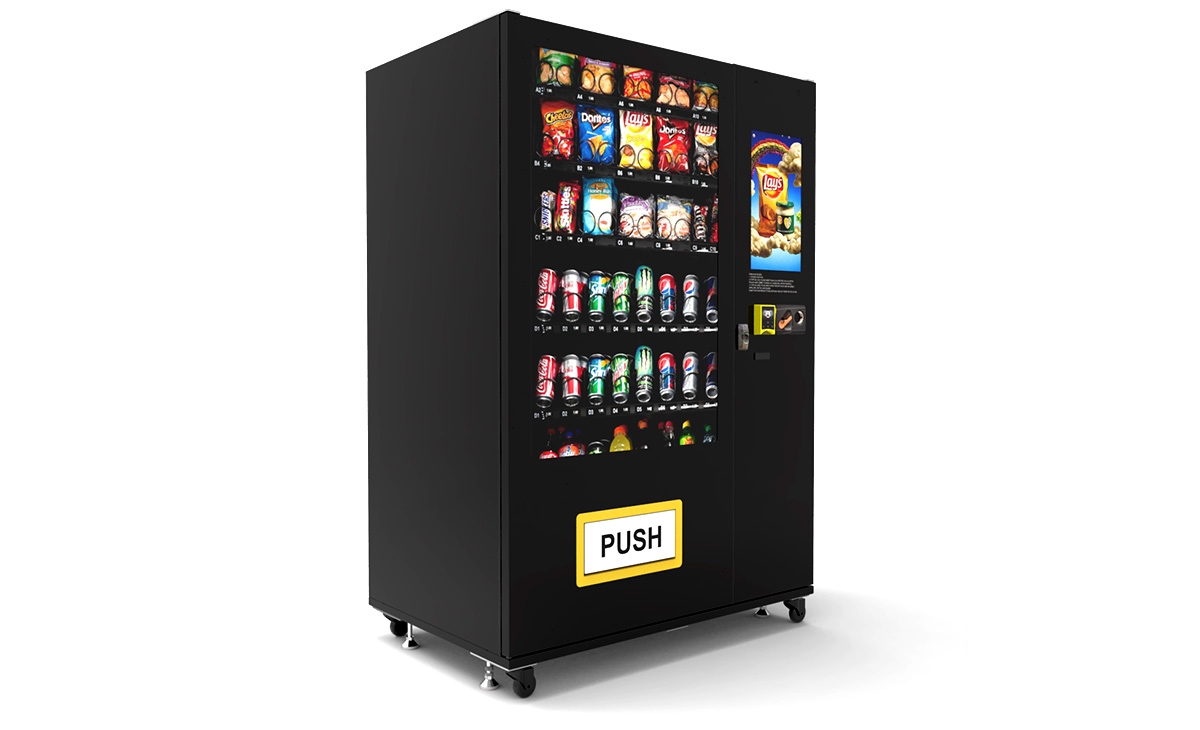
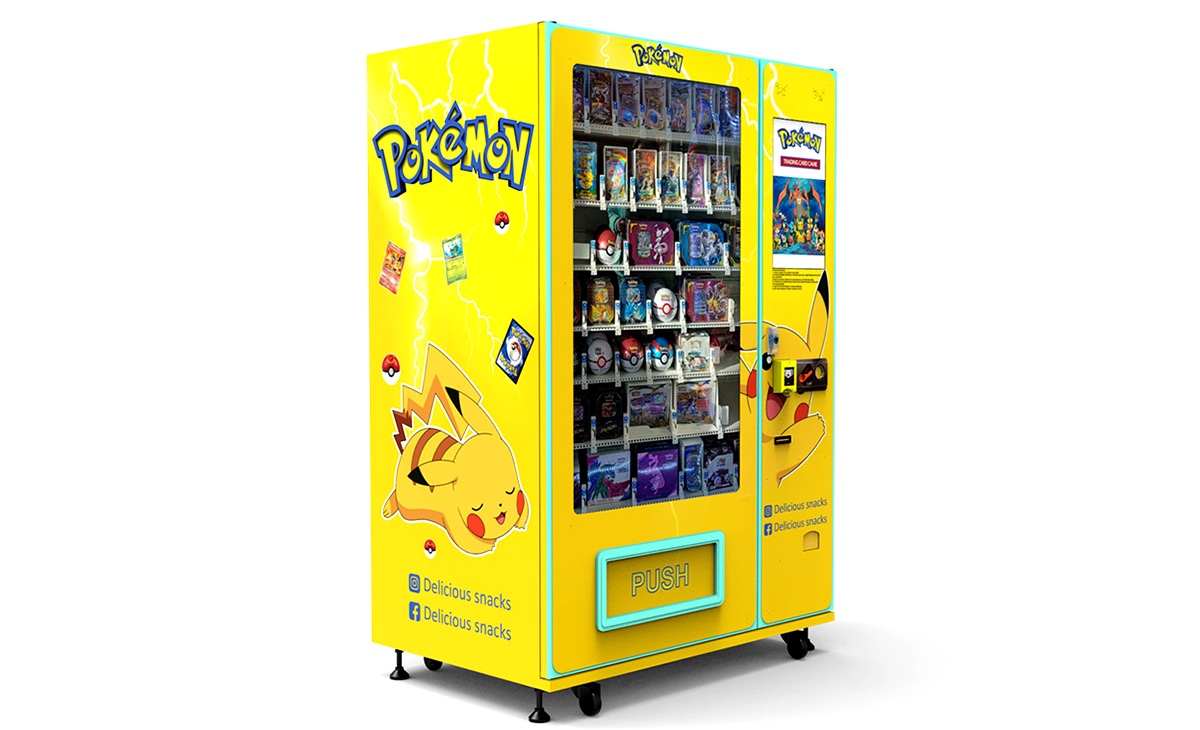
In my experience, Zhongda Smart has a solid reputation among operators who prioritize durability and long-term value. Their machines are designed for high-volume use and come with integrated payment systems that work in both North American and European markets. They’re not the flashiest brand, but they deliver consistent performance, which is what matters most in this business.
Location: The Single Most Important Decision
You can have the best machine in the world, but if it’s in the wrong place, it won’t make money. I’ve seen this happen more times than I can count.
Good locations for ice vending include:
- Gas stations and truck stops
- Campgrounds and RV parks
- Beach access points and public parks
- Large apartment complexes or housing developments
- Event venues and fairgrounds
- Near grocery stores or convenience stores (with permission)
Bad locations include:
- Quiet residential streets with no foot traffic
- Inside malls with limited parking
- Areas with low population density
- Locations where ice is already cheap and widely available
Before you commit, spend a few days observing the site. Count how many people walk or drive by. Check if there’s a nearby competitor. Talk to the property owner about their expectations. A good location will have at least 500 to 1,000 potential customers passing by daily during peak season.
Common Mistakes New Operators Make
I’ve made some of these mistakes myself, and I’ve watched others repeat them. Here’s a short list to save you the trouble.
- Buying a machine before securing a location. You end up with a machine in storage and no way to generate revenue.
- Underestimating utility costs. Ice machines use a lot of electricity and water. Get estimates from local providers before you commit.
- Skipping the payment system upgrade. Cash-only machines lose sales. Customers expect to pay by card or phone.
- Ignoring local regulations. Some areas require permits for food vending, even for ice. Check with your local health department.
- Overlooking maintenance. A machine that breaks down during a heatwave is a disaster. Have a backup plan and a reliable technician.
Market Trends in Automated Ice Retail
The market for self-service kiosks and automated retail solutions is growing. According to a 2024 report by Statista, the global vending machine market is projected to reach $30 billion by 2027, with ice vending being one of the fastest-growing segments. This is driven by consumer preference for contactless transactions and 24/7 availability.
In Europe, the trend is similar. The French market for distributeur automatique has expanded beyond snacks and drinks into fresh food and ice. In the US, operators are experimenting with hybrid machines that sell both ice and other cold items like bottled water or sports drinks.
Another trend I’m watching is the integration of solar power. Some manufacturers are developing machines that can run partially on solar, reducing electricity costs in sunny locations. This is still niche, but it’s worth keeping an eye on if you’re planning a long-term investment.
Should You Buy, Lease, or Partner?
Most operators I know prefer to buy their machines outright. Leasing is available from some suppliers, but the monthly payments often eat into your profit margin. Partnership models—where you split revenue with the property owner—can work, but they require clear contracts and trust.
| Model | Pros | Cons |
|---|---|---|
| Buy outright | Full control, higher profit, no monthly payments | High upfront cost, all risk is yours |
| Lease | Lower upfront cost, easier to test the market | Higher long-term cost, limited customization |
| Revenue share | Shared risk, easier to get into prime locations | Lower profit per machine, complex agreements |
For first-time operators, I usually recommend buying a single machine and testing the market for a year. If it works, scale up. If it doesn’t, you can sell the machine and cut your losses.
How to Evaluate a Machine’s ROI
Here’s a simple framework I use when evaluating any vending machine investment:
- Calculate total cost: Machine price + shipping + installation + first year operating costs.
- Estimate daily sales: Be conservative. Assume 70% of your optimistic projection.
- Calculate monthly profit: Revenue minus operating costs minus rent.
- Divide total cost by monthly profit: This gives you the payback period in months.
- Add a buffer: If the payback period is under 12 months, it’s a strong investment. If it’s over 18 months, reconsider.
For example, if your machine costs $30,000 and you estimate $2,000 in monthly profit, your payback is 15 months. That’s reasonable for a first machine. If you can get that down to 10 months through better location or higher pricing, even better.
FAQ: Common Questions About Ice Vending Machines
Are ice vending machines profitable?
Yes, but profitability depends on location, pricing, and operating costs. In a good location, a machine can generate $5,000 to $15,000 per month in revenue during peak season. Off-peak months will be lower. Most operators I know see a return on investment within 12 to 18 months.
How much does an ice vending machine cost?
The Everest Ice vending machine cost ranges from $15,000 to $45,000 depending on capacity and features. Add $2,000 to $5,000 for shipping and installation. Ongoing monthly costs run $400 to $800.
How long does it take to break even?
In a good location, 12 to 18 months is realistic. Some operators in high-traffic areas have broken even in 6 months. In poor locations, it can take 2 years or more.
Should I buy or lease?
Buying is better for long-term profit. Leasing is useful if you want to test the market with less upfront risk. I recommend buying your first machine if you have the capital.
Where should I place an ice vending machine?
Look for high-traffic areas with warm climates. Gas stations, campgrounds, beaches, and RV parks are top choices. Avoid low-traffic residential areas.
What permits do I need?
Requirements vary by country and region. In the US, you may need a business license, sales tax permit, and health department approval. In Europe, check local regulations for distributeur automatique or borne en libre-service. Always consult a local business attorney.
How do I choose a supplier?
Look for build quality, payment integration, warranty, and after-sales support. Talk to other operators. Zhongda Smart is a reliable option for durable machines with modern payment systems.
What happens if the machine breaks down?
Have a contract with a local technician who specializes in vending machine repair. Keep spare parts on hand. Remote monitoring helps you catch issues early.
How can I reduce maintenance costs?
Buy a quality machine from the start. Clean it regularly. Use water filters to reduce scale buildup. Invest in telemetry so you know exactly when service is needed.
Final Thoughts from the Field
Ice vending is a solid business if you approach it with the right mindset. It’s not a get-rich-quick scheme, and it’s not passive income—at least not at first. You need to research locations, manage costs, and stay on top of maintenance. But if you do it right, the numbers work.
Start small. Buy one machine. Learn the ropes. Then scale. That’s how every successful operator I know got started.
This article was updated in October 2024. All cost and revenue figures are based on real-world operator experience and publicly available data. Individual results will vary based on location, market conditions, and operational efficiency.