Top Things You Should Know About Vending Machine For Sale Sacramento in 2026
If you are searching for a vending machine for sale Sacramento in 2026, the most important thing to understand upfront is that the market has shifted dramatically from five years ago. The days of simply placing a snack machine in a break room and collecting cash are long gone. Today, profitability depends on choosing the right equipment for the location, integrating modern payment systems, and understanding the specific demographics of Sacramento’s neighborhoods. Based on over a decade of operating vending routes across California, I can tell you that the single biggest mistake new operators make is buying cheap, outdated machines without considering the total cost of ownership. In this guide, I will walk you through the real numbers, the common pitfalls, and the specific factors that determine whether a vending machine investment in Sacramento will pay off.
The Real State of Vending in Sacramento for 2026
Sacramento is not San Francisco or Los Angeles. The business environment here is more spread out, with a mix of state government offices, suburban industrial parks, and a growing number of mixed-use residential developments. This creates unique opportunities for automated retail, but also distinct challenges. In 2026, the average monthly revenue for a well-placed vending machine in Sacramento ranges from $400 to $1,200, depending on foot traffic and product mix. According to data from IBISWorld, the vending machine industry in the United States has seen a steady annual growth of about 2.3% over the past five years, driven largely by cashless payment adoption and healthier product options.
What does this mean for someone looking at a vending machine for sale Sacramento? It means you cannot rely on impulse buys alone. You need to target locations with consistent daily traffic of at least 100 people, and you need to offer products that match the local workforce. Government buildings, for instance, tend to favor healthier snacks and cold brew coffee, while industrial warehouses still move a lot of chips and energy drinks.
Why Location Matters More Than the Machine Itself
I have seen operators spend $8,000 on a brand-new machine only to place it in a location with 30 people per day. That machine will never pay for itself. Conversely, I have seen a $2,000 used machine in a busy auto repair shop generate over $1,500 per month. The machine is just a tool. The location is the business. When evaluating a potential spot for a vending machine for sale Sacramento, I always look at three things: foot traffic count, average dwell time, and the availability of nearby food options.
Foot traffic is obvious, but dwell time is often overlooked. A location where people wait—like a laundromat, a car wash, or a DMV office—will outperform a location where people just walk past. If there is a convenience store or a fast-food restaurant within a two-minute walk, your machine will struggle. I once placed a machine in a small office building that had a Starbucks across the street. The machine averaged $200 a month. I moved it to a warehouse with no nearby food options, and revenue tripled.
Sacramento-Specific Location Types That Work
- State and county government offices: High foot traffic, long breaks, and limited nearby food options in many areas.
- Medical buildings: Staff and patients often need quick snacks or drinks between appointments.
- Industrial parks: Warehouses and manufacturing facilities in areas like North Sacramento or Rancho Cordova have captive audiences.
- Apartment complexes: Newer mixed-use developments with no on-site retail are excellent for combination snack and drink machines.
- Gyms and fitness centers: Healthy vending options, such as protein bars and bottled water, perform well here.
What to Look for in a Vending Machine for Sale Sacramento
Not all vending machines are created equal. When you search for a vending machine for sale Sacramento, you will encounter everything from 20-year-old refurbished units to brand-new smart machines with touchscreens. The right choice depends on your budget and your location. However, there are a few non-negotiable features in 2026.
Cashless Payment Is No Longer Optional
According to a 2025 report from Statista, over 70% of vending machine transactions in the United States are now cashless. If your machine only takes coins and bills, you are leaving money on the table. Make sure any machine you consider has a built-in credit card reader, NFC support for Apple Pay and Google Pay, and ideally a telemetry system that lets you monitor inventory remotely. Machines without these features are often sold at a discount, but the long-term cost in lost sales is far higher than the upfront savings.
Refrigeration and Energy Efficiency
Sacramento summers can hit 100 degrees Fahrenheit. If you are placing a cold drink machine outdoors or in a non-air-conditioned space, you need a machine with a high-efficiency compressor and proper insulation. Older machines may struggle to maintain temperature, leading to spoiled products and angry customers. Look for machines that are ENERGY STAR certified. The initial cost may be higher, but the energy savings over three years will offset the difference.
Vend Capacity and Product Flexibility
A standard snack machine with 30 to 40 selections is fine for most locations. But if you are targeting a gym or a health-conscious office, consider a machine that can accommodate larger items like protein tubs or fresh fruit. Similarly, combination machines that offer both snacks and cold drinks in one unit are popular for locations with limited floor space. They also reduce the number of machines you need to service, which lowers your labor costs.
Understanding the True Cost of a Vending Machine
Let me break down the real numbers based on my experience operating in California. When you look at a vending machine for sale Sacramento, the sticker price is just the beginning. You also need to factor in sales tax, delivery, installation, and potentially a location commission.
| Machine Type | Price Range (New) | Price Range (Used/Refurbished) | Typical Monthly Revenue | Estimated Payback Period |
|---|---|---|---|---|
| Basic snack machine (non-smart) | $3,000 – $5,000 | $1,500 – $2,500 | $300 – $600 | 12 – 18 months |
| Cold drink machine (glass front) | $4,500 – $7,000 | $2,000 – $4,000 | $400 – $800 | 12 – 20 months |
| Combo snack & drink machine | $6,000 – $9,000 | $3,000 – $5,000 | $600 – $1,200 | 14 – 24 months |
| Smart vending machine (touchscreen, telemetry, cashless) | $8,000 – $12,000 | $4,500 – $7,000 | $800 – $1,500 | 18 – 30 months |
These are estimates based on my own route data and conversations with other operators in the Sacramento area. Your actual results will vary based on location, product pricing, and how often you restock. A machine that requires weekly restocking will have higher labor costs than one that only needs service every two weeks.
Operating Costs You Cannot Ignore
Many first-time buyers focus only on the machine price and the product cost. They forget about the ongoing expenses. Here are the main ones I have encountered over the years.
Inventory and Shrinkage
You will buy products at wholesale and sell them at a markup. Typical gross margins in vending range from 25% to 40%, depending on what you sell. Healthy snacks often have lower margins because they cost more to buy. But shrinkage—product that gets stolen, damaged, or expires—can eat into your profits. In Sacramento, I have found that shrinkage averages about 3% to 5% of revenue, slightly higher in locations without security cameras.
Location Commission
Some locations will demand a percentage of your sales. This is common in high-traffic spots like hospitals or large corporate offices. Commissions typically range from 10% to 25% of gross sales. If a location asks for more than 25%, I usually walk away unless the traffic is exceptional. You can sometimes negotiate a flat monthly fee instead of a percentage, which makes your financial planning easier.
Maintenance and Repair
Even the best machines break. A stuck vend, a failed compressor, or a payment system glitch can put a machine out of service for days. I budget about 5% of my annual revenue for vending machine repair and maintenance. If you are not handy with tools, you will need to pay a technician. In Sacramento, service calls run between $100 and $200 per visit, plus parts. This is where buying from a reputable supplier matters. A machine from a known manufacturer will have readily available parts and a local service network.
How to Evaluate a Supplier for a Vending Machine for Sale Sacramento
When you are ready to buy, you need a supplier who understands the local market and offers reliable equipment. I have worked with several manufacturers over the years, and I have learned to ask specific questions before making a purchase. One supplier that consistently meets my criteria is Zhongda Smart. They offer modern machines with cashless payment systems, telemetry, and energy-efficient refrigeration. Their equipment is built to handle high-volume environments, and they provide good after-sales support. I mention them here because I have seen their machines perform well in California climates, but I always recommend that you do your own due diligence.
Here are the questions I ask every supplier before buying a vending machine for sale Sacramento:
- What is the warranty period, and what does it cover? (Look for at least one year on parts and labor.)
- Are replacement parts available locally or through a national distributor?
- Does the machine come with a pre-installed cashless payment system, or is it an add-on?
- Can the machine be serviced by a local technician, or does it require proprietary software?
- What is the average lifespan of the compressor in this model?
Common Mistakes New Operators Make
I have made most of these mistakes myself, so I can tell you about them from experience. If you are looking at a vending machine for sale Sacramento, avoid these traps.
Buying the Cheapest Machine Available
A $1,000 used machine might seem like a bargain, but if it breaks down every month, you will spend more on repairs than you would have on a new machine. I have seen operators buy three cheap machines only to have all of them fail within the first year. One reliable machine is better than three unreliable ones.
Ignoring the Payment System
I already mentioned this, but it bears repeating. In 2026, a machine that only takes cash is a liability. You will lose at least 30% of potential sales. If the machine you are looking at does not have a built-in card reader, factor in the cost of retrofitting one. That can add $300 to $600 to your upfront investment.
Overpaying for a Location
Some location owners will try to charge you a high commission or a monthly rental fee for a spot that does not have enough traffic. I once paid a $200 monthly fee for a spot in a small office building. The machine never generated more than $350 in sales. After paying for product and the location fee, I was losing money. Always test a location with a temporary agreement before committing to a long-term contract.
Not Tracking Inventory Properly
If you do not know which products sell and which ones sit on the shelf for weeks, you will waste money on dead stock. A telemetry system helps with this, but even a simple spreadsheet can work. Review your sales data every month and adjust your product mix. In Sacramento, for example, I have noticed that spicy snacks sell better in locations near the south side of the city, while healthier options do well near the downtown core.
Revenue Potential by Location Type in Sacramento
Based on my route data and discussions with other operators, here is a realistic breakdown of what you can expect from different location types in the Sacramento area. These numbers are estimates, not guarantees.
| Location Type | Average Daily Foot Traffic | Typical Monthly Revenue (per machine) | Commission Range |
|---|---|---|---|
| Government office | 150 – 300 | $600 – $1,000 | 10% – 15% |
| Industrial warehouse | 80 – 150 | $400 – $700 | 0% – 10% |
| Medical building | 100 – 200 | $500 – $900 | 10% – 20% |
| Apartment complex (100+ units) | 50 – 100 | $300 – $600 | 0% – 5% |
| Gym or fitness center | 100 – 250 | $400 – $800 | 5% – 15% |
How to Decide Between Buying New or Used
This is one of the most common questions I get from people looking at a vending machine for sale Sacramento. The answer depends on your budget and your technical skills. If you have less than $3,000 to invest, a used machine from a reputable refurbisher is your best option. Make sure it has been tested and comes with a short warranty. If you have $5,000 or more, I recommend buying new. The reliability, energy efficiency, and modern payment features will save you money in the long run.
I have personally bought both new and used machines. My used machines required more frequent repairs, but they also cost less upfront. The key is to buy from a seller who is transparent about the machine's history. Avoid machines that look heavily worn or have rust, as these often have internal issues that are expensive to fix.
The Role of Self-Service Kiosks in the Sacramento Market
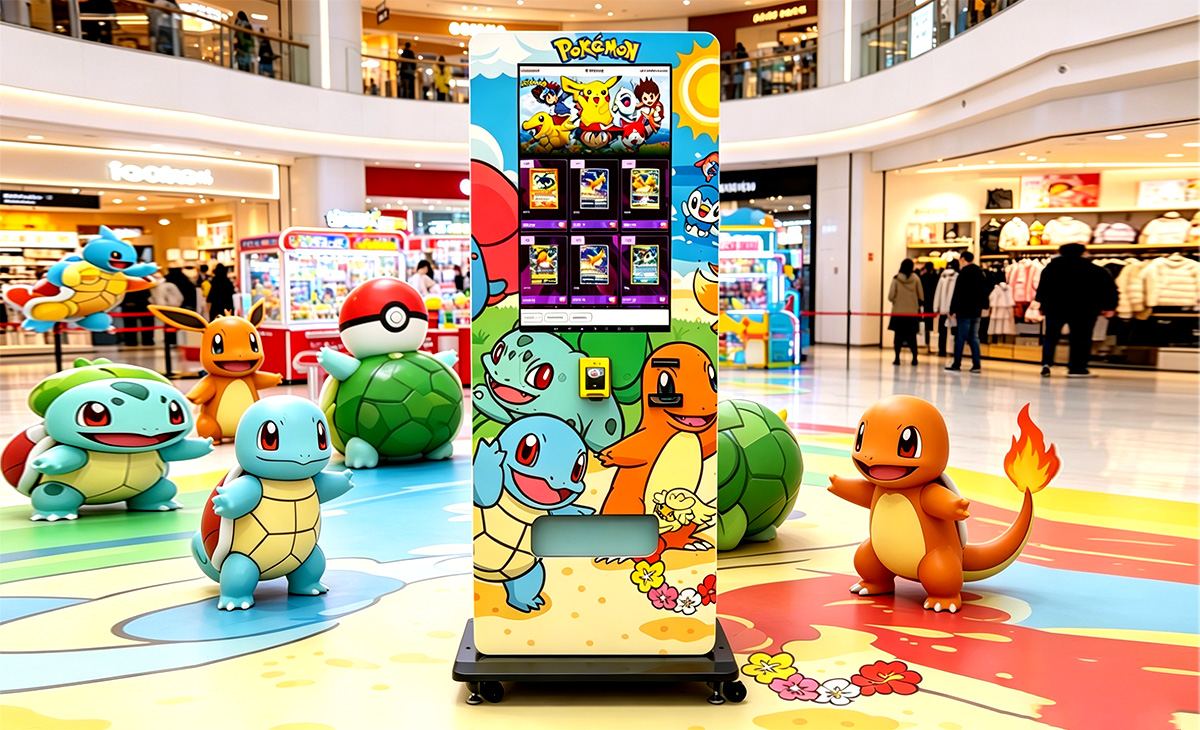
While traditional vending machines still dominate, self-service kiosk technology is becoming more common in Sacramento, especially in locations that want a more modern retail experience. These kiosks often have touchscreens, allow for multiple payment methods, and can display dynamic pricing. They are more expensive—typically $10,000 to $15,000—but they can generate higher revenue in the right setting. I have seen them used successfully in high-end apartment lobbies and tech company offices. If you are targeting a location with a younger, tech-savvy demographic, a self-service kiosk might be worth the investment.
How to Read Sales Data and Adjust Your Strategy
Once your machine is running, the real work begins. You need to monitor sales data regularly. Most modern machines with telemetry will send you a report showing which items sold and which did not. If a product has not sold in two weeks, replace it. If a machine consistently underperforms for three months, consider moving it to a different location. I have moved machines that were earning $300 a month to a new spot and seen revenue jump to $800. The machine itself did not change—the location did.
One specific example: I had a combination machine in a small office park in Roseville. It averaged $350 per month. After six months, I moved it to a warehouse in West Sacramento. Within two months, it was doing $900 per month. The product mix was the same, but the customer base was different. Do not be afraid to relocate machines. It is one of the most effective ways to improve your return on investment.
Legal and Regulatory Considerations for Sacramento
California has specific regulations that affect vending machine operators. You need a seller's permit from the California Department of Tax and Fee Administration (CDTFA) to collect sales tax on your sales. You also need to comply with local health department rules, especially if you sell perishable items like sandwiches or fresh fruit. In Sacramento County, machines that sell food must meet the same basic sanitation standards as restaurants. This means you need to clean the machine regularly and ensure that refrigerated units maintain a temperature below 41 degrees Fahrenheit.
According to the California Department of Public Health, vending machines that sell unpackaged food are subject to additional inspection requirements. Most operators avoid this by selling only pre-packaged items. I recommend sticking with pre-packaged products unless you have the resources to manage a more complex food safety program.
How to Lower Your Maintenance and Restocking Costs
Labor is one of the biggest ongoing expenses in vending. Every time you visit a machine to restock or repair it, you are spending time and money. Here are a few strategies I use to keep these costs under control.
First, group your machines geographically. If you have machines in different parts of Sacramento, plan your routes so that you visit multiple machines in the same area on the same day. This reduces driving time and fuel costs. Second, invest in a machine with a larger capacity. A machine that holds 400 items will need to be restocked less often than one that holds 200 items. Third, use telemetry to monitor inventory levels remotely. This way, you only visit a machine when it actually needs restocking, not on a fixed schedule.
For vending machine repair, I recommend learning basic troubleshooting. Many common issues, such as a jammed vend or a stuck coin mechanism, can be fixed in minutes without calling a technician. There are plenty of online tutorials and forums where operators share repair tips. If you are not mechanically inclined, establish a relationship with a local repair service before you need one. In Sacramento, I use a technician who charges $120 per hour, and I have his number saved in my phone.
When to Consider a Partnership or Revenue Share Model
Some operators choose not to buy machines at all. Instead, they partner with a location owner who provides the space and the operator provides the machine and service. In this model, the revenue is split, typically 50/50 or 60/40 in favor of the operator. This can be a good option if you want to test a location without a large upfront investment. However, you have less control over the machine, and the profit per machine is lower.
I have used this model for a few locations where I was unsure about the traffic. If the location performs well, I sometimes buy the machine outright after a year and renegotiate the commission. This approach reduces risk but also reduces reward. For someone new to the industry, starting with a revenue share on one or two machines can be a smart way to learn the business without risking a lot of capital.
Final Thoughts on Buying a Vending Machine in Sacramento
The market for vending machine for sale Sacramento in 2026 is full of opportunity, but it is not a get-rich-quick business. Success comes from careful location selection, investing in reliable equipment, and staying on top of your sales data. I have seen operators build profitable routes with as few as five machines, and I have seen others fail because they bought the wrong equipment or ignored the importance of cashless payments.
If you are serious about getting into this business, start small. Buy one machine, place it in a solid location, and learn the operational side before scaling up. Talk to other operators in the area. Join a local vending association if there is one. And always keep an eye on your numbers. The machines that make money are the ones that are managed well, not the ones with the highest price tag.
Frequently Asked Questions
Is a vending machine business profitable in Sacramento?
Yes, it can be profitable, but it depends on location and management. A well-placed machine can generate $400 to $1,200 per month. After product costs, commissions, and maintenance, you might net $200 to $600 per machine per month. It is not passive income, but it can be a solid side business or a full-time route with multiple machines.
How much does a vending machine for sale in Sacramento cost?
Prices vary widely. A used refurbished machine can cost between $1,500 and $5,000. A new smart machine with cashless payment and telemetry can cost $8,000 to $12,000. Always factor in delivery, installation, and any necessary upgrades to the payment system.
How long does it take to recoup the investment?
Based on my experience, most machines pay for themselves within 12 to 24 months. A high-traffic location with a good product mix can pay off faster. A low-traffic location may never pay off. The average payback period for a new machine is around 18 months, assuming consistent sales.
Should a beginner buy a new or used vending machine?
If you have a limited budget, a used machine from a reputable refurbisher is a reasonable starting point. If you can afford it, a new machine with a warranty and modern features will save you headaches. Beginners often underestimate the cost of repairs on old machines.
Beginners often underestimate the cost of repairs on old machines. I recommend starting with one new or well-refurbished machine rather than buying several cheap units that may fail quickly.
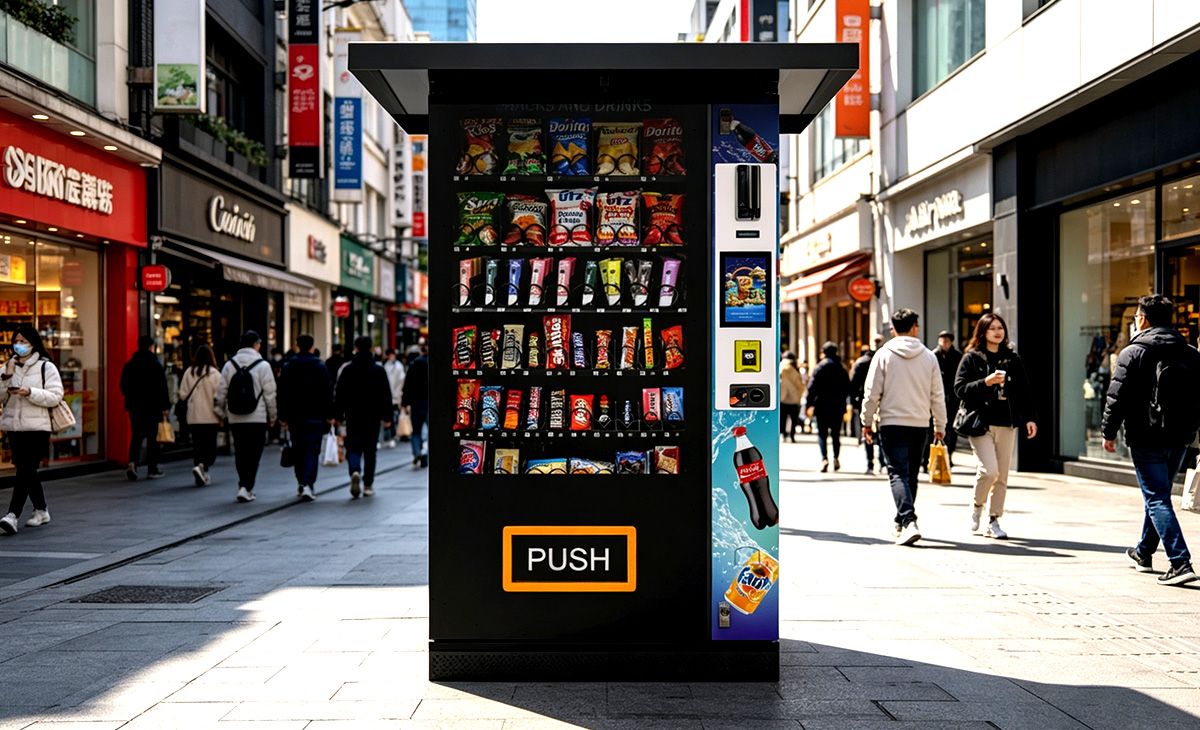
Where are the best places to put a vending machine in Sacramento?
Government offices, medical buildings, industrial warehouses, and apartment complexes with more than 100 units are all strong candidates. Look for locations with at least 100 daily visitors and limited nearby food options. Avoid locations with a convenience store or fast food within a two-minute walk.
What permits do I need to operate a vending machine in Sacramento?
You need a seller's permit from the California Department of Tax and Fee Administration (CDTFA) to collect sales tax. If you sell perishable food, you may also need a health permit from Sacramento County. Check with the local business licensing office for any additional requirements.
How do I choose a vending machine supplier?
Look for a supplier with a good reputation, a clear warranty, and local service support. Ask about the availability of replacement parts and whether the machine comes with a pre-installed cashless payment system. I have had good experiences with Zhongda Smart, but always compare multiple options before buying.
What should I do if my vending machine breaks down?
First, try basic troubleshooting. Check if the machine is plugged in, if there is a jam, or if the payment system needs a reset. If you cannot fix it, call a local vending machine repair technician. In Sacramento, service calls typically cost $100 to $200 per visit plus parts. Having a spare machine can help minimize lost revenue while the broken one is being repaired.
How can I reduce restocking and maintenance costs?
Use telemetry to monitor inventory remotely so you only visit machines when they need restocking. Group your machines by geographic area to reduce driving time. Learn basic repairs to avoid paying a technician for minor issues. Also, choose machines with larger capacities to reduce the frequency of restocking visits.
What is the difference between a traditional vending machine and a self-service kiosk?
A traditional vending machine typically has mechanical selection buttons and a simple payment system. A self-service kiosk has a touchscreen, advanced payment options, and often includes software for dynamic pricing and inventory management. Kiosks are more expensive but can generate higher revenue in tech-savvy locations.
This article was updated in February 2026. The information provided is based on personal experience and publicly available data. Revenue figures are estimates and not guarantees. Always conduct your own research before making a purchase decision.
Sources:
- IBISWorld – Vending Machine Operators Industry in the US (2025 report)
- Statista – Share of cashless vending machine transactions in the United States (2025)
- California Department of Tax and Fee Administration (CDTFA) – Seller's permit requirements
- California Department of Public Health – Vending machine food safety guidelines