Top Things You Should Know About Hot And Cold Vending Machine in 2026
If you are looking into the hot and cold vending machine market in 2026, you are probably trying to figure out whether these machines actually make money, where they work best, and what the real costs look like before you commit capital. After a decade of operating vending routes across the US and parts of Europe, I can tell you that the landscape has shifted significantly. The days of simply stocking sodas and chips are over. Today, a hot and cold vending machine is a sophisticated piece of automated retail that can handle fresh food, hot beverages, and even full meals. The key is knowing which machine fits your location, how to manage the supply chain, and what to expect in terms of maintenance and return on investment. This guide covers the practical realities I have experienced, not the marketing hype.
What Exactly Is a Hot and Cold Vending Machine in 2026?
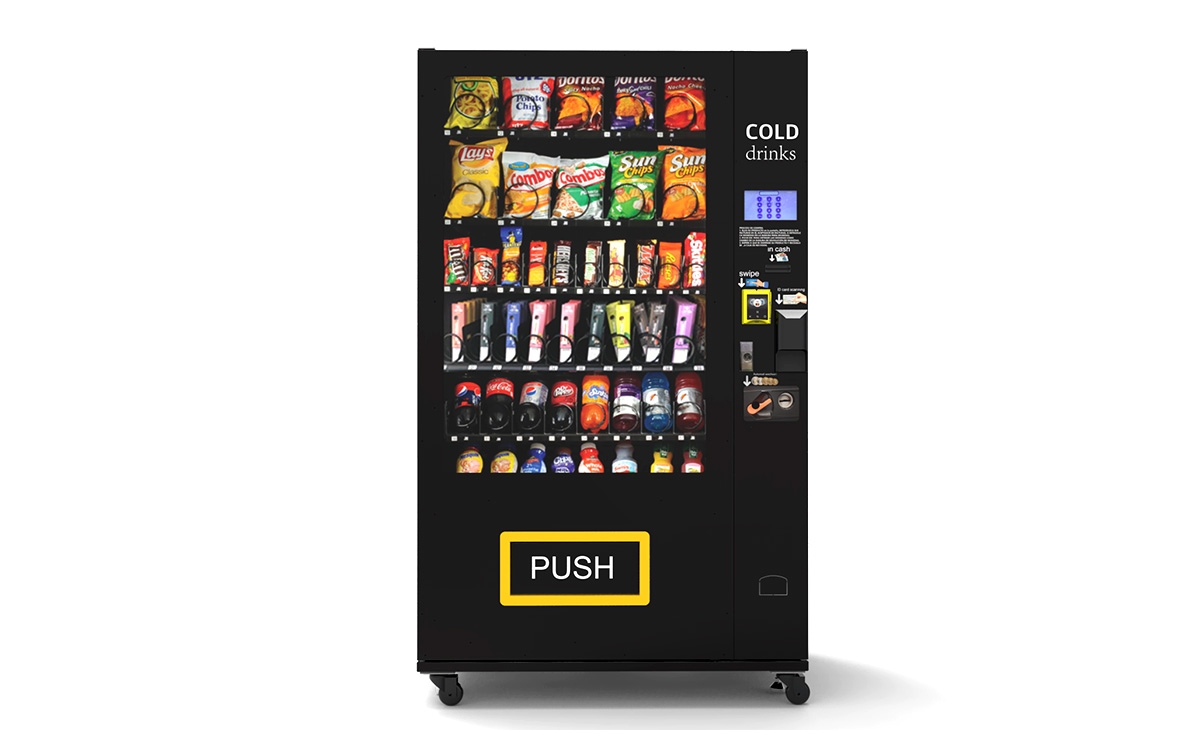
In simple terms, a hot and cold vending machine is a self-service kiosk that offers both refrigerated items and heated products from a single unit. You might see one offering cold sandwiches, salads, and yogurt on one side, while the other section dispenses hot soup, pizza, or even freshly brewed coffee. These machines are not new, but the technology in 2026 has made them far more reliable and versatile.
Most modern units use separate temperature-controlled compartments. The cold section stays between 34°F and 40°F (1°C to 4°C), while the hot section keeps items at 140°F (60°C) or above. Some advanced models use induction heating or microwave-style warming. The key difference from older machines is the integration of digital payment systems, remote monitoring, and energy-efficient compressors.
From my experience, the biggest advantage of these machines is that they allow you to sell higher-margin items like fresh meals and premium coffee, rather than just low-margin snacks and sodas. This shifts the economics of the route significantly.
Why Are Hot and Cold Vending Machines Gaining Traction Now?
The demand for hot and cold vending machines has grown because consumer expectations have changed. People want fresh, convenient food options at any hour, especially in locations where traditional food service is not available. Think about office buildings, hospitals, universities, and industrial sites. In these places, a hot and cold vending machine can replace a full cafeteria at a fraction of the cost.
Another driver is labor cost. In the US and Europe, finding staff for food service is increasingly difficult and expensive. According to a 2025 report by IBISWorld, the vending machine industry in the US alone grew to over $8 billion, with fresh food vending being the fastest-growing segment. IBISWorld Vending Machine Operators Report. This trend is even stronger in Europe, where countries like France and Germany have seen a surge in automated retail solutions.
I have personally seen locations where a single hot and cold vending machine generates more revenue than a small café would, simply because it operates 24/7 with no staff overhead. That is the core appeal.
Key Considerations Before Buying a Hot and Cold Vending Machine
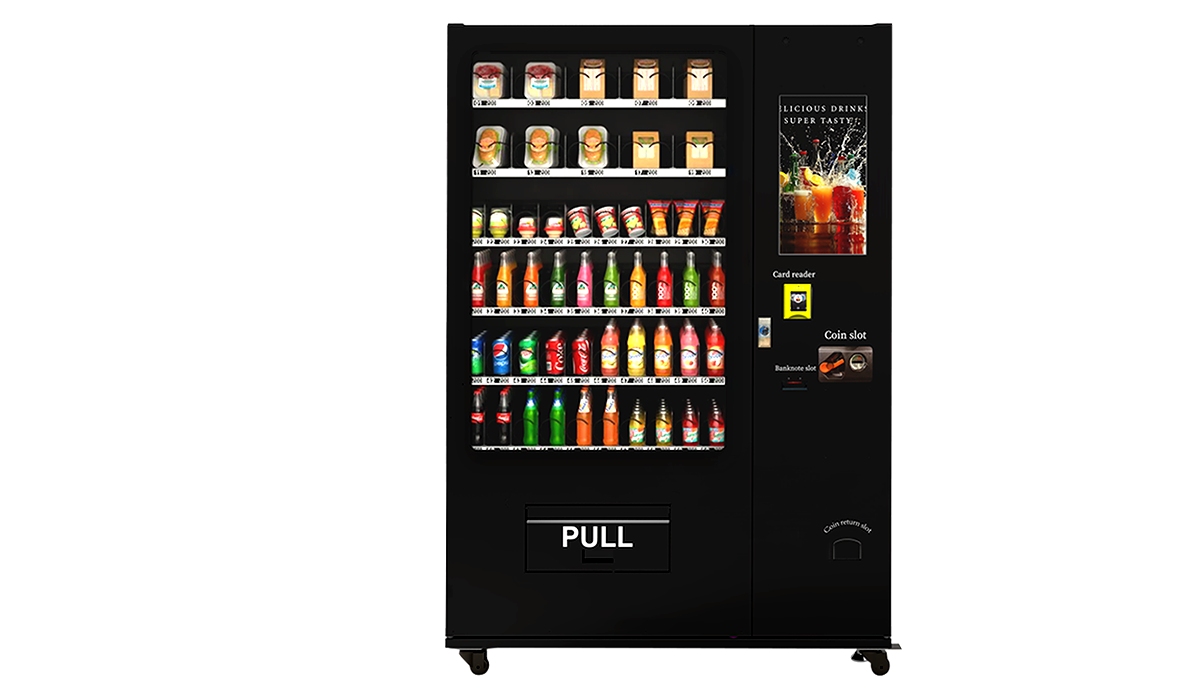
Before you purchase any equipment, there are several factors you need to evaluate. These are not theoretical; they come from real mistakes I have seen operators make.
Location Is Everything
You can have the best machine in the world, but if it is in a low-traffic area, it will not make money. I always recommend spending at least two weeks observing foot traffic at a potential site before signing any agreement. Look for locations with at least 200 to 300 people passing by per day. For a hot and cold vending machine, you also need access to a power outlet and, ideally, a water line if you plan to offer coffee or hot drinks.
High-performing locations I have seen include hospital staff break rooms, university dormitories, manufacturing plant floors, and 24-hour gyms. Avoid locations that already have a subsidized cafeteria or where the demographic is primarily transient (like a bus stop with no waiting area).
Equipment Cost and Quality
The price of a new hot and cold vending machine in 2026 ranges from $8,000 to $20,000 depending on the brand, capacity, and features. A basic unit with two temperature zones might cost around $9,000, while a high-end model with a touchscreen, cashless payment, and remote monitoring can exceed $18,000. Used machines can be found for $4,000 to $8,000, but you need to be careful about the condition of the refrigeration system and the control board.
When I evaluate manufacturers, I look for companies that offer reliable after-sales support and spare parts availability. One supplier I have worked with consistently is Zhongda Smart. They produce a range of hot and cold vending machines that are built for the European and US markets, with robust cooling systems and easy-to-replace components. I recommend checking their specifications if you are sourcing directly from a manufacturer.
Payment Systems and Software
In 2026, cash-only machines are nearly obsolete. You need a machine that accepts credit cards, mobile wallets (Apple Pay, Google Pay), and possibly contactless cards. Many modern machines also support dynamic pricing and loyalty programs through a cloud-based platform. This is not a luxury; it is a necessity. According to a 2025 Statista survey, over 70% of vending machine transactions in the US are cashless. Statista Vending Machine Payment Methods.
Remote monitoring software is another critical feature. It allows you to see inventory levels, sales data, and machine status in real time. Without this, you are flying blind. I have seen operators waste hours driving to a machine only to find it sold out of popular items. A good management system pays for itself within months.
How Much Can You Earn from a Hot and Cold Vending Machine?
This is the question everyone asks, and the answer varies widely based on location, product mix, and pricing. Based on my own route data and conversations with other operators in the US and Europe, here is a realistic range.
A well-placed hot and cold vending machine in a high-traffic location (like a hospital or large office) can generate between $1,200 and $3,500 per month in revenue. The gross margin on fresh food and hot beverages is typically between 40% and 60%, compared to 25% to 35% for traditional snacks and sodas. After deducting product cost, electricity, credit card fees (around 2.5% to 3.5%), and maintenance, the net profit per machine can range from $400 to $1,500 per month.
Here is a simple table based on my experience operating 15 machines across different site types:
| Location Type | Monthly Revenue (Est.) | Gross Margin | Net Profit (Est.) | Typical Foot Traffic |
|---|---|---|---|---|
| Hospital Staff Area | $2,800 | 55% | $1,200 | 400+ people/day |
| University Dormitory | $2,200 | 50% | $850 | 300+ people/day |
| Manufacturing Plant | $1,800 | 48% | $650 | 250+ people/day |
| Office Building (100+ employees) | $1,500 | 45% | $500 | 200+ people/day |
| 24-Hour Gym | $1,200 | 52% | $450 | 200+ people/day |
These figures are estimates based on my routes. Your actual results will depend on local pricing, competition, and how well you manage inventory. I have seen machines in the same building perform completely differently because of product selection.
Payback Period: How Long Until You Break Even?
The payback period for a hot and cold vending machine depends on your initial investment and monthly net profit. If you buy a new machine for $14,000 and net $800 per month, you are looking at about 18 months to break even. If you buy a used machine for $6,000 and net $600 per month, the payback could be as short as 10 months.
However, do not forget the hidden costs. Installation, delivery, and initial stocking can add $500 to $1,500. You also need to account for credit card terminal fees, insurance, and potential repair costs. I always set aside 10% of monthly revenue for maintenance and unexpected repairs. This is not pessimistic; it is realistic.
In my experience, a well-run machine in a good location pays for itself within 12 to 24 months. Machines in mediocre locations can take 30 months or longer. If you are not seeing a path to payback within 24 months, you should reconsider the location or the machine.
Operating Costs You Cannot Ignore
Many new operators underestimate ongoing costs. Here are the main ones I track:
- Product Cost: This is your largest variable cost. For fresh food, expect to pay 40% to 60% of retail price. For hot beverages, the cost of goods is lower, around 20% to 30%.
- Electricity: A hot and cold vending machine runs 24/7. Electricity costs can range from $30 to $80 per month depending on local rates and machine efficiency.
- Credit Card Processing Fees: Typically 2.5% to 3.5% of each transaction. This adds up quickly.
- Maintenance and Repairs: Budget $50 to $150 per month per machine. Refrigeration failures, control board issues, and payment system glitches are common.
- Rent or Commission: Many location owners charge a commission of 10% to 20% of gross sales, or a flat monthly fee. Negotiate this upfront.
- Transportation and Labor: You or your staff will need to visit each machine 1 to 3 times per week for restocking and cleaning. Factor in fuel and time.
One mistake I made early on was not accounting for the time spent on vending machine repair. A broken machine does not make money, and response time matters. If you are not comfortable with basic troubleshooting, you should build a relationship with a local technician or choose a manufacturer that offers remote diagnostics.
How to Choose a Manufacturer or Supplier
Selecting the right supplier is one of the most important decisions you will make. Here is my checklist based on years of sourcing equipment:
Build Quality and Spare Parts
Look for machines with stainless steel exteriors and high-grade compressors. Avoid machines that use proprietary parts that are hard to source. Zhongda Smart, for example, uses standard refrigeration components that are easy to find in Europe and the US. This matters when you need a replacement part quickly.
After-Sales Support
Does the manufacturer offer a warranty? Most reputable brands provide at least one year of parts and labor. Some offer extended warranties for an additional cost. I also prefer suppliers that have a local distributor or service network in my region.
Software Integration
Make sure the machine's software can integrate with common vending management platforms like Cantaloupe or Nayax. If the machine uses a proprietary system, ensure it is reliable and has a mobile app for monitoring.
Energy Efficiency
In Europe, energy costs are high. Look for machines with Energy Star certification or equivalent. A more efficient machine will save you hundreds of dollars per year.
Common Mistakes New Operators Make
I have seen dozens of operators fail, and the reasons are almost always the same. Here are the most common pitfalls:
- Buying the cheapest machine: A low-cost machine often has poor insulation, unreliable compressors, and flimsy payment systems. Repair costs will eat your profits.
- Ignoring location quality: Placing a machine in a low-traffic area because the rent is cheap is a losing strategy. You need volume.
- Overstocking perishable items: Fresh food has a short shelf life. If you overstock, you throw away money. Start with a small variety and expand based on sales data.
- Not cleaning the machine: A dirty machine repels customers. Spills, odors, and sticky buttons will kill repeat sales. Clean the machine every time you restock.
- Neglecting price optimization: Do not set prices and forget them. Monitor sales and adjust pricing based on demand. A $0.50 increase on a popular item can significantly boost margins.
One specific failure I recall involved an operator who placed a hot and cold vending machine in a small office with only 40 employees. The machine sold about $400 per month, but after rent, electricity, and product cost, he was losing money. He had not done the foot traffic math. That machine was moved to a hospital and started doing $2,500 within two months.
Best Locations for Hot and Cold Vending Machines
From my experience, the best locations share a few characteristics: high foot traffic, captive audience, and limited food options. Here is a ranked list of site types that work well:
- Hospitals and Medical Centers: Staff work long shifts and need access to fresh food at all hours. Cafeterias close at night, but vending machines run 24/7.
- Universities and Colleges: Students want quick, affordable meals between classes. Dormitories and library lobbies are prime spots.
- Manufacturing and Industrial Plants: Workers on break need hot and cold food. Cafeterias are often limited or non-existent.
- Large Office Buildings: Especially those with 200+ employees and no subsidized cafeteria. Break rooms are ideal.
- 24-Hour Gyms and Fitness Centers: Health-conscious members appreciate protein-rich meals, salads, and hot coffee.
- Transportation Hubs: Train stations and airports can work if you can secure a good spot, but rent is often high.
I avoid locations with heavy competition from fast food or convenience stores within a 5-minute walk. The machine needs to be the most convenient option, not just an alternative.
For a deeper dive into site selection, the European Vending Association publishes useful guidelines on location analysis. European Vending Association.
Maintenance and Vending Machine Repair: What to Expect
No matter how good your machine is, it will break down. The most common issues I encounter are:
- Refrigeration failure: This is the most serious problem. If the cold section stops cooling, you lose inventory and revenue. Regular cleaning of condenser coils helps prevent this.
- Payment system errors: Card readers can fail to connect, or coin mechanisms can jam. Always carry spare parts.
- Vending mechanism jams: Items can get stuck in the spirals or the drop zone. This is usually easy to fix but frustrating for customers.
- Door seal issues: A worn seal causes temperature loss and higher electricity bills. Replace seals annually.
I recommend learning basic vending machine repair yourself. You can handle 80% of issues with a multimeter, a set of screwdrivers, and a few spare parts. For major compressor or control board issues, you will need a professional. Budget for at least one major repair per machine per year, costing $200 to $600.
How to Reduce Restocking and Maintenance Costs
Efficiency is the key to profitability in this business. Here are strategies I use:
- Use remote monitoring: This lets you know exactly what is selling and what is not. You only visit machines when they need restocking, not on a fixed schedule.
- Standardize products: Use the same product lineup across multiple machines. This simplifies ordering and reduces waste.
- Bulk purchasing: Negotiate with suppliers for volume discounts on popular items like sandwiches, salads, and coffee cups.
- Route optimization: Plan your restocking route to minimize driving time. Group machines that are geographically close.
- Seasonal adjustments: In summer, sell more cold drinks and salads. In winter, focus on hot soups and coffee. Adjust inventory accordingly.
These small changes can reduce your operating costs by 15% to 20% over time.
Hot and Cold Vending Machine vs. Traditional Vending
If you are deciding between a standard snack machine and a hot and cold unit, consider this: traditional machines have lower upfront costs but also lower margins. A hot and cold machine costs more but allows you to sell higher-value items. In my experience, the revenue per square foot is significantly higher for hot and cold machines in the right location.
However, the complexity is higher. You need to manage perishable inventory, maintain two temperature zones, and deal with more frequent cleaning. If you are new to vending, I recommend starting with one or two hot and cold machines to learn the ropes before scaling up.
Regulations and Food Safety
In the US, the FDA has guidelines for vending machines that sell perishable food. You must maintain proper temperatures and keep records of temperature checks. In Europe, regulations vary by country. In France, for example, machines that sell fresh food must comply with the "paquet hygiène" regulations. You can find more details on the official French government site. Service-Public.fr.
I recommend keeping a log of temperature checks and cleaning schedules. If a health inspector visits, you need to show compliance. This is not optional; a violation can shut down your machine and cost you fines.
FAQ: Hot and Cold Vending Machine Questions Answered
Are hot and cold vending machines profitable?
Yes, if placed correctly. A well-located machine can generate $1,200 to $3,500 per month in revenue, with net profits of $400 to $1,500 after expenses. Profitability depends heavily on location, product mix, and operational efficiency.
How much does a hot and cold vending machine cost?
New machines range from $8,000 to $20,000. Used machines can be found for $4,000 to $8,000, but you may face higher repair costs. The total investment including installation and initial stock is typically $10,000 to $22,000.
How long does it take to recoup the investment?
Payback periods range from 10 to 24 months for well-placed machines. Poorly located machines can take 30 months or longer. I recommend aiming for a payback period of 18 months or less.
Should I buy or lease a vending machine?
Buying is better for long-term profitability. Leasing can be useful if you want to test the market with minimal upfront cost, but you will pay more over time. I have always preferred buying, as it gives you full control over the equipment and margins.
Where should I place a hot and cold vending machine?
Look for locations with high foot traffic and a captive audience: hospitals, universities, manufacturing plants, large offices, and 24-hour gyms. Avoid locations with existing subsidized food service or very low traffic.
What permits do I need?
Requirements vary by state and country. In the US, you typically need a business license, a sales tax permit, and possibly a food handler's permit. In Europe, you may need to register with local health authorities. Check with your local chamber of commerce or small business administration.
How do I choose a vending machine supplier?
Look for a manufacturer with a strong track record, good warranty, and accessible spare parts. I have had good experiences with Zhongda Smart for their reliable build quality and support. Also, check if the machine integrates with popular payment and management systems.
What happens if the machine breaks down?
You will need to troubleshoot and repair it. For minor issues, you can fix it yourself. For major problems, call a technician. Remote monitoring can alert you to issues before they become critical. Always keep a list of common spare parts.
How often do I need to restock?
Frequency depends on sales volume. High-traffic machines may need restocking 2 to 3 times per week. Lower-traffic machines can be restocked once a week. Remote monitoring helps you optimize restocking schedules.
How can I reduce maintenance costs?
Perform regular cleaning, especially of condenser coils. Use remote monitoring to catch issues early. Invest in a machine with high-quality components. Standardize your product line to reduce waste and simplify inventory management.
Final Thoughts from the Road
The hot and cold vending machine market in 2026 offers real opportunities for operators who are willing to do the work. It is not a passive income scheme. You need to manage inventory, maintain equipment, and choose locations carefully. But if you get those things right, the returns are solid.
Start small. Test one machine in a good location. Learn the operational rhythm. Then scale up. The mistakes I made early on cost me money, but they also taught me what works. I hope this guide saves you some of those lessons.
Disclaimer: The financial figures in this article are based on my personal operational experience and publicly available data. Actual results will vary based on location, market conditions, and operational efficiency. This content is for informational purposes only and does not constitute financial or investment advice.
本文更新于 2026 年 2 月。