The Complete Guide to Milk Vending Machine Opportunities and Risks
After a decade of placing, breaking, fixing, and sometimes pulling machines out of bad locations, I can tell you this: the milk vending machine business is not a passive income dream, but it can be a solid, repeatable revenue stream if you treat it like a real business. I have seen operators lose thousands by buying the wrong equipment, ignoring local dairy regulations, or placing a machine where foot traffic looks good on paper but nobody carries a reusable bottle. The milk vending machine opportunity is real, especially in suburban Europe and North America where consumers are increasingly seeking raw, pasteurized, or locally sourced milk directly from farms. But the risks—spoilage, machine downtime, payment system failures, and location churn—are equally real. This guide walks through everything I have learned about equipment selection, site evaluation, cost recovery, and daily operations, so you can decide whether this automated retail model fits your goals.
Why Milk Vending Machines Are Different from Snack or Soda Machines
Most people assume a vending machine is a vending machine. That assumption has cost operators more money than any single equipment failure. A milk vending machine is fundamentally different because it deals with a perishable, temperature-sensitive product that requires strict hygiene protocols. You are not selling shelf-stable chips or canned soda. You are selling a product that can spoil within hours if the cooling system fails or if the machine is left in direct sunlight without proper insulation.
In my early years, I placed a standard refrigerated snack machine in a farm shop thinking it would work for bottled milk. The compressor was not designed for continuous operation at near-freezing temperatures, and the internal temperature fluctuated by several degrees each cycle. Within three months, I had two spoilage incidents and lost the location. That is when I learned that a dedicated milk vending machine must have a commercial-grade refrigeration system, preferably with remote temperature monitoring and automatic alarm notifications. Without those features, you are gambling with food safety.
Another key difference is the vending mechanism. Milk is often sold in glass bottles or rigid plastic containers that do not fit standard spiral or coil systems. Many milk vending machines use a shelf-style drop system or a robotic arm that gently places the bottle into a retrieval bin. If you buy a machine with a standard spiral system, you will likely face frequent jams and broken bottles. I have seen operators lose an entire weekend of sales because a single bottle got stuck and blocked the vending path.
Assessing the Real Opportunity: Where Milk Vending Works Best
The milk vending machine opportunity is strongest in locations where consumers already have a habit of buying fresh, local dairy products. Farm shops, farmers markets, organic grocery stores, and rural co-ops are obvious candidates. But I have also seen successful placements in suburban train stations, university campuses with strong sustainability programs, and even office buildings that promote healthy eating among employees.
One of my most profitable locations was a small dairy farm that had a roadside stand. The farmer sold raw milk directly to customers, but only during limited hours. We placed a self-service kiosk outside the stand, and it generated over €4,000 in monthly revenue during peak summer months. The key was that the farmer already had a loyal customer base, and the machine extended their sales window from six hours a day to 24 hours a day. That is the core opportunity: milk vending machines allow producers to sell without being physically present.
However, not every location with foot traffic works. I once placed a machine in a busy urban park near a weekend market. The traffic was high, but the customer profile was wrong. Most people were tourists or casual walkers who did not want to carry a glass bottle of milk for the rest of their day. Sales never exceeded €200 per week, and I eventually moved the machine to a different site. The lesson is that location quality is not just about foot traffic. It is about foot traffic composed of people who are already in a buying mindset for fresh, perishable goods.
Equipment Selection: What to Look for in a Milk Vending Machine
Choosing the right machine is the single most important decision you will make. I have tested machines from at least a dozen manufacturers over the years, and I have strong opinions on what works and what does not. First, the refrigeration system must be capable of maintaining a consistent temperature between 1°C and 4°C, even in outdoor conditions. Many machines advertise "refrigerated" but use domestic-grade compressors that fail within two years of continuous operation.
Second, the payment system must support multiple methods. In Europe, customers expect to pay with contactless cards, mobile wallets like Apple Pay and Google Pay, and sometimes even local transport cards. In North America, credit card acceptance is table stakes. If your machine only accepts coins or bills, you will lose a significant portion of potential sales. I have seen operators retrofit old machines with card readers, but the integration is often clunky and prone to errors. It is better to buy a machine that comes with a modern payment terminal from the start.
Third, consider the vending mechanism carefully. For milk, a gentle handling system is non-negotiable. I recommend machines that use a conveyor belt or a robotic arm rather than a spiral drop. The additional upfront cost is usually recovered within the first year through reduced breakage and fewer service calls. I have worked with machines from Zhongda Smart that use a shelf-style retrieval system, and the reliability has been excellent. Their units also include remote monitoring software that alerts you if the temperature drifts or if a product gets stuck. That kind of telemetry is worth paying for.
Fourth, think about cleaning and maintenance. Milk leaves residue. If the machine interior is not designed for easy cleaning, you will spend hours scrubbing surfaces every week. Look for machines with removable shelves, smooth interior surfaces, and drainage systems that prevent liquid buildup. I once bought a machine with a textured interior floor, and cleaning it was a nightmare. Milk spills would get trapped in the grooves and start to smell within days. That machine was a constant headache.
| Feature | Budget Machine (€3,000–€5,000) | Mid-Range Machine (€6,000–€10,000) | Premium Machine (€12,000–€18,000) |
|---|---|---|---|
| Refrigeration quality | Domestic compressor, single fan | Commercial compressor, dual fans | Commercial compressor, backup system, remote monitoring |
| Vending mechanism | Spiral drop | Conveyor belt | Robotic arm or shelf retrieval |
| Payment system | Coin and bill only | Coin, bill, basic card reader | Contactless, mobile wallet, card, remote management |
| Temperature monitoring | None | Basic alarm | Real-time remote alerts |
| Cleaning ease | Difficult, textured surfaces | Moderate, removable shelves | Easy, smooth surfaces, drainage system |
| Typical lifespan | 3–5 years | 5–8 years | 8–12 years |
Cost Breakdown: What You Really Need to Budget
Let me be direct: the initial investment for a milk vending machine operation is higher than most newcomers expect. Based on my experience and data from IBISWorld, the average cost to start a single-machine vending operation in Europe ranges from €8,000 to €20,000, depending on equipment quality, location fees, and initial inventory. For milk vending, you should budget on the higher end because of the refrigeration and hygiene requirements.
The machine itself is the largest cost. A new, dedicated milk vending machine from a reputable manufacturer typically costs between €6,000 and €15,000. Used machines can be found for €2,000 to €5,000, but I caution against buying used unless you have technical experience. I once bought a used machine for €3,500 that looked great on the outside. Within six months, I had replaced the compressor, the payment system, and the vending mechanism. Total repair costs exceeded €4,000. A used machine is often a false economy.
Location costs vary widely. Some farm shops or co-ops will let you place a machine for free in exchange for a revenue share. Others charge a monthly rent of €100 to €500. In high-traffic urban locations, rent can exceed €1,000 per month. I always negotiate a trial period of three to six months before committing to a long-term lease. If the location does not generate enough sales, you want the flexibility to move the machine without penalty.
Operating costs include electricity, inventory, cleaning supplies, and maintenance. Electricity for a refrigerated machine runs about €50 to €150 per month, depending on local rates and ambient temperature. Inventory costs depend on your wholesale price for milk. If you buy directly from a dairy farm, you might pay €0.80 to €1.20 per liter and sell for €2.00 to €3.00 per liter, giving you a gross margin of 50% to 60%. However, spoilage can eat into that margin. I typically budget 5% to 10% of inventory for spoilage, especially during summer months.
Maintenance costs average €50 to €150 per month for a well-maintained machine, but that number can spike if you need emergency repairs. I set aside €1,000 per machine per year for unexpected repairs. In my first year, I spent €1,800 on a single machine because the cooling system failed during a heatwave. That was a painful lesson in why you should never skip the remote temperature monitoring feature.
Revenue Expectations and Payback Period
Revenue depends almost entirely on location and pricing. In a good location—a busy farm shop or a farmers market with high foot traffic—a single milk vending machine can generate €1,500 to €4,000 per month in revenue. In a mediocre location, you might see €500 to €1,000 per month. I have seen machines in poor locations generate less than €200 per month, and those machines were eventually moved or sold.
Based on my own operations and data from Statista, the average monthly revenue for a well-placed refrigerated vending machine in Europe is around €1,800. That translates to a gross profit of roughly €900 to €1,100 per month after inventory costs. After deducting electricity, maintenance, and location fees, net profit is typically €500 to €800 per month per machine. At that rate, payback on a €10,000 machine takes about 12 to 20 months. But if you buy a cheaper machine or negotiate a low-cost location, payback can be as short as 8 months. Conversely, if you buy an expensive machine and place it in a weak location, payback can stretch to 24 months or more.
I want to emphasize that these numbers are estimates based on my experience and public data. Your actual results will vary based on local pricing, competition, and operational efficiency. Do not go into this business expecting to get rich quickly. It is a steady, reliable income stream if you do it right, but it is not a lottery ticket.
Risks You Cannot Afford to Ignore
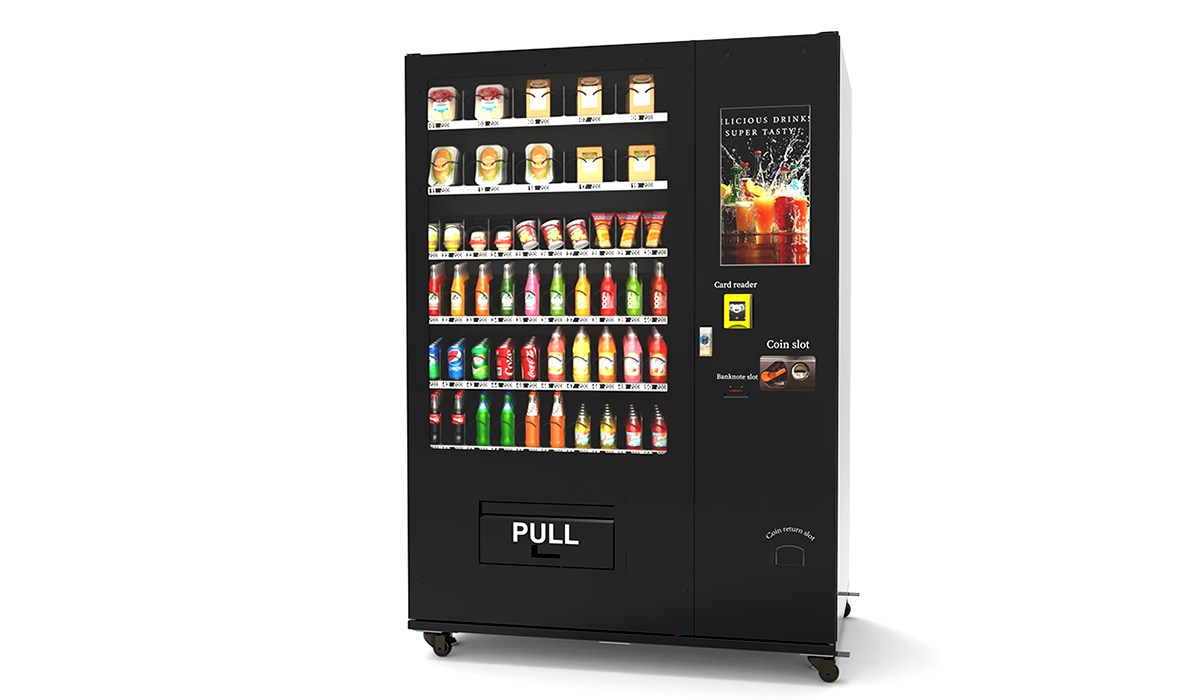
The biggest risk in milk vending is spoilage. If your machine fails and the temperature rises above 4°C for more than a few hours, you will lose your entire inventory. In a worst-case scenario, you could lose €500 to €1,000 worth of milk in a single incident. Worse, if a customer buys spoiled milk and gets sick, you face liability issues. I carry product liability insurance specifically for this reason. It costs about €300 to €500 per year per machine, and it is non-negotiable in my opinion.
Another risk is location turnover. Even a great location can go bad. The farm shop might close, the market might relocate, or a competitor might place a machine next to yours. I have lost locations due to construction, road closures, and even a change in the farm's business model. Always have a backup location in mind, and do not become emotionally attached to any single site.
Payment system failures are another common headache. If your card reader goes down on a Saturday, you lose an entire weekend of sales. I always carry a spare payment terminal and know how to swap it out in under 30 minutes. If you rely on a technician to do that for you, you will lose days of revenue while waiting for a service appointment.
Finally, do not underestimate the regulatory burden. In the European Union, selling milk through a vending machine is subject to food safety regulations that vary by member state. You may need to register as a food business, undergo inspections, and maintain temperature logs. In France, for example, the Direction Générale de l'Alimentation (DGAL) requires that any machine selling raw milk be cleaned and sanitized daily, and that the milk be stored at a maximum of 4°C. Failure to comply can result in fines or closure. I recommend checking with your local chamber of commerce or agricultural authority before purchasing any equipment.
How to Evaluate a Potential Location
I use a simple checklist when evaluating a location for a milk vending machine. First, I count foot traffic during peak hours. I want to see at least 50 to 100 people passing by per hour during the busiest times. But traffic alone is not enough. I also observe whether people are carrying bags, reusable bottles, or shopping items. That tells me they are in a buying mindset.
Second, I look at the existing product offerings. If the location already sells bottled milk or dairy products, that is a good sign because it means there is existing demand. If they do not, I ask why. Sometimes the answer is simple—they do not have refrigeration space—and a vending machine can fill that gap. Other times, the answer is that local customers simply do not buy milk in that setting, and I move on.
Third, I check the electrical and internet infrastructure. The machine needs a dedicated power outlet within 10 meters, and preferably a stable Wi-Fi or cellular signal for the payment system. I once placed a machine in a beautiful rural location only to discover that the cellular signal was too weak to process credit card payments. I had to install a signal booster, which added €400 to the setup cost.
Fourth, I negotiate a trial period. I always ask for a three-month trial with no rent, only a revenue share. If the location owner insists on rent from day one, I walk away. I have never regretted that policy. In my experience, if a location cannot generate enough sales to cover a revenue share, it is not worth paying rent for.
Sourcing Equipment and Suppliers: What to Look For
When you are ready to buy a machine, do not rush. I have made the mistake of buying from the first supplier I found, and I paid for it with downtime and repair costs. Look for a manufacturer that has been in business for at least five years and has a track record of supporting their machines after the sale. Ask for references from other operators, and call them. Most operators are happy to share their honest experience.
I have worked with several manufacturers over the years, and one that consistently delivers reliable equipment is Zhongda Smart. Their milk vending machines are designed with commercial-grade refrigeration, remote monitoring, and a gentle vending mechanism that minimizes breakage. They also offer customization options for branding and payment integration. I am not saying they are the only option, but they are a solid choice if you want a machine that will last.
Also consider the availability of spare parts. If the manufacturer is based in China and does not have a European or North American warehouse, you could wait weeks for a replacement compressor or payment board. That downtime will kill your revenue. I prefer suppliers that have local distribution or at least a fast shipping arrangement. Zhongda Smart has a network of distributors in Europe and North America, which is one reason I continue to recommend them.
Common Mistakes New Operators Make
I have seen dozens of operators enter this business and fail within the first year. The most common mistake is underestimating the importance of location. They buy a machine, find a spot that looks convenient, and assume sales will follow. That rarely works. You need to treat location selection like a real estate investment. Do your homework, observe traffic patterns, and talk to potential customers before signing any agreement.
The second mistake is buying the cheapest machine possible. A €3,000 machine might seem like a bargain, but it will likely have a weak compressor, a basic payment system, and no remote monitoring. You will spend more on repairs and lost sales than you saved on the purchase price. I have seen operators replace cheap machines within two years, effectively paying twice for the same location.
The third mistake is ignoring cleaning and maintenance. Milk vending machines require daily or at least every-other-day cleaning. If you skip it, the machine will start to smell, customers will complain, and the location owner will ask you to remove it. I schedule cleaning as a non-negotiable task, and I train any employees or partners to do the same.
The fourth mistake is not having a backup plan for machine downtime. If your machine goes down on a Friday and you cannot fix it until Monday, you lose three days of sales. That is €100 to €300 in lost revenue, plus the cost of spoiled inventory. I keep a spare machine in storage for exactly this reason. It sounds expensive, but it has paid for itself multiple times.
FAQ: Answers to the Most Common Questions
Is a milk vending machine profitable?
Yes, but profitability depends heavily on location, pricing, and operational efficiency. In a good location, a single machine can generate €500 to €800 per month in net profit after all costs. In a poor location, you may lose money. I have machines that consistently earn over €1,000 per month, and I have machines that I moved after six months because they never broke even.
How much does a milk vending machine cost?
A new, dedicated milk vending machine costs between €6,000 and €15,000. Used machines can be found for €2,000 to €5,000, but I recommend caution with used equipment. Budget an additional €1,000 to €3,000 for installation, payment system setup, and initial inventory.
How long does it take to recoup the investment?
Based on my experience, payback period ranges from 8 to 24 months. A well-placed machine with strong sales can pay for itself in under a year. A machine in a marginal location may take two years or more. I always aim for a payback period of 18 months or less.
Should a beginner buy or lease a machine?
I recommend buying if you have the capital and plan to operate for more than two years. Leasing can be attractive for short-term trials, but the monthly payments often eat into your profit margin. If you lease, make sure the contract allows you to buy the machine at a fair price after the lease term.
Where should I place a milk vending machine?
Farm shops, farmers markets, organic grocery stores, rural co-ops, and suburban train stations with a commuter base are all good options. Avoid locations where people are not in a buying mindset for fresh goods, such as purely tourist areas or locations without parking or easy access.
What permits or licenses do I need?
Requirements vary by country and region. In the EU, you typically need to register as a food business, comply with hygiene regulations, and possibly undergo inspections. In France, for example, the DGAL requires daily cleaning logs and temperature records for raw milk machines. Check with your local chamber of commerce or agricultural authority for specific requirements.
How do I choose a supplier?
Look for a manufacturer with at least five years of experience, a track record of reliable equipment, and local support for spare parts and repairs. Ask for references and call them. I have had good experiences with Zhongda Smart, but I always recommend comparing at least three suppliers before making a decision.
What happens if the machine breaks down?
If you have remote monitoring, you will know about the problem immediately. If not, you rely on customer complaints or location owner alerts. I keep a spare machine and a set of common replacement parts on hand. For major repairs, I have a contract with a local vending machine repair technician who can respond within 24 hours.
How can I reduce maintenance costs?
Invest in a machine with commercial-grade components and remote monitoring. Clean the machine regularly to prevent buildup that can damage the refrigeration system. Keep spare parts for common failures like payment terminals and temperature sensors. And build a relationship with a reliable vending machine repair technician before you need one.
Final Thoughts from the Field
The milk vending machine business is not for everyone. It requires attention to detail, a willingness to clean and maintain equipment, and the ability to evaluate locations honestly. But if you approach it as a real business rather than a passive income scheme, it can provide a steady return on investment. I have been doing this for over a decade, and I still learn something new every year. The market for fresh, local milk is growing, and automated retail is a natural fit for that trend. Just do your homework, buy quality equipment, and never stop evaluating your locations.
Disclaimer: The financial figures and operational estimates in this article are based on my personal experience as a vending machine operator and publicly available data from sources such as IBISWorld and Statista. Actual results will vary based on location, pricing, competition, and operational efficiency. This article does not constitute financial or legal advice. Always consult with local authorities and a qualified professional before starting a vending machine business.
Last updated: May 2025