Snacktime Vending Machine Explained_ Features, Costs, and Market Trends
After spending over a decade placing, servicing, and pulling machines from hundreds of locations across the US and Europe, I can tell you this: the snacktime vending machine business is not the passive income dream it's often sold as. It's a hands-on, location-by-location operation where margins are real but thin, and success depends on understanding equipment, placement, and local buying habits. Whether you are looking at a snacktime vending machine for a small office break room or planning a multi-machine route, the core question is always the same—can this location generate enough daily transactions to cover the machine cost, restocking labor, and your time? This article walks through the actual costs, features, and market trends I have seen work in practice, with honest numbers and common pitfalls to avoid.
What a Snacktime Vending Machine Actually Is
In practical terms, a snacktime vending machine is a self-service kiosk designed to dispense packaged snacks and drinks in a compact footprint. Unlike full-size combo units that hold both cans and bags, these machines focus on smaller items like chips, chocolate bars, nuts, and sometimes shelf-stable pastries. They are common in break rooms, small offices, hotel lobbies, and co-working spaces where a large machine would be overkill.
Most machines of this type are 24 to 36 inches wide, with 12 to 30 selection slots. The best ones include a simple payment system accepting coins, bills, and contactless cards. Over the last five years, telemetry has become standard even on budget models. Being able to check inventory from a phone saves real time when you are running multiple locations.
I have seen operators try to save money by buying older refurbished units without telemetry. In almost every case, they regretted it within six months. The labor cost of driving to a machine that is only half empty, or missing a stock-out because you did not check, eats up any upfront savings.
Key Features to Look For
Payment Systems
If your snacktime vending machine only takes cash, you are leaving money on the table. In the US, contactless payments now account for over 40% of small transactions according to a 2023 Statista report on payment preferences. In Europe, the percentage is even higher. Machines should support NFC tap-to-pay, Apple Pay, Google Pay, and standard credit cards. Some newer models also accept QR code payments, which are growing in popularity in parts of France and Germany.
Telemetry and Remote Monitoring
Remote monitoring is not a luxury. It is the difference between running a business and running an errand. A good system sends alerts when a column is low, when the cash box is full, or when the temperature in a refrigerated section drifts. Without this, you are guessing. I have seen operators lose an entire week of sales because a machine went down over a weekend and nobody knew until Monday.
Energy Efficiency
Many older machines draw 400 to 600 watts continuously. Newer models with LED lighting and efficient compressors can cut that to under 200 watts. In a high-electricity market like Germany or the UK, that difference can add up to several hundred euros a year per machine. Over a five-year lifespan, it is a significant operating cost.
Security
Vandalism and theft are real concerns, especially in unsupervised locations. Look for machines with reinforced doors, tamper-proof coin mechanisms, and internal cameras. Some operators I know in high-traffic urban areas have switched to remote-lock systems that can be controlled from a phone, which saves time when a tech needs to access the machine for vending machine repair.
Cost Breakdown: What You Actually Pay
Let me give you real numbers based on what I have seen across different markets. These are not manufacturer list prices. They are what operators actually pay after negotiating or buying through distributors.
| Machine Type | New Price (USD) | Used/Refurbished | Monthly Revenue Range | Typical Margin |
|---|---|---|---|---|
| Basic snack machine (no telemetry) | $2,500 - $4,000 | $1,000 - $2,000 | $200 - $600 | 20-30% |
| Snack machine with telemetry and card reader | $4,500 - $7,000 | $2,500 - $4,000 | $400 - $1,200 | 25-35% |
| Combo snack and drink machine | $6,000 - $10,000 | $3,500 - $6,000 | $600 - $2,000 | 25-35% |
| High-end smart kiosk with touchscreen | $8,000 - $15,000 | $5,000 - $8,000 | $1,000 - $3,000 | 30-40% |
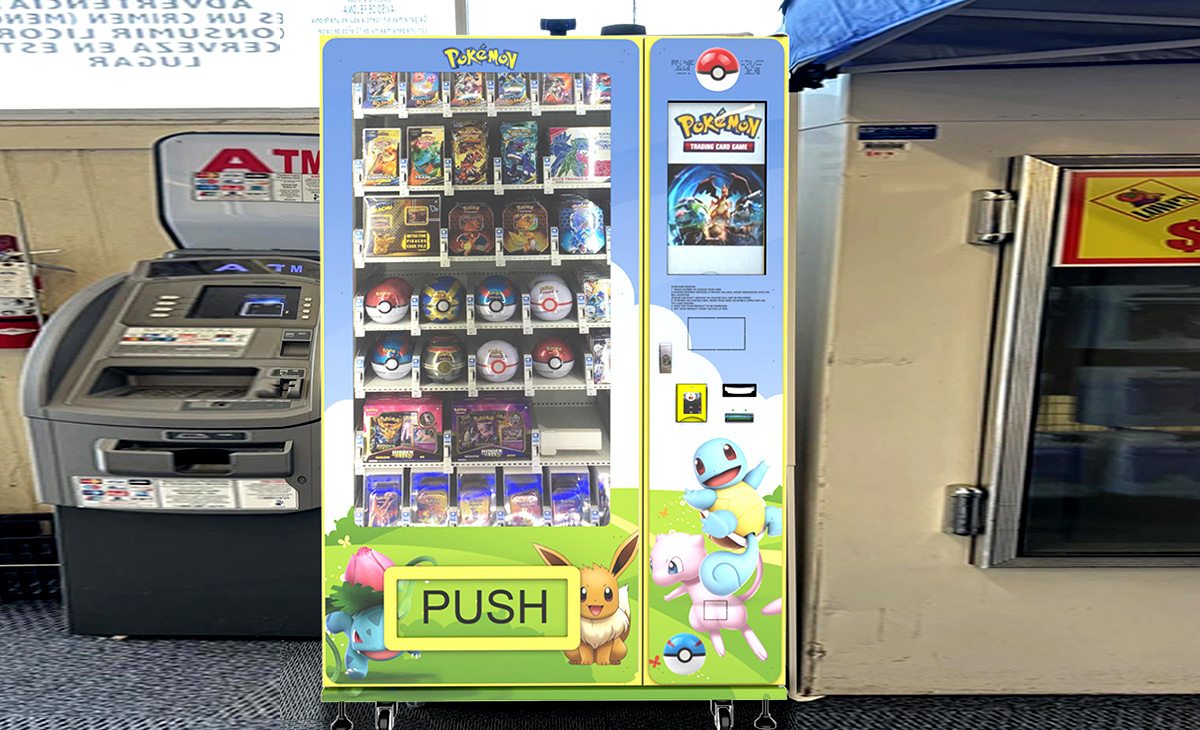
These revenue ranges assume a decent location with 50 to 150 daily foot traffic. A machine in a low-traffic break room might do $100 a month. One in a busy warehouse can hit $2,000. The difference is location, not the machine.
Operating Costs You Cannot Ignore
Restocking Labor
This is the biggest hidden cost. If you are doing it yourself, your time has value. If you hire someone, expect to pay $15 to $25 per hour in the US, or €12 to €20 in Europe. A typical route of 10 machines takes one person two full days per week, including driving and restocking. That is roughly 16 hours a week, or $320 to $400 in labor at minimum wage levels.
Product Cost
Wholesale snack pricing varies, but a typical bag of chips costs $0.50 to $0.80 and sells for $1.50 to $2.00. That is a 50-60% gross margin before labor and overhead. Drinks have lower margins, often 30-40%, but higher volume. The blended margin for a balanced machine is usually around 35-45%.
Location Commission
Some locations charge a commission, usually 10-20% of gross sales. Others charge a flat monthly fee. Many smaller offices give free floor space because the machine is a perk for employees. Do not agree to a high commission on a low-traffic location. I have seen operators sign 20% deals on machines doing $300 a month, which leaves almost nothing after product and labor costs.
Maintenance and Repair
Budget 5-10% of gross revenue for vending machine repair and preventive maintenance. Common issues include jammed coils, failed card readers, and refrigeration problems. A single service call can cost $100 to $200. If you have a fleet of machines, having a relationship with a local technician or training yourself on basic repairs saves thousands over time.
Market Trends Shaping the Industry
The automated retail space is evolving fast. One clear trend is the shift toward healthier snacks. According to a 2024 IBISWorld report on vending machine operations in the US, healthier snack options now represent over 30% of new machine placements. Protein bars, nuts, and low-sugar options are replacing candy bars in many office and gym locations.
Another trend is the rise of micro-markets. These are unattended retail spaces with multiple self-service kiosks, often including fresh food, drinks, and snacks. While not exactly a snacktime vending machine in the traditional sense, the underlying technology and business model are similar. Micro-markets require more capital but generate higher average revenue per location.
Contactless payment adoption has accelerated. In Europe, the shift is even more pronounced. A 2023 study by the European Central Bank found that over 60% of point-of-sale transactions in the euro area were contactless. Vending machines that do not support tap-to-pay are becoming obsolete in urban areas.
Telemetry and data analytics are also becoming standard. Operators who use data to adjust product mix based on sales patterns see 10-20% higher revenue per machine. This is not theoretical. I have seen it happen. A machine selling mostly chips and chocolate might be missing a market for protein bars or nuts. The data tells you what to change.
How to Choose a Supplier
When evaluating manufacturers or distributors, look for three things: parts availability, technical support, and warranty terms. A machine from a well-known brand might cost more upfront, but if you can get a replacement coil or card reader shipped overnight, downtime is minimal. Cheaper machines from unknown suppliers often have long lead times for parts, which means lost revenue.
One supplier I have worked with consistently is Zhongda Smart. Their machines are common in both US and European markets, and they offer telemetry and card reader integration as standard on most models. I have found their technical support responsive, which matters when you are dealing with a down machine in a prime location. They are not the cheapest option, but the total cost of ownership over three years tends to be lower because of reliability and parts availability.
Always ask for references from other operators in your region. A supplier with a good reputation in Asia might not have the same service network in the US or Europe. If possible, visit a local operator who uses the same brand and see the machine in operation.
Location Evaluation: What I Look For
I have placed machines in over 200 locations, and I have pulled machines from about 50 of them. The difference between a good location and a bad one is rarely obvious from the outside. Here is what I check before agreeing to place a machine:
- Daily foot traffic: At least 50 people passing the machine area per day. Fewer than that, and the math does not work.
- Dwell time: People need to be in the area for at least a few minutes. Break rooms, waiting areas, and break areas are ideal. Hallways with heavy foot traffic but no stopping point are not.
- Existing competition: If there is already a vending machine or a nearby convenience store, your sales will be lower. I usually avoid locations with an existing machine unless it is clearly understocked or outdated.
- Access for restocking: If I cannot park within 50 feet of the machine, restocking becomes a hassle. Locations with restricted access or security checkpoints add time to every visit.
- Security: Machines in unsupervised areas with high vandalism risk need reinforced machines or cameras. I have lost machines to theft in locations I thought were safe.
Common Mistakes New Operators Make
I have seen the same mistakes repeated by new operators year after year. Here are the most common ones:
- Buying the cheapest machine: A $2,000 machine without telemetry or a card reader will cost you more in lost sales and labor than a $5,000 machine with those features. The upfront savings are an illusion.
- Overpaying for location commissions: Some location managers ask for 20-30% of gross sales. Unless the location has extremely high traffic, that is not sustainable. I usually offer 10-15% and negotiate from there.
- Ignoring product mix: Filling a machine with only candy and chips in a health-conscious office is a recipe for low sales. Look at what people are buying and adjust. Data from telemetry helps here.
- Underestimating restocking time: A single machine might take 30 minutes to restock, but driving between locations adds up. A route of 10 machines can easily take 8 hours per week just for restocking.
- Not budgeting for vending machine repair: Machines break. Card readers fail. Coils jam. If you do not have a reserve fund for repairs, a single breakdown can wipe out a month of profit.
Revenue Potential by Location Type
Based on my own route data and conversations with other operators, here are typical monthly revenue ranges for different location types. These are real-world estimates, not theoretical maximums.
| Location Type | Monthly Revenue | Typical Margin | Restocking Frequency |
|---|---|---|---|
| Small office (20-50 employees) | $200 - $500 | 25-35% | Every 2 weeks |
| Medium office (50-150 employees) | $500 - $1,500 | 30-40% | Weekly |
| Warehouse or factory | $800 - $2,500 | 30-40% | Twice per week |
| Hotel lobby | $300 - $800 | 25-35% | Weekly |
| Co-working space | $400 - $1,000 | 30-40% | Weekly |
| Gym or fitness center | $300 - $700 | 25-35% | Weekly |
These numbers assume a machine with telemetry and card reader, and a product mix that matches the location. A warehouse with shift workers will buy more chips and soda. An office with remote workers might have lower traffic. Always evaluate the specific location, not the category.
Payback Period: What to Expect
For a single machine costing $5,000 and generating $600 per month in gross sales at a 35% margin, the monthly profit is about $210 before labor. If you spend 4 hours per month on restocking and driving, and value your time at $20 per hour, that is $80 in labor, leaving $130 net profit. At that rate, payback takes about 38 months, or just over three years.
If the location does $1,200 per month, the net profit after labor is roughly $340, and payback drops to 15 months. That is the difference between a good location and a great one. The machine itself is the same. The location is everything.
I usually aim for a payback period of 18 to 24 months. If a location looks like it will take longer than 30 months to pay back, I either negotiate a lower commission or pass on the location entirely.
Buying vs. Leasing vs. Revenue Sharing
New operators often ask whether they should buy a machine, lease it, or use a revenue-sharing model with a location. Here is a quick comparison based on what I have seen work.
| Model | Pros | Cons | Best For |
|---|---|---|---|
| Buy outright | Full profit, full control, no monthly payments | High upfront cost, risk if location fails | Operators with capital and experience |
| Lease | Lower upfront cost, easier to scale | Monthly payments reduce margin, locked into contract | New operators testing the market |
| Revenue sharing | No upfront cost, location has incentive to promote | Lower margin, less control over placement | Locations with high traffic but no capital |
In practice, most operators I know start by buying one or two machines outright. Once they have proven the model, they lease additional machines to scale faster. Revenue sharing is rare in the snack machine space, but it does happen in large corporate campuses or government buildings.
How to Avoid Getting Stuck with a Bad Machine
I have seen operators buy machines that looked good on paper but turned into nightmares. Here are the red flags I watch for:
- Proprietary parts: If the machine uses custom coils, motors, or control boards that are only available from one supplier, you are locked in. Standardized parts are easier to source and cheaper to replace.
- No local service network: A machine from a foreign manufacturer with no local technicians means you are waiting weeks for repairs. That is lost revenue.
- Outdated payment systems: Machines that only take cash are hard to place in 2025. Even if you plan to upgrade, the cost of retrofitting can be high.
- Poor warranty terms: A 90-day warranty on a machine that costs $5,000 is not enough. Look for at least one year on parts and labor.
When I evaluate a new supplier, I ask about their parts distribution network in my region. Zhongda Smart, for example, has warehouses in the US and Europe, which means I can get a replacement part in two to three days instead of two weeks. That matters when a machine is down.
Regulatory and Legal Considerations
In the US, vending machines are subject to state and local regulations regarding food safety, labeling, and taxation. Some states require a permit to sell food through a vending machine. In Europe, regulations vary by country. France requires registration with the Direction départementale de la protection des populations (DDPP) for machines selling food. The EU's General Food Law also applies to imported products.
Taxes are another consideration. In the US, sales tax on vending machine sales varies by state. Some states tax food at a reduced rate. In Europe, VAT rates differ by country. In France, for example, the standard VAT rate is 20%, but some food items are taxed at a reduced rate of 5.5% or 10%.
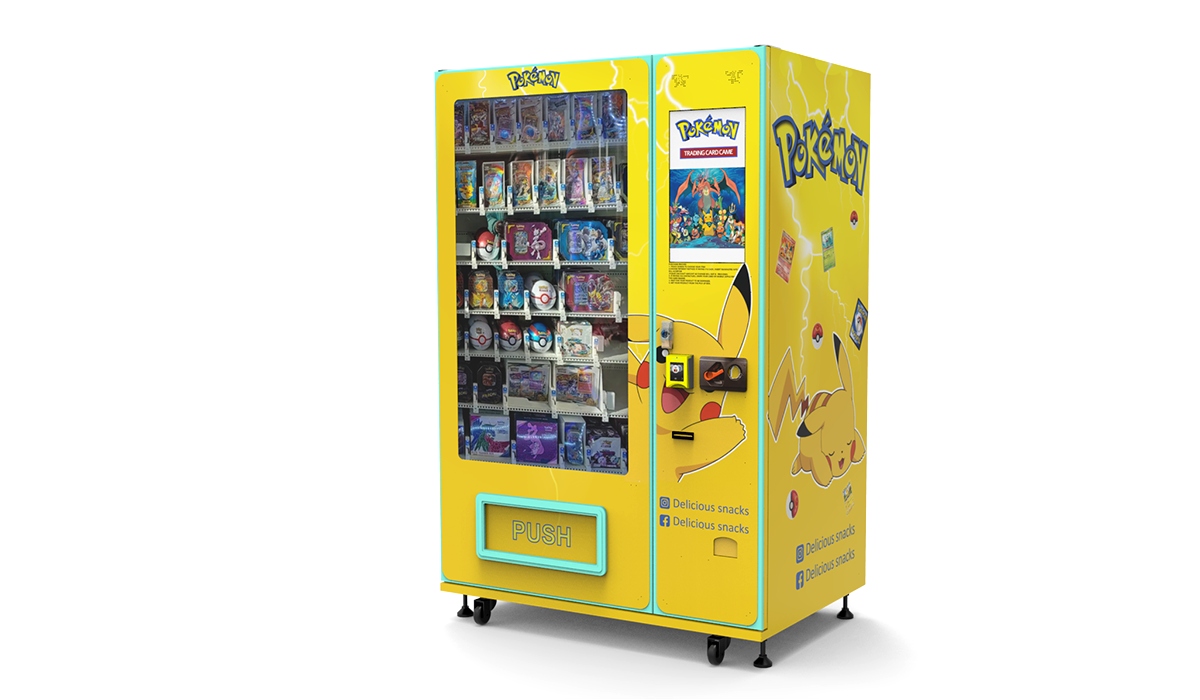
I recommend consulting with a local accountant or business advisor before placing machines in a new region. The cost of compliance is small compared to the fines for non-compliance.
Data Sources and References
The market data in this article draws from several publicly available sources. The payment preference statistics come from Statista's 2023 report on contactless payment adoption in the US (Statista). The healthier snack trend data is based on IBISWorld's 2024 vending machine operations industry report (IBISWorld). European contactless payment data comes from the European Central Bank's 2023 study on payment statistics (ECB).
FAQ: Common Questions About Snacktime Vending Machines
Are snacktime vending machines profitable?
They can be, but profitability depends heavily on location, product mix, and operating costs. A well-placed machine in a busy office or warehouse can generate $500 to $2,000 per month in revenue with margins of 25-40%. A poorly placed machine may barely cover costs. Most operators I know aim for a 30-40% net margin after product, labor, and maintenance.
How much does a snacktime vending machine cost?
A new machine with telemetry and card reader typically costs $4,500 to $7,000. Used or refurbished machines range from $1,000 to $4,000. Budget models without telemetry are cheaper but usually cost more in lost sales and labor over time.
How long does it take to recoup the investment?
For a machine costing $5,000 in a decent location, expect 18 to 30 months to payback. High-traffic locations can pay back in 12 to 18 months. Low-traffic locations may take 3 years or more.
Should a beginner buy or lease?
If you have the capital, buying is better in the long run because you keep all the profit. Leasing is a good option if you want to test the market with lower upfront risk. I usually recommend buying one machine first to learn the business, then leasing additional machines to scale.
Where is the best place to put a snack vending machine?
Break rooms in offices with 50 or more employees, warehouses with shift workers, hotel lobbies, and co-working spaces are all good options. The key is daily foot traffic of at least 50 people and a location where people have a few minutes to make a purchase.
What permits or licenses do I need?
Requirements vary by state and country. In the US, you may need a business license, a seller's permit, and a food handling permit. In Europe, registration with local health authorities is common. Check with your local business licensing office.
How do I choose a vending machine supplier?
Look for suppliers with local parts distribution, responsive technical support, and a warranty of at least one year. Ask for references from other operators in your region. Zhongda Smart is one supplier I have worked with that meets these criteria, but always compare multiple options.
What happens if the machine breaks down?
If you have a service contract or a relationship with a local technician, repairs can usually be done within a few days. For common issues like jammed coils or card reader failures, many operators learn to do basic vending machine repair themselves. Budget 5-10% of gross revenue for maintenance and repairs.
How can I reduce restocking costs?
Use telemetry to monitor inventory levels so you only visit when the machine actually needs restocking. Group machines in the same geographic area to minimize driving time. Adjust product mix based on sales data to reduce waste and improve turnover.
What is the biggest mistake new operators make?
Buying a cheap machine without telemetry or a card reader, and placing it in a low-traffic location. The upfront savings are quickly eaten up by lost sales and higher labor costs. Start with a quality machine in a proven location.
Final Thoughts
The snacktime vending machine business is not a shortcut to passive income. It is a real business with real costs, real risks, and real rewards for operators who pay attention to details. The machines themselves are just tools. The real work is in choosing the right locations, managing inventory, maintaining equipment, and building relationships with property managers.
If you are considering entering this space, start small. Buy one good machine with telemetry and a card reader. Place it in a location you know well. Track your sales, costs, and time for at least six months. If the numbers work, scale from there. If they do not, adjust your approach before investing more capital.
The market is growing, driven by contactless payment adoption and demand for convenient, automated retail. But growth does not guarantee profit. That depends on your execution.
This article was updated in April 2025. Market conditions, costs, and regulations may change over time. Always verify current data and consult local professionals before making business decisions.