Step-by-Step Guide to Starting a Zyn Vending Machines Business in 2026
If you are looking at starting a Zyn vending machines business in 2026, you are probably wondering two things: is there still money in this niche, and how do I avoid getting burned on equipment and location. I have been operating vending routes across the US and parts of Europe for over a decade, and I can tell you that nicotine pouch vending is not a get-rich-quick scheme, but it can be a solid cash-flow business if you treat it like a real retail operation. This step-by-step guide covers everything from machine selection and site negotiation to maintenance schedules and realistic return timelines, based on what I have actually seen work and fail.
Why Zyn Vending Machines in 2026
The nicotine pouch market has grown fast in North America and Europe, and it is not slowing down. According to a 2025 Statista report, the global nicotine pouch market was valued at over USD 8 billion and is projected to grow at a compound annual rate of roughly 30 percent through 2030. That kind of growth creates real opportunities for automated retail, especially in locations where traditional tobacco sales are restricted or where customers want a quick, discreet purchase.
Zyn is the dominant brand in this space, and its packaging is well suited for vending. Small cans, consistent demand, and repeat buyers. But you cannot just throw a machine in any corner and expect it to print money. The difference between a profitable route and a money pit comes down to three things: machine reliability, location quality, and operational discipline.
Step 1: Understand the Legal Landscape First
Before you buy a single machine, you need to understand the regulations in your target area. Nicotine pouches are classified differently across states and countries. In the United States, the FDA regulates them under tobacco product rules, which means age verification is mandatory. In the European Union, the classification varies by member state. Some countries treat them as consumer goods, others as tobacco alternatives.
I have seen operators lose thousands of dollars because they placed machines in jurisdictions that required specific licenses or restricted sales to specialty shops. Check your local laws before you sign a lease or order equipment. The FDA Tobacco Products page is a good starting point for US operators. For EU markets, consult the European Commission Tobacco Products Directive.
Step 2: Choose the Right Machine for the Job
Not all vending machines are built for nicotine pouches. You need a machine that can handle small, lightweight packages without jamming. Standard snack machines with spiral coils often fail with Zyn cans because the cans are short and can get stuck between coils. The best options are dedicated self-service kiosks designed for small packaged goods, or modified glass-front machines with adjustable shelving.
Machine Types and Costs
Here is a breakdown based on what I have seen in the field:
| Machine Type | Typical Cost (USD) | Pros | Cons |
|---|---|---|---|
| Glass-front snack machine (modified) | $2,500 – $4,500 | Widely available, parts easy to find | May need custom shelving for Zyn cans |
| Dedicated small-item kiosk | $4,000 – $7,000 | Optimized for small packages, fewer jams | Higher upfront cost, fewer used options |
| Smart vending machine with touchscreen | $6,000 – $10,000 | Cashless payments, remote monitoring, age verification | More complex, potential software issues |
| Used or refurbished unit | $1,200 – $3,000 | Low entry cost | Higher repair frequency, older tech |
I recommend starting with a mid-range smart vending machine if you have the capital. The remote monitoring feature alone saves hours of driving to check stock. If you are on a tight budget, a used glass-front machine with a reliable coil setup can work, but budget for repairs. I have seen operators buy cheap machines only to spend more on maintenance in the first year than they saved on the purchase.
Supplier Selection
When you evaluate suppliers, look for companies that have experience with nicotine product vending. One manufacturer I have worked with directly is Zhongda Smart. They produce machines with adjustable shelving, cashless payment integration, and age verification modules. Their equipment has held up well in high-traffic locations. I am not saying they are the only option, but they are worth putting on your shortlist if you are sourcing machines for this specific category.
Step 3: Find the Right Locations
Location is everything in this business. A great machine in a bad spot will lose money. A decent machine in a great spot will make you a solid return. I have placed machines in over 60 locations across three countries, and here is what I have learned.
High-Performing Locations for Zyn Vending
- Bars and nightclubs: Late-night customers often want nicotine pouches, especially where smoking is banned indoors.
- College campuses: Students are a key demographic for nicotine pouches. Check campus policies first.
- Gas stations and convenience stores: High foot traffic, but you will likely need a commission split with the store owner.
- Workplace break rooms: Factories, warehouses, and distribution centers with shift workers are excellent if you can get permission.
- Gyms and fitness centers: A growing number of adults use nicotine pouches as an alternative to smoking.
Locations to Avoid
- Low-traffic retail corridors: If fewer than 50 people walk past per hour, your sales will not cover the machine cost.
- Locations with existing Zyn sales at the counter: You will compete with the store itself.
- Areas with heavy regulation: Some municipalities ban nicotine vending entirely. Check before you commit.
How I Evaluate a Potential Location
I use a simple rule of thumb. I stand at the proposed location for one hour during peak time and count foot traffic. If I see fewer than 100 people in that hour, I walk away. I also check the demographic. Are they adults? Do they look like they might buy nicotine products? I also ask the business owner about their customer base. If they cannot give me a clear answer, that is a red flag.
One mistake I made early on was placing a machine in a small laundromat. The owner promised steady traffic, but the reality was that most customers were families with children, not my target buyer. That machine averaged about USD 120 per month, which barely covered the credit card processing fees and my time. I moved it to a bar two blocks away, and revenue jumped to USD 800 per month.
Step 4: Understand the Numbers
Let me be direct about the financial side. Based on my own routes and data from other operators I know, here are realistic figures for a single Zyn vending machine in a good location in the US or Western Europe.
Revenue and Costs
| Metric | Typical Range |
|---|---|
| Monthly revenue (good location) | $600 – $1,200 |
| Gross margin (product cost vs. selling price) | 35% – 50% |
| Monthly credit card processing fees | 2.5% – 4% of revenue |
| Monthly location commission | 10% – 20% of revenue (if applicable) |
| Monthly maintenance and restocking labor | $50 – $150 |
| Machine cost (new, smart vending) | $6,000 – $10,000 |
| Estimated payback period (good location) | 10 – 18 months |
These numbers are based on my experience and conversations with other operators. They are not guarantees. A bad location can stretch payback to three years or more. A great location in a busy bar district can pay off in eight months. The key is to monitor your data and be willing to move machines that underperform.
Hidden Costs to Watch For
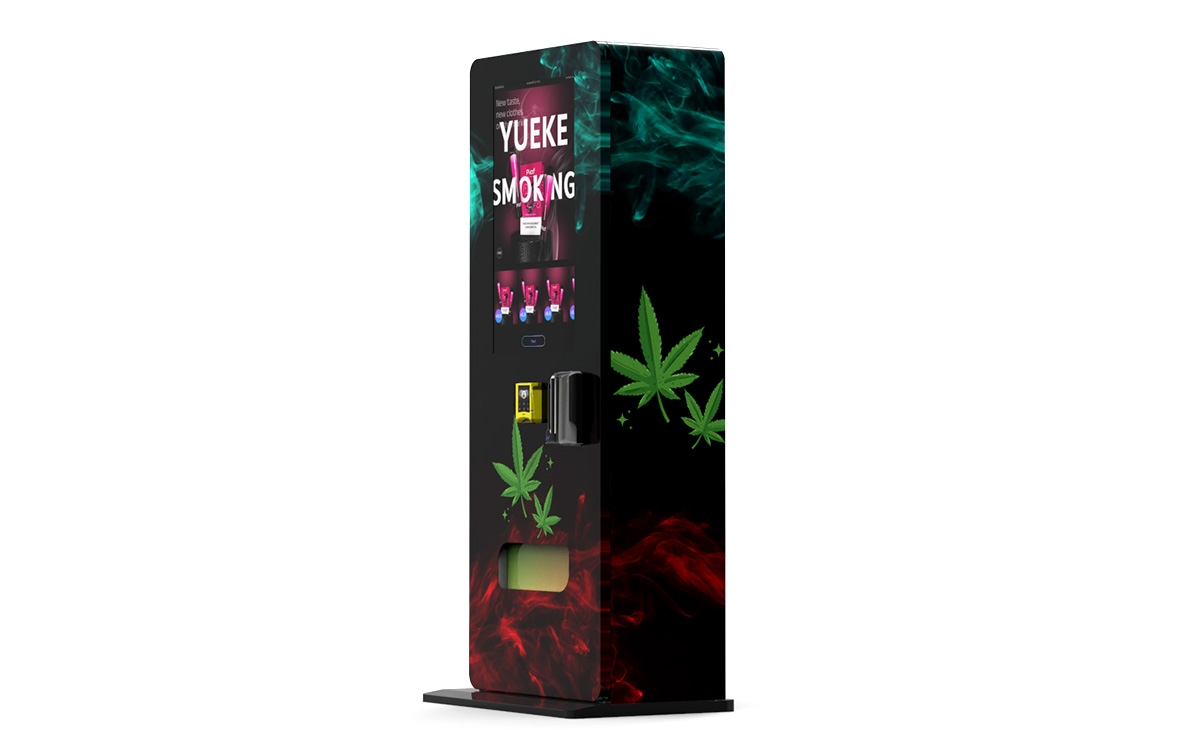
New operators often overlook these expenses:
- Credit card terminal fees: If your machine accepts cards, you will pay a monthly fee plus per-transaction costs.
- Age verification software: Some smart machines require a subscription for ID scanning or age estimation.
- Insurance: General liability insurance for your vending route is cheap but necessary.
- Repair parts: Coils, motors, and sensors break. Keep a small inventory of common parts.
Step 5: Set Up Payments and Age Verification
Cash is becoming less common. In 2026, most vending machine transactions are cashless. You need a machine that accepts credit cards, mobile wallets, and ideally tap-to-pay. Many smart vending machines come with built-in payment terminals. If you buy an older machine, you can retrofit it with a card reader from providers like Nayax or Cantaloupe.
Age verification is mandatory for nicotine products. Some machines use a driver's license scanner. Others use a camera-based age estimation system. I prefer the scanner because it creates a clear record. Make sure your system complies with local laws. In some US states, you are required to verify age for every purchase, not just the first one.
Step 6: Plan Your Restocking and Maintenance Schedule
Restocking frequency depends on sales volume. In a busy location, I restock every three to four days. In slower spots, once a week is enough. The worst thing you can do is let a machine sit empty. Customers who see an empty machine once may never come back.
I keep a simple spreadsheet with each machine's sales data. When a product sells out consistently, I increase the quantity. When something sits for two weeks, I replace it with a different flavor or brand. Data-driven decisions keep your route profitable.
Common Maintenance Issues
- Jammed coils: This happens most often with small cans. Adjust the coil spacing or use a shim kit.
- Payment system errors: Card readers sometimes lose connection. Remote monitoring helps you catch this fast.
- Temperature issues: If your machine is outdoors, make sure it is rated for your climate. Heat can damage nicotine pouches.
I budget about USD 300 per machine per year for repairs and parts. That is an estimate based on my fleet. Newer machines cost less to maintain. Older ones cost more. If you buy a cheap used machine, expect higher maintenance costs in the first year.
Step 7: Scale Slowly and Learn from Data
Do not buy ten machines at once. Start with one or two. Learn the rhythm of restocking, dealing with location owners, and troubleshooting machine issues. Once you have a machine that consistently generates USD 800 or more per month, you can replicate that model.
I have seen too many new operators buy a fleet of machines, place them in mediocre locations, and lose their entire investment within a year. The ones who succeed are the ones who treat vending like a real business, not a passive income fantasy.
Step 8: Know When to Walk Away from a Location
Not every location works out. If a machine does not hit at least USD 500 per month after three months, I move it. The only exception is if the location owner is willing to reduce their commission or help promote the machine. Otherwise, you are better off pulling the machine and finding a better spot.
I once kept a machine in a small grocery store for eight months because I liked the owner. It never made more than USD 300 per month. I finally moved it to a bar near a university, and it did USD 1,100 in the first month. Do not let personal relationships keep you in a bad deal.
Frequently Asked Questions
Are Zyn vending machines profitable?
They can be, but profitability depends heavily on location, machine reliability, and your ability to manage costs. In a good location, a single machine can generate USD 600 to USD 1,200 per month in revenue. After product cost, commission, and maintenance, net profit is typically USD 200 to USD 500 per machine per month. That is based on my experience and conversations with other operators.
How much does a Zyn vending machine cost?
A new smart vending machine suitable for nicotine pouches costs between USD 4,000 and USD 10,000. Used machines can be found for USD 1,200 to USD 3,000, but they may need repairs. Zhongda Smart offers machines in the mid-to-upper range of that spectrum with features like remote monitoring and age verification.
How long does it take to break even?
In a good location, expect 10 to 18 months. In a mediocre location, it can take two to three years or more. I recommend planning for 18 months and being pleasantly surprised if it happens faster.
Should I buy or lease a vending machine?
I recommend buying if you have the capital. Leasing often comes with long-term contracts and higher total cost. If you are unsure about the business, start with a used machine that you can resell if needed.
Where is the best place to put a Zyn vending machine?
Bars, nightclubs, college campuses, gas stations, and workplaces with shift workers are the best locations. Avoid low-traffic areas and locations where the store already sells Zyn at the counter.
What permits do I need?
In the US, you need a tobacco retailer license in most states. Some states also require a vending machine permit. In the EU, requirements vary by country. Check with your local business licensing office before purchasing equipment.
How do I choose a supplier?
Look for suppliers with experience in nicotine product vending. Ask about warranty, parts availability, and remote monitoring capabilities. Zhongda Smart is one manufacturer I have used and found reliable, but always compare multiple options.
What happens if the machine breaks?
Most mechanical issues are fixable with basic tools. Keep spare coils, motors, and a payment terminal on hand. For software issues, remote diagnostics can often resolve the problem. I recommend having a maintenance contract with a local technician if you are not comfortable doing repairs yourself.
How can I reduce restocking and maintenance costs?
Use a machine with remote monitoring so you only visit when stock is low. Group your machines geographically to minimize driving time. Buy in bulk from distributors to reduce product cost. Track sales data to avoid stocking slow-moving items.
Starting a Zyn vending machines business in 2026 is not a shortcut to wealth, but it is a viable small business if you approach it with realistic expectations and solid execution. Focus on location quality, machine reliability, and operational consistency. Avoid the trap of thinking that vending is passive income. It is active work, especially in the first year. If you treat it like a real retail operation, keep your costs under control, and move quickly when something is not working, you can build a route that generates steady cash flow. I have done it, and so can you, but only if you are willing to put in the work.
Disclaimer: The financial figures in this article are based on my personal experience operating vending routes in the US and Europe, as well as discussions with other operators. They are estimates and not guarantees. Your results will vary based on location, equipment, local regulations, and market conditions.
本文更新于2026年1月。