Step-by-Step Guide to Starting a Vending Machines Philadelphia Business in 2026
If you are serious about starting a vending machines Philadelphia business in 2026, the first thing you need to understand is that this is not a passive income fantasy. It is a logistics and retail operation that requires discipline, good location scouting, and a clear understanding of your margins. Over the past decade, I have placed hundreds of units across the Northeast corridor, and I have seen what works and what quietly drains your bank account. The key is not the machine itself; it is the intersection of foot traffic, product mix, and operational consistency. In this guide, I will walk you through exactly how to evaluate a location, choose the right equipment, manage replenishment, and calculate your return on investment so you can enter the Philadelphia market with your eyes wide open.
Why Philadelphia in 2026? Understanding the Local Market
Philadelphia is a unique city for automated retail. It has dense foot traffic in Center City, high commuter volume at transit hubs, and a growing number of 24-hour businesses in areas like University City and Fishtown. The city’s mix of office workers, students, and healthcare professionals creates consistent demand for snacks, drinks, and convenience items. However, the market is also competitive. You cannot just place a machine and hope for the best.
According to a 2024 report from IBISWorld, the vending machine industry in the United States generates over $8 billion annually, with a steady growth rate of about 2.5% per year. Philadelphia, as a major metropolitan area, accounts for a significant share of that revenue. But the real opportunity lies in underserved locations: small medical offices, auto repair shops, and manufacturing facilities that lack a break room. These spots often have no existing vending service, which means less competition and higher loyalty from customers.
Before you buy a single machine, spend a week walking the streets of Philadelphia. Look at existing vending machines. Note their condition, the brands they carry, and whether they are busy or neglected. This simple reconnaissance will tell you more than any online course ever could.
Step 1: Evaluating a Location – What I Look For
Location is everything. I have seen operators place a brand-new machine in a high-traffic area and fail because the demographic did not match the product. Conversely, I have seen a beat-up machine in a warehouse generate $1,500 per month because the workers needed cold drinks and had no alternatives nearby.
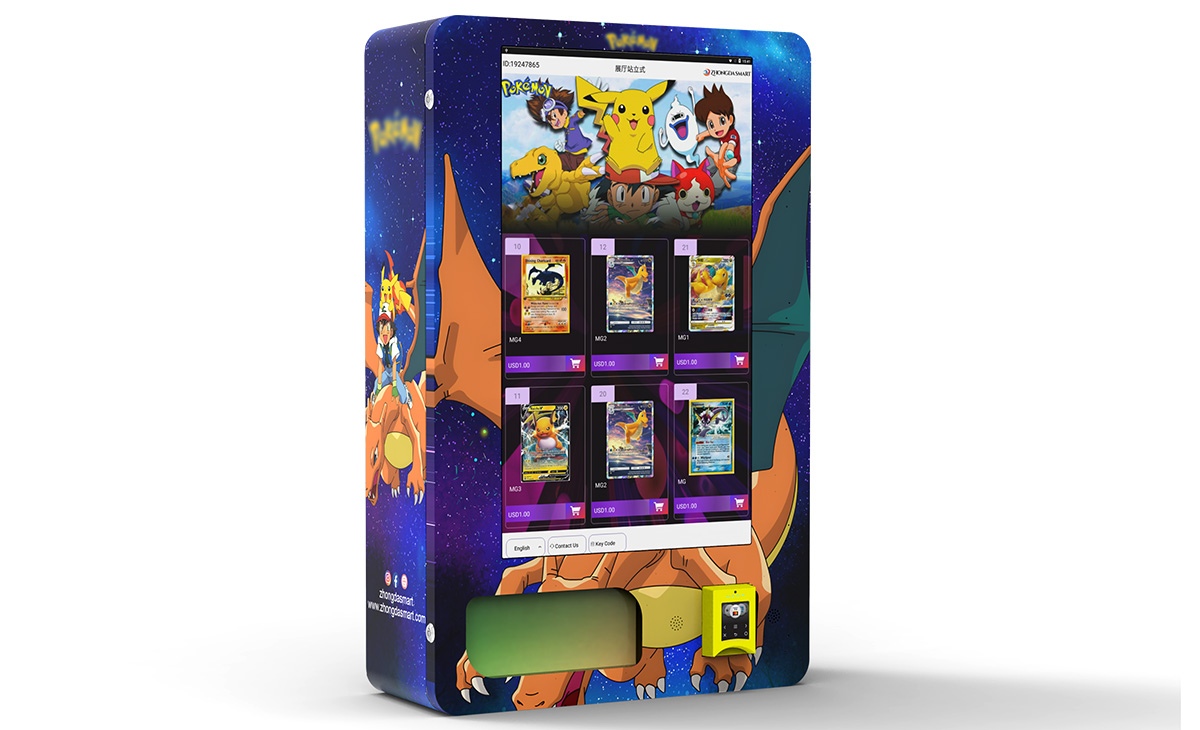
I use a simple checklist before I commit to any spot:
- Daily foot traffic: I want at least 100 potential customers passing by or working within 50 feet of the machine. For office buildings, that means at least 50 employees who do not have easy access to a cafeteria.
- Operating hours: A location open 24 hours is ideal, but even 12-hour shifts can work if the volume is high enough.
- Existing competition: If there is already a well-maintained machine within 100 feet, I walk away unless I can offer a significantly better product or price.
- Accessibility: Can I park a car within 50 feet for restocking? If I have to carry cases of drinks up three flights of stairs, the labor cost eats into my margin.
- Security: Machines in poorly lit or isolated areas get vandalized. I avoid spots where the machine is not visible from a main road or security camera.
One of the most common mistakes I see new operators make is signing a five-year lease for a location before testing the sales. I always negotiate a 90-day trial period. If the machine does not hit a minimum monthly revenue target, I can move it without penalty.
How to Assess Foot Traffic Without Expensive Tools
You do not need a clicker counter or a heat map. Simply sit in the location for an hour during peak time. Count how many people walk past the spot where you want to place the machine. Multiply that by the number of peak hours per day. If the number is below 500, the location is marginal. If it is above 1,000, you have a potential winner.
I also look at the type of people. A machine filled with healthy snacks will fail in a warehouse full of construction workers who want chips and soda. A machine with only candy will fail in a hospital where nurses want granola bars and sparkling water. Match the product to the customer, not the other way around.
Step 2: Choosing the Right Equipment – New, Used, or Leased?
The vending machine market in 2026 offers more options than ever. You can buy a basic snack and drink machine for $2,000 used, or you can spend $12,000 on a modern smart machine with a touchscreen, cashless payment, and remote monitoring. The right choice depends on your budget and your willingness to handle maintenance.
Here is a quick comparison based on my experience:
| Machine Type | Initial Cost (USD) | Monthly Revenue Range | Maintenance Cost per Year | Typical Payback Period |
|---|---|---|---|---|
| Used basic snack/drink | $1,500 – $3,000 | $300 – $800 | $200 – $500 | 6 – 12 months |
| New basic snack/drink | $4,000 – $7,000 | $500 – $1,200 | $100 – $300 | 10 – 18 months |
| Smart machine with telemetry | $8,000 – $15,000 | $800 – $2,500 | $50 – $200 | 12 – 24 months |
| Leased machine (per month) | $150 – $400 lease | Variable | Often covered by lessor | No ownership |
I generally advise new operators to start with one or two new smart machines rather than a fleet of used ones. Used machines often have outdated refrigeration systems, broken coin mechs, and rust. The repair costs can quickly exceed the purchase price. A new machine from a reliable manufacturer like Zhongda Smart gives you a warranty, modern payment integration, and remote monitoring that saves you hours of driving to check inventory.
Why Remote Monitoring Matters
In 2026, a machine without telemetry is a blind spot. You cannot know when a product is out of stock or when the cash box is full. I have seen operators lose 30% of potential sales simply because they did not know a machine was empty for three days. A smart machine sends you an alert when inventory is low, when the temperature is off, or when a payment system fails. This feature alone can justify the higher upfront cost.
When evaluating suppliers, I look for three things: reliability of the refrigeration unit, ease of payment system integration (credit cards, Apple Pay, Google Pay), and availability of spare parts. Zhongda Smart, for example, offers machines with a modular design that makes it easy to replace a compressor or a card reader without sending the whole unit back to the factory. That kind of practical engineering saves you downtime.
Step 3: Permits, Licenses, and Legal Requirements in Philadelphia
Philadelphia has specific requirements for vending machine operators. You need a business privilege license from the City of Philadelphia. You also need a vending machine permit for each machine, which costs around $50 per year. If you sell food items, you must comply with the Philadelphia Department of Public Health regulations. This means your machine must maintain proper temperatures, and you need to keep a log of cleaning and maintenance.
According to the Pennsylvania Department of Agriculture, any machine that sells perishable food items must have a visible thermometer and must be cleaned at least once per week. Failure to comply can result in fines of up to $500 per violation. I recommend keeping a digital log with photos of each cleaning, as inspectors can show up without notice.
If you place a machine on private property, you need a written agreement with the property owner. The agreement should cover commission rates, access hours, and liability for damage. I always include a clause that allows me to remove the machine within 30 days if sales do not meet expectations.
One often overlooked requirement is sales tax. In Pennsylvania, vending machine sales are subject to the state sales tax of 6%. You must register with the Pennsylvania Department of Revenue and file returns monthly or quarterly. I have seen operators get hit with back taxes because they assumed vending machine sales were tax-exempt. They are not.
Step 4: Product Selection and Pricing Strategy
Product selection is where most new operators fail. They fill the machine with what they like, not what the location needs. I use a data-driven approach. For the first two weeks, I stock a variety of items and track what sells. Then I remove the slow movers and double down on the winners.
In Philadelphia, I have found that the following categories consistently perform well:
- Cold drinks: Water, soda, and sports drinks account for about 40% of revenue in most locations.
- Snacks: Chips, candy, and protein bars make up another 35%.
- Healthy options: Nuts, dried fruit, and low-sugar drinks are growing fast, especially in office and healthcare locations.
- Non-food items: Phone chargers, headphones, and pain relievers can have margins above 50%.
Pricing is critical. I typically price items 30% to 50% above retail. A bottle of water that costs $0.50 wholesale sells for $1.50. A candy bar that costs $0.80 sells for $2.00. The margin must cover the machine cost, the location commission, the sales tax, and your labor. If you price too low, you will never break even. If you price too high, customers will walk to the nearest convenience store.
I also recommend using dynamic pricing for certain items. For example, if a product is close to its expiration date, I mark it down by 20% through the machine's software. This reduces waste and keeps customers happy.
Step 5: Replenishment and Maintenance – The Real Work
This is the part that nobody talks about. Replenishing a vending machine is not glamorous. You will spend hours driving, carrying heavy boxes, and cleaning sticky shelves. In my experience, a single machine requires about two hours of labor per week for restocking and cleaning. If you have ten machines, that is twenty hours per week, plus driving time.
I structure my routes geographically. I group machines that are within a five-mile radius and service them on the same day. This reduces fuel costs and time. I also keep a spare parts kit in my car: a coin mech, a card reader, a few fuses, and a basic tool set. A machine that is out of service for a week can lose $200 in sales, and the location owner may ask you to remove it.
Maintenance costs vary. For a new machine, you might spend $100 to $300 per year on minor repairs. For an old machine, that number can easily reach $500 or more. The most common issues are refrigeration failure, coin jams, and card reader connectivity. I always test the payment system after every restock. A machine that does not accept credit cards in 2026 is a machine that loses sales.
According to a study by the National Automatic Merchandising Association (NAMA), the average vending machine in the United States generates about $75 per week in sales. However, machines in high-traffic locations can exceed $300 per week. The difference is almost always location and maintenance.
Step 6: Calculating Your Return on Investment
Let me give you a realistic example based on a machine I placed in a Philadelphia warehouse in 2024. The machine cost $6,500 new. The location had 80 employees working 12-hour shifts. I paid a 10% commission to the property owner. My average transaction was $2.50. The machine generated $1,200 per month in revenue.
Here is the math:
- Monthly revenue: $1,200
- Cost of goods sold (COGS): $480 (40% margin)
- Commission: $120 (10%)
- Sales tax: $72 (6%)
- Labor and fuel: $150
- Net monthly profit: $378
- Annual profit: $4,536
- Payback period: 17 months
This is a solid return, but it is not quick money. If the machine had cost $3,000 used and needed $500 in repairs per year, the payback period would be similar or longer. The key is to be conservative in your estimates. Assume lower sales and higher costs, and you will be pleasantly surprised.
I always tell new operators to plan for a 12- to 24-month payback period. If you can achieve that, you have a sustainable business. If you expect to recoup your investment in three months, you are setting yourself up for disappointment.
Common Mistakes I See New Operators Make
I have been doing this long enough to have made most of these mistakes myself. Here are the ones I see most often:
- Buying too many machines at once: Start with one or two. Learn the operational rhythm before scaling.
- Ignoring the payment system: In 2026, if your machine does not accept credit cards and mobile payments, you are losing 40% of potential sales.
- Underestimating labor: Restocking takes time. Factor in driving, cleaning, and accounting.
- Choosing a bad location: A free machine in a low-traffic area is still a money loser.
- Not tracking inventory: Without data, you are guessing. Use a system that tells you what sells and when.
- Overpaying for a used machine: A $2,000 used machine that needs $800 in repairs is not a bargain.
One specific failure I recall: an operator placed a machine in a Philadelphia laundromat that had high foot traffic but no security. The machine was broken into three times in six months. The insurance deductible was $500 per incident. He lost money on that location for two years before finally moving the machine.
How to Choose a Supplier – What to Look For
When you are ready to buy, do not rush. I have tested machines from several manufacturers over the years. The criteria I use are simple:
- Warranty: At least two years on the refrigeration unit and one year on electronics.
- Parts availability: Can I order a replacement compressor or card reader and get it in three days?
- Payment integration: Does the machine support Visa, Mastercard, Apple Pay, and Google Pay out of the box?
- Build quality: Is the cabinet made of heavy-gauge steel? Cheap machines dent easily and look unprofessional.
- Support: Is there a phone number or email that gets a response within 24 hours?
I have worked with Zhongda Smart on several projects, and I appreciate their focus on modular design and reliable refrigeration. They offer machines that are easy to service, which is critical when you have a machine down and customers are waiting. That said, always compare multiple suppliers before making a decision. Ask for references from other operators in your region.
FAQ – Real Questions from New Operators
Are vending machines profitable in Philadelphia?
Yes, but profitability depends entirely on location and operational efficiency. A well-placed machine in a high-traffic area can generate $1,000 to $2,000 per month in revenue. A poorly placed machine will lose money. I have seen machines in busy office buildings produce a 30% net margin, while machines in low-traffic spots barely cover costs.
How much does a vending machine cost in 2026?
A new basic snack and drink machine costs between $4,000 and $7,000. A smart machine with a touchscreen and telemetry costs between $8,000 and $15,000. Used machines can be found for $1,500 to $3,000, but they often require immediate repairs.
How long does it take to break even?
In my experience, the payback period ranges from 12 to 24 months for a new machine in a good location. Used machines may have a shorter payback if they are in excellent condition, but they also carry higher maintenance risk.
Should I buy or lease a vending machine?
Leasing can be a good option if you want to test the business without a large upfront investment. However, you do not build equity. If you plan to operate long-term, buying is almost always better. A lease of $300 per month for three years costs $10,800, which is more than the purchase price of a new machine.
Where should I place my first machine?
Start with a location you know well. A friend’s office, a family member’s business, or a local gym where you have a relationship. This gives you flexibility to test and adjust without pressure. Avoid high-commission locations like hotels or airports until you have experience.
What permits do I need in Philadelphia?
You need a business privilege license, a vending machine permit for each machine, and a sales tax registration with the Pennsylvania Department of Revenue. If you sell food, you must comply with health department regulations, including temperature logs and cleaning records.
What happens if my machine breaks down?
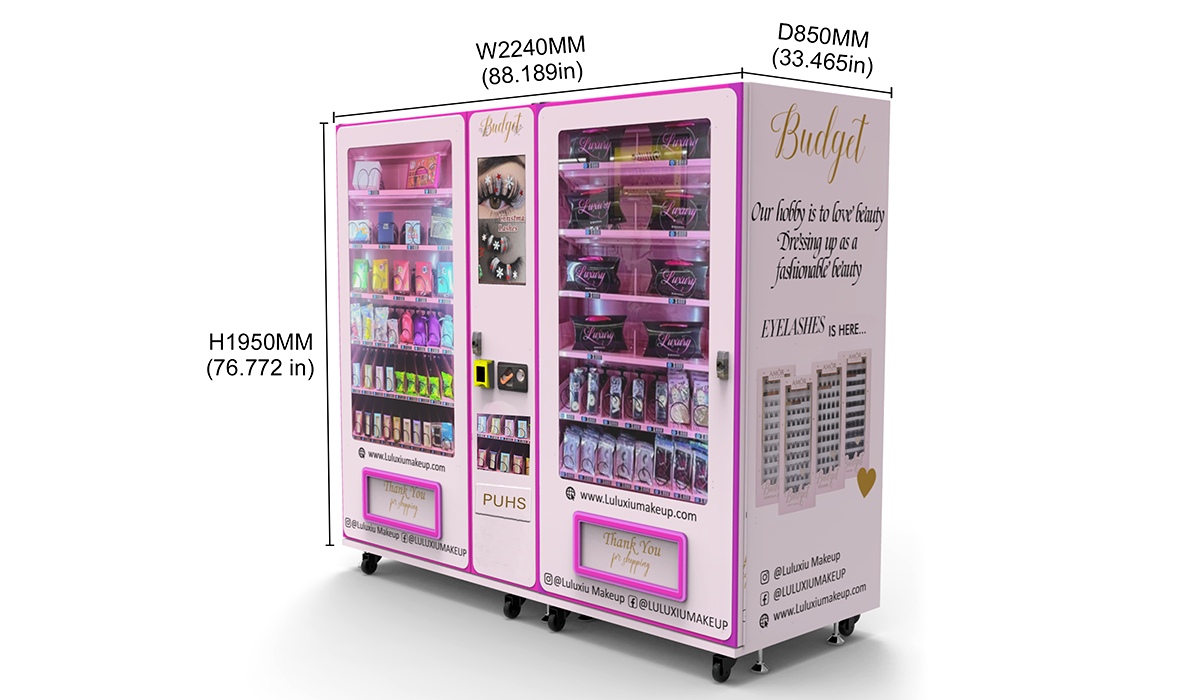
You need to be able to diagnose common issues or have a reliable repair service on call. I keep a spare card reader and coin mech in my car. Most problems can be fixed in under an hour if you have the right parts. For major issues like compressor failure, you may need a professional technician.
How do I reduce restocking costs?
Group your machines geographically. Use a route management app to optimize your schedule. Stock high-volume items in bulk to reduce the frequency of trips. Smart machines with telemetry help you avoid unnecessary visits by telling you exactly what is needed.
Can I run a vending machine business part-time?
Yes, but you need to be disciplined. With one or two machines, you can manage restocking and maintenance in a few hours per week. As you scale, the time commitment increases. Many operators start part-time and transition to full-time as their route grows.
Final Thoughts – Is This Business for You?
Starting a vending machines Philadelphia business in 2026 is a realistic opportunity, but it is not a shortcut to wealth. It is a retail business that requires attention to detail, physical labor, and a willingness to learn from mistakes. The operators who succeed are the ones who treat it like a business, not a hobby. They track their numbers, maintain their equipment, and listen to their customers.
If you are willing to put in the work, the Philadelphia market has plenty of room for new operators who do it right. Start small, test your locations, and reinvest your profits into better equipment. Over time, you can build a route that generates consistent income and gives you the flexibility to run your own schedule.
This article is based on my personal experience operating vending machines in the Philadelphia area and across the Northeast. Revenue estimates and cost figures are based on real-world data from my own route and publicly available industry reports. Individual results will vary based on location, product mix, and operational efficiency. Always verify local regulations and consult a business advisor before making significant investments.
Data sources referenced in this article include IBISWorld's vending machine industry report (2024), the National Automatic Merchandising Association (NAMA) operator survey, and the Pennsylvania Department of Revenue sales tax guidelines. These sources provide a reliable foundation for understanding the market, but specific outcomes depend on your execution.
This article was updated in January 2026.