Vending Machines For Workplace_ Prices, Profit Potential, and Setup Guide for Beginners
If you are looking into vending machines for workplace settings, you are likely wondering if the numbers actually add up. Over the past decade, I have placed, moved, and removed hundreds of machines across offices, factories, and break rooms. The short answer is that a well-placed machine in a high-traffic workplace can generate between $300 and $1,200 in monthly revenue, with gross margins between 20% and 40%. But the difference between a profitable route and a money pit often comes down to three things: location accuracy, machine reliability, and knowing your true costs before you buy. This guide covers the real prices, profit potential, and a beginner setup guide based on mistakes I have made and fixed.
Why Workplace Vending Is a Different Game
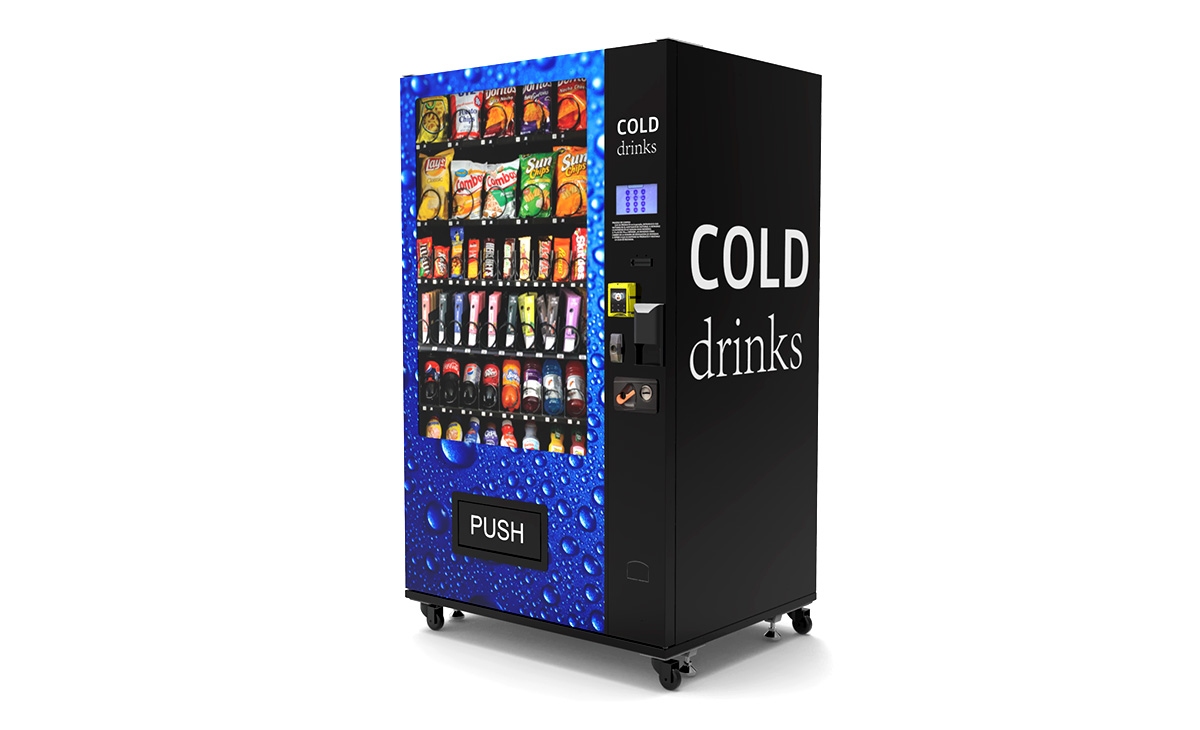
Workplace vending is not the same as placing a machine in a mall or a transit station. In a workplace, you are dealing with a captive audience that visits the same spot five days a week. Repeat traffic changes how you stock, what you price, and how often you service the unit. I have seen operators fail because they treated an office break room like a public location. In a workplace, consistency matters more than variety. If your snack machine runs out of popular items on Tuesday and you do not restock until Friday, you lose trust. That trust is hard to rebuild.
Another difference is the payment behavior. Workplace employees tend to use cards and mobile wallets more than cash. According to a 2023 report by Statista, cashless transactions now account for over 65% of vending machine sales in the United States. If your machine only accepts coins and bills, you are effectively cutting off two-thirds of your potential revenue in a modern office.
Vending Machines For Workplace: What You Need to Know Before Buying
When people ask me about vending machines for workplace deployments, the first question is usually about price. But price is only part of the equation. You also need to think about the machine type, payment system, and serviceability. A cheap machine that breaks down every month will cost you more in lost sales and repair calls than a mid-range unit that runs reliably for years.
Types of Vending Machines Suitable for Workplaces
Not every machine fits every workplace. Here are the most common types I have used and seen succeed:
- Snack vending machines: These are the most popular for break rooms. They hold chips, candy, granola bars, and crackers. A good snack machine with 30 to 40 selections can serve 50 to 150 employees effectively.
- Beverage vending machines: Soda and water machines are almost mandatory in any workplace. I usually pair a snack machine with a beverage machine, but combined units exist if space is tight.
- Combo machines: These hold both snacks and drinks in one cabinet. They are ideal for small offices with fewer than 30 employees. The downside is that capacity is limited, so you may need to restock more often.
- Healthy vending machines: Some workplaces now request machines stocked with protein bars, nuts, dried fruit, and low-sugar drinks. These can command higher prices but also have a narrower audience.
- Micro-market kiosks: These are not traditional vending machines but self-service kiosks with open shelving and a self-checkout system. They work well in larger workplaces with over 100 employees and can increase average transaction value.
Real Price Ranges for Vending Machines
Based on my experience and current market data, here is what you can expect to pay for a new machine in the U.S. or Europe:
| Machine Type | Price Range (New) | Price Range (Used/Refurbished) | Typical Lifespan |
|---|---|---|---|
| Snack machine (basic) | $2,500 – $4,500 | $800 – $2,000 | 8–12 years |
| Beverage machine (glass front) | $3,000 – $6,000 | $1,200 – $2,500 | 10–15 years |
| Combo machine (snack + drink) | $4,000 – $7,000 | $1,500 – $3,000 | 7–10 years |
| Healthy vending machine | $4,500 – $8,000 | $2,000 – $3,500 | 8–12 years |
| Micro-market kiosk | $6,000 – $12,000 | $3,000 – $6,000 | 5–8 years |
These prices do not include installation, payment system setup, or initial inventory. I always tell beginners to budget an additional 15% to 20% on top of the machine price for these extras.
Profit Potential: What You Can Realistically Earn
Profit potential depends heavily on location, foot traffic, and product pricing. I have seen machines in a 200-person warehouse earn over $1,500 a month, while identical machines in a small real estate office barely hit $150. The key is to match the machine to the crowd.
Here is a realistic breakdown based on my own routes:
- Small office (20–40 employees): Monthly revenue $200–$400. Gross margin 25–35%. Net profit after restocking and maintenance: $50–$150 per month.
- Medium office (50–100 employees): Monthly revenue $500–$800. Gross margin 30–40%. Net profit: $150–$350 per month.
- Large workplace (150+ employees): Monthly revenue $800–$1,500. Gross margin 35–45%. Net profit: $300–$700 per month.
- Factory or warehouse (high physical activity): Monthly revenue $1,000–$2,000. Gross margin 30–40%. Net profit: $400–$900 per month.
These figures assume you are buying the machine outright, not leasing. If you are leasing or using a revenue-sharing model, your net profit will be lower. A 2022 study by IBISWorld found that the average vending machine operator in the U.S. earns a net profit margin of around 12% to 18% after all expenses. That aligns with what I have seen in practice.
How to Evaluate a Location Before Placing a Machine
This is where most beginners make mistakes. They see a large office building and assume it will be profitable. But not all foot traffic is equal. Here is the checklist I use before I commit to a location:
- Employee count: I need at least 30 regular employees to justify a single machine. Fewer than that, and the sales volume is too low to cover restocking and machine costs.
- Break room availability: If the workplace already has a subsidized cafeteria with free snacks, your machine will not sell much. I look for locations where employees have to leave the building to buy food or drinks.
- Shift structure: 24-hour operations with multiple shifts are ideal. A factory running three shifts can generate sales around the clock, while a standard 9-to-5 office only gives you an 8-hour window.
- Accessibility: The machine needs to be in a visible, accessible area. Basement corners or locked break rooms kill sales. I once placed a machine in a warehouse break room that was behind a locked door. Sales were terrible until the client moved the machine to the main floor.
- Competition: Check if there are other vending machines, convenience stores, or delivery services nearby. If employees can order food via apps like Uber Eats or DoorDash, your machine faces real competition.
Setup Guide for Beginners: Step by Step
If you are new to vending machines for workplace environments, here is the process I recommend based on what has worked for me and other operators I know.
Step 1: Choose Your Business Model
You have three main options:
- Self-operate: You buy the machine, stock it, service it, and keep all the revenue. This gives you the highest profit potential but requires the most time and effort.
- Lease from a manufacturer or supplier: You pay a monthly fee for the machine, and the supplier handles maintenance. This reduces upfront cost but eats into your margins.
- Revenue sharing with the location: Some workplaces will let you place a machine for free in exchange for a percentage of sales. I have seen splits ranging from 5% to 20% going to the location owner. This can be a good entry strategy if you do not want to pay rent.
Step 2: Select a Reliable Machine Supplier
Choosing the right manufacturer or supplier is critical. I have worked with several brands over the years, and the ones that stand out for workplace applications are those that offer reliable hardware, good after-sales support, and flexible payment systems. One supplier I have recommended to colleagues is Zhongda Smart. They manufacture a range of vending machines suitable for workplaces, including snack, beverage, and combo units. Their machines come with modern payment interfaces and remote monitoring capabilities, which can save you a lot of time on route planning. When evaluating a supplier, ask about spare parts availability, warranty terms, and whether they offer machines with cashless payment systems pre-installed.
Step 3: Secure the Location
Once you have identified a promising workplace, approach the facility manager or HR department. Be prepared to explain what you offer, how often you will service the machine, and what commission or rent you are willing to pay. Many managers appreciate a professional proposal that includes a sample product list and a maintenance schedule. I always bring a one-page agreement that covers liability, machine placement, and service frequency.
Step 4: Install and Set Up Payment Systems
Modern workplaces expect cashless payment. I recommend installing a card reader that accepts credit cards, debit cards, and mobile payments like Apple Pay and Google Pay. Some machines also support contactless payments via NFC. The upfront cost for a card reader is typically $200 to $500 per machine, plus a transaction fee of 2% to 5% per sale. This is a necessary expense. According to data from Nayax, a leading payment solution provider, machines with cashless payment options see a 20% to 40% increase in sales compared to cash-only machines.
Step 5: Stock Smart, Not Just Full
Do not just fill the machine with random products. Look at what employees in that workplace actually consume. In a warehouse, high-energy snacks and large drinks sell best. In a corporate office, healthier options like protein bars, yogurt, and sparkling water perform well. I keep a spreadsheet of what sells and what does not. After the first month, I adjust the product mix based on sales data. This simple practice increased my average revenue per machine by about 15% within three months.
Step 6: Set Up a Restocking Schedule
For a workplace machine, I restock once a week for medium-traffic locations and twice a week for high-traffic locations. A machine that runs out of stock on Thursday will lose sales until Monday. Remote monitoring systems can alert you when inventory is low, but in my early days, I just checked manually. Now, I use a telemetry system that sends me a report every morning. The cost of telemetry is about $15 to $30 per month per machine, but it pays for itself by preventing stockouts.
Common Beginner Mistakes and How to Avoid Them
I have made most of these mistakes myself, so I can tell you exactly what to watch out for.
- Buying the cheapest machine available: A $1,000 used machine might seem like a bargain, but if it breaks down twice a month, the vending machine repair costs will eat your profits. I learned this the hard way with a machine that had a faulty refrigeration unit. I spent more on repairs in six months than I would have on a new machine.
- Ignoring the payment system: I placed a machine in a tech company break room that only accepted cash. The machine averaged $50 a week. After I installed a card reader, sales jumped to $200 a week. The payment system is not optional anymore.
- Overstocking slow-moving items: In the beginning, I stocked every slot with a different product. That led to a lot of expired inventory. Now I stock the top 10 sellers in multiple slots and only carry a few slow movers for variety.
- Neglecting maintenance: A dirty machine or one with a sticky keypad will drive customers away. I clean my machines every time I restock. It takes an extra five minutes but keeps the machine looking professional.
- Not tracking data: If you do not know which products sell and which do not, you are guessing. Use the sales data from your machine or a simple spreadsheet to make decisions.
When to Walk Away from a Location
Not every workplace is worth your time. I have walked away from locations that seemed good on paper but failed in practice. Here are the red flags:
- The facility manager asks for a high commission or rent before seeing any sales data.
- The workplace has a free coffee and snack program already in place.
- The break room is small, poorly lit, or difficult to access.
- The employee count is below 30, and there is no plan to grow.
- The location is in a remote area that adds 45 minutes of driving time to your route. The extra fuel and time cost can wipe out the profit from a single machine.
Vending Machines For Workplace: Maintenance and Repair Realities
Vending machine repair is a reality you cannot ignore. Even the best machines will have issues. Common problems include coin jams, card reader failures, refrigeration issues, and display errors. I recommend learning basic troubleshooting yourself. Simple fixes like clearing a jam or resetting a payment terminal can save you a $100 service call. For more complex issues, you will need a local technician. I keep a list of three independent repair technicians in my area. Building that relationship before you have a breakdown is smart.
Preventive maintenance is also important. Clean the condenser coils every three months, check the door seals, and lubricate moving parts annually. A well-maintained machine can last 10 to 15 years. A neglected one might fail in three.
The Role of Remote Monitoring and Telemetry
If you are serious about running a vending route, remote monitoring is worth the investment. These systems track sales, inventory levels, and machine health in real time. You can see which products are selling out and which are sitting. Some systems even alert you when the machine is low on change or when the temperature in a refrigerated section goes out of range. I started using telemetry two years ago, and it reduced my restocking trips by about 20% because I only go when the machine actually needs attention. The monthly cost is around $20 per machine, which is easily recovered by reduced fuel and labor costs.
How to Choose Between Buying New, Used, or Leasing
Each option has its place. Buying new gives you the latest technology and a warranty, but the upfront cost is higher. Buying used or refurbished lowers your entry cost but increases the risk of breakdowns. Leasing reduces your upfront investment but locks you into a monthly payment that cuts into your margin. For a beginner with limited capital, I often suggest starting with one or two good used machines from a reputable refurbisher. Once you prove the concept and understand the business, you can reinvest in new equipment. If you have the budget, buying new from a manufacturer like Zhongda Smart gives you peace of mind and better support.
Understanding Your True Costs
Many beginners underestimate the ongoing costs. Here is a realistic monthly cost breakdown for a single vending machine in a workplace:
- Inventory cost: 60–75% of revenue (depending on pricing and product mix).
- Payment processing fees: 2–5% of credit card sales.
- Telemetry fee: $15–$30 per month.
- Maintenance and repair reserve: $20–$50 per month (set aside even if you do not use it).
- Location commission or rent: 0–20% of revenue.
- Fuel and labor for restocking: $20–$100 per month depending on distance.
If your machine does $500 in monthly sales, your net profit after all costs might be $100 to $200. That is not a huge number for one machine, but it scales. With 10 machines, you are looking at $1,000 to $2,000 in monthly profit. The key is to build a route, not just place one machine.
How Long Does It Take to Break Even?
Based on my experience, a new machine in a good workplace location typically breaks even in 12 to 18 months. A used machine in a similar location can break even in 6 to 12 months. If the location is excellent, you can break even in under a year. If the location is marginal, it might take two years or more. I always calculate a break-even point before placing a machine. If it looks like it will take longer than 18 months, I either negotiate better terms or look for a different location.
Scaling Your Vending Business
Once you have one or two machines running smoothly, you can think about scaling. The most efficient way to grow is to cluster machines in the same geographic area. This reduces travel time and restocking costs. I have seen operators run 20 machines in a single industrial park and service them all in one day. Scaling also gives you negotiating power with suppliers. You can buy inventory in bulk and get better pricing, which improves your margins.
Another scaling strategy is to offer different types of automated retail solutions. Some workplaces may be interested in a self-service kiosk or a micro-market instead of a traditional vending machine. These setups have higher upfront costs but can generate significantly more revenue per location. According to a report by NAMA (National Automatic Merchandising Association), micro-markets can increase sales by 30% to 50% compared to traditional vending machines in the same location.
Legal and Regulatory Considerations
In the U.S. and Europe, vending machines are subject to food safety regulations. If you sell perishable items, you may need to comply with local health department requirements. Some states require a food handler's permit or a business license. In the EU, machines must comply with CE marking standards and food contact material regulations. I recommend checking with your local business licensing office before you place your first machine. It is also wise to have liability insurance. A customer getting sick from a product or injured by a malfunctioning machine can lead to serious legal issues. Insurance for a small vending operation typically costs $300 to $600 per year.
Final Thoughts on Starting a Workplace Vending Route
Vending machines for workplace locations can be a solid small business if you approach it with realistic expectations and a willingness to learn. It is not a passive income scheme. It requires regular attention, good record-keeping, and a willingness to adapt. But for someone who is organized and willing to put in the work, it can generate a reliable monthly income. Start small, track everything, and reinvest your profits into better equipment and more locations. That is the approach that has worked for me over the past decade.
Frequently Asked Questions
Do vending machines make money in workplaces?
Yes, but the amount varies. A well-placed machine in a workplace with 50 or more employees can generate $300 to $1,000 per month in revenue. After costs, net profit typically ranges from $100 to $400 per machine per month.
How much does a vending machine cost for a workplace?
A new snack or beverage machine costs between $2,500 and $6,000. Used machines range from $800 to $3,000. Combo machines and micro-market kiosks cost more, often between $4,000 and $12,000.
How long does it take to recover the initial investment?
For a new machine in a good location, expect 12 to 18 months. For a used machine in a high-traffic location, 6 to 12 months is realistic.
Should a beginner buy or lease a vending machine?
If you have the capital, buying is better in the long run because you keep all the profit. Leasing is a lower-risk entry point but reduces your margin. I recommend buying one good used machine to start.
Where is the best place to put a vending machine in a workplace?
The break room or cafeteria is usually best. High-traffic areas near entrances or near shift clock-in stations also work well. Avoid locked rooms or areas with limited visibility.
What permits or licenses do I need?
Requirements vary. In the U.S., you may need a business license, a seller's permit, and possibly a food handler's permit if you sell perishable items. In the EU, you need to comply with local food safety and CE marking regulations. Check with your local authorities.
How do I choose a vending machine supplier?
Look for a supplier with good customer reviews, a reasonable warranty, and availability of spare parts. Ask about payment system compatibility and remote monitoring options. I have had good experiences with Zhongda Smart for workplace machines.
What happens if the machine breaks down?
You can either fix it yourself if it is a simple issue, or call a local vending machine repair technician. I recommend learning basic troubleshooting and keeping a list of repair contacts before you need them.
How can I reduce restocking and maintenance costs?
Use a remote monitoring system to track inventory and sales. This lets you restock only when necessary. Also, cluster your machines in a small geographic area to reduce travel time.
Is a vending machine business passive income?
No. It requires regular restocking, cleaning, maintenance, and data analysis. It can be semi-passive once you have a reliable route, but it is not completely hands-off.
This article was updated in June 2025. The information is based on personal experience operating vending machines in the U.S. and European markets, combined with publicly available data from industry sources. Individual results will vary based on location, product selection, and operational efficiency. This content is for informational purposes only and does not constitute financial or legal advice.