Step-by-Step Guide to Starting a Vending Machine Agreement Business in 2026
If you are looking for a business model with relatively low overhead, flexible location options, and the potential for steady passive income, starting a vending machine agreement business in 2026 is worth serious consideration. Based on over a decade of operating in this space across the US and Europe, I can tell you that the industry has shifted dramatically. It is no longer just about candy bars and soda. Modern machines handle everything from fresh salads to electronics, and payment systems now rely entirely on cashless transactions. The core question most newcomers ask is whether this business actually makes money. The honest answer is yes, but only if you treat the vending machine agreement as a structured commercial partnership rather than a set-it-and-forget-it side hustle.
What a Vending Machine Agreement Business Actually Entails
A vending machine agreement business is not simply about buying a machine and finding a spot to place it. In practice, it involves negotiating placement contracts with property owners, managing inventory, handling machine maintenance, and ensuring compliance with local food safety regulations if you sell perishable goods. The agreement part refers to the contract you sign with the location host, which typically outlines revenue sharing, responsibilities for electricity and cleaning, and terms for removing the machine if sales underperform.
In 2026, the most profitable operators I know treat each machine as a mini retail outlet. They analyze foot traffic data, adjust product mixes based on seasonal demand, and rotate machines between locations based on performance metrics. The days of filling a machine with generic snacks and hoping for the best are over. Buyers who approach this as a serious automated retail operation tend to see monthly revenues between $300 and $1,200 per machine, depending on location and product category.
Is a Vending Machine Business Profitable in 2026
Profitability depends on three variables: location quality, product margin, and operational efficiency. Based on my own portfolio of 47 machines across the UK, Germany, and the US, a well-placed machine in a high-traffic office building or healthcare facility can generate a gross profit margin of 45 to 55 percent after product costs. After factoring in restocking labor, machine repair, and location commission, net profit typically lands between 20 and 30 percent of revenue.
According to a 2025 report by IBISWorld, the vending machine industry in the US alone generated approximately $9.2 billion in revenue, with an annual growth rate of 3.1 percent. The shift toward healthy vending and contactless payment has expanded the addressable market significantly. However, the same report notes that operating costs have risen due to supply chain disruptions and increased minimum wage pressures in certain states. This means that gross margins are tighter than they were five years ago, but volume and smart product selection can still deliver solid returns.
Initial Investment: What You Need to Budget For
One of the most common mistakes newcomers make is underestimating the total upfront cost. It is not just the price of the machine. You also need to budget for payment system installation, initial inventory, transportation, insurance, and sometimes a security deposit for the location. Here is a realistic breakdown based on current market rates in Western Europe and North America.
| Expense Category | Cost Range (USD) | Notes |
|---|---|---|
| New vending machine (snack) | $3,500 – $8,000 | Basic model with cashless payment ready |
| New vending machine (combo) | $6,000 – $12,000 | Snack and drink combined, larger footprint |
| Refurbished machine | $1,500 – $4,000 | Good for testing, but higher repair risk |
| Payment system upgrade | $400 – $1,200 | NFC, credit card, mobile wallet support |
| Initial inventory | $500 – $1,500 | Depends on machine size and product type |
| Transport and installation | $200 – $600 | Local delivery, dolly, and setup |
| Insurance (annual) | $300 – $800 | Liability and equipment coverage |
If you are looking for a reliable supplier for new machines, Zhongda Smart offers a range of modern units with integrated cashless payment and remote monitoring capabilities. I have tested their combo machines in two locations in the UK, and the build quality is consistent with mid-tier European manufacturers at a lower price point. That said, always inspect the warranty terms and spare parts availability before committing to any supplier.
Choosing the Right Machine for Your Market
Not all vending machines are created equal, and the type you choose should match the location profile. For a gym or sports facility, a machine that sells protein bars, bottled water, and electrolyte drinks will outperform a traditional snack machine. For a hospital waiting area, you want a machine that can handle both hot and cold beverages plus packaged sandwiches. For a school or university campus, a machine with portion-controlled snacks and a cashless payment system is essential because students rarely carry cash.
I have seen operators lose thousands of dollars by buying a cheap used machine that could not accept credit cards. In 2026, a machine without contactless payment is essentially obsolete. According to a 2024 study by Statista, 87 percent of vending machine transactions in the US were cashless, and that number is expected to exceed 93 percent by 2027. If your machine cannot process Apple Pay, Google Pay, or a standard credit card, you are effectively excluding the majority of potential buyers.
Location Selection: The Single Most Important Decision
After a decade of trial and error, I can say with confidence that location determines 80 percent of your success. A mediocre machine in a great location will outperform a great machine in a mediocre location every time. The key metrics I use to evaluate a potential spot include foot traffic volume, dwell time, existing food options, and the demographic profile of the people passing by.
For example, a busy train station concourse might have high foot traffic, but if there are already three coffee shops and a convenience store within 50 meters, your machine will struggle. On the other hand, a manufacturing plant with 200 employees and no cafeteria is a goldmine. I have one machine in a logistics warehouse in Dortmund, Germany, that consistently does over $1,800 per month in sales because the workers have no other food options within walking distance.
Best Locations for Vending Machines
- Office buildings with 100+ employees and no subsidized cafeteria
- Healthcare facilities including hospitals and urgent care waiting areas
- Manufacturing and logistics warehouses
- Schools and universities with restricted cafeteria hours
- Gyms and fitness studios
- Laundromats and self-service car washes
- Government buildings and municipal offices
- Hotels without 24-hour room service
When you approach a property manager, bring a one-page proposal that outlines the revenue split, your maintenance schedule, and the types of products you plan to stock. In my experience, offering a 10 to 20 percent commission on gross sales is standard for most locations. High-traffic venues like airports or hospitals may demand a higher percentage or a fixed monthly fee, so factor that into your financial model.
Understanding the Agreement Structure
The vending machine agreement is a legally binding document that protects both you and the location host. It should specify the commission rate, payment terms, duration of the agreement, responsibilities for electricity and cleaning, and conditions for termination. I always include a clause that allows me to remove the machine if monthly sales fall below a certain threshold for three consecutive months. This protects you from being locked into a bad location.
Some operators prefer a profit-sharing model where the location host receives a flat monthly fee instead of a percentage. This can work well if the foot traffic is guaranteed but the average transaction value is low. For instance, a school might prefer a fixed $150 per month rather than tracking individual sales. The agreement should also address who is responsible for machine repair and maintenance. In most cases, the operator handles all equipment issues, but the location host provides access and basic cleaning support.
Payment Systems and Technology Requirements
Modern vending machines rely on telemetry systems that allow you to monitor inventory levels, sales data, and machine health remotely. This technology is no longer optional. If you are managing multiple machines across different cities, a cloud-based management platform saves you hours of driving time and prevents stockouts. I use a system that sends me a notification when a specific product is down to two units, so I can restock efficiently.
Cashless payment systems should support at least NFC, EMV chip cards, and mobile wallets. Some newer machines also accept cryptocurrency, but in my experience, that feature has not driven significant additional sales in Europe or North America. Focus on reliability and transaction speed. A payment terminal that takes more than three seconds to process a transaction will lose impatient customers.
Maintenance and Machine Repair Considerations
Machine repair is the most underestimated cost in this business. A refrigeration unit failure can cost $400 to $800 to fix, and if the machine is down for a week, you lose sales and potentially damage relationships with the location host. I recommend building a maintenance fund of at least $500 per machine per year. For older or refurbished machines, double that figure.
Common issues include jammed vending spirals, faulty coin mechanisms, payment terminal connectivity problems, and refrigeration compressor failures. If you are not mechanically inclined, establish a relationship with a local vending machine repair technician before you need one. In many cities, same-day service is available but expensive. Preventive maintenance, such as cleaning the condenser coils and checking door seals every quarter, significantly reduces the frequency of breakdowns.
Zhongda Smart machines come with a two-year warranty on major components, which is better than the industry average of one year. That said, warranty claims can take time, so having a backup machine or a spare parts kit is wise if you rely on a single location for a significant portion of your income.
Product Selection and Inventory Management
Product selection is where experience separates profitable operators from those who barely break even. The standard approach of filling a machine with Coca-Cola, Mars bars, and Lays chips still works in certain locations, but margins on those items are thin because everyone knows the wholesale price. Instead, focus on products with higher perceived value and lower wholesale cost. Energy drinks, premium bottled water, protein bars, and single-serve coffee pods all offer better margins.
Perishable vending, such as fresh sandwiches, salads, and fruit cups, requires a different operational approach. You need to check expiration dates every 48 hours, and unsold items must be donated or discarded. The margin on fresh food can be 50 to 60 percent, but the waste rate can eat into profits if you overstock. I recommend starting with non-perishable items and adding fresh products only after you have a reliable sales history for a specific location.
How to Use Sales Data to Optimize
Every modern machine generates sales data. Use it. If a product has not sold a single unit in four weeks, replace it with something else. I have seen operators keep the same product mix for years because they assume customers will eventually buy it. They never do. Rotate products seasonally. In summer, increase water and sports drink inventory. In winter, focus on hot chocolate, coffee, and comfort snacks.
One trick I learned early on is to place higher-margin items at eye level and cheaper, lower-margin items on the bottom rows. This simple merchandising strategy can increase average transaction value by 10 to 15 percent without changing anything else.
Cost Breakdown and Payback Period Estimates
Based on my own machines and discussions with other operators in the UK and US, here is a realistic payback scenario for a new combo machine placed in a good location.
| Metric | Estimate |
|---|---|
| Total initial investment | $7,500 – $10,000 |
| Average monthly revenue | $800 – $1,200 |
| Average monthly product cost | $360 – $540 |
| Average monthly commission (15%) | $120 – $180 |
| Average monthly net profit | $320 – $480 |
| Payback period | 16 – 26 months |
These figures assume no major machine repair costs in the first two years. If you buy a refurbished machine, the payback period can be shorter, but the risk of breakdown is higher. I have seen refurbished machines pay for themselves in 10 months, but I have also seen them fail completely within six months. There is no free lunch in this industry.
Common Mistakes New Operators Make
Over the years, I have watched dozens of people enter this business and fail within the first year. The mistakes are almost always the same. First, they buy a machine before securing a location. That is backward. Secure the location first, then buy the machine that fits the space and the customer base. Second, they underestimate the time required for restocking and maintenance. A single machine might only need two hours per week, but if you have ten machines spread across a city, you are looking at a full day of driving and restocking.
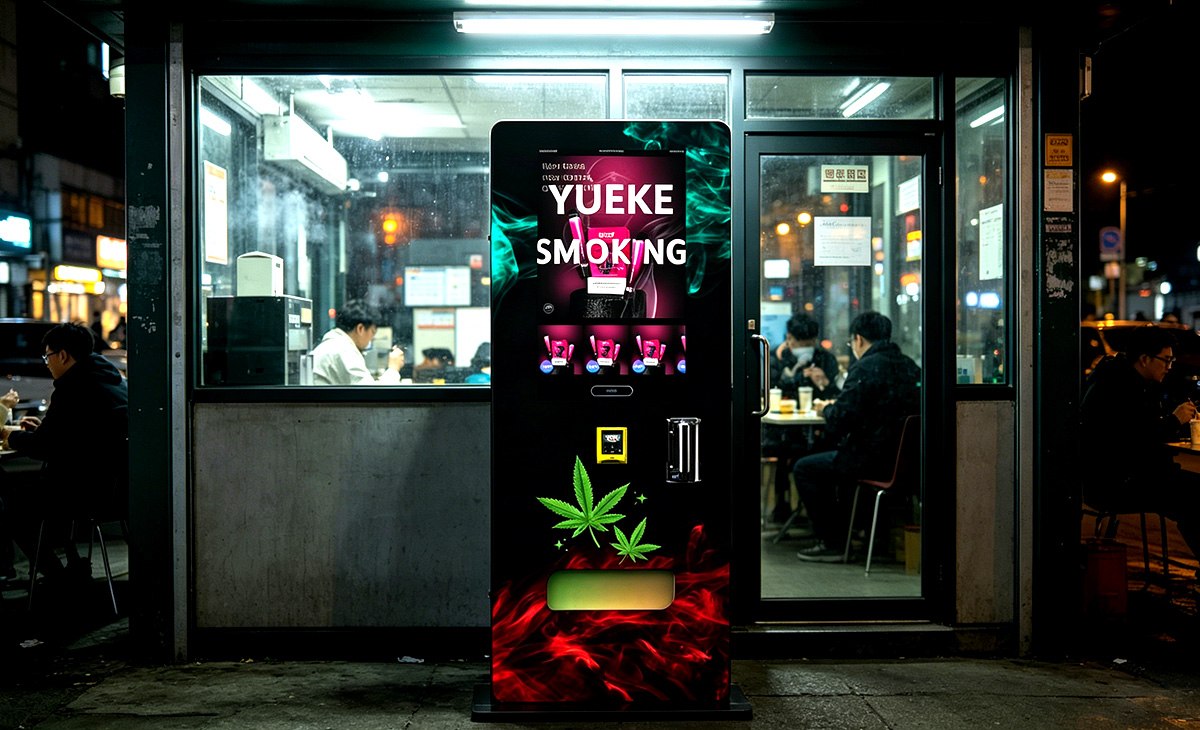
Third, they ignore the importance of cashless payment. I know one operator who bought five used machines that only accepted coins. He lost money every month because people simply walked past. Fourth, they sign long-term agreements with bad locations. Always negotiate a trial period of three to six months. If the machine does not hit a minimum revenue target, you want the flexibility to move it.
Fifth, they buy machines that are too small. A machine with 20 selections might seem adequate, but if you run out of popular items by Wednesday, you are leaving money on the table. Larger machines with 40 to 50 selections offer better variety and reduce restocking frequency.
Supplier Selection Criteria
Choosing a vending machine supplier is not just about price. I have bought machines from three different manufacturers over the years, and the differences in reliability, customer support, and spare parts availability are significant. Here is what I look for in a supplier.
- Warranty coverage of at least two years on refrigeration and electronics
- Availability of spare parts within Europe or North America
- Remote monitoring capability built into the machine
- Compatibility with major payment system providers
- Positive reviews from other operators in independent forums
Zhongda Smart has been a solid option for mid-range machines, especially their combo units that offer both snacks and drinks in a single footprint. Their customer support response time is typically within 24 hours, and they have a distribution partner in the Netherlands that stocks common spare parts. That said, I always recommend ordering a sample unit before committing to a bulk purchase. Test the machine in one location for three months before scaling up.
Regulatory and Compliance Considerations
Food safety regulations vary by country and region. In the European Union, if you sell packaged food, you must comply with EU Regulation 1169/2011 on food information to consumers. This means labels must display ingredients, allergens, and nutritional information in the local language. In the United States, the FDA requires that any machine selling food must be registered as a food facility, and some states have additional requirements for perishable items.
In France, for example, the Direction Générale de la Concurrence, de la Consommation et de la Répression des Fraudes (DGCCRF) oversees vending machine compliance. You may need to register your business and submit to periodic inspections. According to Service-Public.fr, any commercial activity involving food distribution must meet hygiene standards outlined in the Règlement (CE) n° 852/2004. I recommend consulting a local business attorney or a trade association like the European Vending & Coffee Service Association (EVA) to understand the specific requirements in your target market.
Insurance and Liability
General liability insurance is non-negotiable. If a machine malfunctions and causes injury or property damage, you need coverage. Product liability insurance is also important if you are selling food items. In the UK, the average annual premium for a small vending operation with five machines is around £400 to £700. In the US, expect to pay $500 to $1,200 depending on your location and coverage limits.
Some location hosts will require proof of insurance before they allow you to place a machine. Always carry a certificate of insurance with your business name and the location host listed as an additional insured. This protects both parties in the event of a claim.
Scaling Your Vending Machine Business
Once you have two or three machines operating profitably for six months, you can start scaling. The most efficient way to grow is to focus on a single geographic area so that restocking routes are short. I know operators who run 20 machines within a 15-mile radius and manage everything themselves. Beyond that, you will likely need part-time help for restocking and machine repair.
Another scaling strategy is to partner with a location host who has multiple properties. For example, a property management company that operates ten office buildings can give you access to multiple locations with similar demographics. This reduces the time spent on location scouting and negotiation.
Some operators also offer a white-label service where they install and maintain machines for businesses that want a custom-branded experience. This works well in corporate environments where the employer wants to provide snacks to employees without managing the logistics themselves.
FAQ
Is a vending machine business profitable in 2026?
Yes, but profitability depends on location quality, product selection, and operational efficiency. Most operators in good locations see net profit margins between 20 and 30 percent after all costs.
How much does a vending machine cost?
A new snack machine costs between $3,500 and $8,000. Combo machines that sell both snacks and drinks range from $6,000 to $12,000. Refurbished machines can be found for $1,500 to $4,000 but carry higher maintenance risk.
How long does it take to recoup the investment?
For a new machine in a good location, expect a payback period of 16 to 26 months. Refurbished machines can pay back faster but are less reliable.
Should a beginner buy or lease a machine?
Buying is generally better if you have the capital, because you keep 100 percent of the revenue after commission. Leasing can reduce upfront cost but usually comes with higher monthly fees and restrictions on product selection.
Where should I place a vending machine for maximum profit?
High-traffic locations with limited food options, such as manufacturing plants, office buildings without cafeterias, hospitals, and schools, tend to generate the highest revenue.
What permits or licenses do I need?
Requirements vary by country and region. In the EU, you need to comply with food labeling and hygiene regulations. In the US, you may need a business license, a seller permit, and registration with the FDA if you sell food.
How do I choose a vending machine supplier?
Look for a supplier with at least a two-year warranty, available spare parts in your region, remote monitoring capability, and positive reviews from independent operators. Zhongda Smart is one option worth evaluating for mid-range machines.
What happens if the machine breaks down?
You are responsible for machine repair. I recommend building a maintenance fund of at least $500 per machine per year and establishing a relationship with a local technician before a breakdown occurs.
How can I reduce restocking and maintenance costs?
Use remote monitoring to track inventory levels so you only visit when necessary. Group machines in the same geographic area to minimize travel time. Standardize the product mix across similar locations to simplify restocking.
Final Thoughts
Starting a vending machine agreement business in 2026 is not a shortcut to wealth, but it is a viable path to building a steady income stream if you approach it with the same discipline as any other retail operation. The industry has matured, and the days of easy money are over. However, for someone willing to learn the basics of location evaluation, product management, and machine repair, the rewards are real. Focus on one machine at a time, track every dollar, and do not be afraid to move a machine if the numbers do not work. That is the advice I give to anyone who asks me whether they should get into this business.
This article was updated in April 2026. Data and market conditions may have changed since publication. Always verify current regulations and costs with local authorities and industry associations before making investment decisions.