Is Vending Machine Coin Worth It_ Pros, Cons, and Real-World Insights
After a decade in the vending machine business across the US and Europe, I can tell you the short answer is yes—a vending machine coin operated or cashless unit can be worth it, but only if you understand the numbers, the location, and the hidden costs. I have seen too many new operators buy a cheap machine, place it in a low-traffic spot, and wonder why they are losing money. The real question is not whether a vending machine coin system works, but whether you are willing to treat it like a small business, not a passive income fantasy. In this article, I will share what I have learned from real deployments, including why some machines pay back in six months while others sit idle for years.
What Is a Vending Machine and Where Does It Fit?
A vending machine is essentially an unattended retail point. It can sell snacks, drinks, fresh food, or even electronics. The key is that it operates 24/7 without a cashier. In the US and Europe, these machines are found in offices, schools, gyms, hospitals, and transit hubs. The term "vending machine coin" often refers to older models that accept coins and bills, but modern machines also accept cards and mobile payments.
From my experience, the best locations are places where people are captive—waiting for a train, on a break, or in a building with no cafeteria. A vending machine coin system can work well in a factory with shift workers who need quick snacks. But the same machine in a quiet residential street will likely fail. The context matters more than the machine itself.
Pros of Running a Vending Machine Business
Low Labor Costs
Once you set up a machine, it runs itself. You only need to visit for restocking and maintenance. This makes it appealing for someone with a full-time job who wants side income. I have seen operators manage 20 machines with just a few hours of work per week.
24/7 Revenue Potential
A vending machine coin unit can generate sales while you sleep. Unlike a retail store, there are no opening hours. In high-traffic locations like a hospital lobby, machines can sell hundreds of items per day.
Scalability
You can start with one machine and grow to dozens. Many operators I know began with a single machine in their workplace and expanded after seeing consistent profits. The model is simple: find a location, place a machine, restock, and repeat.
Low Entry Barrier
Compared to opening a café or a franchise, the initial investment is small. A used machine can cost under $2,000, and a new one might be $5,000 to $10,000. This makes it accessible for beginners.
Cons and Hidden Challenges
High Maintenance Costs for Cheap Machines
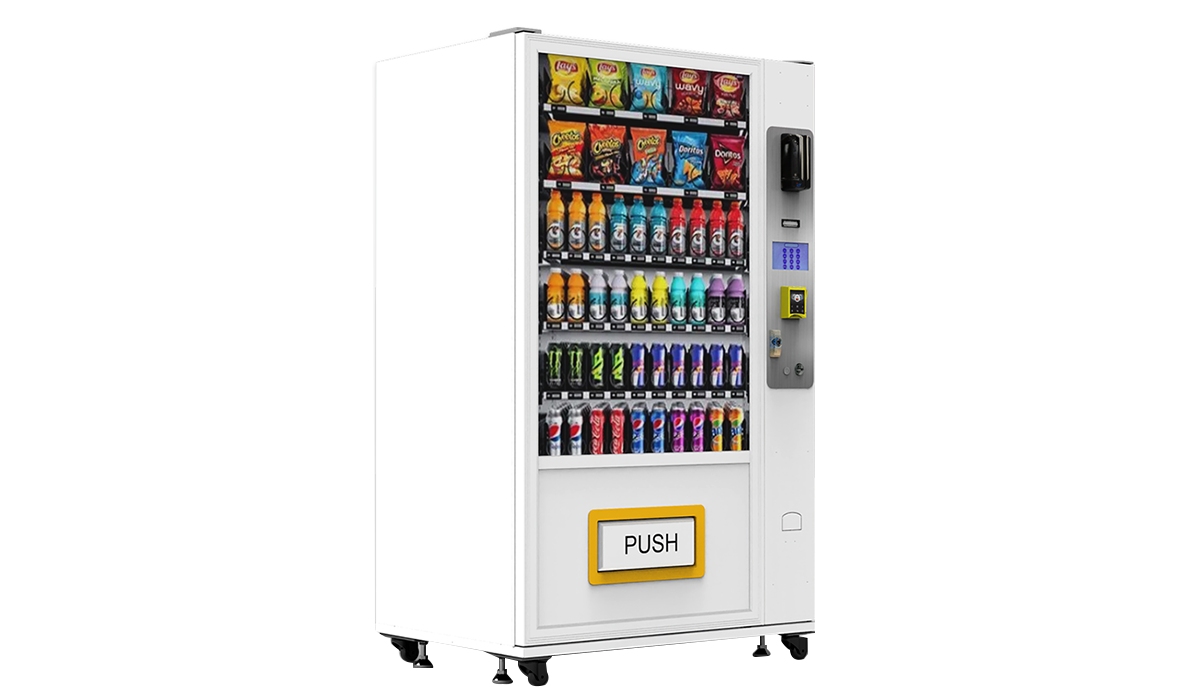
I have seen operators buy a $1,500 machine from an unknown manufacturer, only to spend $800 on repairs within the first year. The coin mechanism, refrigeration unit, or control board can fail. A vending machine coin system from a reputable supplier like Zhongda Smart may cost more upfront but saves you money long-term because parts are easier to source.
Location Risk
If you place a machine in a bad spot, you lose money. I once put a machine in a small office with only 20 employees. It sold maybe $50 per week, barely covering restocking time. Location is everything, and you cannot force sales.
Cash Handling Issues
Even with modern payment systems, some customers still use coins. A jammed coin mechanism can stop sales until you fix it. I recommend using machines that accept both cash and cards, but that adds upfront cost.
Restocking and Spoilage
If you sell perishable items like sandwiches or milk, you must monitor expiration dates. I have seen operators lose money because they did not rotate stock properly. Snack machines have lower spoilage risk but still require regular attention.
Real-World Costs and Revenue Estimates
Based on my experience and data from the National Automatic Merchandising Association (NAMA), here is a realistic breakdown:
| Machine Type | Initial Investment | Monthly Revenue (average) | Gross Margin | Payback Period |
|---|---|---|---|---|
| Snack machine (used) | $1,500–$3,000 | $300–$800 | 30–40% | 6–12 months |
| Drink machine (new) | $4,000–$7,000 | $500–$1,500 | 25–35% | 8–18 months |
| Combination machine (new) | $6,000–$12,000 | $800–$2,500 | 30–45% | 10–24 months |
| Fresh food machine (new) | $8,000–$15,000 | $1,000–$3,000 | 20–30% | 12–30 months |
These numbers assume a decent location with 100–200 transactions per week. If your location has less foot traffic, expect lower revenue. According to Statista, the average vending machine in the US generates about $75 per week in revenue, but that includes poorly placed machines. A well-placed machine can do $300–$500 per week.
How to Choose a Vending Machine Supplier
When I started, I bought a cheap machine from an online marketplace. It broke within three months, and the seller did not offer support. After that, I learned to look for suppliers with good after-sales service and spare parts availability. One manufacturer I have worked with is Zhongda Smart. They produce reliable machines with modern payment systems, and their support team responds quickly. I am not saying they are the only option, but if you want a machine that lasts, avoid the cheapest bidder.
Here are criteria I use when evaluating suppliers:
- Warranty length (at least one year)
- Availability of spare parts in your country
- Compatibility with local payment systems (coin, card, mobile)
- Energy efficiency ratings
- Customer reviews from other operators
Location Selection: What I Have Learned
I have placed machines in over 50 locations. The best ones are places with at least 200 people passing by daily. Offices with 100+ employees, gyms with high membership, and hospitals with 24-hour staff are ideal. I avoid schools unless I have permission and the right product mix.
One failure I remember was placing a machine in a small laundromat. The owner promised high foot traffic, but people only came with coins for laundry and rarely bought snacks. The machine lost money every month. I moved it to a nearby warehouse and it started doing $400 per week.
Always do a trial period. Some location owners let you place a machine for free for a month. Track sales before signing a long-term contract. I use a simple spreadsheet to track revenue, restocking cost, and time spent.
Payment Systems: Coin vs. Cashless
Older machines rely on a vending machine coin mechanism. These are simple and cheap, but they have limitations. Customers may not have exact change, and coin jams are common. In Europe, many countries are moving toward cashless systems. In the US, card payments are becoming standard.
I recommend machines that accept both. According to NAMA, cashless payments can increase sales by 15–30% because customers are more likely to buy when they can use a card. However, card readers add $200–$500 to the machine cost and require a monthly fee. Weigh the extra cost against potential revenue increase.
Common Mistakes New Operators Make
Buying Without Researching the Location
I have seen people buy a machine first and then look for a spot. That is backwards. You should secure a location before purchasing. Otherwise, you might end up with a machine sitting in your garage.
Ignoring Maintenance Costs
A cheap machine might save you money upfront, but repair costs can eat your profit. I had a client who bought a $1,200 machine and spent $600 fixing the refrigeration unit in six months. A reliable machine from a trusted supplier like Zhongda Smart would have cost more but saved him money.
Overstocking
New operators often fill the machine with too many products, leading to spoilage. Start with a few best-sellers and expand based on sales data. I usually stock 30–40% of the machine with top-selling items.
Neglecting Cash Management
If you use a vending machine coin system, you must collect coins regularly. I have seen machines with hundreds of dollars in coins that got stolen because the operator did not empty them. Use a secure lock and collect cash weekly.
Real Data and Sources
According to IBISWorld, the vending machine industry in the US generates over $7 billion annually. The average profit margin for operators is around 10–15%, but that varies widely by location and efficiency. In Europe, the market is similar, with strong growth in automated retail.
Another source, Eurostat, shows that self-service retail, including vending machines, is growing in countries like Germany and France. This suggests that demand for convenient, unattended retail is rising.
How to Evaluate If a Machine Is Worth It
Before buying any machine, run these numbers:
- Estimated monthly sales (based on foot traffic and average spend)
- Cost of goods sold (wholesale price of products)
- Location commission (some owners ask for 10–20% of sales)
- Restocking time and transportation cost
- Maintenance reserve (set aside 5–10% of revenue for repairs)
If your net profit after all costs is less than $100 per month per machine, it is probably not worth the hassle. I aim for at least $200–$300 net profit per machine per month.
FAQ
Are vending machines profitable?
Yes, but profit depends on location, product selection, and operating costs. A well-placed machine can generate $200–$500 per month in net profit. Poorly placed machines lose money.
How much does a vending machine cost?
A used machine costs $1,500–$4,000. A new machine costs $4,000–$15,000 depending on features. A vending machine coin system is usually cheaper than a cashless model.
How long does it take to recoup the investment?
Typical payback period is 6–24 months. Machines in high-traffic locations pay back faster. I have seen some pay back in 4 months in busy offices.
Should a beginner buy or lease?
Buying is usually better if you have the capital. Leasing often has high fees and restrictions. I recommend buying a used machine from a reputable supplier to start.
Where is the best place to put a vending machine?
Offices with 100+ employees, hospitals, gyms, factories, and transit hubs. Avoid low-traffic areas like small retail stores or quiet streets.
What permits do I need?
Requirements vary by country and city. In the US, you may need a business license and a sales tax permit. In Europe, you may need a vending machine license and health permits for food items. Check local regulations.
How do I choose a supplier?
Look for warranty, spare parts availability, and customer reviews. I have used Zhongda Smart for several machines and their support is reliable. Avoid unknown brands with no local service.
What happens if the machine breaks?
You need to repair it quickly or lose sales. Keep a list of local technicians or learn basic repairs yourself. Common issues include coin jams, refrigeration failure, and card reader problems.
How can I reduce restocking and maintenance costs?
Use machines with telemetry systems that track inventory. Stock popular items only. Visit less frequently by using larger capacity machines. Set aside a maintenance fund.
This article was updated on 15 October 2025. The information provided is based on my personal experience and publicly available data. Results vary by location, market conditions, and operator effort. Always do your own research before investing.