How to Choose the Right Vending Machine Removal_ Complete Beginner's Guide
If you are reading this, you have likely realized that removing an underperforming vending machine is just as critical as placing a profitable one. In over a decade of operating automated retail routes across the US and Europe, I have seen operators lose thousands of dollars clinging to a bad location. Choosing the right vending machine removal service is not just about hauling away a heavy box; it is about asset recovery, protecting your brand, and freeing up capital for better opportunities. This guide walks you through the entire process, from evaluating whether removal is the correct financial decision to selecting a contractor and avoiding costly rookie mistakes.
Understanding When Removal Makes Financial Sense
Before you call a removal company, you need to be brutally honest with your numbers. I have kept machines in low-traffic office break rooms for six months longer than I should have because I hated admitting the location was a dud. The first step in choosing the right removal is knowing when to pull the trigger.
A machine that consistently grosses less than $150 per week in a standard US market is usually a candidate for removal. In Europe, where margins can be tighter on snacks, anything below €100 per week needs a hard look. Your cost of goods sold (COGS) in vending typically runs between 40% and 55%. If your weekly gross profit after COGS does not cover your rent, electricity, and your time for restocking, you are losing money.
I have a simple rule from my own operations: if a machine has not turned a net profit for three consecutive months, I start the removal process. Waiting longer only eats into the profits from your good locations. The right removal service understands this urgency and can schedule a pull-out within a week.
Evaluating Your Current Contract and Location Agreement
Many new operators sign location agreements that lock them into a 12-month or 24-month commitment. Breaking that contract early can trigger a penalty fee. Before you schedule a removal, review your agreement. I once had to pay a $500 early removal fee because I did not read the fine print on a hospital location contract.
If the location is not performing, approach the property manager professionally. Explain that the foot traffic does not support the current model. Sometimes, they will renegotiate the rent or allow you to swap the machine for a different type. If they refuse, you have the data to justify your removal. A good removal contractor will often provide a certificate of removal that you can share with the property manager to close the contract cleanly.
Types of Vending Machine Removal Services
Not all removal companies are the same. I have worked with three distinct types over the years, and each serves a different purpose. Understanding these categories is the backbone of how to choose the right vending machine removal for your specific situation.
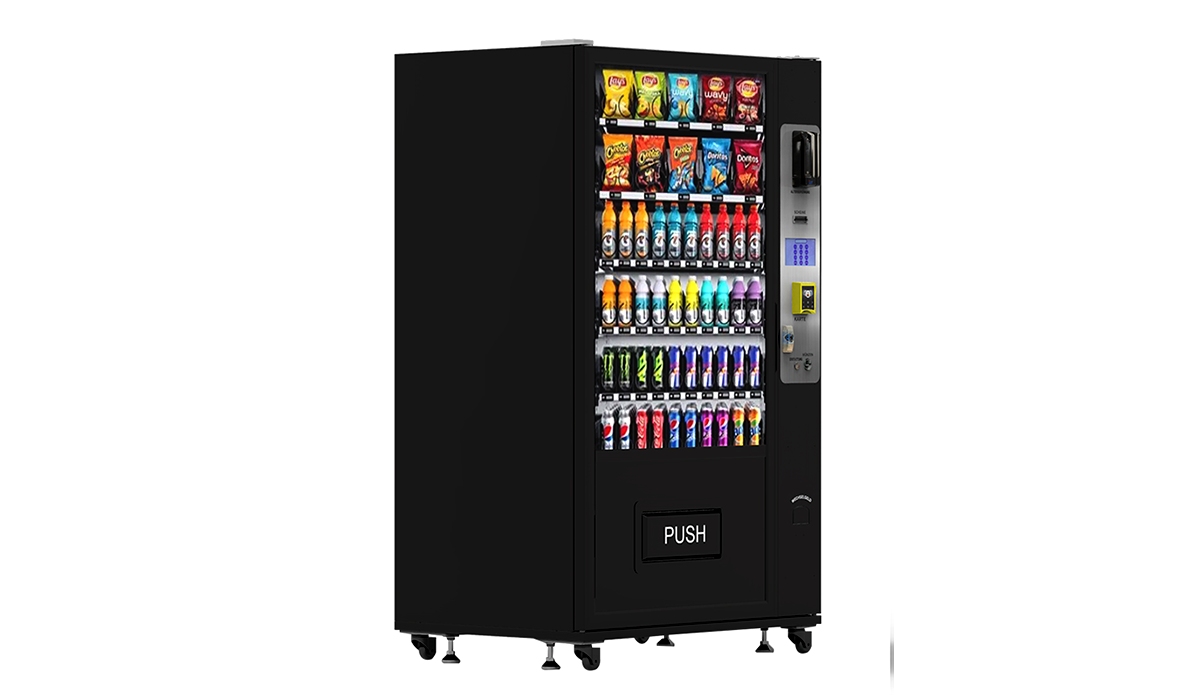
Full-Service Removal and Disposal
This is the most common service for operators who are exiting a location permanently or scrapping an old machine. The company handles the disconnection, transportation, and disposal. They will remove the machine from the site, load it onto a truck, and take it to a recycling facility or a scrap yard. Prices for this service in the US typically range from $150 to $400 per machine, depending on the machine's size and the distance to the disposal site.
I prefer this option when the machine is older than seven years and has a major compressor failure. The repair cost simply outweighs the machine's value. For example, a 10-year-old snack machine with a failed logic board is rarely worth fixing. Full-service removal allows you to claim a disposal loss on your taxes and move on.
Relocation Services
If you are moving a machine from a bad location to a promising one, you need a relocation service. This is different from disposal because the machine needs to be handled carefully. The removal team must secure the product trays, disconnect the refrigeration unit properly, and transport the machine upright.
I once lost an entire refrigeration system because a mover laid a soda machine on its side. The oil flooded the compressor lines, and the machine was dead on arrival at the new site. A specialized relocation service will charge between $200 and $500, but they use tilt-and-load equipment and understand the internal mechanics. This is where you get what you pay for.
Salvage and Buyback Services
Some removal companies will actually pay you for your machine if it is in decent condition. This is common for machines that are five years old or newer and have working refrigeration and card readers. The buyback price depends on the brand, model, and condition. A well-maintained Crane National 167 snack machine might fetch $800 to $1,200 from a salvage company.
I have used this option when I upgraded my fleet. Instead of paying for removal, I sold the old machines directly to the removal company. They handled the logistics, and I walked away with cash. It is a win-win if your equipment has resale value.
Key Factors in Selecting a Removal Contractor
You cannot just pick the first name that appears in a Google search. I have learned this the hard way. Choosing the right vending machine removal contractor requires vetting them on several specific criteria.
Insurance and Liability Coverage
This is non-negotiable. If a removal team damages the location's floor, wall, or doorway, you are liable unless the contractor has proper insurance. I require every contractor I hire to provide a certificate of insurance showing general liability coverage of at least $1 million. In Europe, look for coverage of at least €1 million.
One of my colleagues in Florida had a removal team drop a 900-pound machine through a drywall. The contractor had no insurance, and my colleague ended up paying $3,000 in repairs. Always ask for proof of insurance before you schedule the job.
Experience with Different Machine Types
A company that only moves soda machines might not know how to handle a frozen food machine with a complex refrigeration loop. If you have a machine with a robotic arm or a high-end coffee brewer, you need a team that has experience with those specific systems. Ask them directly: "Have you removed a machine with a bean-to-cup brewer?"
I once hired a general moving company to remove a coffee machine. They broke the water line connection, and water leaked into the machine's electronics. The repair cost me $450. Specialized vending machine removal teams know where the fragile components are and how to disconnect them safely.
Pricing Transparency
Beware of quotes that seem too good to be true. A $99 removal quote often comes with hidden fees for stairs, long carries, or disposal. I always ask for a written quote that includes:
- Base removal fee
- Fee per flight of stairs (if applicable)
- Travel distance fee (per mile or kilometer)
- Disposal or recycling fee
- Any surcharge for machines over 1,000 pounds
A transparent contractor will give you a flat rate or break down these costs clearly. If they hesitate, move on to the next candidate.
Equipment Considerations: What to Do Before the Removal
Once you have selected your removal contractor, you need to prepare the machine. This is a step that many beginners skip, and it causes problems on removal day.
First, empty all product and cash. Remove any remaining inventory and count it for your records. Second, clean the machine thoroughly. A dirty machine attracts pests and makes the removal team's job unpleasant. Third, disconnect the power and any payment system cables. If you have a telemetry system, remove the SIM card or cellular modem.
I also recommend taking photos of the machine and the location before the removal team arrives. This protects you in case the contractor damages the site. Document the condition of the floor, walls, and doorways. A simple set of photos can save you from a disputed damage claim.
Cost Breakdown: What You Should Expect to Pay
Based on my experience across different US states and European markets, here is a realistic cost table for vending machine removal services. These are estimates and will vary by region and machine size.
| Service Type | Machine Size/Type | Estimated Cost (USD) | Estimated Cost (EUR) |
|---|---|---|---|
| Full-Service Removal | Standard snack (under 600 lbs) | $150 – $250 | €130 – €220 |
| Full-Service Removal | Soda or combo (over 800 lbs) | $300 – $450 | €260 – €390 |
| Relocation (local) | Any machine | $200 – $500 | €170 – €430 |
| Salvage/Buyback | Working machine (under 5 yrs) | $500 – $1,200 | €430 – €1,050 |
| Emergency Removal | Any machine (24-hour notice) | $400 – $700 | €350 – €600 |
According to data from IBISWorld, the vending machine operator industry in the US has an average profit margin of around 6.5% to 8.5% after all expenses. This means that an unnecessary removal cost of $400 can wipe out the profit from a good location for an entire month. Being strategic about removal is not just logistics; it is financial management.
Common Mistakes Beginners Make with Removal
I have seen the same errors repeated by new operators year after year. Avoiding these mistakes will save you money and headaches.
Waiting Too Long to Remove a Bad Machine
The sunk cost fallacy is real. You spent $5,000 on the machine and $1,000 on installation. You do not want to admit it failed. But every week that machine sits idle or losing money, it costs you more in opportunity. I have a strict 90-day rule. If the machine has not hit its break-even point by month three, it is gone.
Not Checking the Machine's Weight and Dimensions
A standard snack machine weighs about 600 pounds. A soda machine can weigh over 900 pounds when fully stocked. If your location is on the second floor with no elevator, the removal cost will double or triple. Always measure the doorways and hallways before you schedule removal. I once had a team arrive only to find the machine was 2 inches wider than the doorway. They had to disassemble the door frame, which added $200 to the bill.
Ignoring the Payment System
If your machine has a modern cashless payment system, that component is often worth more than the machine itself. A working card reader can be sold for $100 to $300 on the secondary market. Remove the payment system before the machine is hauled away. I have seen contractors accidentally scrap machines with valuable readers still installed.
How to Evaluate a Removal Company's Reputation
In the automated retail industry, reputation is everything. A bad removal contractor can damage your relationship with a property manager, making it impossible to place a new machine there in the future.
Check online reviews on platforms like Google Business and Yelp, but also ask for references from other vending operators. Join industry forums like the National Automatic Merchandising Association (NAMA) in the US or the European Vending Association (EVA) networks. Operators in these communities are usually willing to share their experiences with removal contractors.
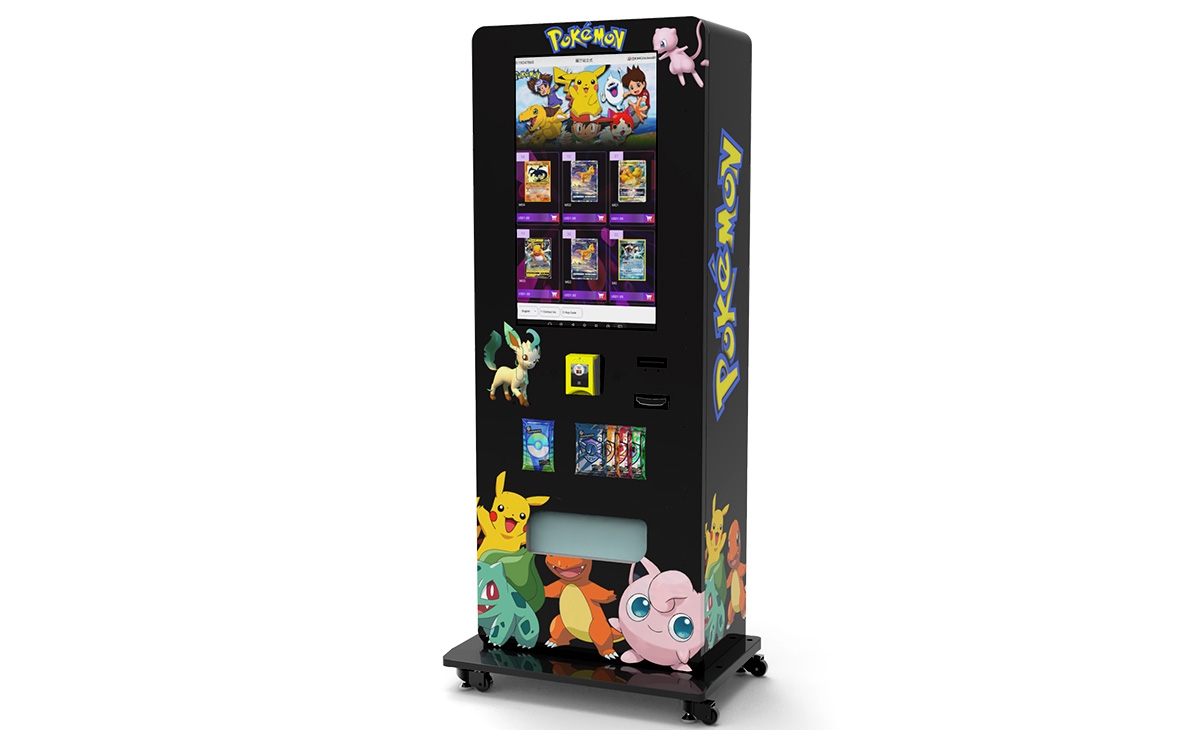
I also recommend asking the contractor for photos of recent removals. A reputable company will have a portfolio showing clean, damage-free removals. If they cannot provide any, that is a red flag.
Supplier Selection: Where to Get Your Next Machine
While removal is about ending a relationship with a location, it is also the beginning of a new investment. Once you free up capital and space, you will likely want to purchase a new machine for a better location. Choosing a reliable manufacturer is critical.
When I look for a supplier, I prioritize build quality, warranty terms, and after-sales support. A manufacturer that offers a two-year warranty on parts and has a responsive technical support team is worth paying a premium for. I have had good experiences with Zhongda Smart for mid-range machines that balance cost with reliability. They offer solid customization options for payment systems and telemetry, which is important for modern vending operations.
For high-traffic locations, I prefer machines with durable steel frames and energy-efficient refrigeration. The initial cost might be 15% to 20% higher, but the total cost of ownership over five years is lower because you spend less on vending machine repair and maintenance.
Data Sources and Industry Context
To make informed decisions, you need reliable data. According to a 2023 report by Statista, the global vending machine market was valued at approximately $30 billion in 2022, with the US and Europe accounting for over 60% of that revenue. The average US vending machine generates between $300 and $600 in monthly sales, but top-performing machines in hospitals and transportation hubs can exceed $2,000 per month.
The European Vending Association reports that the average coffee vending machine in Europe generates around €1,200 per month in high-traffic office locations. These figures reinforce why location selection is more important than the machine itself. A mediocre machine in a great location will outperform a great machine in a dead location every time.
FAQ: Choosing the Right Vending Machine Removal
Does removing a vending machine cost money?
Yes, in most cases. Full-service removal typically costs between $150 and $450 depending on the machine size and location. If the machine has resale value, some companies will buy it from you instead of charging a removal fee.
How long does a vending machine removal take?
A standard removal takes 30 to 60 minutes on site, plus travel time. Complex removals involving stairs or narrow doorways can take up to two hours.
Can I remove a vending machine myself?
Technically yes, but I do not recommend it. A standard snack machine weighs over 500 pounds. Without proper equipment like a hand truck with stair climbers, you risk injury or property damage. Professional removal is worth the cost.
What happens to the product inside the machine?
You are responsible for removing all product before the removal team arrives. Any leftover product is usually discarded or donated. I recommend donating expired or near-expiry snacks to avoid waste.
Do I need to notify the location manager before removal?
Yes, always. Give at least 48 hours' notice. Some contracts require written notice. Check your location agreement to avoid breaching terms.
Can a removal company help me sell my old machine?
Some companies offer buyback services. They will inspect the machine and offer a cash price. This is a good option if you want to avoid listing the machine online and dealing with negotiations.
What if the machine is bolted to the floor?
The removal team will unbolt it, but this may add a small fee. If the machine is anchored for security reasons, the contractor needs the right tools to remove the bolts without damaging the flooring.
How do I choose between removal and repair?
If the repair cost exceeds 50% of the machine's current value, removal is usually the better option. For example, if a machine is worth $800 and the compressor repair costs $500, it is time to remove and replace.
Choosing the right vending machine removal is a decision that combines financial discipline, operational logistics, and a clear understanding of your business goals. I have seen operators turn around their entire route profitability simply by removing three or four bad machines and reallocating that capital to better locations. The process is not glamorous, but it is essential. Take your time vetting contractors, prepare your equipment properly, and always keep your long-term profitability in mind.
This article was updated in May 2025. All cost estimates are based on personal operational experience in the US and European markets and should be verified with local contractors. Data references from Statista and the European Vending Association are cited for general market context.