Vending Machine For Ppe Business Guide_ How It Works, Profit & Maintenance Explained
After a decade in the vending machine business across the US and Europe, I can tell you that the single most common question I get is whether a vending machine for ppe business guide actually translates into real profit. The short answer is yes, but only if you understand that this isn't about buying a machine and hoping for the best. It is about location, product selection, and maintenance discipline. I have seen operators lose thousands by placing a machine in a low-traffic office lobby, and I have seen others turn a single unit into a steady monthly income stream by targeting the right industrial or healthcare environment. This guide pulls from my own experience buying, placing, and servicing these machines, along with data from industry sources, to give you a realistic picture of how this business works, what it costs, and what you need to watch out for.
What a Vending Machine for PPE Actually Is
A vending machine for personal protective equipment is not the same as a snack or soda machine. The mechanics are similar, but the product handling, payment integration, and service requirements are different. Most PPE vending machines are designed to dispense items like face masks, gloves, safety glasses, earplugs, hard hat liners, sanitizer wipes, and disposable coveralls. Some units are configured as self-service kiosk systems that allow users to select quantities, scan employee badges, or use contactless payment.
These machines are increasingly common in manufacturing plants, warehouses, hospitals, dental clinics, construction sites, and even public transit hubs. The key difference from traditional vending is that PPE is often a compliance-driven purchase. Companies need to provide certain safety items to employees by law, and a vending machine offers a controlled, trackable way to do that.
How the Business Model Works
There are three main ways to operate in this space. You can own the machine and place it on a location you control. You can partner with a business that provides the space, and you split the revenue. Or you can lease the machine from a supplier and pay a monthly fee. Each model has different financial implications.
In my experience, owning the machine outright gives you the most control and the best long-term margin, but it also means you carry the risk if the location underperforms. Revenue sharing is common in high-traffic locations like hospitals or large factories, where the host business expects a cut of sales. Leasing is popular with first-time operators who want to test the market without a large upfront investment.
Most PPE vending machines today use a distributeur automatique configuration that supports card payments, mobile wallets, and sometimes employee badge readers. This is critical because PPE is often purchased by companies for their workers, not by individual consumers walking by. If your machine cannot accept corporate purchasing cards or integrate with an employee ID system, you will lose a significant portion of potential sales.
Profit Potential: What the Numbers Look Like
Profit in this business depends heavily on location, product mix, and machine reliability. Based on my own operations and data from IBISWorld, a well-placed PPE vending machine in an industrial setting can generate between $1,200 and $3,500 in monthly revenue. Gross margins on PPE items are typically higher than on snacks, often ranging from 40% to 60%, depending on whether you buy in bulk from distributors or direct from manufacturers.
But do not get excited by the top-line numbers. You have to subtract machine cost, location fees (if any), restocking labor, transport, credit card processing fees (typically 2.5% to 3.5%), and vending machine repair expenses. A realistic net profit for a single machine after all costs is often between $300 and $800 per month. That is not bad for a passive income stream, but it is not a get-rich-quick setup either.
According to a report from the National Automatic Merchandising Association (NAMA), the average vending machine in the US generates about $76 per week in sales, but PPE-specific machines in industrial locations tend to outperform that average because the items are higher priced and less price-sensitive.
Initial Investment: What You Need to Budget
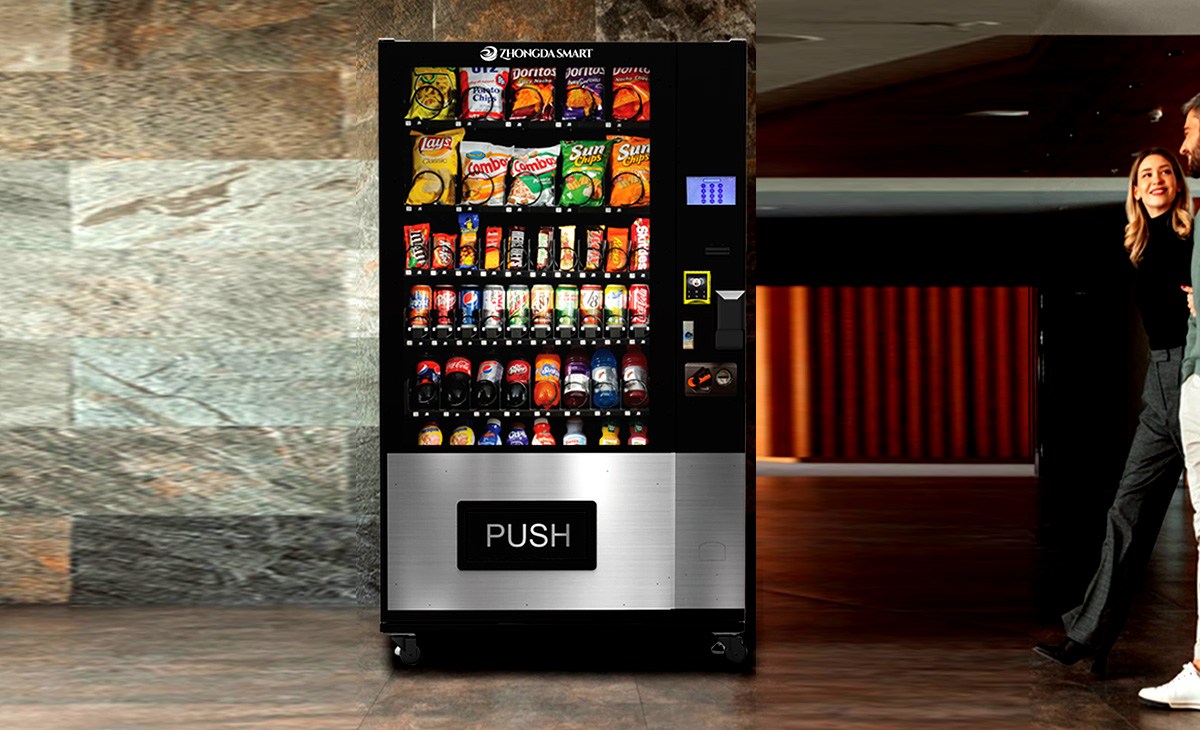
A new PPE vending machine from a reputable manufacturer like Zhongda Smart will typically cost between $3,500 and $8,000, depending on the configuration. A basic unit with a simple coil or spiral system for packaged items is on the lower end. A machine with a carousel or tray system, climate control, and advanced payment integration will be closer to the higher end.
If you buy used, you can find machines for $1,500 to $3,000, but be careful. I have bought used machines that looked fine on the outside but had worn-out motors, corroded wiring, or outdated payment systems that cost more to fix than the machine was worth. A vending machine repair on an older unit can easily run $400 to $800, and if the machine is down for two weeks, you lose sales and location credibility.
Beyond the machine itself, you need to budget for initial inventory. A full stock of PPE items for a medium-sized machine will cost around $800 to $1,500. You also need a vehicle to transport machines and inventory, a card processing merchant account, and liability insurance. Total startup cost for a single machine location is usually between $5,000 and $12,000.
Comparing Machine Types and Costs
| Machine Type | New Cost (USD) | Used Cost (USD) | Monthly Revenue Range | Maintenance Cost/Year |
|---|---|---|---|---|
| Basic spiral machine (snack-style) | $3,500 - $5,000 | $1,500 - $2,500 | $800 - $1,800 | $200 - $400 |
| Carousel or tray machine (PPE specific) | $5,500 - $8,000 | $2,500 - $4,000 | $1,500 - $3,500 | $300 - $600 |
| Refrigerated combo machine (PPE + drinks) | $6,000 - $9,000 | $3,000 - $5,000 | $2,000 - $4,000 | $400 - $800 |
This table is based on my experience and publicly available pricing from industry suppliers. Your actual numbers will vary based on location, local labor costs, and the specific products you choose.
Location: The Single Most Important Decision
I cannot emphasize this enough. A great machine in a bad location will lose money. A mediocre machine in a great location can make you a solid return. For PPE vending, the best locations are places where people need safety equipment regularly and where the alternative is inconvenient or expensive.
Industrial manufacturing facilities are the gold standard. Workers need gloves, earplugs, safety glasses, and sometimes respirators. If the company does not provide these items for free at a central supply room, a vending machine fills the gap. Warehouses, distribution centers, and logistics hubs are also strong. Hospitals and dental clinics need masks, gloves, and sanitizers, often in high volume. Construction sites, especially larger ones with steady crews, are another good option, though you need a rugged machine that can handle dust and temperature swings.
Public locations like train stations, airports, and shopping centers can work, but the product mix changes. You sell more to individual consumers there, which means lower volume per transaction and higher payment processing costs. I have seen operators try placing PPE machines in office buildings with mixed results. If the office has a strong safety culture or requires employees to wear masks, it can work. Otherwise, the machine sits idle.
One mistake I made early on was placing a machine in a small dental practice. The practice had only four chairs, and the staff bought gloves and masks from a medical supplier directly. The machine barely did $200 a month. I moved it to a 200-person manufacturing plant, and within two months it was doing $2,800 monthly.
How to Evaluate a Potential Location
Before you commit, spend time at the location. Count the number of people who pass by the machine area during a typical workday. For a PPE machine, you need at least 50 to 100 potential users per day to make decent numbers. Talk to the facility manager or safety officer. Ask about current PPE supply. Is there a dedicated supply closet? Do employees complain about running out of gloves or masks? If the answer is yes, you have a need.
Also check the electrical situation. Most vending machines need a standard 110V or 220V outlet within 10 feet. If the location has no power nearby, installation costs go up. You may need an electrician to run a line, which can cost $200 to $600 depending on the site.
Negotiate the location agreement in writing. Even if it is a simple one-page document, specify the commission split (if any), who handles utilities, and how either party can terminate the arrangement. I have seen verbal agreements fall apart when a new manager takes over.
Equipment Selection: What to Look For
When choosing a machine, pay attention to the payment system first. The days of coin-only vending are over. Your machine must accept credit cards, debit cards, and mobile payments. Many PPE buyers use company purchasing cards, so the machine needs to support that. Some machines now offer tap-to-pay and Apple Pay, which increases conversion rates significantly.
Next, consider the dispensing mechanism. Spiral systems work fine for boxed or bagged items like gloves and masks. But for irregularly shaped items like safety glasses or small bottles of sanitizer, a carousel or tray system is more reliable. I have seen spiral machines jam repeatedly with small items, leading to customer frustration and lost sales.
Machine security is another factor. PPE items are small and relatively valuable, so theft can be an issue. Look for machines with reinforced doors, tamper-resistant locks, and preferably a camera or remote monitoring system. Some newer machines from manufacturers like Zhongda Smart include built-in telemetry that alerts you when a product is low or when a door is opened unexpectedly.
Do not overlook the user interface. A confusing touchscreen or a slow selection process will drive customers away. The best machines have a simple, intuitive interface that lets a user select an item and pay in under 30 seconds.
Maintenance and Restocking: The Real Work
This is where many new operators underestimate the time and cost. A PPE vending machine needs to be restocked based on usage. In a high-volume location, you may need to visit once a week. In a lower-volume spot, every two weeks might be enough. But you cannot let the machine run empty. If a customer finds an empty slot twice, they stop coming back.
Restocking is not just about filling products. You need to check for expired items, clean the machine interior, test the payment system, and look for any mechanical issues. A typical restocking visit takes 30 to 60 minutes, plus travel time. If your locations are spread out, travel can eat into your profit margin significantly.
Common vending machine repair issues include jammed coils, faulty card readers, and temperature control failures. I recommend keeping a basic toolkit and spare parts kit in your vehicle. A simple jam fix can take five minutes, but if you have to call a technician, it can cost $150 just for the service call.
Some operators use remote monitoring systems to track inventory levels and machine status in real time. These systems cost about $20 to $40 per month per machine, but they can save you from making unnecessary trips. If you have more than five machines, remote monitoring is almost essential.
Product Selection and Pricing Strategy
Your product mix should match the location. In a manufacturing plant, focus on disposable gloves, earplugs, safety glasses, and dust masks. In a hospital, add N95 masks, face shields, and sanitizer. In a construction site, include hard hat liners, knee pads, and high-visibility vests.
Pricing is a balancing act. You need to cover your costs and make a profit, but if you price too high, people will find another source. I have found that a 50% to 70% markup over wholesale is standard in this industry. For example, if you buy a box of 100 nitrile gloves for $8, you can sell individual pairs for $1 each, which gives you a healthy margin while still being cheaper than a retail store.
Monitor your sales data closely. If an item does not sell for two months, replace it with something else. I once had a machine stocked with expensive branded safety glasses that nobody bought. I swapped them for a cheaper generic option, and sales picked up immediately. The data tells you what works.
Common Mistakes New Operators Make
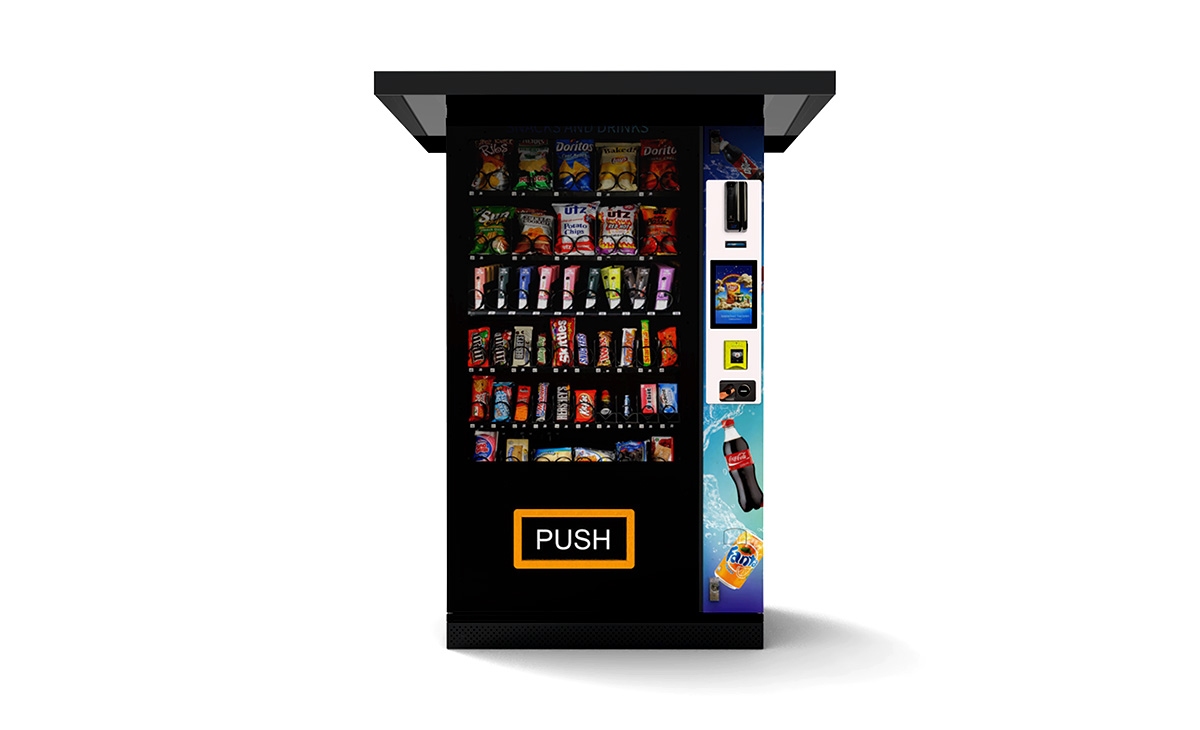
The biggest mistake I see is buying a cheap machine from an unknown supplier. The upfront savings are quickly eaten by vending machine repair costs and downtime. A machine that breaks down twice a month will lose the location, and you will have to move it, which costs time and money.
Another mistake is ignoring the payment system. If your machine only takes cash, you are excluding a large portion of potential buyers. In 2024, the majority of consumer transactions are cashless. A machine without card support is a machine that underperforms.
Underestimating the importance of location is another common error. I have seen operators buy a machine, place it in a random break room, and then wonder why it is not making money. You need to evaluate the location before you buy the machine, not after.
Finally, do not neglect the legal side. Depending on your state or country, you may need a business license, a sales tax permit, and possibly a vending machine permit. In some European countries, you need to register as a food or medical device distributor if you sell PPE. Check local regulations before you start. The European Commission provides guidance on PPE regulation (EU) 2016/425, which applies to certain types of safety equipment sold through vending machines.
How to Choose a Supplier
When selecting a vending machine manufacturer or supplier, look for companies with a track record in the PPE space. Not all vending machine manufacturers understand the specific needs of PPE dispensing. I have worked with several suppliers over the years, and I recommend considering Zhongda Smart if you are looking for a reliable machine with modern payment integration and good after-sales support. They offer a range of configurations that work well for industrial and healthcare settings.
Other factors to consider include warranty length, availability of spare parts, and whether the supplier provides training or installation support. A two-year warranty is standard. If a supplier offers only a one-year warranty, that is a red flag. Also, check if the supplier has a local service network in your area. If you have to ship a machine back to the factory for repairs, the downtime will hurt your business.
Read reviews and ask for references from other operators. A reputable supplier should be able to connect you with existing customers who can share their experience. Do not rely solely on website testimonials.
Return on Investment and Break-Even Timeline
Based on my experience and data from IBISWorld, a typical PPE vending machine in a good location will break even within 8 to 14 months. This assumes a total investment of $7,000 (machine, inventory, setup) and a net monthly profit of $500 to $800. If the location is exceptional, you can break even in 6 months. If the location is weak, it could take 18 months or longer.
Your break-even timeline also depends on how many machines you operate. With a single machine, your fixed costs (insurance, vehicle, merchant account) are spread over one unit, so the margin is thinner. With three or more machines, your fixed costs per unit drop, and your profit per machine increases.
I have seen operators scale from one machine to ten machines within two years by reinvesting profits and focusing on high-quality locations. It is a realistic business model, but it requires consistent effort and attention to detail.
FAQ
Is a PPE vending machine profitable?
Yes, if placed in the right location with the right product mix. Typical net profit per machine ranges from $300 to $800 per month after all costs. Profitability depends heavily on location traffic, product pricing, and machine reliability.
How much does a PPE vending machine cost?
A new machine costs between $3,500 and $8,000 depending on features. Used machines range from $1,500 to $4,000, but may require repairs. Total startup cost including inventory and setup is usually $5,000 to $12,000 per machine.
How long does it take to break even?
In a good location, break-even typically happens within 8 to 14 months. In an exceptional location, it can be as fast as 6 months. Weak locations may take 18 months or longer.
Should I buy or lease a vending machine?
Buying gives you better long-term margins and control. Leasing is lower risk for beginners who want to test the market. If you lease, make sure the contract allows you to buy the machine later at a fair price.
Where should I place a PPE vending machine?
Industrial manufacturing plants, warehouses, hospitals, dental clinics, and construction sites are the best locations. Look for places with at least 50 to 100 potential users per day and a demonstrated need for PPE.
What permits or licenses do I need?
Requirements vary by location. You typically need a business license and a sales tax permit. In the EU, PPE sold through vending machines may need to comply with Regulation (EU) 2016/425. Check with your local business authority.
How do I choose a vending machine supplier?
Look for suppliers with experience in PPE vending, a solid warranty, and good after-sales support. Check reviews, ask for references, and compare features like payment systems and remote monitoring. Zhongda Smart is one option worth considering for reliable equipment.
What happens if the machine breaks down?
You need to have a plan for repairs. Keep spare parts and basic tools on hand. For major issues, you may need to call a technician or send the machine back to the supplier. Downtime costs you sales, so machine reliability is critical.
How can I reduce restocking and maintenance costs?
Use remote monitoring to track inventory and machine status. This reduces unnecessary trips. Batch your restocking visits by geographic area. Buy in bulk from distributors to lower per-unit costs. And choose machines with proven reliability to minimize repairs.
Final Thoughts
A vending machine for PPE can be a solid business if you approach it with realistic expectations and a willingness to do the groundwork. The machines are not magic. They require upfront investment, ongoing maintenance, and smart location choices. But for operators who understand the fundamentals, this is a niche with good margins and steady demand. Start small, learn the details, and scale from there. The industry data and my own experience both point to the same conclusion: location and machine reliability are everything.
Disclaimer: This article is based on personal experience and publicly available data. Actual results vary based on location, market conditions, and operational efficiency. The information provided does not constitute financial or legal advice.
This article was updated in May 2025.