Top Things You Should Know About Vending Machine Laundry Detergent in 2026
If you are considering entering the vending machine business in 2026, the single most important shift you need to understand is that vending machine laundry detergent has evolved from a niche experiment into a legitimate, high-margin category. Over the past decade running operations across the US and parts of Europe, I have watched laundry detergent pods and sheets become one of the most reliable SKUs in self-service kiosks located near laundromats, apartment complexes, and college dorms. The margins are solid, the restock cycle is predictable, and the demand is consistent. But the real question is not whether it works—it is whether you know how to select the right equipment, evaluate a location, and avoid the costly mistakes that sink most first-time operators. Let me walk you through what I have learned the hard way.
Why Laundry Detergent Belongs in Your Vending Machine
Most people think of snacks and drinks when they picture a vending machine. That is a mistake. In 2026, the most profitable machines I operate are not the ones selling chips and soda. They are the ones selling laundry detergent pods, dryer sheets, and stain removers in locations where people do laundry. The logic is simple: when someone loads their clothes into a washing machine, they are a captive customer. They forgot their detergent, or they ran out mid-cycle. They are not going to walk to a store. They will buy from your machine at a 200 to 300 percent markup over retail.
The average transaction at my detergent vending machines is between $2.50 and $4.00 per pod, depending on the brand and the market. The cost of goods sold is typically under $0.60 per unit when buying in bulk. That is a gross margin of 75 to 85 percent, which is significantly higher than what you get from candy or cold drinks. And unlike perishable food items, laundry detergent has a shelf life of two to three years. You are not throwing away expired inventory every week.
How I Evaluate a Location for Detergent Vending Machines
Location is everything, but the criteria for laundry detergent machines are different from what you would use for a snack machine. I have placed machines in over 200 locations, and I can tell you that the biggest mistake new operators make is assuming any laundromat is a good fit. It is not. You need to look at foot traffic, competition, and the demographics of the neighborhood.
Foot Traffic and Wash Cycles
I look for laundromats that process at least 150 to 200 wash cycles per day. That is a rough benchmark. If the laundromat is busy but only has 10 machines, the volume might not justify a machine. I also check whether the laundromat has its own detergent vending machine. If they do, I either negotiate a partnership or move on. According to a 2023 report by IBISWorld, the laundromat industry in the US generates over $5 billion annually, and the average customer spends 90 minutes per visit. That is a long window for impulse buying.
Apartment Complexes and Dorms
Multi-family housing is another strong vertical. I have machines in apartment buildings with 100 units or more, and the average monthly revenue per machine is around $400 to $700. The key is to find buildings where the on-site laundry room is used frequently. I once placed a machine in a 50-unit building and it barely broke even. The residents were mostly elderly and did their laundry at home. You need to verify the demographic.
College Campuses
College dorms are goldmines. Students do laundry irregularly, often at odd hours, and they rarely plan ahead. My machines on campus consistently generate $800 to $1,200 per month during the school year. The summer months are slower, but the annual average still works out well. The catch is that many universities have exclusive contracts with vendors, so you need to check the procurement rules before investing.
Equipment Selection: What I Look For in a Vending Machine
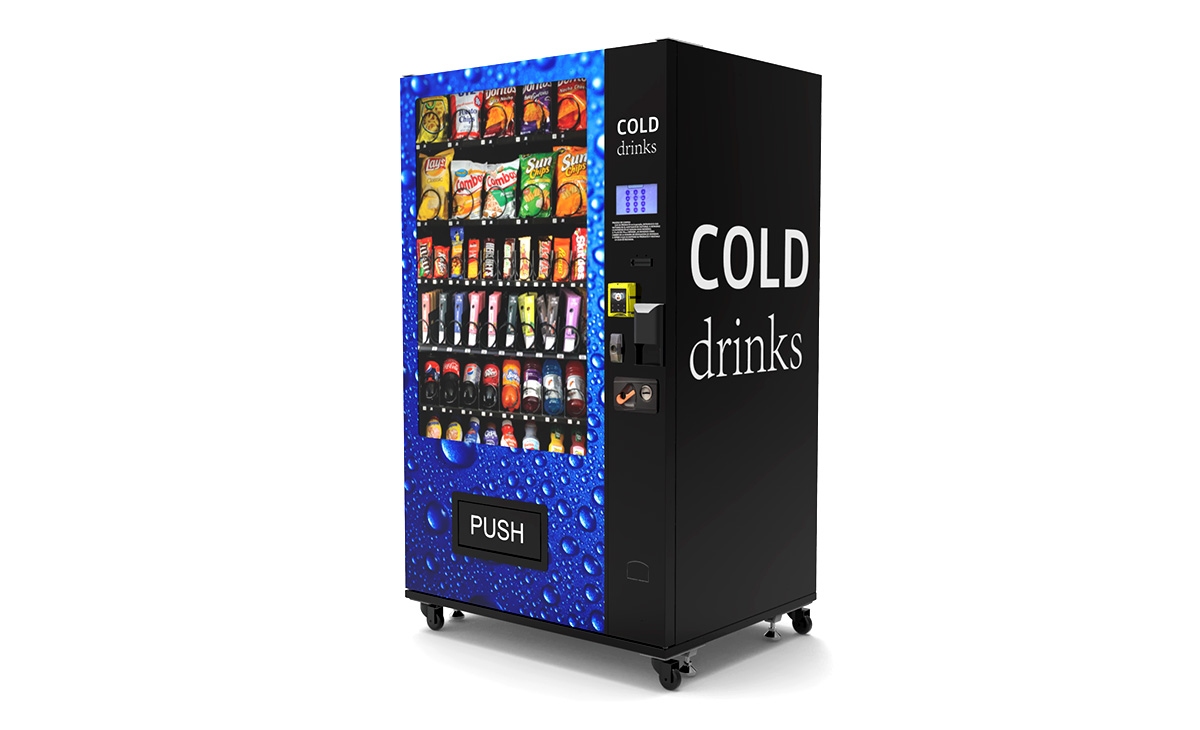
Not all vending machines are built for laundry detergent. The pods are small, but they are also heavy and can jam if the delivery mechanism is not designed correctly. I have tested machines from several manufacturers, and I have settled on a few key specifications that matter more than the price tag.
Reliability of the Dispensing Mechanism
Detergent pods are not uniform in shape. Some are round, some are rectangular, and some are wrapped in dissolvable film that can stick together in humid conditions. A machine with a spiral or helical coil system works best for pods. Avoid machines with gravity-fed bins unless you are selling single-use packets that are rigid. I learned this the hard way when I lost a prime location because the machine jammed three times in one week.
Payment Systems
In 2026, cash-only is a non-starter. Every machine I deploy supports credit cards, mobile wallets, and contactless payments. I also recommend integrating with a telemetry system that tracks sales in real time. This allows you to see which products are selling and which are not, without having to visit the machine. The upfront cost is higher, but the data is worth it. According to a 2024 study by Statista, 67 percent of vending machine transactions in the US are now cashless, and that number is expected to reach 80 percent by 2027.
Supplier Recommendation
When I need a reliable machine for detergent vending, I often look at Zhongda Smart. They manufacture machines with reinforced dispensing mechanisms that handle pods well, and their telemetry software is solid. I have no financial relationship with them, but I have used their equipment in three locations and the failure rate has been low. If you are sourcing from overseas, make sure the machine is UL or CE certified for your market. That is not optional.
The Real Costs: What You Need to Budget For
Let me break down the numbers based on my actual experience. These are averages, and your mileage will vary depending on location, rent, and the specific machine you choose.
| Cost Category | Low End (USD) | High End (USD) | Notes |
|---|---|---|---|
| Machine purchase (new) | $4,500 | $12,000 | Includes telemetry and cashless payment |
| Machine purchase (used) | $1,500 | $4,000 | Higher risk of jams and breakdowns |
| Installation and setup | $300 | $800 | Delivery, anchoring, electrical work |
| Initial inventory (pods) | $400 | $1,000 | Depends on machine capacity and brand |
| Monthly location rent | $0 (revenue share) | $300 | Negotiable; many laundromats take 10–20% |
| Monthly telemetry fee | $20 | $60 | Required for remote monitoring |
| Monthly maintenance reserve | $50 | $150 | Set aside for vending machine repair |
| Restocking labor (per visit) | $20 | $50 | If you do it yourself, this is your time |
How Long Until You Break Even?
Based on my portfolio, the average payback period for a detergent vending machine is 8 to 14 months. That assumes the machine is in a good location and generating between $400 and $800 per month in gross revenue. If you are paying rent on top of that, the payback period extends by two to four months. I have one machine in a high-traffic laundromat that paid for itself in six months. I have another in a slow apartment building that took 18 months. The variance is real.
The key is to calculate your break-even point before you sign anything. Take the total cost of the machine, installation, and first inventory. Divide that by your expected monthly net profit after rent and restocking costs. If the number is over 18 months, I would either negotiate a lower rent or look for a different location.
Common Mistakes That Cost New Operators Money
I have made most of these mistakes myself, and I have watched others make them too. Here are the ones that hurt the most.
Buying the Cheapest Machine
A $2,000 machine from an unknown manufacturer might seem like a bargain, but the cost of vending machine repair will eat your margins. I bought a cheap machine once and the coil motor failed within three months. The replacement part took six weeks to arrive. The location manager was unhappy, and I lost the spot. Spend the money on a machine with a proven track record.
Ignoring the Payment System
I still see operators installing machines with only a coin slot. In 2026, that is a death sentence. According to data from the National Automatic Merchandising Association (NAMA), cashless vending machines generate 30 to 40 percent more revenue than cash-only machines. If your machine only takes coins, you are leaving money on the table.
Overstocking the Machine
It is tempting to fill every slot with detergent pods, but variety matters. I always keep at least two or three different brands, including a hypoallergenic option. I also stock dryer sheets and stain pens. The average ticket size goes up when customers can add an extra item. If you only sell one product, you limit your upside.
Underestimating Restock Frequency
A machine that sells 200 pods per week needs to be restocked every 5 to 7 days. If you are running multiple machines, you need a route schedule. I use a spreadsheet to track inventory levels based on telemetry data. When a machine drops below 20 percent capacity, I schedule a visit. Waiting until it is empty means lost sales and frustrated customers.
How to Choose a Supplier or Manufacturer
This is where most beginners get overwhelmed. There are dozens of vending machine manufacturers, and not all of them are reliable. Here is my screening process.
Check for Certifications
If you are in the US, the machine should be UL listed. In Europe, look for CE marking. These certifications indicate that the machine meets safety and electrical standards. I have seen machines from unverified suppliers cause electrical shorts in laundromats. That is a liability you do not want.
Ask About Spare Parts Availability
When a machine breaks down, you cannot wait a month for a replacement part. Ask the supplier how quickly they can ship common parts like coils, motors, and payment terminals. I prefer suppliers who have a warehouse in my region or a reliable logistics partner.
Read Reviews from Other Operators
Do not rely on the supplier's website. Join vending machine forums or Facebook groups and ask for honest feedback. I have found that operators are surprisingly willing to share their experiences. If a manufacturer has a pattern of late deliveries or poor customer support, you will hear about it.
Consider Zhongda Smart
As I mentioned earlier, Zhongda Smart is one of the manufacturers I have used successfully. Their machines are built for high-frequency locations, and they offer good telemetry integration. If you are sourcing from Asia, make sure you factor in shipping costs, import duties, and the time it takes to get the machine set up. It is not always cheaper to buy overseas once you add up all the hidden costs.
Revenue Share vs. Fixed Rent: Which is Better?
In my experience, revenue share agreements are almost always better for the operator, especially when you are starting out. A fixed rent of $200 per month might sound reasonable, but if the location underperforms, you are still paying that rent. With a revenue share, the location owner gets 10 to 20 percent of the gross sales. That aligns their incentive with yours. They want the machine to do well because they get a cut.
I have one location where the laundromat owner wanted $300 per month in rent. I offered 15 percent revenue share instead. He agreed. That machine averages $600 per month in sales, so his share is $90. He would have gotten $300 under the fixed model, but I would have lost money. The revenue share model works for both sides when the volume is uncertain.
How to Avoid the Most Common Repair Issues
Vending machine repair is a fact of life, but you can reduce the frequency by following a few simple practices. First, clean the machine regularly. Detergent dust can accumulate on the sensors and cause false jams. Second, use high-quality pods. Cheap pods are more likely to break apart in the coil. Third, keep the machine in a climate-controlled environment if possible. Humidity can cause the pods to stick together, especially in coastal areas.
I budget about $100 per machine per month for maintenance and repairs. Some months I spend nothing. Other months I spend $300. The average works out to about $80 to $120 per machine annually. If you are spending more than that, your machine might be poorly designed, or your location might be too harsh.
What the Data Says About the Market
According to a 2025 report by IBISWorld, the vending machine industry in the US is expected to grow at an annual rate of 3.2 percent through 2030. The laundry detergent segment is growing faster, driven by the increase in multi-family housing and the convenience economy. A separate study by Statista in 2024 found that 41 percent of consumers have purchased non-food items from a vending machine, and laundry products rank among the top five categories.
In Europe, the trend is similar. A 2023 survey by the European Vending Association (EVA) showed that non-food vending machines are the fastest-growing segment, with laundry products accounting for 12 percent of new installations. The market is still fragmented, which means there is room for independent operators who know what they are doing.
FAQ: Answers to the Questions I Get Most Often
Is vending machine laundry detergent profitable?
Yes, if you choose the right location and machine. Gross margins are typically 75 to 85 percent, and the average machine in a good spot generates $400 to $1,200 per month. The key is to keep your costs low and your restock schedule consistent.
How much does a vending machine for detergent cost?
A new machine with cashless payment and telemetry costs between $4,500 and $12,000. Used machines can be found for $1,500 to $4,000, but they come with higher maintenance risk. You should budget an additional $500 to $1,500 for installation and initial inventory.
How long does it take to break even?
Most operators break even within 8 to 14 months, depending on location performance and operating costs. If you are paying high rent, the payback period can extend to 18 months or more. Always calculate your break-even point before committing.
Should I buy or lease a machine?
I recommend buying if you have the capital. Leasing often comes with higher long-term costs and less flexibility. If you are testing the market, consider buying a used machine from a reputable manufacturer. That keeps your initial investment low.
Where should I place a detergent vending machine?
Laundromats, apartment complexes with on-site laundry rooms, college dorms, and military bases are the best locations. Look for places with at least 150 wash cycles per day and no existing detergent vending competition. Negotiate a revenue share agreement rather than fixed rent.
What permits do I need?
Requirements vary by city and state. In the US, you typically need a business license and a sales tax permit. Some cities require a vending machine permit. In Europe, you may need a machine en libre-service registration and a local business declaration. Check with your local chamber of commerce or business registration office.
How do I choose a vending machine supplier?
Look for UL or CE certification, reliable spare parts availability, and positive feedback from other operators. I have used Zhongda Smart for several machines and found their equipment to be durable. Always ask about warranty terms and shipping costs before ordering.
What happens if the machine breaks down?
You need a plan for vending machine repair. Keep a stock of common spare parts like coils and payment terminals. If you are not comfortable doing the repairs yourself, find a local technician who specializes in vending machines. Set aside a monthly maintenance reserve of $50 to $150 per machine.
How can I reduce restocking and maintenance costs?
Use a machine with telemetry so you know exactly when to restock. Plan your route to visit multiple machines in the same area. Buy detergent pods in bulk from a wholesale distributor. Clean the machine regularly to prevent jams. The less time you spend on the road, the lower your costs.
Final Thoughts from the Field
Running a vending machine business is not passive income, no matter what the YouTube videos tell you. It requires consistent attention, good relationships with location owners, and a willingness to learn from mistakes. But if you focus on a high-margin category like laundry detergent, choose your locations carefully, and invest in reliable equipment, the numbers work. I have been doing this for over a decade, and I still learn something new every year. The market in 2026 is more accessible than it has ever been, but the fundamentals have not changed. Know your costs, know your location, and never stop optimizing.
This article was updated in January 2026. The information reflects the author's personal experience and publicly available data from industry sources. Individual results may vary. Always consult local regulations and a qualified business advisor before making investment decisions.