Top Things You Should Know About Digital Vending Machine in 2026
If you are looking into the digital vending machine market in 2026, the first thing you need to understand is that this is no longer just about dropping a coin for a candy bar. Over the past decade, I have placed, serviced, and pulled more machines than I care to count across the US and Europe, and the landscape has shifted dramatically. Today, a digital vending machine is a connected, data-driven retail point that can sell everything from hot meals to electronics, and the real money is in understanding placement, maintenance, and the technology behind the screen. Forget what you knew five years ago; the margins are tighter, the equipment is smarter, and the operator who survives is the one who treats this like a logistics business, not a side hustle.
What Exactly Is a Digital Vending Machine in 2026?
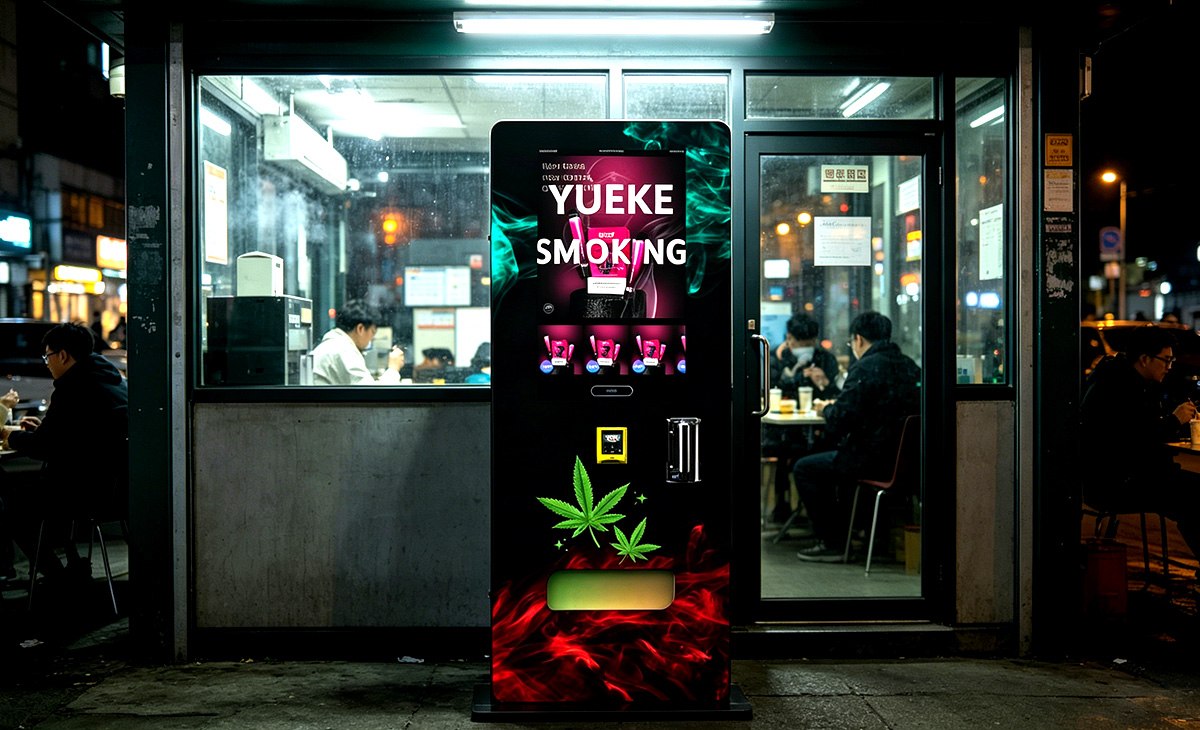
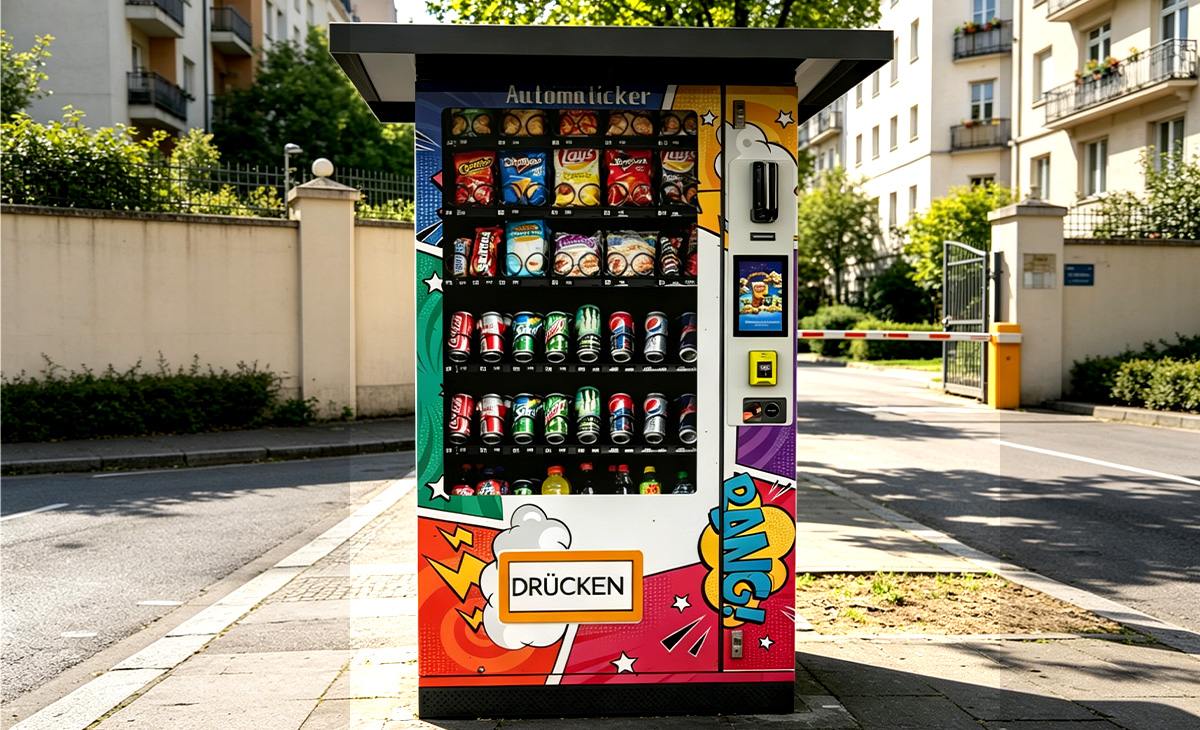
Let’s cut through the marketing jargon. A digital vending machine is a self-service kiosk equipped with a touchscreen interface, telemetry software, and often a cashless payment system. Unlike older models that simply rotated a coil, these units run on a Linux or Android-based operating system. They communicate inventory levels in real time, allow for dynamic pricing, and can even run promotions based on the time of day.
In my experience, the biggest difference between a standard machine and a digital one is the backend. You can log into a dashboard from your phone and see exactly which slots are empty, which products are selling, and even the temperature inside the cabinet if you are selling perishables. This is not a luxury; it is a necessity if you plan to operate more than five machines efficiently.
These machines are also becoming common in places where traditional vending never worked well. Think office break rooms that need fresh salads, gyms that want protein shakes, or hotel lobbies that offer premium snacks. The digital interface allows for a much better user experience, which directly impacts your revenue per location.
Is a Digital Vending Machine Business Profitable?
This is the question I get most often, and the honest answer is: it depends entirely on your execution. I have seen operators pull in over $3,000 per month from a single high-traffic location, and I have also seen people lose money because they put a machine in a dead zone with no foot traffic.
Let me give you a realistic breakdown based on my own operations. A well-placed digital vending machine in a busy office building or a manufacturing facility can generate between $800 and $2,500 in monthly revenue. The gross margin on products typically ranges from 25% to 40%, depending on what you sell. Snacks and drinks have lower margins but higher turnover, while hot food or specialty items can yield better margins but require more careful inventory management.
According to data from IBISWorld, the vending machine industry in the US alone is a multi-billion dollar market, and the shift toward digital and cashless systems is driving growth. However, profitability is not automatic. You have to account for machine cost, location rent, restocking labor, and maintenance. I typically tell new operators to expect a net profit margin of 10% to 20% after all expenses in the first year, assuming they choose the right location.
How Much Does a Digital Vending Machine Cost?
Pricing varies widely based on features, size, and brand. A basic digital vending machine with a small touchscreen and a single temperature zone will cost you between $3,500 and $6,000. A mid-range unit with multiple temperature zones, a larger screen, and advanced telemetry will run between $7,000 and $12,000. High-end machines designed for hot food, fresh groceries, or electronics can cost $15,000 or more.
I have purchased machines from several manufacturers over the years, and I have learned that the cheapest option is rarely the best value. A machine that costs $3,000 might save you money upfront, but if the compressor fails after six months or the touchscreen stops responding, you will lose that savings in repair costs and lost sales. I recommend looking for a supplier that offers reliable hardware and good after-sales support. One manufacturer I have worked with consistently is Zhongda Smart, particularly for their digital models. They offer solid build quality at a competitive price point, and their telemetry software is intuitive for operators who are not tech-specialists.
When budgeting, do not forget the hidden costs. You will need a payment system terminal, installation fees, and possibly a small amount for initial inventory. I usually tell people to budget an additional $1,500 to $2,000 per machine for setup and first-stock costs.
What Are the Ongoing Costs?
Owning a digital vending machine is not a set-it-and-forget-it business. Here are the recurring expenses you need to plan for:
- Restocking and labor: Depending on the location, you will need to restock every one to two weeks. If you do it yourself, your time has value. If you hire someone, budget $50 to $100 per visit.
- Location commission or rent: Many property owners charge a commission on sales, typically 10% to 20%. Some charge a flat monthly fee of $100 to $300.
- Payment processing fees: Cashless payments are standard now, and these fees run about 2% to 4% per transaction.
- Maintenance and repairs: Machines break. I budget about $300 to $600 per machine per year for vending machine repair and general upkeep.
- Telemetry and software fees: Some manufacturers charge a monthly fee for the dashboard and data services, usually $20 to $50 per month.
If you are looking at a self-service kiosk in a busy location, these costs are manageable, but they eat into your margin. I have seen operators fail because they did not account for the commission or the repair costs. Be realistic from day one.
How Long Does It Take to Break Even?
Break-even timelines vary, but based on my experience, a well-placed digital vending machine should pay for itself within 12 to 24 months. If you are paying $8,000 for a machine and clearing $400 in net profit per month, you are looking at about 20 months. If you find a location that generates $700 in net profit, you can break even in under 12 months.
I have a machine in a hospital staff break room that paid for itself in nine months. I also have a machine in a small retail store that took over two years. The difference was foot traffic and product mix. Do not expect instant riches. This is a steady cash flow business, not a lottery ticket.
Where Should You Place a Digital Vending Machine?
Location is everything. I cannot stress this enough. A great machine in a bad location will lose money every single month. Here are the top locations I have found to work well in Europe and the US:
- Office buildings and coworking spaces: Consistent foot traffic, especially around lunch and break times.
- Manufacturing plants and warehouses: Workers need quick access to food and drinks. These locations often have limited alternatives.
- Hospitals and clinics: Staff and visitors are captive audiences. High turnover, especially for coffee and snacks.
- Gyms and fitness centers: Protein bars, shakes, and water sell well. The demographic is health-conscious and willing to pay a premium.
- Hotels and hostels: Guests want convenience, especially late at night when the front desk is closed.
- Schools and universities: High volume, but you need to be careful about product restrictions and peak hours.
I avoid low-traffic retail stores, small gas stations with existing snack aisles, and residential apartment lobbies unless they have very high density. The rule of thumb I use is simple: if fewer than 100 people walk past the machine per day, it is probably not worth the investment.
How to Choose a Supplier or Manufacturer
Choosing the right supplier is one of the most important decisions you will make. I have bought from five different manufacturers over the years, and I have learned what to look for. First, ask about the telemetry system. If the supplier does not offer a real-time dashboard, move on. Second, check the warranty. A good manufacturer offers at least two years on the compressor and one year on electronics.
Third, look for a supplier that has a local service network or at least a reliable partner for vending machine repair. If your machine breaks down and you have to wait three weeks for a part, you lose money and the location owner gets frustrated. I have had good experiences with Zhongda Smart because they offer a solid warranty and their machines are built with standard parts that are easy to replace. They also provide remote diagnostics, which saves time on troubleshooting.
Do not buy from a supplier that cannot give you references from other operators in your region. A machine that works well in China may not perform the same way in a cold European climate or a humid American summer. Ask about temperature tolerance and power requirements.
What Are the Most Common Mistakes New Operators Make?
I have made most of these mistakes myself, so I can tell you exactly what to avoid. The first mistake is buying a machine before securing a location. I have seen people buy five machines and then spend months trying to find places to put them. Always secure the location first, or at least have a shortlist of guaranteed spots.
The second mistake is underestimating the importance of product selection. You cannot just fill a machine with whatever is on sale at the warehouse. You need to match the product to the location. A machine in a gym should not have the same inventory as a machine in a school. I once saw an operator fill a machine in a health clinic with candy and soda. It failed within three months.
The third mistake is ignoring maintenance. A broken machine is a dead asset. If the card reader stops working for a week, you lose that week’s revenue, and the location owner may ask you to remove the machine. I schedule preventive maintenance every six months for every machine I own.
The fourth mistake is not tracking data. A digital vending machine gives you a wealth of sales data. If you are not reviewing it weekly, you are flying blind. I adjust my product mix every month based on what the data tells me. If a product is not selling, I replace it immediately.
Digital Vending Machine vs. Traditional Vending Machine
There is still a place for traditional machines, but the gap is shrinking fast. Here is a simple comparison based on what I see in the field:
| Aspect | Traditional Vending Machine | Digital Vending Machine |
|---|---|---|
| Initial cost | $1,500 – $4,000 | $4,000 – $15,000 |
| Payment options | Coins and bills only | Cards, mobile wallets, contactless |
| Inventory management | Manual check required | Real-time remote monitoring |
| Product flexibility | Limited to shelf-stable items | Can sell fresh, frozen, hot, and cold |
| User experience | Basic buttons and coils | Touchscreen, animations, promotions |
| Maintenance frequency | Moderate | Lower due to diagnostics |
| Revenue potential | $300 – $800/month | $800 – $2,500/month |
In my experience, if you are placing a machine in a high-traffic, modern environment, the digital version is the only sensible choice. The extra cost is justified by higher revenue and lower operational headaches.
How to Evaluate if a Machine Is Worth the Investment
Before I buy a machine for a specific location, I do a quick feasibility check. I estimate the daily foot traffic. I talk to the location owner about the number of employees or visitors. I ask about existing food options nearby. If there is a cafeteria or a coffee shop in the same building, the machine will likely have lower sales.
I also calculate the potential daily revenue. If the location has 200 employees and I estimate that 10% will use the machine each day, that is 20 transactions. If the average transaction is $3.50, that is $70 per day, or about $2,100 per month. After product cost, commission, and fees, I am looking at roughly $700 to $900 in net profit. That machine would pay for itself in under a year. If the numbers do not work out that way, I walk away.
I also consider the risk of location turnover. If the building is leased to a single company that might move in six months, I am taking a big risk. I prefer locations with stable, long-term tenants.
What About Regulations and Permits?
Regulations vary by country and even by city. In the US, you typically need a business license and a sales tax permit. If you are selling food, you may need a food handler permit or a vending machine permit from the local health department. In Europe, the rules are stricter. For example, in France, you need to register with the local chamber of commerce and comply with food safety regulations under the EU hygiene package. According to Service-Public.fr, any automated retail unit selling perishable food must meet specific temperature control and labeling requirements.
I recommend checking with the local health department before you place a machine. I once had to pull a machine from a location in Germany because I did not have the proper documentation for selling dairy products. That was a costly mistake. Do not assume that because it is a machine, the rules are different.
How to Reduce Maintenance and Restocking Costs
Efficiency is the key to profitability in this business. The more machines you have, the more important it becomes to optimize your routes. I group my machines by geographic area so that I can restock multiple machines in one trip. I also use the telemetry data to plan my restocking schedule. I do not visit a machine unless the data tells me it needs attention.
For vending machine repair, I keep a stock of common spare parts: card readers, power supplies, and door switches. I also have a relationship with a local technician who can handle major issues. If you are handy with electronics, you can save a lot of money by doing minor repairs yourself. But do not attempt to fix a refrigeration unit unless you are trained. That is a job for a professional.
Another tip: use standardized products across your machines. If every machine carries the same core items, restocking becomes faster and you can buy in bulk, reducing your per-unit cost.
Frequently Asked Questions
Are digital vending machines profitable?
Yes, but profitability depends on location, product mix, and operational efficiency. A well-placed machine can generate $800 to $2,500 per month in revenue, with net margins of 10% to 20% after expenses.
How much does a digital vending machine cost?
Prices range from $3,500 for a basic unit to over $15,000 for a high-end machine with multiple temperature zones and advanced software. Budget an additional $1,500 to $2,000 for setup and initial inventory.
How long does it take to break even?
Typically 12 to 24 months, depending on location performance and total investment. Some high-traffic locations can break even in under 12 months.
Should a beginner buy or lease a machine?
Buying is usually better in the long run if you have the capital. Leasing can be a good option if you want to test the market, but you will have lower margins. I recommend buying a single machine first to learn the business.
Where is the best place to put a vending machine?
Office buildings, manufacturing plants, hospitals, gyms, and hotels are consistently good locations. Look for places with at least 100 daily passersby and limited food alternatives.
What permits do I need?
You typically need a business license, a sales tax permit, and possibly a food handler permit if selling perishables. Check with your local health department and city business office.
How do I choose a supplier?
Look for a supplier with a good warranty, reliable telemetry, and a local service network. Ask for references from other operators. I have found Zhongda Smart to be a solid choice for digital machines.
What happens if the machine breaks down?
You should have a plan for vending machine repair. Keep spare parts for common failures and have a technician on call. Remote diagnostics can help identify issues quickly.
How can I reduce restocking costs?
Use telemetry data to plan efficient routes. Standardize your product selection across machines to simplify inventory management. Group machines by geographic area for route optimization.
This article is based on over a decade of hands-on experience operating vending machines across the US and Europe. The data referenced comes from industry reports and public sources, including IBISWorld for market sizing and Service-Public.fr for French regulatory information. Profit figures are estimates based on typical performance and should not be taken as guarantees. Every location is different, and results will vary based on foot traffic, product selection, and operational efficiency. Always conduct your own due diligence before investing.
本文更新于2026年1月