Clothing Vending Machine Explained_ Features, Costs, and Market Trends
If you are researching clothing vending machines because you are considering entering the automated retail space, let me save you some time: yes, the concept works, but not in the way most beginners imagine. After more than a decade operating vending routes across the US and parts of Europe, I have seen clothing vending machines succeed in gyms, college campuses, and transit hubs, and I have also seen them fail miserably in malls and office break rooms. The difference comes down to location, product selection, and machine reliability. A clothing vending machine is essentially a self-service kiosk that dispenses apparel items such as t-shirts, socks, underwear, or even accessories like scarves and hats. Unlike a traditional snack or beverage machine, a clothing vending machine requires more careful inventory management, higher upfront investment, and a clear understanding of foot traffic patterns. In this article, I will walk you through the real-world features, costs, and market trends based on what I have learned the hard way.
What Exactly Is a Clothing Vending Machine?
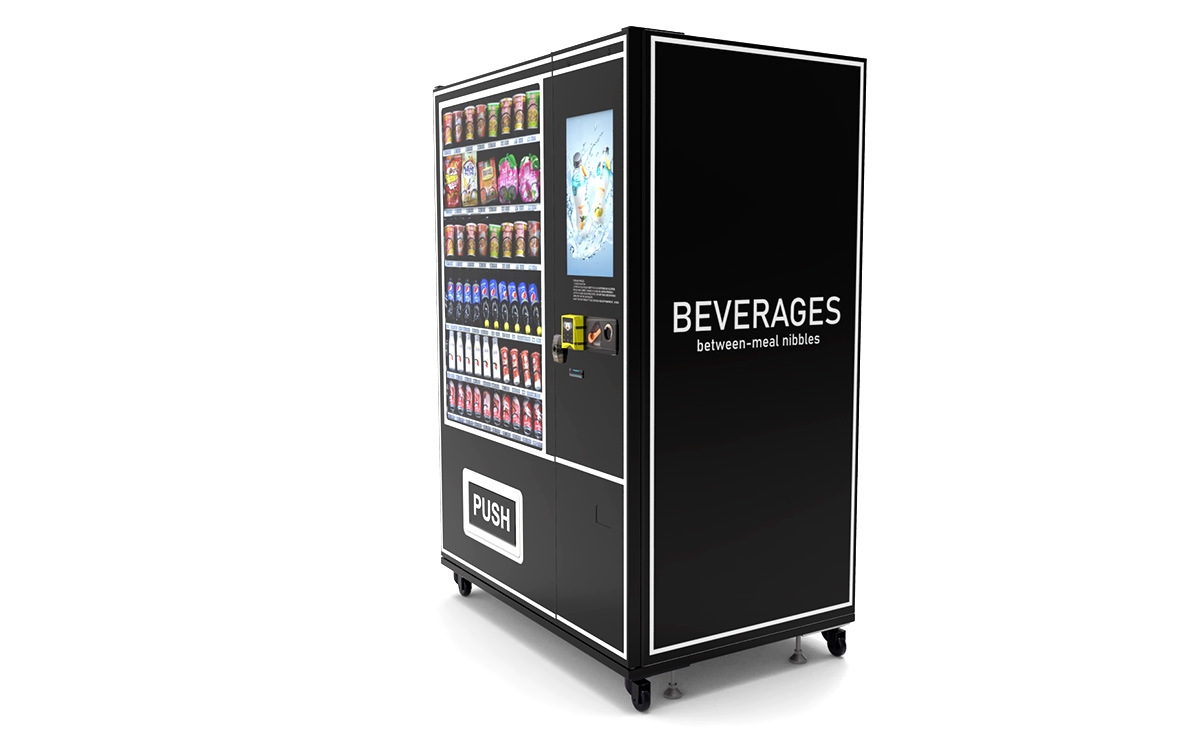
A clothing vending machine is a type of automated retail unit designed to store and dispense apparel items. Think of it as a cross between a traditional vending machine and a small retail store display. These machines typically use a spiral or carousel mechanism to hold folded clothing items, or in some cases, a vertical lift system for bulkier items like jackets or hoodies. Unlike snack machines, clothing vending machines often include a glass front so customers can see the product, which is critical for apparel because people want to see the color, fabric, and style before buying.
In my experience, the most successful clothing vending machines are those that solve a specific problem. For example, a machine stocked with premium socks and underwear in a hotel lobby serves travelers who forgot to pack essentials. A machine with branded t-shirts in a nightclub or concert venue captures impulse purchases. A machine with gym wear in a fitness center caters to people who need a quick change of clothes. The key is to think of the machine as a convenience solution, not a replacement for a full clothing store.
Clothing vending machines are part of the broader automated retail trend. According to a report by Statista, the global vending machine market was valued at over $30 billion in 2023, with apparel vending representing a small but growing segment. The rise of contactless payments and the demand for 24/7 shopping have accelerated interest in these machines, especially in urban areas where retail space is expensive.
Key Features of a Modern Clothing Vending Machine
Size and Capacity
Clothing vending machines come in various sizes, from compact units that hold around 50 items to large machines that can stock over 200 pieces. The size you choose depends on the location and the product. For instance, a machine in a high-traffic gym might need a larger capacity because turnover is faster, while a machine in a laundromat might work fine with a smaller unit. Most clothing vending machines are about 72 to 84 inches tall and 36 to 48 inches wide, similar to a standard snack vending machine.
Payment Systems
Modern clothing vending machines almost always include a card reader, a contactless payment terminal, and sometimes a cash acceptor. In the US and Europe, cashless payments account for over 80% of vending transactions, according to industry data. I recommend investing in a machine that supports Apple Pay, Google Pay, and major credit cards. Some newer machines also include QR code scanning for mobile wallets. A machine that only takes cash will lose sales, plain and simple.
Temperature and Humidity Control
One feature that many beginners overlook is climate control. Clothing items, especially those made of cotton or synthetic blends, can be affected by humidity and temperature fluctuations. If you place a machine in a humid environment like a gym locker room or a beachside location, you may end up with damp or musty-smelling products. Some clothing vending machines include a small dehumidifier or a heating element to keep the interior dry. This is not standard on all machines, so you need to ask the manufacturer about it.
Inventory Management Software
Most modern clothing vending machines come with telemetry software that tracks sales, inventory levels, and machine health. This is a game-changer for route operators. Instead of driving to a machine to check if it is empty, you can monitor everything from your phone or laptop. The software also helps you identify which products sell best at each location, so you can adjust your inventory accordingly. In my experience, operators who use telemetry software reduce their restocking costs by at least 20%.
Security Features
Clothing vending machines are targets for theft, especially if they are placed in unmonitored locations. Look for machines with reinforced doors, tamper-proof locks, and alarm systems. Some machines also include a security camera or a motion sensor that triggers an alert if the machine is shaken or forced open. I have lost money to theft in the past, and I can tell you that spending an extra $500 on a better lock is worth it.
Cost Breakdown: What You Need to Budget For
Initial Machine Cost
The price of a new clothing vending machine varies widely depending on the brand, size, and features. Based on my experience and current market data, here is a rough breakdown:
| Machine Type | Price Range (USD) | Typical Capacity | Best For |
|---|---|---|---|
| Basic spiral or carousel model | $3,000 – $6,000 | 50–80 items | Low-traffic locations, first-time operators |
| Mid-range with glass front and telemetry | $7,000 – $12,000 | 100–150 items | Gyms, hotels, college campuses |
| High-end with climate control and advanced security | $13,000 – $20,000 | 150–200 items | High-traffic urban locations, transit hubs |
These prices are for new machines. Used machines can be found for $2,000 to $5,000, but you need to be careful about wear and tear. I have bought used machines that looked fine but needed $1,500 in repairs within the first year. If you are considering a used machine, ask the seller for maintenance records and test the payment system and cooling functions before buying.
Installation and Setup
Delivery and installation typically cost between $300 and $800, depending on the location. If the machine needs to go up stairs or through a narrow doorway, the cost can be higher. You also need to budget for electrical work if the location does not have a suitable outlet nearby. In some cases, you may need to hire a local electrician to run a dedicated circuit for the machine, which can add $200 to $500 to your setup costs.
Inventory Costs
Stocking a clothing vending machine for the first time can cost anywhere from $500 to $2,000, depending on the product type and quantity. For example, if you stock a machine with 100 pairs of socks at $5 each, that is $500 in inventory. If you stock it with branded t-shirts at $15 each, you are looking at $1,500. The key is to start with a mix of high-margin items and test what sells best at each location. I recommend keeping a reserve of inventory equal to at least two full restocks, so you do not run out during peak periods.
Ongoing Operational Costs
Here are the recurring costs you should expect:
- Restocking labor: If you do it yourself, factor in your time and fuel. If you hire someone, expect to pay $15 to $25 per hour per machine visit.
- Payment processing fees: Card and mobile payment processors charge 2% to 4% per transaction. This adds up, especially if your average sale is under $10.
- Maintenance and repairs: Budget at least $200 to $400 per year per machine for routine maintenance and unexpected breakdowns. Older machines cost more to maintain.
- Location commission or rent: Some locations charge a flat monthly fee, while others take a percentage of sales. Commissions range from 10% to 20% of gross revenue in most cases.
- Utilities: Electricity costs vary, but a typical clothing vending machine uses about $20 to $40 per month in power, depending on whether it has climate control.
How Much Money Can a Clothing Vending Machine Make?
I always tell new operators to be realistic about revenue. A clothing vending machine in a good location can generate $500 to $2,000 per month in gross sales. In exceptional locations, like a busy airport or a popular nightclub, I have seen machines do $3,000 or more per month. But those are the exceptions, not the rule.
Gross margins on clothing items are typically 50% to 70%, depending on the product and your sourcing cost. For example, if you buy socks for $3 and sell them for $8, your gross margin is 62.5%. After subtracting commission, payment processing fees, and restocking costs, your net profit per machine might be $200 to $800 per month. That means a $10,000 machine could take 12 to 24 months to pay back, assuming no major breakdowns or slow periods.
According to a study by IBISWorld, the average vending machine operator in the US earns a profit margin of about 10% to 15% after all costs. Clothing vending machines tend to be at the higher end of that range because apparel has better margins than snacks or beverages, but the trade-off is higher inventory risk and slower turnover.
I once placed a clothing vending machine in a mid-size gym with about 1,500 members. The machine sold gym shorts, t-shirts, and sweatbands. In the first three months, average monthly revenue was about $900. After subtracting commission (15%), product cost (35%), and restocking labor, I was clearing about $350 per month. The machine cost me $9,500 new, so the payback period was roughly 27 months. That is not bad, but it is also not a get-rich-quick scenario.
Best Locations for Clothing Vending Machines
Location is everything in this business. I have learned that the best locations for clothing vending machines are places where people have an immediate, unplanned need for apparel. Here are the top spots based on my experience:
- Gyms and fitness centers: People forget workout clothes or want to buy branded gear. Machines near the entrance or locker rooms work best.
- Hotels: Travelers who forgot socks, underwear, or a t-shirt are willing to pay a premium. Hotels with a business traveler focus are especially good.
- College campuses: Students buy hoodies, t-shirts, and accessories, especially during events or exam periods. Dormitory lobbies and student unions are prime spots.
- Nightclubs and concert venues: Impulse purchases of branded apparel or basic items like socks and underwear are common. Machines near the exit or restrooms work well.
- Transit hubs: Airports, train stations, and bus terminals are high-traffic areas where travelers need last-minute items. Security restrictions on liquids and food make clothing a good alternative.
- Laundromats: People waiting for their laundry to finish are a captive audience. Socks, underwear, and t-shirts are popular here.
Locations to avoid include office break rooms, low-traffic malls, and residential apartment buildings. I have made the mistake of placing machines in these spots, and the sales were disappointing. Office workers rarely buy clothing from a machine, and low-traffic malls simply do not have enough foot traffic to support a clothing vending machine.
How to Choose a Clothing Vending Machine Supplier
Choosing the right supplier is one of the most important decisions you will make. Over the years, I have worked with several manufacturers, and I have learned what to look for. Here is my advice:
Check the build quality. A clothing vending machine needs to withstand constant use, especially in public locations. Look for machines with a steel frame, tempered glass, and high-quality locks. Avoid machines with cheap plastic components that are likely to break.
Ask about spare parts availability. If a part breaks, you need to be able to replace it quickly. Some manufacturers stock parts in local warehouses, while others require you to order from overseas, which can take weeks. I once waited six weeks for a replacement control board from a Chinese supplier, and that machine was out of service for nearly two months. That is lost revenue you cannot recover.
Evaluate the software. The telemetry and inventory management software should be user-friendly and reliable. Ask for a demo before you buy. Some manufacturers charge a monthly fee for software access, while others include it in the machine price. Make sure you understand the total cost.
Consider the warranty. A good warranty covers the compressor, the payment system, and the main control board for at least one year, ideally two. Extended warranties are worth considering, especially for expensive components.
One supplier I have worked with and can recommend is Zhongda Smart. They manufacture a range of vending machines, including models suitable for clothing. Their machines are well-built, and they offer good after-sales support. I have used their units in several locations, and the reliability has been solid. If you are sourcing a machine, it is worth contacting them to discuss your specific needs. That said, always compare multiple suppliers and ask for references before making a decision.
Common Mistakes New Operators Make
I have seen many new operators make the same mistakes, and I want to help you avoid them.
Mistake 1: Choosing the wrong location. Beginners often overestimate foot traffic. Just because a place has people does not mean they will buy clothing from a machine. You need to observe the location at different times of day and talk to the property manager about the demographics of the visitors.
Mistake 2: Stocking too many sizes. Clothing vending machines have limited space. Do not try to stock every size. Focus on the most common sizes for your target audience. For example, in a gym, medium and large t-shirts will sell better than extra small or extra large.
Mistake 3: Ignoring maintenance. A broken machine is a dead machine. If a machine is out of service for more than a few days, customers stop trusting it. Regular cleaning and inspection of the payment system and cooling unit are essential.
Mistake 4: Not testing the product. Before you commit to a large inventory order, test a small batch of products in one machine. See what sells and what does not. I have seen operators buy hundreds of units of a product that nobody wanted, and they ended up stuck with inventory they could not move.
Mistake 5: Underestimating the learning curve. Running a clothing vending machine route is not passive income. It takes time to learn the market, build relationships with location owners, and optimize your operations. Be prepared to put in the work, especially in the first year.
Market Trends in Clothing Vending Machines
The clothing vending machine market is evolving. Here are some trends I have observed in the US and Europe:
Sustainable and eco-friendly products. Consumers are increasingly interested in sustainable apparel. Some operators are stocking machines with organic cotton t-shirts or recycled material socks. This can be a differentiator, especially in environmentally conscious markets like Scandinavia or the West Coast of the US.
Customization and personalization. Some newer machines allow customers to customize their purchase, such as choosing a design or adding a logo. While this is still niche, it is gaining traction in tourist areas and event venues.
Integration with loyalty programs. Some operators are linking their machines to mobile apps that offer discounts or rewards for repeat purchases. This helps build customer loyalty and provides data on buying habits.
Expansion into new product categories. Clothing vending machines are no longer limited to basics. I have seen machines selling sneakers, hats, and even accessories like phone cases and sunglasses. The key is to choose products that are compact, easy to store, and have high perceived value.
According to a report by Euromonitor International, the global automated retail market is expected to grow at a compound annual growth rate of 12% through 2028. Clothing vending machines are part of this growth, driven by consumer demand for convenience and the expansion of cashless payment options.
FAQ: Frequently Asked Questions About Clothing Vending Machines
Are clothing vending machines profitable?
Yes, they can be profitable, but it depends on location, product selection, and operational efficiency. In a good location, a clothing vending machine can generate $500 to $2,000 per month in gross sales, with net profits of $200 to $800 per month. Payback periods typically range from 12 to 24 months.
How much does a clothing vending machine cost?
A new clothing vending machine costs between $3,000 and $20,000, depending on the size, features, and brand. Used machines are cheaper but may require repairs. Budget an additional $500 to $2,000 for initial inventory and $300 to $800 for delivery and installation.
How long does it take to recoup the investment?
Based on my experience, most operators recoup their investment within 12 to 24 months. Faster payback is possible in high-traffic locations with high-margin products, but slower payback is common in lower-traffic spots.
Should I buy or lease a clothing vending machine?
Buying is better if you have the capital and want full control over the machine and its profits. Leasing can be a lower-risk option for beginners, but the monthly payments eat into your margins. I recommend buying a used or mid-range machine to start, then reinvesting profits into better equipment later.
Where should I place a clothing vending machine?
The best locations are gyms, hotels, college campuses, nightclubs, concert venues, transit hubs, and laundromats. Avoid low-traffic malls, office break rooms, and residential buildings. Always observe the location before committing.
What permits or licenses do I need?
Requirements vary by city and state. In the US, you typically need a business license and a sales tax permit. Some cities require a vending machine permit or a health department inspection if you sell items that could be considered perishable. Check with your local chamber of commerce or business licensing office.
How do I choose a supplier?
Look for a supplier with a reputation for build quality, good after-sales support, and readily available spare parts. Ask for references and test the software before buying. Consider manufacturers like Zhongda Smart, but always compare multiple options.
What happens if the machine breaks down?
If the machine breaks down, you need to repair it as quickly as possible. Having a relationship with a local vending machine repair technician is essential. If you buy from a reputable manufacturer, they should offer technical support and spare parts. I recommend keeping a backup machine or a spare parts kit for common failures.
How can I reduce restocking and maintenance costs?
Use telemetry software to monitor inventory levels remotely, so you only visit machines when they need restocking. Group your machines geographically to reduce travel time. Perform routine cleaning and inspections to catch small problems before they become big ones.
Running a clothing vending machine operation is not a passive income scheme. It requires upfront capital, ongoing attention, and a willingness to learn from mistakes. But if you choose the right location, stock the right products, and maintain your equipment, it can be a solid business with steady returns. Start small, test your assumptions, and scale only when you have data to support it. The market is growing, and there is room for careful, informed operators.
This article was updated in April 2025. All revenue and cost figures are based on the author's operational experience and publicly available market data. Individual results may vary. Always conduct your own due diligence before making investment decisions.