The Complete Guide to Vending Machine Cages Opportunities and Risks
If you are looking into the vending machine business in the United States or Europe, the first thing you will hear from experienced operators is that location is everything, but the second thing is that your equipment choice can make or break your cash flow. I have spent over a decade placing, servicing, and sometimes pulling machines out of bad spots across both markets. A vending machine cage is not just a metal box; it is the physical and operational foundation of your automated retail investment. Whether you are a first-time buyer looking at a used unit or a seasoned operator expanding a route, understanding the opportunities and risks of your hardware and placement strategy is the difference between steady passive income and a costly mistake.
What Is a Vending Machine Cage and Why It Matters
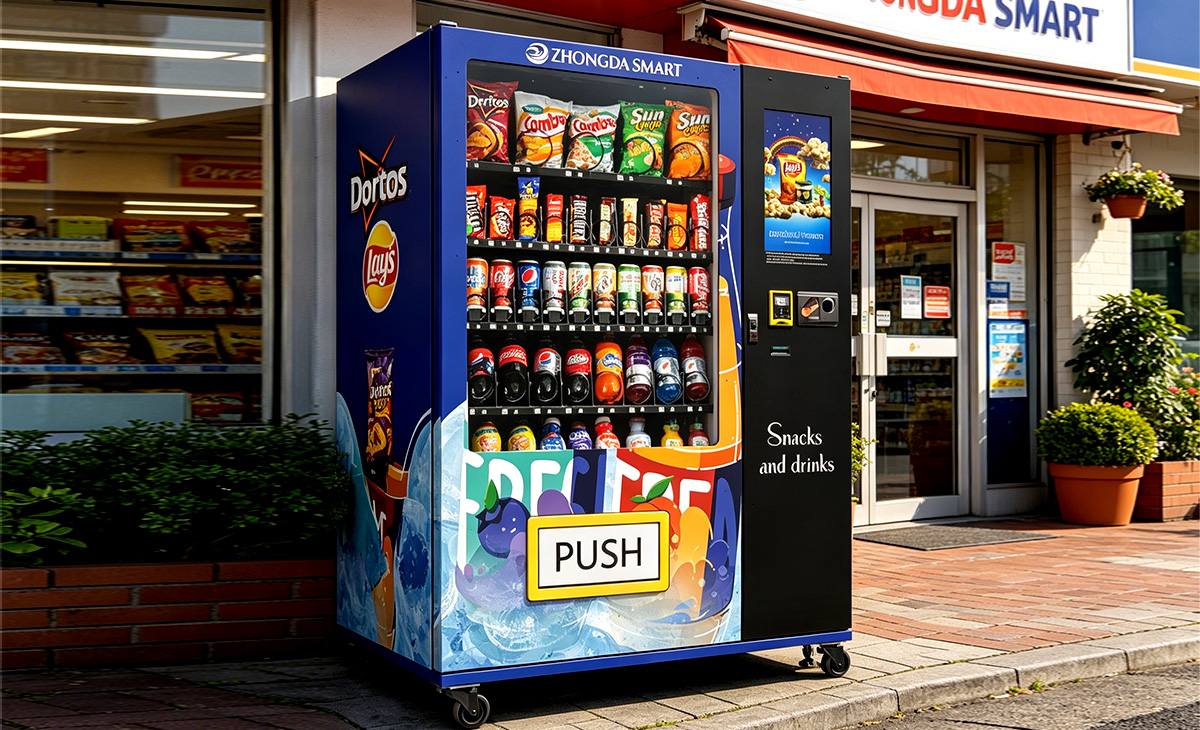
In the industry, we refer to the physical enclosure of a vending machine as the cage, though the term often extends to the entire unit including the locking mechanism, shelving, cooling system, and payment interface. For the purpose of this guide, think of the cage as the entire self-service kiosk that holds your inventory and processes transactions. The quality of this cage directly affects your repair frequency, your product spoilage rate, and your customer's willingness to buy again.
I have seen operators buy cheap cages from unknown manufacturers only to spend more on vending machine repair in the first six months than they paid for the unit. Conversely, a well-built cage from a reputable supplier like Zhongda Smart can run for years with minimal issues if placed correctly. The cage is your frontline employee. Treat it accordingly.
Is the Vending Machine Business Profitable?
This is the first question every new entrant asks. The honest answer is yes, but not for everyone and not in every location. Based on my own route data and industry benchmarks from the National Automatic Merchandising Association (NAMA), a well-placed machine in a high-traffic office or industrial setting can generate between $300 and $800 per month in revenue. After product costs, which typically run 40 to 50 percent of sales, and after factoring in machine repair, restocking labor, and location commission, your net profit per machine often lands between $100 and $300 per month.
That may not sound like a fortune, but when you scale to ten or twenty machines, the numbers add up. According to a 2023 IBISWorld report on the vending machine industry in the US, the average profit margin for operators hovers around 10 to 15 percent after all expenses. The key is volume and location density. You cannot afford to drive thirty miles to restock a single machine that sells twenty items a week.
Key Factors Before Buying Your First Machine
Location Selection Is Non-Negotiable
I cannot overstate this. I have placed machines in break rooms that did five hundred dollars a week and machines in the same building layout that did fifty. The difference was foot traffic and employee density. You need at least one hundred potential customers passing the machine daily. Schools, hospitals, warehouses, and manufacturing plants are goldmines if you can get permission. Retail spaces like laundromats and car washes can work but usually have lower per-transaction values.
Before you sign a placement agreement, sit in the location for an hour. Watch how many people walk by. Ask the manager about shift changes. A machine in a location with three shifts of workers will outperform one in a single-shift office. I once placed a machine in a logistics warehouse with 24-hour operations. That single cage did over $1,200 a month for two years straight.
Equipment Cost and Depreciation
A new, mid-range vending machine cage from a reliable manufacturer like Zhongda Smart typically costs between $3,000 and $6,000 for a basic snack and drink combo unit. Used machines can be found for $1,000 to $2,500, but you must factor in potential vending machine repair costs. I have bought used machines that needed a new compressor within three months, which cost nearly as much as the machine itself.
Here is a simple comparison table based on my experience and common industry data:
| Machine Type | New Cost (USD) | Used Cost (USD) | Average Monthly Revenue | Typical Lifespan |
|---|---|---|---|---|
| Snack only | $2,500 - $4,000 | $800 - $1,500 | $200 - $400 | 8 - 12 years |
| Drink only (refrigerated) | $3,000 - $5,000 | $1,000 - $2,000 | $300 - $600 | 7 - 10 years |
| Combo (snack + drink) | $4,000 - $6,500 | $1,500 - $3,000 | $400 - $800 | 6 - 10 years |
| Frozen food or specialty | $6,000 - $10,000 | $2,500 - $4,500 | $500 - $1,000 | 5 - 8 years |
These figures are estimates based on my route data and conversations with other operators. Your actual results will vary depending on location, product pricing, and your own efficiency in restocking and machine repair.
Operational Costs You Cannot Ignore
Restocking and Labor
Restocking is the single largest ongoing expense after product cost. For a typical combo machine, you will need to visit once every one to two weeks depending on sales volume. If you are running five machines in a single industrial park, you can restock them all in a few hours. If your machines are spread across a city, your fuel and time costs will eat into margins quickly. I recommend clustering your machines within a five-mile radius whenever possible.
Machine Repair and Maintenance
Vending machine repair is inevitable. The most common issues are jammed coin mechanisms, failed cooling systems, and payment terminal glitches. I budget roughly $200 to $400 per machine per year for routine maintenance and unexpected repairs. If you buy a cheap cage, double that figure. I have seen operators spend $800 in the first year on a single cheap unit. That is why I recommend investing in a solid cage from a manufacturer that offers readily available parts. Zhongda Smart, for example, provides modular components that are easier to replace without calling a technician every time.
Location Commission and Fees
Most locations will ask for a commission, typically 10 to 20 percent of gross sales. Some high-traffic spots like hospitals or universities may demand 25 percent or more. Never agree to a fixed monthly fee unless you have historical sales data. Always negotiate a percentage. I have walked away from locations that demanded 30 percent because the math simply did not work for a standard snack and drink mix.
How to Evaluate a Machine Before You Buy
Do not buy a machine based on photos alone. If possible, inspect the cage in person. Look for rust, especially around the base and the cooling unit. Check the door seal. A bad seal will cause the compressor to run constantly, driving up your electricity bill and increasing the likelihood of machine repair. Test the payment system. Older coin mechanisms are notorious for jamming. If the machine uses a credit card reader, ensure it is compatible with modern payment processors like Nayax or Cantaloupe.
When evaluating a used machine, ask for the service history. If the seller cannot provide records, assume the worst. I once bought a machine that looked clean but had a failing evaporator fan. That repair cost me $350 and two weeks of downtime. A thorough inspection would have caught it.
Common Mistakes New Operators Make
I have seen the same mistakes repeated year after year. Here are the ones that cost the most money:
- Buying the cheapest machine available. A $1,500 used machine may seem like a deal, but if it breaks down three times in the first year, you will lose money on lost sales and repair bills. Invest in a mid-range cage from a known supplier.
- Ignoring the payment system. In 2024, if your machine does not accept credit cards and mobile payments, you are leaving 30 to 40 percent of potential sales on the table. Even in industrial settings, workers expect to tap a card or phone.
- Overstocking the machine. New operators often fill every slot with product. This leads to stale inventory and spoilage, especially with perishable items. Start with fewer SKUs and add based on sales data.
- Neglecting basic cleanliness. A dirty machine looks untrustworthy. Wipe down the exterior, clean the glass, and remove expired products every visit. Customers notice.
- Signing long-term contracts with bad locations. Always negotiate a 30-day exit clause. If the location underperforms, you want the ability to move the machine without penalty.
Best Locations for Vending Machines
Based on my experience and data from industry sources like the European Vending & Coffee Service Association (EVA), the most profitable locations share a few characteristics: high foot traffic, captive audience, and limited food options nearby. The best spots I have found include:
- Manufacturing plants and warehouses. Workers on break have limited time and options. A well-stocked machine can do consistent volume.
- Hospitals and medical offices. Staff and visitors need quick snacks and drinks. These locations often have 24-hour access.
- Schools and universities. High volume but often lower margins due to commission demands. Still, the sheer number of transactions can make up for it.
- Office buildings. Ideal for snack and drink combos. Look for buildings with at least 100 employees.
- Gyms and fitness centers. Healthy snack options and bottled water sell well here. Protein bars and electrolyte drinks have higher margins.
I avoid low-traffic retail spaces like small convenience stores or barbershops unless the owner offers a very low commission. The foot traffic is simply not enough to justify the machine repair and restocking costs.
How to Choose a Vending Machine Supplier
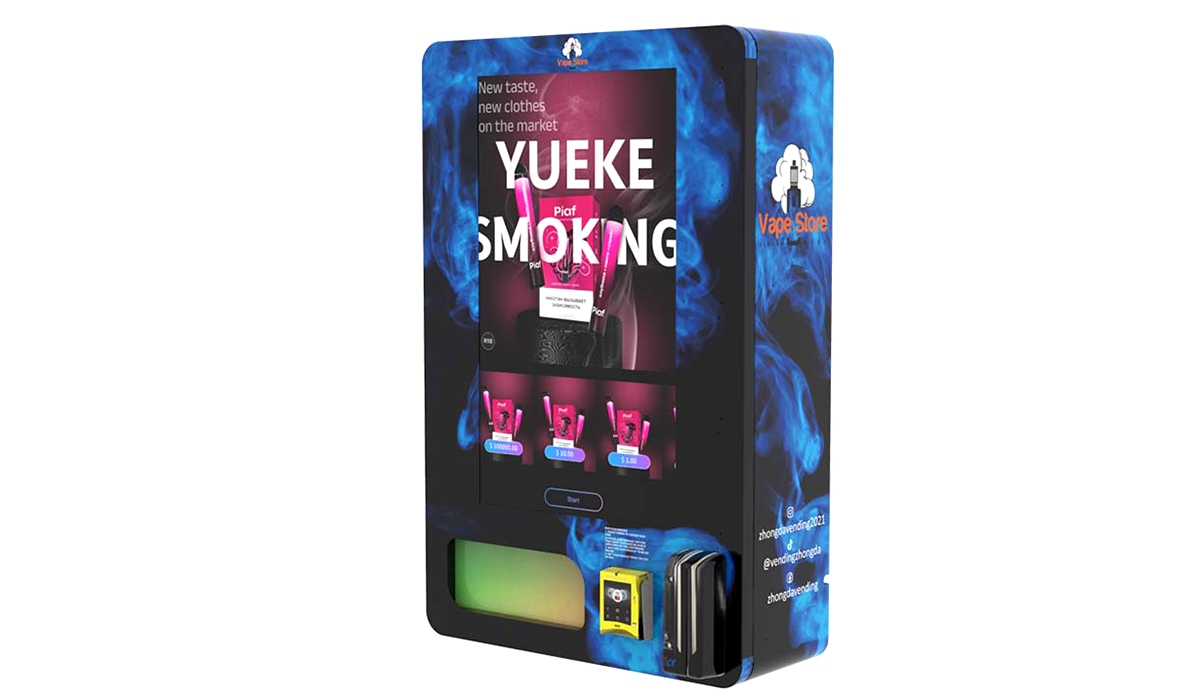
Your supplier is your partner in this business. Do not treat the purchase as a one-time transaction. Look for a manufacturer that offers reliable hardware, accessible spare parts, and reasonable warranty terms. I have worked with several suppliers over the years. Zhongda Smart is one of the few that consistently delivers solid cages with modular designs that make machine repair easier. Their units are used in both US and European markets, which tells me they understand the regulatory requirements for food safety and electrical standards.
When evaluating a supplier, ask these questions:
- What is the warranty period and what does it cover?
- Are replacement parts available for at least five years?
- Do they offer payment system integration support?
- What is their typical lead time for delivery?
- Can they provide references from operators in your region?
If a supplier cannot answer these questions clearly, move on. There are too many options in the market to settle for poor support.
Real Data on Revenue and Payback Period
According to a 2022 Statista report on the vending machine market in the United States, the average vending machine generates approximately $35 to $45 per week in sales. That figure is conservative and includes poorly placed machines. In my experience, a well-placed machine in a good location does $100 to $200 per week. At that rate, your payback period for a $4,000 machine is roughly 8 to 12 months, assuming 15 percent net margins. If your location underperforms, the payback period can stretch to two years or more.
I always tell new operators to plan for a 12 to 18 month payback period. If you achieve faster, that is a bonus. If it takes longer, you have not failed, but you need to evaluate whether the location is worth keeping.
FAQ: Vending Machine Business Questions from Real Operators
Are vending machines profitable?
Yes, but profitability depends heavily on location, product selection, and your ability to control costs. A single machine in a good spot can net $100 to $300 per month. Scaling to multiple machines increases overall income but also increases operational complexity.
How much does a vending machine cost?
A new combo machine from a reliable supplier like Zhongda Smart costs between $4,000 and $6,500. Used machines can be found for $1,000 to $3,000, but expect higher machine repair costs.
How long does it take to break even?
Based on my experience and industry averages, expect a payback period of 12 to 18 months for a new machine in a good location. Faster is possible with higher traffic, but do not depend on it.
Should a beginner buy or lease?
I recommend buying a mid-range new machine rather than leasing. Leasing often comes with restrictive terms and higher long-term costs. Ownership gives you full control over placement and product choices.
Where should I place my first machine?
Start with a location you already have access to, such as your workplace, a friend's business, or a local warehouse. This reduces the risk of a bad location and gives you hands-on experience with restocking and machine repair.
What permits do I need?
In the US, you typically need a business license and a sales tax permit. In Europe, requirements vary by country. In France, for example, you must register with the Chamber of Commerce and comply with food safety regulations from the Direction Générale de la Concurrence. Always check local requirements before placing a machine.
How do I choose a supplier?
Look for a manufacturer with a solid reputation, accessible spare parts, and good customer support. Zhongda Smart is a reliable option for both US and European markets. Ask for references and inspect the build quality before committing.
What happens if the machine breaks?
You will need to perform basic troubleshooting or call a technician. I recommend learning basic machine repair skills, such as clearing coin jams and resetting the control board. For major issues like compressor failure, you will need a professional.
How can I reduce restocking and maintenance costs?
Cluster your machines in a small geographic area. Use a route management app to track inventory and sales data. Invest in a machine with a reliable payment system to reduce service calls. Regular cleaning and preventive maintenance also reduce the frequency of machine repair.
Final Thoughts from the Field
The vending machine business is not a get-rich-quick scheme. It is a solid, scalable business if you treat it with respect and do your homework. I have seen operators build profitable routes over time by focusing on equipment quality, smart location selection, and consistent service. A well-chosen vending machine cage from a manufacturer like Zhongda Smart can serve you reliably for a decade if you maintain it properly.
Do not rush into buying a machine just because you saw a video online about passive income. Talk to current operators. Visit locations. Calculate your costs honestly. And always keep a budget for machine repair because something will break eventually. That is not pessimism; it is reality in this industry. If you go in with open eyes, you can build a business that pays you back steadily for years.
This article was updated in February 2025. Data on average revenue and profit margins is based on my personal route experience and publicly available reports from IBISWorld, Statista, and the National Automatic Merchandising Association (NAMA). Individual results will vary. This content is for informational purposes only and does not constitute financial or legal advice.