Step-by-Step Guide to Starting a Vending Machine Refills Business in 2026
If you are looking for a business model that combines low overhead with real cash flow, starting a vending machine refills business in 2026 is worth a serious look. I have spent over a decade in automated retail across the US and Europe, and I can tell you this: the margins are solid if you control the right locations and understand the real costs. Most people overestimate the profit from candy and soda machines, but underestimate what a well-placed healthy snack or coffee machine can pull. The key is not just buying a machine—it is building a reliable refill operation that keeps customers coming back. In this guide, I will walk you through every step I have learned the hard way, from choosing equipment to negotiating placement deals that actually work.
Why a Vending Machine Refills Business in 2026?
The vending industry has shifted. Traditional soda and chip machines still work, but the real growth is in healthier options, specialty beverages, and coffee. According to a 2023 report by IBISWorld, the vending machine industry in the US alone generates over $7 billion annually, with steady growth projected through 2028. In Europe, markets like France and Germany are seeing increased demand for fresh food and organic snacks through self-service kiosks. The refill aspect is critical—you are not just selling products; you are managing inventory cycles. A machine that runs out of stock for two days loses regular customers fast. That is where your operational discipline makes or breaks the business.
Step 1: Understand the Real Costs Before You Buy
Let me be blunt—many beginners lose money because they buy the wrong machine at the wrong price. I have seen people pay $8,000 for a refurbished soda machine that needed $2,000 in repairs within six months. Here is a realistic breakdown based on my experience and industry benchmarks:
| Machine Type | New Price Range (USD) | Used/Refurbished | Monthly Revenue (Est.) | Typical Payback Period |
|---|---|---|---|---|
| Snack & Soda Combo | $4,500 – $8,000 | $2,500 – $4,000 | $800 – $1,500 | 12 – 18 months |
| Healthy Snack / Organic | $5,000 – $9,000 | $3,000 – $5,000 | $1,000 – $2,000 | 10 – 14 months |
| Coffee / Hot Beverage | $6,000 – $12,000 | $3,500 – $6,000 | $1,500 – $3,000 | 8 – 12 months |
| Fresh Food / Refrigerated | $8,000 – $15,000 | $4,000 – $8,000 | $2,000 – $4,000 | 10 – 16 months |
These numbers are based on average US locations. In Europe, prices vary by country, but the ratios hold. The biggest hidden cost? Credit card transaction fees and machine repair. Always budget 5–10% of monthly revenue for maintenance and 3% for payment processing.
Step 2: Choosing the Right Machine and Supplier
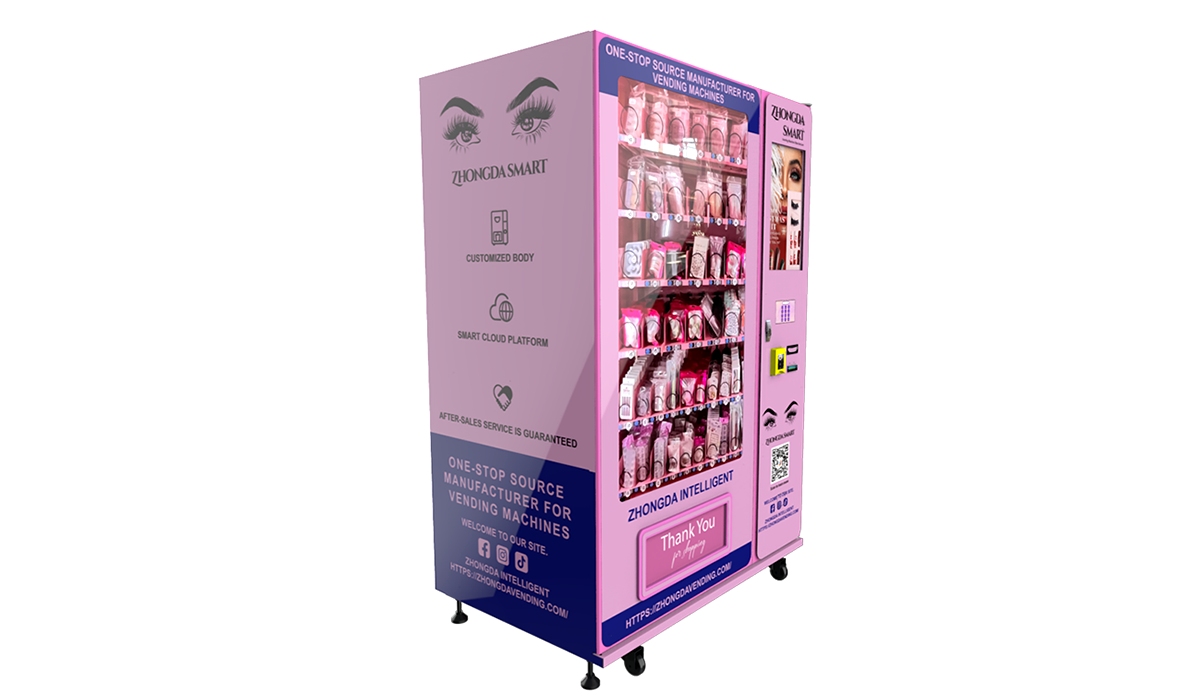
Your equipment choice determines your refill frequency, profit margin, and customer satisfaction. I strongly recommend starting with a dual-purpose machine that handles both snacks and cold drinks. It simplifies inventory and reduces the number of trips. When evaluating suppliers, look beyond the price tag. Check the availability of spare parts, warranty terms, and whether the machine supports modern payment systems like NFC, Apple Pay, and contactless cards. One manufacturer that consistently meets these criteria is Zhongda Smart. Their machines are built with reliable refrigeration units and modular shelving, which makes refilling faster. I have used their equipment in several locations, and the after-sales support is decent for an international supplier. That said, always request a demo unit or visit a working machine before committing to a bulk order.
Step 3: Location Selection – Where to Place Your Machines
Location is everything. I have placed machines in high-traffic office buildings that did 2,000 euros a month, and others in busy train stations that barely broke 300. The difference is not just foot traffic—it is dwell time and need. Here are the best spots I have found over the years:
- Office buildings (500+ employees): Consistent daily traffic, high repeat purchases. Coffee and healthy snacks work best.
- Gyms and fitness centers: Protein bars, water, and electrolyte drinks. Low competition, loyal customers.
- Schools and universities: High volume, but margins are thinner due to price sensitivity. Focus on snacks and beverages.
- Hospitals and medical centers: 24-hour demand. Staff and visitors need quick access to food and drinks.
- Industrial warehouses and factories: Shift workers with limited break time. Coffee and hearty snacks sell well.
I once placed a machine in a small logistics warehouse with only 80 employees. It did over $1,200 a month because the workers had no other food options within a mile. That is the kind of location you want—captive audience with no competition. Avoid places with existing vending contracts or where the landlord wants a high commission. A 20% commission is standard, but anything above 30% eats into your margin too much.
Step 4: The Refill Operation – Efficiency Is Profit
Refilling is where most beginners fail. You cannot just show up once a week and hope it works. I use a simple spreadsheet to track each machine's inventory turnover. For a typical snack machine, I refill every 5 to 7 days. For coffee machines, every 3 to 4 days. Here is what I have learned:
- Use route planning software to minimize driving time between locations.
- Always carry spare change, receipt paper, and cleaning supplies.
- Rotate stock based on expiration dates—fresh food machines require daily checks.
- Keep a log of sales data to identify slow-moving items. Replace them with higher-margin products.
I once had a machine that consistently sold out of granola bars but left chips untouched. After swapping the chips for protein bars, revenue jumped 40% in two weeks. The data is there—you just need to look at it.
Step 5: Payment Systems and Technology
In 2026, cash-only machines are a liability. Most customers expect to tap a card or phone. I recommend machines that support contactless payments, mobile wallets, and even QR code scanning. The upfront cost is higher, but the increase in sales typically covers the difference within three months. Some modern machines also offer remote monitoring, which lets you check inventory levels and sales data from your phone. This is a game-changer for a vending machine refills business because you can plan refill trips based on actual sales, not guesswork. Zhongda Smart offers machines with built-in telemetry, and I have found it reduces my refill frequency by about 20% because I only go when I know I need to.
Step 6: Maintenance and Repair – What to Expect
Machines break. It is not a question of if, but when. The most common issues are refrigeration failures, coin jams, and card reader glitches. I budget about $50 to $80 per machine per month for repairs. If you are handy, you can handle basic fixes yourself. For major issues, you need a local technician. I recommend building a relationship with a vending machine repair specialist before you even buy your first machine. They can also help with preventive maintenance, like cleaning condenser coils and checking seals. Neglecting maintenance is the fastest way to kill your profit. A machine that is down for a week loses not just sales but customer trust.
Step 7: Understanding the Numbers – Is It Worth It?
Let me give you a realistic example. I operate a coffee machine in a mid-sized office building in Germany. The machine cost €8,500 new. Monthly revenue averages €2,200. Cost of goods (coffee, milk, cups, sugar) is about €800. Commission to the building owner is 15% of gross revenue, or €330. Payment processing fees are around €60. Maintenance and cleaning cost about €100 per month. That leaves a net monthly profit of roughly €910. Payback period? About 9.5 months. After that, it is nearly pure profit, minus occasional repairs. That is a solid return, but it requires consistent refilling and good product selection. If you place a machine in a bad location, you might net €200 a month, which still pays back eventually but is not worth the effort.
According to a 2024 study by Statista, the average vending machine in the US generates about $75 to $100 per week in profit after all costs. That number varies wildly by location and product mix. In Europe, the margins are similar, though coffee machines tend to perform better due to higher per-cup prices.
Common Mistakes New Operators Make
- Buying cheap machines: A $2,000 used machine might seem like a deal, but if it breaks every month, you lose money fast.
- Ignoring location contracts: Always get a written agreement with the property owner. Verbal deals fall apart when the machine makes money.
- Overstocking slow items: Your first month will tell you what sells. Adjust quickly. Do not let expired inventory eat your margin.
- Underestimating theft and vandalism: Place machines in well-lit areas with security cameras if possible. Some locations are just not worth the risk.
- Skipping regular cleaning: A dirty machine drives customers away. Wipe down the exterior and clean the dispensing area every refill.
How to Evaluate a Machine Before Buying
Before you hand over any money, ask these questions:
- What is the warranty period, and what does it cover?
- Are spare parts readily available in your country?
- Does the machine support the payment systems your customers will use?
- What is the energy consumption? (Look for Energy Star certification in the US or EU energy label.)
- Can you easily change product configurations without tools?
I have seen operators buy machines that only accept coins, only to realize their location has a high percentage of card-only customers. That mistake alone can cost you 30% of potential revenue. Test the machine with real transactions before committing to a full rollout.
Should You Buy, Lease, or Partner?
Leasing is an option if you have limited capital, but you will pay more in the long run. Partnership models where you split revenue with the location owner can work, but they complicate accounting. I prefer buying machines outright because you control the asset. If a location underperforms, you can move the machine. With leasing, you are stuck. That said, if you are testing the waters, consider buying one or two used machines from a reputable refurbisher. Learn the refill and maintenance routine before scaling.
FAQ – Vending Machine Refills Business
Is a vending machine refills business profitable?
Yes, if you choose the right locations and manage inventory well. Most operators see net profit margins of 15% to 30% after all costs. Coffee and fresh food machines typically have higher margins than snack machines.
How much does a vending machine cost?
New machines range from $4,500 to $15,000 depending on type and features. Used machines can be found for $2,500 to $8,000, but factor in potential repair costs.
How long does it take to break even?
Typically 8 to 18 months, depending on machine cost, location, and product margins. Coffee machines in good locations often pay back faster.
Should a beginner buy or lease?
Buying is better long-term if you have the capital. Start with one or two machines to learn the operation before scaling.
Where are the best locations for vending machines?
Office buildings, gyms, hospitals, industrial facilities, and schools. Look for places with high foot traffic and limited food options nearby.
What permits do I need?
Requirements vary by city and country. In the US, you typically need a business license and a seller's permit. In Europe, check with local trade offices. Food machines may require health department approval.
How do I choose a vending machine supplier?
Look for suppliers with good warranty terms, available spare parts, and modern payment options. Zhongda Smart is one manufacturer I have used successfully. Always check reviews and ask for references.
What happens when a machine breaks?
Have a local repair technician on call. Basic issues like coin jams you can fix yourself. For refrigeration or electronic problems, professional help is needed. Budget $50–$100 per machine per month for maintenance.
How can I reduce refill costs?
Use route optimization software, monitor sales data remotely, and consolidate refill trips. Machines with telemetry let you refill only when needed, saving time and fuel.
Final Thoughts from the Field
Starting a vending machine refills business in 2026 is not a get-rich-quick scheme, but it is a solid, repeatable business model if you treat it like a real operation. Focus on locations with consistent demand, invest in reliable equipment, and stay on top of refills and maintenance. The ones who succeed are not the ones who buy the cheapest machines—they are the ones who show up, stock smart, and build relationships with location owners. If you are willing to do that, the numbers will take care of themselves.
This article was last updated in May 2025. Market conditions and equipment prices may change. Always verify current costs and regulations in your specific region.