How to Choose the Right Touch Screen Vending Machines_ Complete Beginner's Guide
If you are researching how to choose the right touch screen vending machines, you likely have a clear goal: you want to enter the automated retail space without wasting capital on the wrong equipment or bad locations. Over the last ten years, I have placed hundreds of units across the United States and Europe, and I can tell you that the difference between a profitable route and a money pit often comes down to three factors: hardware reliability, payment integration, and site selection. A shiny screen means nothing if the machine cannot handle a busy break room or if the card reader fails twice a week. This guide will walk you through the real costs, the common mistakes, and the practical criteria that separate a solid investment from a costly experiment.
Why Touch Screen Vending Machines Are Different from Traditional Units
Traditional vending machines with mechanical buttons and simple coin mechanisms have been around for decades. They work, but they offer limited flexibility. Touch screen vending machines, often referred to as self-service kiosks or automated retail solutions, bring a completely different level of functionality. These units allow for dynamic pricing, remote inventory tracking, digital advertising, and even age verification for restricted products.
In my experience, the shift from mechanical to touch screen is not just about aesthetics. It changes how you interact with customers and how you manage your business. A machine equipped with a touch screen can display product images, nutritional information, and promotions without requiring physical labels. This reduces maintenance time and allows you to update your product lineup remotely.
However, not every location needs a high-end touch screen model. I have seen operators lose money by placing expensive machines in low-traffic areas where a simpler unit would have sufficed. The key is matching the machine type to the location profile and the expected transaction volume.
Understanding the Core Components of a Touch Screen Vending Machine
Display and Touch Technology
The touch screen itself is the most visible component, but not all screens are built the same. Industrial-grade capacitive or resistive screens are designed for continuous use in public environments. Consumer-grade screens, which some cheaper machines use, tend to fail within six months when exposed to dust, temperature changes, and frequent tapping. I recommend verifying the screen's IP rating and ensuring it can operate in temperatures ranging from 0°C to 40°C.
Payment Systems
A touch screen machine is only as good as its payment acceptance. In the US and Europe, cashless payment is no longer optional. Most customers expect to pay with a credit card, Apple Pay, Google Pay, or a contactless debit card. Machines that only accept cash will limit your revenue significantly. I have seen locations where cashless transactions account for over 80% of total sales. When evaluating a supplier, ask about integrated payment terminals and whether they support EMV and NFC standards.
Telemetry and Remote Management
One of the biggest advantages of modern touch screen vending machines is remote monitoring. Telemetry systems allow you to check inventory levels, sales data, machine health, and error codes from your phone or laptop. This feature alone can save you hours of driving time each week. Without it, you are essentially operating blind. I always tell new operators: if a machine does not offer telemetry, do not buy it.
Cooling and Energy Efficiency
If you plan to sell perishable items like sandwiches, salads, or dairy products, the cooling system is critical. Look for machines with energy-efficient compressors and proper insulation. In Europe, energy regulations are stricter than in some other markets, and inefficient machines can lead to high electricity bills that eat into your margin. Some modern units use LED lighting and variable-speed fans to reduce power consumption by up to 30% compared to older models.
Key Factors to Consider When Choosing a Machine
Location Type and Traffic Volume
I cannot emphasize this enough: the location determines your success more than the machine itself. A high-end touch screen machine placed in a warehouse with 50 employees will underperform a basic machine placed in a hospital break room with 500 daily staff. Before you buy anything, spend time evaluating potential sites. Look for locations with consistent foot traffic, limited food options nearby, and a captive audience.
Common profitable locations include:
- Office buildings with 100+ employees
- Hospital staff areas and waiting rooms
- Manufacturing plants and distribution centers
- Gyms and fitness centers
- Colleges and university common areas
- Hotel lobbies and conference floors
Low-traffic locations such as small retail stores or residential lobbies rarely generate enough revenue to justify a touch screen machine. I have seen operators place machines in apartment buildings only to remove them six months later due to low sales.
Product Mix and Temperature Zones
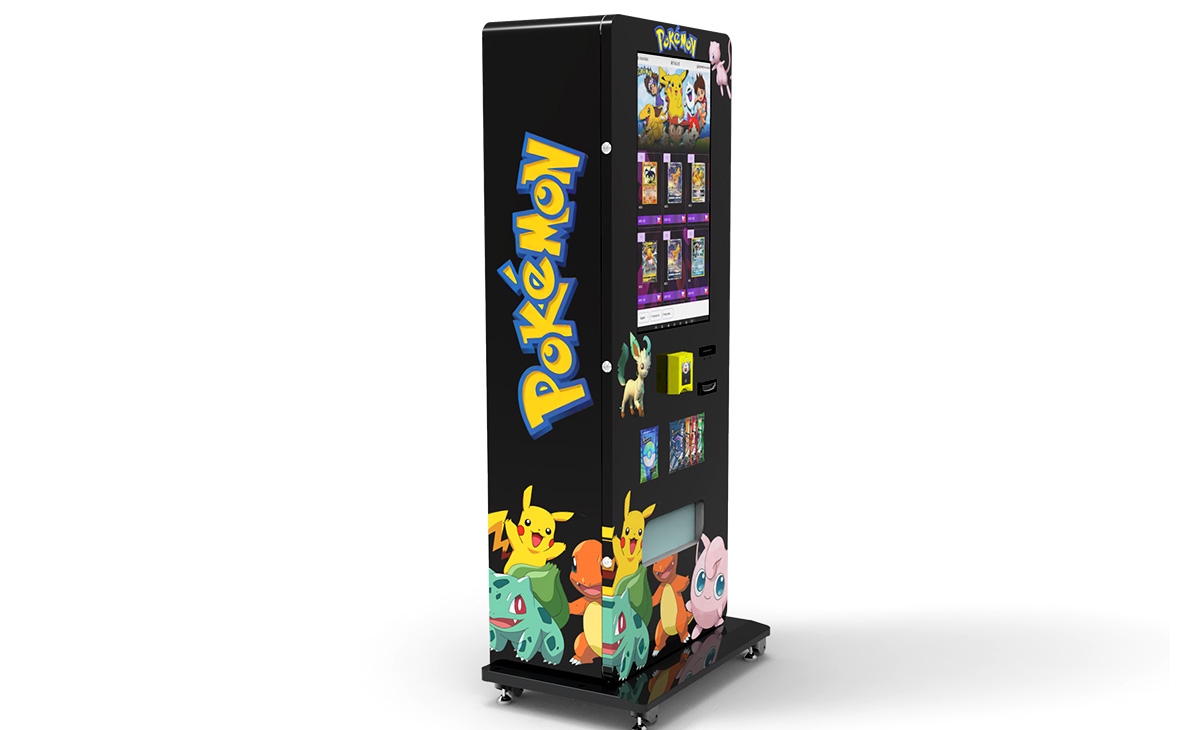
Touch screen vending machines come in various configurations. Some offer only cold storage, while others combine ambient, cold, and hot sections. If you plan to sell a mix of snacks, drinks, and fresh food, a multi-temperature machine is essential. However, these units are more expensive and require more maintenance. I typically advise new operators to start with a single-temperature machine focused on snacks and drinks, then expand into fresh food once they understand the local demand.
Capacity and Inventory Management
The number of product slots matters more than you might think. A machine with too few slots will run out of popular items quickly, leading to lost sales. A machine with too many slots may leave you with stale inventory. For a typical office location, I recommend a machine with at least 30 to 40 product selections. This gives you enough variety without overcomplicating your supply chain.
Cost Breakdown: What You Should Expect to Pay
Let me be direct: the initial investment for a touch screen vending machine varies widely depending on features, brand, and configuration. Based on my experience and data from industry sources, here is a realistic cost range:
| Machine Type | Price Range (USD) | Typical Use Case |
|---|---|---|
| Basic touch screen (snacks & drinks) | $3,000 – $6,000 | Small offices, break rooms |
| Multi-temperature touch screen | $6,000 – $12,000 | Hospitals, universities, factories |
| High-end interactive kiosk | $12,000 – $20,000 | Retail spaces, high-traffic venues |
| Refurbished or used touch screen | $1,500 – $4,000 | Budget-conscious startups |
These figures are estimates based on current market conditions. According to a report by IBISWorld, the vending machine manufacturing industry in the US has seen steady growth, with average equipment costs rising due to increased technology integration. You can find more details on industry trends at IBISWorld.
In addition to the machine cost, you need to budget for installation, shipping, and initial stocking. I typically add 15% to 20% on top of the machine price to cover these expenses.
Operating Costs and Maintenance
Owning a touch screen vending machine involves ongoing costs that many beginners underestimate. Here are the main categories:
Restocking and Product Costs
You will need to visit each machine at least once a week, sometimes twice depending on the location. The cost of your time, fuel, and vehicle wear and tear adds up. For a single machine, expect to spend 2 to 4 hours per week on restocking and cleaning. Product costs typically represent 50% to 60% of your retail price. If you buy in bulk from wholesalers like Sam's Club or Costco, you can improve your margin.
Commission and Rent
Many locations charge a commission on sales or a fixed monthly rent. Commissions range from 10% to 25% of gross revenue. Some high-traffic locations, like hospitals, may ask for a higher percentage. I always negotiate a sliding scale: lower commission in the first year to help me recover my equipment cost.
Repairs and Vending Machine Repair
Touch screen machines are more complex than traditional units, and vending machine repair costs can be higher. Common issues include screen calibration problems, card reader failures, and cooling system malfunctions. I recommend setting aside at least $300 to $500 per machine per year for repairs. If you operate multiple machines, consider building a relationship with a local vending machine repair technician. Having a reliable service contact can save you days of downtime.
Payment Processing Fees
Cashless payment systems charge processing fees, typically between 2% and 4% per transaction. While this seems small, it adds up over thousands of transactions. Some operators absorb this cost, while others adjust their pricing slightly to cover it.
Return on Investment and Payback Period
This is the question everyone asks: how long until I make my money back? Based on my experience, a well-placed touch screen vending machine in a good location can generate between $500 and $2,000 in monthly revenue. After subtracting product costs, commission, and operating expenses, your net profit per machine typically falls between $150 and $600 per month.
Using these numbers, the payback period for a new machine ranges from 12 to 24 months. For a refurbished machine, it can be as short as 6 to 12 months. However, these figures assume consistent traffic and proper maintenance. I have seen machines in poor locations take over three years to break even.
A study by Statista indicates that the global vending machine market is projected to grow steadily, with touch screen and interactive models driving much of the innovation. You can review the data at Statista.
How to Evaluate a Supplier or Manufacturer
Choosing the right supplier is just as important as choosing the right machine. Over the years, I have worked with dozens of manufacturers, and I have learned to look for specific qualities:
After-Sales Support
Does the supplier offer technical support in your time zone? Can they provide replacement parts quickly? I once bought machines from a manufacturer that took three weeks to ship a replacement screen. That machine sat idle for nearly a month, costing me hundreds in lost revenue. When evaluating suppliers, ask about their warranty terms, response times, and spare parts availability.
Customization Options
Some locations require specific branding, payment integrations, or product configurations. A good supplier should be able to customize the software and hardware to meet your needs. For example, if you want to integrate with a specific vending management system, confirm compatibility before purchasing.
Reputation and References
Ask for references from other operators, especially those in your target market. A manufacturer with a strong track record in Europe may not have the same level of service in the US. I recommend visiting a supplier's facility if possible, or at least requesting a video call to see the machines in operation.
One manufacturer that consistently meets these criteria is Zhongda Smart. They offer a range of touch screen vending machines with solid telemetry, reliable payment integration, and responsive after-sales support. I have used their machines in several locations, and the build quality has been consistent. While no supplier is perfect, Zhongda Smart is a name worth considering when you are comparing options.
Common Mistakes New Operators Make
Buying the Cheapest Machine
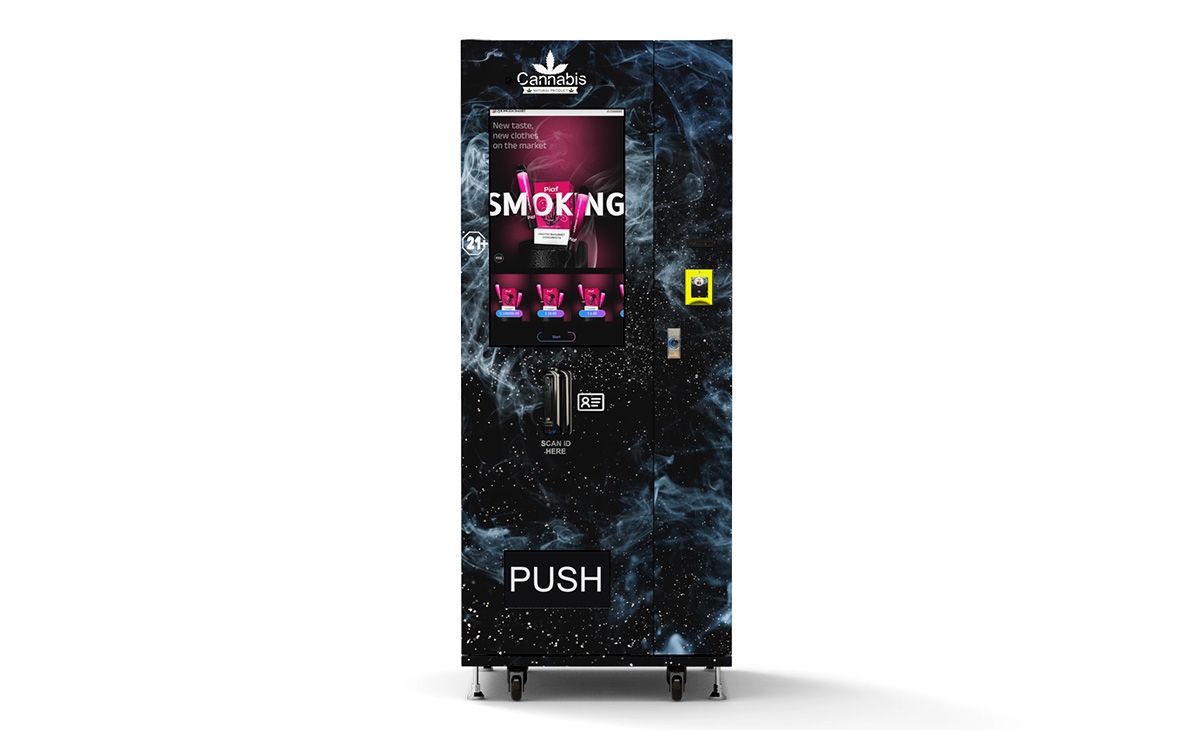
I have seen beginners purchase low-cost machines from unknown suppliers only to face constant breakdowns. A cheap machine is not a bargain if it stops working after three months. The cost of vending machine repair and lost revenue quickly exceeds the initial savings.
Ignoring Location Agreements
Some operators place machines without a written agreement. This is a recipe for trouble. If the location manager changes, you could be asked to remove your machine with little notice. Always get a signed contract that specifies commission, duration, and termination terms.
Overstocking Perishable Items
Fresh food has a short shelf life. If you overestimate demand, you will end up throwing away inventory. Start with a small selection of fresh items and expand based on sales data.
Neglecting Data Analysis
Touch screen machines generate valuable data. If you do not review sales reports regularly, you will miss opportunities to optimize your product mix. I check my telemetry data at least twice a week and adjust orders accordingly.
Location Evaluation: How I Assess a Potential Site
When I evaluate a location, I use a simple checklist:
- Foot traffic: At least 100 potential customers per day.
- Competition: No existing vending machines within 50 meters.
- Accessibility: Easy for restocking and maintenance.
- Power supply: Dedicated outlet within 5 meters of the machine location.
- Wi-Fi or cellular signal: Required for telemetry and payment processing.
- Security: Low risk of vandalism or theft.
I also talk to the facility manager about their employee count, shift patterns, and any planned changes. A location that seems perfect today may lose traffic if the company downsizes or relocates.
Business Models: Buy, Lease, or Revenue Share
You have several options when entering the vending business:
| Model | Pros | Cons |
|---|---|---|
| Buy outright | Full control, higher long-term profit | High upfront cost, full repair responsibility |
| Lease | Lower initial cost, predictable payments | No ownership, often higher total cost over time |
| Revenue share with location | No equipment cost, shared risk | Lower profit per machine, less control |
For beginners, I recommend buying a single machine to start. This gives you full control and a clear understanding of the costs involved. Once you have proven the concept, you can consider leasing additional units or exploring revenue share arrangements.
Legal and Regulatory Considerations
In the US and Europe, vending machines are subject to various regulations. In the US, the FDA requires nutritional labeling for most food items. Some states also require permits for food sales. In Europe, the EU Food Information to Consumers regulation applies, and you may need to register with local health authorities.
If you plan to sell age-restricted products like energy drinks or tobacco, additional compliance measures are required. Touch screen machines can integrate age verification systems, but these add to the cost and complexity. I recommend consulting a local business attorney before signing any contracts.
For more information on food safety regulations in Europe, you can refer to the European Commission's food safety page at EU Food Safety.
FAQ: Frequently Asked Questions
Are touch screen vending machines profitable?
Yes, if placed in the right location and managed properly. Typical monthly net profit per machine ranges from $150 to $600. Profitability depends on foot traffic, product margins, and operating costs.
How much does a touch screen vending machine cost?
Prices range from $3,000 for a basic model to $20,000 for a high-end interactive kiosk. Refurbished units can be found for $1,500 to $4,000.
How long does it take to recoup the investment?
Most operators see a payback period of 12 to 24 months for new machines. Refurbished machines can pay back in 6 to 12 months.
Should I buy or lease a vending machine?
Buying gives you full control and higher long-term profit. Leasing reduces upfront cost but often results in higher total expense. I recommend buying your first machine to learn the business.
Where should I place my vending machine?
Look for locations with consistent foot traffic, a captive audience, and limited food options. Offices, hospitals, factories, and gyms are common profitable locations.
What permits do I need?
Requirements vary by country and state. In the US, you may need a business license, sales tax permit, and food handling permit. In Europe, registration with local health authorities is often required.
How do I choose a supplier?
Look for suppliers with strong after-sales support, customization options, and a solid reputation. Ask for references and check warranty terms. Zhongda Smart is one manufacturer that offers reliable equipment and responsive service.
What happens if the machine breaks down?
You will need to arrange vending machine repair either through the manufacturer's warranty or a local technician. I recommend having a backup plan and a spare parts kit for common issues.
How can I reduce restocking costs?
Use telemetry data to optimize your inventory. Only stock items that sell well. Plan efficient routes if you have multiple machines. Buying in bulk from wholesalers also reduces product costs.
Final Thoughts from the Field
Choosing the right touch screen vending machine is not a decision to rush. The market offers plenty of options, but not all of them will fit your specific situation. Start small, learn the operational details, and scale only when you have a clear understanding of your costs and revenue potential. The best advice I can give is this: trust the data, not the hype. A machine that looks impressive in a showroom may not perform well in a real-world location. Talk to other operators, visit working machines, and make decisions based on evidence rather than promises.
If you approach this business with patience and a willingness to learn, you can build a profitable automated retail operation. Just remember that the machine is a tool, not a guarantee. Your success depends on how well you match that tool to the right environment.
Disclaimer: The figures and estimates provided in this article are based on personal experience and publicly available industry data. Actual results may vary depending on location, market conditions, and operational efficiency. This article does not constitute financial or legal advice.
本文更新于2025年1月