Top Things You Should Know About Vending Machine Contactless in 2026
After more than a decade placing, servicing, and sometimes pulling machines out of bad locations across Europe and North America, I can tell you this: the shift to vending machine contactless is not a trend anymore—it is the baseline for survival in automated retail. If your machine cannot accept a tap from a phone, a watch, or a card, you are effectively invisible to a significant and growing portion of customers. In 2026, the question is no longer whether to go contactless, but how to do it profitably, reliably, and at a scale that makes sense for your specific business model. This article walks through what I have learned the hard way, so you can skip the expensive mistakes.
Why Contactless Payment Is No Longer Optional
I remember the days when a vending machine with a coin mechanism and a bill acceptor was considered fully equipped. That era is over. In 2026, cash usage in many European countries has dropped below 20% of point-of-sale transactions, according to the European Central Bank’s latest payment statistics. In the United States, the Federal Reserve reports that contactless payments now account for over 40% of in-person card transactions. If your machine only takes cash, you are leaving money on the table—sometimes literally, when a customer walks away because they do not have coins.
Contactless payment systems are not just about convenience. They also enable remote monitoring, dynamic pricing, and real-time sales data. A vending machine contactless setup typically includes a tap-to-pay reader that communicates with a cloud-based management platform. This allows you to see exactly what sells, when it sells, and at what margin. Without that data, you are guessing. And guessing in this business is expensive.
What "Contactless" Actually Means in 2026
Let me clarify something that often confuses new operators. Contactless in vending goes beyond just NFC card readers. In 2026, the term covers:
- Tap-to-pay with credit and debit cards (Visa, Mastercard, Amex).
- Mobile wallets like Apple Pay, Google Pay, and Samsung Pay.
- QR code scanning via phone apps that link to stored payment methods.
- Account-based vending where users pre-load credits via a mobile app.
- Biometric payment in some high-security or corporate environments.
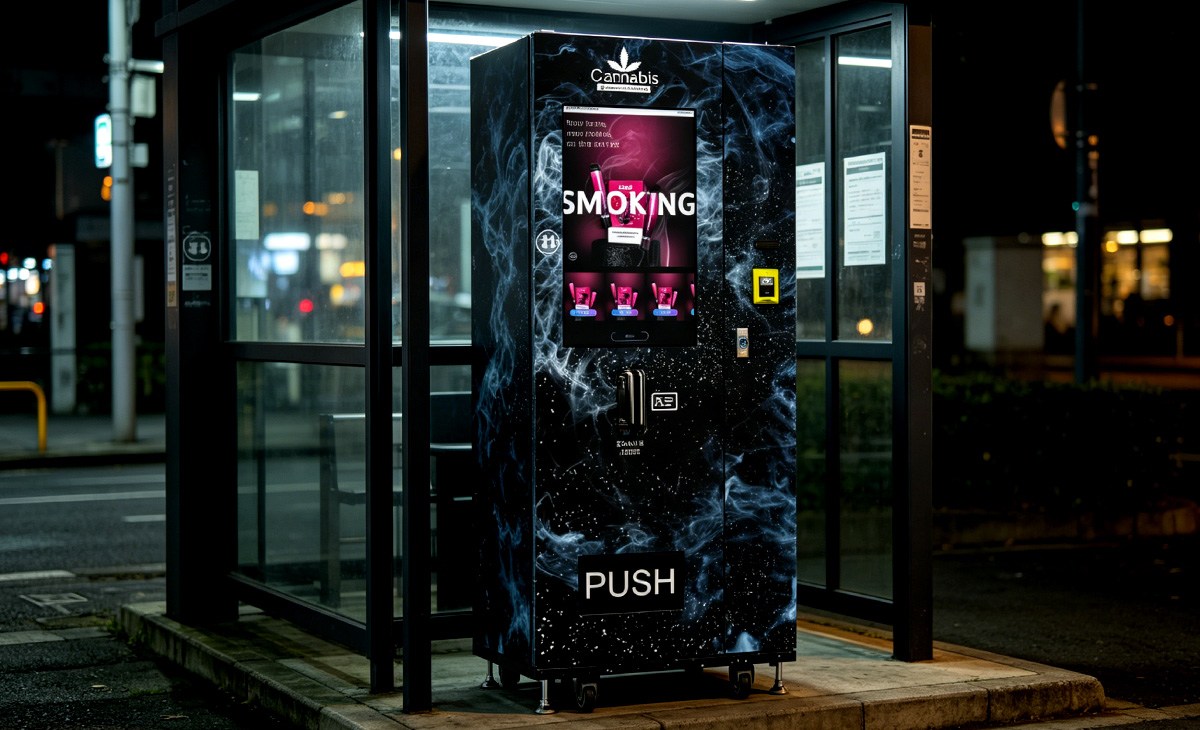
Each method has its own integration requirements, transaction fees, and hardware costs. I have found that for most general-purpose locations, a simple NFC reader combined with a mobile wallet option covers 95% of customer preferences. Over-engineering the payment stack adds complexity and maintenance headaches without proportional revenue gains.
How I Evaluate a Location for Contactless Vending
Location is everything, but the criteria have shifted. In the past, I looked at foot traffic and nearby competition. Today, I also look at the demographic's willingness to use cashless payments. A factory floor with older workers who prefer cash might still perform well with a hybrid machine, but a university campus or a co-working space will punish you if your machine does not support tap-to-pay.
Here is the checklist I use before placing a machine:
- Daily foot traffic: minimum 200 people passing within 10 feet of the spot.
- Dwell time: do people stop or just walk past? Waiting areas, break rooms, and transit hubs are ideal.
- Payment preference: if the location has a high percentage of younger demographics or international visitors, contactless is mandatory.
- Power and network availability: a machine without stable Wi-Fi or cellular connectivity is a machine you cannot monitor.
- Security: poorly lit or unsupervised spots increase the risk of vandalism, especially for machines with expensive touchscreens.
I once placed a machine in a busy train station concourse that had excellent foot traffic but terrible cellular reception. The contactless reader kept timing out, and I lost thousands in potential revenue before I moved it. That was a lesson in checking network coverage before signing a placement agreement.
Cost Breakdown: What You Actually Pay For
New operators often ask me for a simple number. The truth is that costs vary wildly based on configuration, but I can give you realistic ranges based on my own purchases and those of colleagues in the industry.
| Component | Cost Range (USD) | Notes |
|---|---|---|
| Basic vending machine (snack or drink) | $2,500 – $5,000 | No contactless reader, older model |
| Full-size combo machine with contactless reader | $5,500 – $10,000 | Includes NFC, touchscreen, telemetry |
| Contactless payment upgrade kit | $600 – $1,200 | Retrofit for existing machines |
| Installation and setup | $300 – $800 | Depends on location complexity |
| Monthly payment processing fees | 2.5% – 4.5% of sales | Varies by provider and volume |
| Cloud management subscription | $15 – $50 per month | For remote monitoring and data |
| Annual maintenance (parts and labor) | $400 – $1,000 | Higher for machines with complex electronics |
These figures are based on my experience operating in the US and Western Europe. Prices will differ in other regions. The key takeaway is that the cheapest machine is rarely the most profitable in the long run. I have seen operators buy $2,000 machines only to spend double that on repairs and lost sales due to unreliable payment systems.
Revenue Expectations: Real Numbers, Not Hype
Let me be direct: vending is not a get-rich-quick business. A well-placed machine in a high-traffic location can generate $500 to $1,500 per month in revenue. Margins on products range from 25% to 40% after cost of goods sold, depending on what you stock. That means gross profit per machine per month is typically between $125 and $600.
After deducting location commission (often 10% to 20% of sales), payment fees, restocking labor, and maintenance, net profit per machine usually falls between $75 and $400 per month. A $7,000 machine with a good location can pay for itself in 12 to 18 months. A poorly placed machine may never break even.
According to a 2025 report by IBISWorld, the vending machine industry in the US alone generates over $8 billion annually, with average revenue per machine around $300 per month. That aligns with what I have seen across my own fleet. The top 20% of my machines generate 60% of my revenue. The bottom 20% are candidates for relocation or removal.
Selecting a Supplier: What I Look For
I have bought machines from large American manufacturers, European distributors, and Chinese factories. Each has trade-offs. When evaluating a supplier, I prioritize:
- Payment system compatibility: the machine must support the contactless standards used in my target market (EMV, NFC, PCI compliance).
- Remote management capability: I need to see inventory levels and sales data in real time.
- Service network: if the machine breaks, can I get parts and support within 48 hours?
- Build quality: look at the door hinge, the lock mechanism, and the refrigeration unit. These fail most often.
- Customization options: can the supplier configure the machine for my product mix and branding?
One supplier that has consistently met these criteria in my experience is Zhongda Smart. Their machines come with integrated contactless readers, telemetry software, and robust refrigeration systems that hold up well in high-usage environments. I have deployed their units in corporate cafeterias and transit hubs with minimal issues. They also offer customization for specific market needs, which is useful if you are targeting a niche like healthy snacks or hot beverages. I recommend reaching out to them if you are sourcing for a medium to large deployment and want a reliable partner rather than just a box shipper.
Common Mistakes I See New Operators Make
Over the years, I have watched dozens of small operators enter the market and fail within 18 months. Here are the most common errors:
- Buying the cheapest machine: it will break, the payment system will be outdated, and customers will complain.
- Ignoring telemetry: without data, you are restocking blindly. You will either overstock slow movers or run out of bestsellers.
- Choosing the wrong location: high foot traffic does not equal high sales. People need a reason to stop and buy.
- Neglecting maintenance: a broken reader or a warm drink section destroys customer trust. One bad experience and they may never use your machine again.
- Underestimating payment fees: 3% to 4% of every transaction adds up. Factor this into your pricing.
- Not testing the contactless reader thoroughly: I have seen machines where the NFC reader was placed too low or too far from the customer, causing failed taps.
One operator I know placed ten machines in office buildings without checking if the buildings had reliable Wi-Fi. The cellular backup was weak, and the contactless readers failed repeatedly. He lost his contracts within three months. That is a $30,000 mistake.
Which Scenarios Work Best for Contactless Vending
Not every location is suitable. Based on my portfolio, the best-performing scenarios in 2026 are:
- Corporate office break rooms: employees have money, want convenience, and prefer contactless.
- Hospital waiting areas: visitors and staff need quick access to drinks and snacks.
- University campuses: students are digital-native and expect tap-to-pay.
- Transit hubs (train stations, bus terminals): high traffic, low dwell time, high impulse buying.
- Gyms and fitness centers: people want water and protein bars, and they rarely carry cash.
- Hotel lobbies: guests appreciate late-night access without needing to find a store.
Locations that have underperformed for me include laundromats (low foot traffic density), small retail stores (competing with the store's own inventory), and outdoor public spaces without shelter (weather damages electronics).
How to Assess Whether a Machine Is Worth the Investment
Before I buy a machine, I run a simple calculation based on the location's projected sales. I estimate monthly revenue conservatively, subtract cost of goods, location commission, payment fees, and labor. If the net monthly profit is less than 10% of the machine's total cost, I pass. For example, a $7,000 machine should generate at least $700 per month in net profit to justify the risk and effort. That usually requires gross monthly sales of $1,500 to $2,000, depending on margins.
I also factor in the opportunity cost. If I put the same money into a different type of automated retail, like a self-service kiosk for higher-margin items, would I get a better return? In some cases, yes. But vending machines remain one of the most accessible entry points into automated retail for small operators.
Maintenance and Repair: The Hidden Cost
Vending machine repair is something many new operators underestimate. A contactless reader failure can take a machine offline for days. If you do not have a spare reader or a service technician on call, you lose sales and damage your relationship with the location owner.
I recommend keeping a small inventory of spare parts: a backup NFC reader, a power supply unit, a door lock, and a few coin mechanism parts if you still accept cash. If you operate more than ten machines, consider a service contract with a local technician. The cost of a single emergency repair call can be $200 to $400, so preventive maintenance is worth it.
In my experience, machines from established manufacturers with good support networks have lower lifetime repair costs. Zhongda Smart, for instance, provides remote diagnostics and ships replacement parts quickly, which has reduced my downtime significantly compared to some other brands I have used.
Business Models: Buy, Lease, or Revenue Share
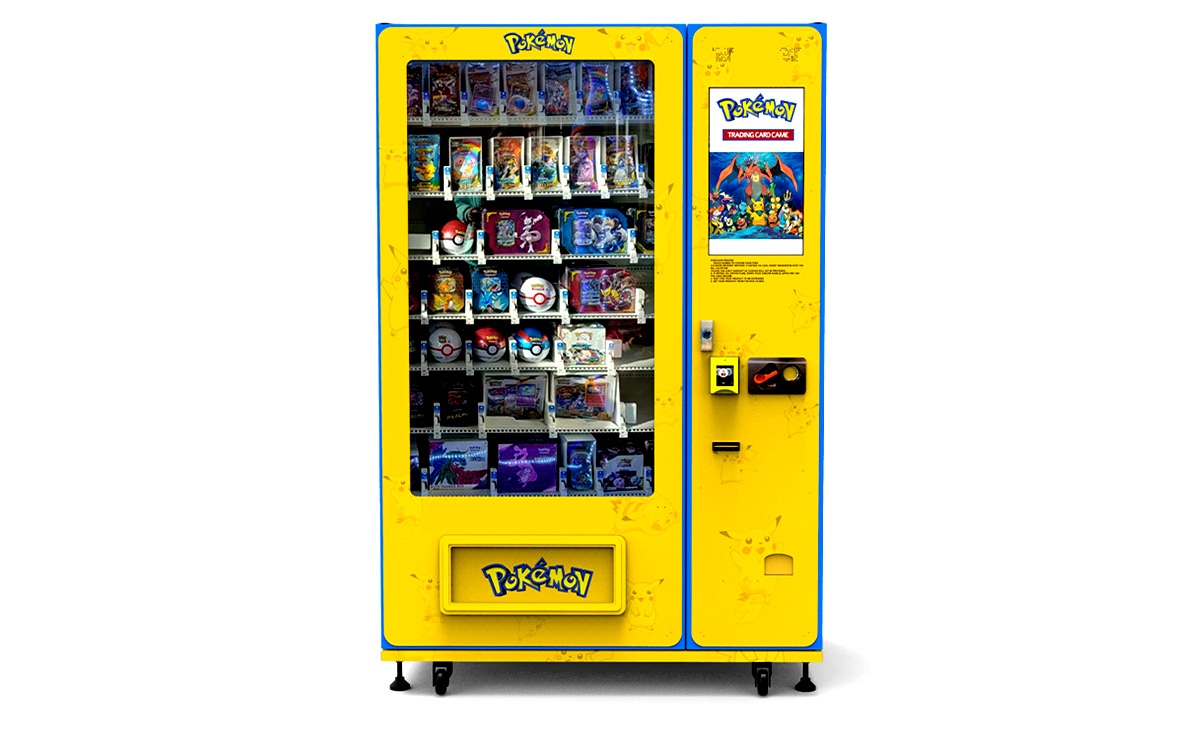
You have three main options for getting into vending:
- Buy outright: you own the machine, keep all profit, but bear all risk. Best for operators with capital and experience.
- Lease: lower upfront cost, but monthly payments eat into profit. Useful for testing a location.
- Revenue share with location owner: the location provides space, you provide and maintain the machine. You split sales. Common in high-demand locations like schools and hospitals.
I have used all three models. Buying outright gives the best long-term return if you choose good locations. Leasing is a trap if the lease terms are long and the location underperforms. Revenue sharing works well when the location owner is motivated to keep the area clean and promote the machine.
FAQ
Is a vending machine profitable in 2026?
Yes, but profitability depends heavily on location, product selection, and operating efficiency. A well-managed machine in a good spot can generate $200 to $600 in monthly net profit. Many machines, however, barely break even. Do not expect passive income without active management.
How much does a contactless vending machine cost?
A new machine with a contactless reader, telemetry, and a modern touchscreen typically costs between $5,500 and $10,000. Retrofitting an older machine with a contactless upgrade kit costs $600 to $1,200. Prices vary by manufacturer and features.
How long does it take to recoup the investment?
With a good location, you can recover your investment in 12 to 24 months. In average locations, it may take 30 months or longer. Some machines never pay back. I always recommend a conservative payback estimate of 24 months when planning.
Should a beginner buy or lease a machine?
If you have the capital, buying is better in the long run. Leasing reduces upfront risk but increases monthly costs. I suggest starting with one or two purchased machines in proven locations before scaling.
Where are the best places to put a vending machine?
Corporate offices, hospitals, universities, transit hubs, gyms, and hotels are consistently strong locations. Avoid low-traffic areas, outdoor spots without shelter, and locations where the primary demographic is elderly or cash-dependent.
What permits or licenses do I need?
Requirements vary by city and country. In most of the US and Europe, you need a business license, a sales tax permit, and sometimes a food handling permit if you sell perishable items. Check with your local business authority. The European Commission's "Your Europe" portal is a good starting point for EU operators.
How do I choose a vending machine supplier?
Look for a supplier with experience in your target market, good after-sales support, and machines that support the payment methods your customers use. I have had good results with Zhongda Smart for their build quality and payment integration. Always ask for references and test the machine before buying in bulk.
What happens when the machine breaks?
You need a plan for repairs. If you are handy, you can fix many issues yourself with spare parts. Otherwise, find a local technician who specializes in vending machine repair. Remote diagnostics can help identify problems quickly. Downtime costs money, so speed matters.
How can I reduce restocking and maintenance costs?
Use telemetry data to optimize your restocking schedule. Only visit machines when they need it, not on a fixed calendar. Stock high-margin, fast-moving items. Keep a small inventory of common spare parts. Negotiate better prices with suppliers by buying in bulk.
Final Thoughts from the Field
Vending machine contactless is not a magic bullet, but it is a necessary foundation for any modern automated retail operation. The technology has matured enough that reliability is no longer an excuse to avoid it. The real work is in choosing the right location, managing costs, and staying disciplined about data-driven decisions.
I have made my share of mistakes—placing machines in dead spots, buying cheap hardware, ignoring payment reader placement. Every error taught me something that improved my next decision. If you are entering this business, start small, test thoroughly, and treat every machine as a learning experiment. The ones that work will tell you where to expand.
This article was updated in January 2026. Market conditions, technology, and costs change. Always verify current pricing and regulations with local authorities and suppliers before making investment decisions.
Sources and References
- European Central Bank, "Payment Statistics for 2024," available at ecb.europa.eu.
- Federal Reserve, "2025 Payments Study," available at federalreserve.gov.
- IBISWorld, "Vending Machine Operators Industry in the US – Market Research Report," 2025 edition, available at ibisworld.com.
- European Commission, "Your Europe – Business permits and licenses," available at europa.eu.