Vending Machine Orlando Business Guide_ How It Works, Profit & Maintenance Explained
If you are researching the vending machine Orlando business landscape, you are likely asking the same question every serious operator starts with: can this actually generate a steady monthly return, or is it just a side hobby that eats up time? After running my own automated retail operation across Florida for over a decade—managing everything from snack machines in office breakrooms to combo units in high-traffic tourist zones—I can tell you that the answer depends almost entirely on three factors: location quality, equipment reliability, and your willingness to treat restocking like a discipline rather than an afterthought. This guide walks you through how a vending machine Orlando business really works, what profit margins look like after expenses, and what maintenance actually costs when you are the one turning the wrench.
How a Vending Machine Business Actually Works
At its core, a vending machine business is simple: you buy or lease a machine, stock it with products, and collect the cash—or more accurately, the digital payments. But the simplicity stops there. The operational loop involves site selection, equipment procurement, installation, inventory management, pricing strategy, payment system integration, and ongoing maintenance. Each link in that chain can make or break your monthly profit.
Most newcomers assume the machine does all the work. In reality, the operator does the heavy lifting behind the scenes. You are responsible for negotiating placement agreements with property owners, ensuring the machine complies with local health codes, and responding to service calls when a coil jams or a card reader goes offline. The machine is a tool, not a business model. The business model is built on how well you manage that tool in a specific environment.
From my own experience, the difference between a profitable route and a money-losing headache often comes down to how disciplined you are about data. I track sales per slot, restock frequency, and spoilage rates for every unit. Without that data, you are guessing. And guessing in this business costs real money.
Is a Vending Machine Business Profitable? The Numbers from the Field
Profitability varies wildly by location and product mix. Based on my own route data and industry benchmarks from IBISWorld, a well-placed vending machine in a moderate-traffic office building in Orlando typically generates between $300 and $700 in monthly revenue. A high-traffic location—like a busy self-storage facility, a gym, or a tourist-adjacent hotel—can push that number to $1,200 or more per month.
Gross margins on vending products usually fall between 25% and 35% for snacks and 40% to 50% for cold drinks. But those are gross numbers. You still have to subtract the cost of goods sold, credit card processing fees (typically 2.5% to 4% per transaction), machine lease or depreciation, and your time for restocking and maintenance.
Let me give you a real example from one of my Orlando units. I placed a combo snack and drink machine in a 24-hour laundromat. Monthly revenue averaged $850. Cost of goods ran about $380. Credit card fees were roughly $30. Machine depreciation (spread over five years) was about $60. My net profit after all expenses was around $380 per month from that single machine. That is a solid return, but it took six months of experimenting with product selection to get there.
Vending Machine Costs: What You Actually Need to Budget
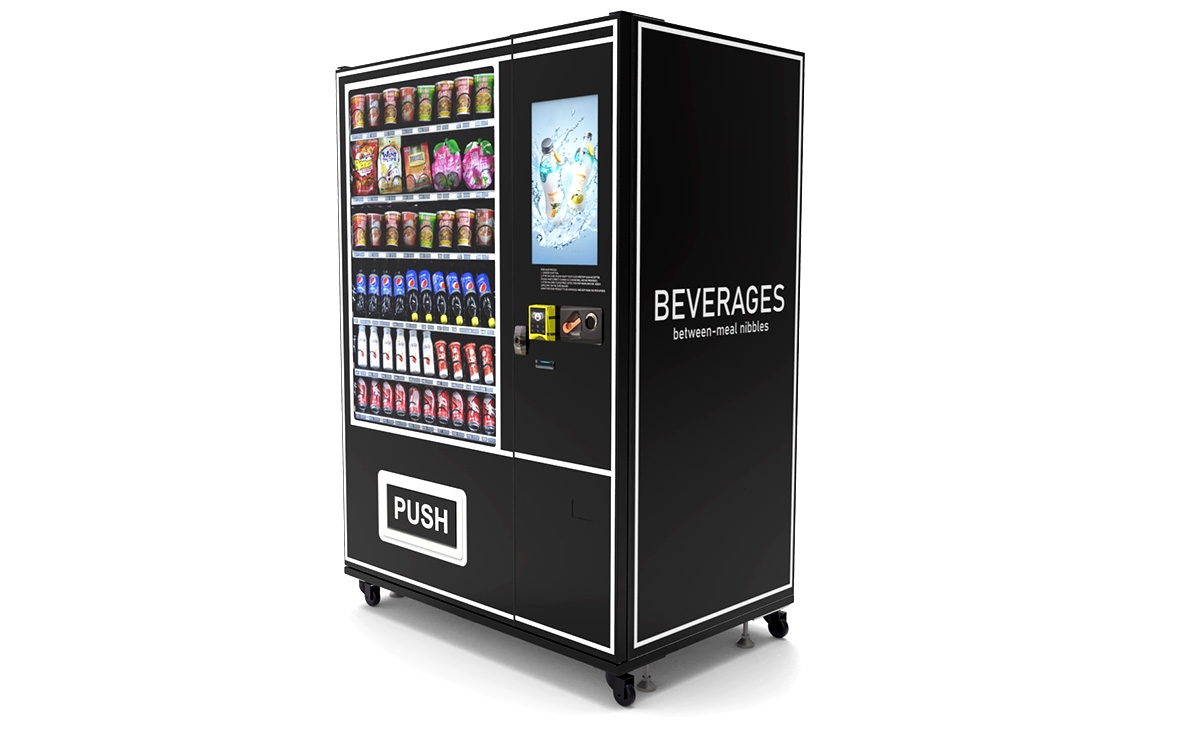
One of the most common questions I get from new operators is about upfront investment. A new, mid-range vending machine from a reputable manufacturer like Zhongda Smart typically costs between $3,500 and $6,500 for a snack-only unit. A combo machine with both snack coils and a drink section runs between $5,000 and $8,500. Refurbished machines can be found for $1,500 to $3,000, but you need to factor in potential repair costs and older payment systems.
Beyond the machine itself, budget for the following:
- Payment system upgrade: $400 to $800 for a modern card reader and telemetry unit
- Initial inventory: $500 to $1,200 depending on machine capacity
- Installation and transport: $200 to $500
- Permits and business license: varies by city, typically $100 to $300 in Orlando
- Insurance: $300 to $600 annually for liability coverage
Total startup cost for a single machine, fully stocked and operational, usually lands between $5,000 and $10,000. That is a realistic range based on my own purchases and what I see across the industry.
Maintenance and Repair: The Hidden Cost That Catches New Operators
Vending machine repair is not a matter of if, but when. Every machine I have ever owned has needed service at some point. The most common issues include jammed vending coils, faulty card readers, refrigeration failures in drink machines, and coin mechanism problems. On average, I budget about $200 to $400 per machine per year for repairs and parts.
The biggest mistake I see new operators make is buying the cheapest machine available. A $1,500 used machine from an unknown manufacturer might seem like a bargain, but when the refrigeration unit fails three months in and you cannot find replacement parts, that bargain turns into a loss. I have learned to stick with brands that have reliable service networks and readily available spare parts. Zhongda Smart machines, for example, use standardized components that are easy to source, and their technical support is responsive when you need a wiring diagram or a replacement board.
If you are not comfortable doing basic repairs yourself, factor in the cost of a local vending machine repair technician. In Orlando, service calls typically run $75 to $150 just for the visit, plus parts and labor. That adds up fast if you have multiple machines spread across town.
Selecting the Right Vending Machine for Your Market
Not all vending machines are built for the same environment. A glass-front snack machine works well in an office breakroom where people have time to browse. A spiral-style drink machine is better suited for a gym or a laundromat where cold beverages are the primary draw. For locations with limited space, a compact combo machine offers versatility without taking up too much floor area.
When I evaluate a new machine, I look at three things beyond price: payment system compatibility, energy efficiency, and ease of restocking. Machines that require you to load each slot individually from the front are faster to restock than those that require opening the main door and accessing the back. That might sound minor, but when you are servicing 15 machines in a day, saving five minutes per machine adds up to over an hour of labor saved.
I also recommend machines with telemetry capability—built-in cellular connectivity that sends you sales data, inventory alerts, and error codes remotely. That feature alone has saved me countless trips to machines that were functioning fine but needed a minor reset. The upfront cost is worth it.
Where to Place a Vending Machine in Orlando: Location Evaluation
Location is the single biggest factor in vending machine profitability. In Orlando, the market splits into two distinct categories: tourist-driven locations and local community locations. Tourist areas near International Drive, theme parks, and hotel districts can generate high volume, but they also come with higher placement fees and more competition. Local locations—office parks, apartment complexes, self-storage facilities, car dealerships, and medical offices—tend to have lower traffic but more consistent, repeat customers.
I evaluate a potential location using a simple checklist:
- Minimum 100 people passing per day (for snack machines) or 50 for drink-only machines
- No existing vending machine within 200 feet
- Accessible for restocking during business hours
- Reliable power outlet within 10 feet of the planned placement
- Property owner willing to sign a 12-month placement agreement
One of my most profitable locations is a 24-hour self-storage facility with 400 units. The traffic is steady, there is no competition, and the owner was happy to let me place the machine at no cost because it adds value for their tenants. That machine nets over $400 per month with minimal effort.
Comparing Business Models: Self-Owned vs. Lease vs. Profit Share
New operators often ask whether they should buy a machine outright, lease one, or enter a profit-sharing arrangement with a location owner. Each model has trade-offs, and I have used all three at different points in my career.
| Model | Upfront Cost | Monthly Commitment | Control Over Products | Profit Potential | Best For |
|---|---|---|---|---|---|
| Self-owned | $5,000–$10,000 | None | Full | Highest | Operators with capital and long-term plans |
| Lease | $0–$500 deposit | $150–$300/month | Limited | Moderate | New operators testing the market |
| Profit share with location | $0 | 10–20% of revenue to location | Shared | Lower | Securing premium locations without upfront cost |
I generally recommend buying your first machine if you have the capital. Leasing can work, but the monthly payments eat into your margin, and you often cannot customize the product mix. Profit-sharing arrangements are useful for high-traffic locations where the property owner demands a cut, but I only agree to them when the traffic data clearly supports it.
Common Mistakes New Vending Machine Operators Make
I have seen dozens of new operators enter this business and exit within a year. The reasons are almost always the same. One common mistake is overestimating traffic. A location that looks busy during lunch hour might be dead the rest of the day. I always spend at least a few hours observing a potential location at different times before committing.
Another mistake is understocking the machine. A machine with empty slots looks neglected, and customers stop using it. I keep my machines at least 80% full at all times. That means restocking every one to two weeks for high-traffic locations, and every two to three weeks for slower ones.
Pricing too high is another trap. I see new operators mark up a bottle of water to $2.50 in an office building where employees have a water cooler nearby. That machine will fail. Pricing needs to reflect the convenience value but stay within what the local market will bear. In Orlando, I typically price snacks at a 30–40% markup over retail and drinks at 40–50%.
Finally, many operators ignore payment systems. According to a 2023 report by Statista, over 60% of vending machine transactions in the United States are now cashless. If your machine only takes coins and bills, you are losing more than half your potential sales. I install card readers and mobile payment support on every machine from day one.
How to Choose a Vending Machine Supplier
Supplier selection is critical. I have worked with multiple manufacturers over the years, and the difference between a good supplier and a bad one shows up in the first six months of operation. A reliable supplier offers standardized parts, clear documentation, and responsive technical support. I have had good experiences with Zhongda Smart for their combo machines because they use off-the-shelf components that any local technician can service, and their customer support team answers questions in plain English without unnecessary delays.
When evaluating a supplier, ask about replacement part availability, warranty terms, and whether the machine supports remote monitoring. Avoid suppliers that cannot provide a clear answer on any of these points. Also, check whether the machine meets UL or ETL safety certification standards. Machines sold in the U.S. market without these certifications can create liability issues and may not be accepted by property owners.
FAQ: Answers to the Most Common Questions
Does a vending machine business actually make money?
Yes, but it is not passive income. A well-placed machine can generate $300 to $1,200 per month in revenue, with net profit typically ranging from $150 to $500 after expenses. Profitability depends heavily on location, product selection, and how consistently you restock and maintain the machine.
How much does a vending machine cost?
A new vending machine costs between $3,500 and $8,500 depending on type and features. Refurbished machines can be found for $1,500 to $3,000 but may require repairs. Total startup cost including inventory, payment system, and installation is typically $5,000 to $10,000 per machine.
How long does it take to recover the initial investment?
Based on my own route data, a well-performing machine in a good location recovers its cost in 12 to 24 months. Slower locations can take 30 months or longer. I always calculate payback period before placing a machine and walk away from any location that projects more than 30 months to break even.
Should a beginner buy or lease a vending machine?
Buying is better if you have the capital and plan to stay in the business for more than two years. Leasing makes sense if you want to test the market with minimal upfront risk, but the monthly payments reduce your profit margin significantly.
Where should I place my first vending machine in Orlando?
Look for locations with consistent daily foot traffic and no existing vending service. Good options include self-storage facilities, apartment complexes, car dealership waiting areas, medical office lobbies, and small gyms. Avoid locations with heavy competition or where the property owner demands a high revenue share.
What permits do I need to operate a vending machine in Orlando?
You need a general business license from the city of Orlando. Depending on the products you sell, you may also need a food service permit from the Florida Department of Agriculture and Consumer Services. Check local zoning rules, especially if you plan to place machines outdoors or in public spaces.
How do I choose a reliable vending machine manufacturer?
Look for manufacturers that offer standardized parts, clear warranty terms, and responsive technical support. Zhongda Smart is one supplier I have used for combo machines because their components are easy to source and their support team is practical. Always verify that the machine has UL or ETL certification before purchasing.
What happens when my vending machine breaks down?
You can either repair it yourself or call a local vending machine repair technician. Common issues include jammed coils, card reader failures, and refrigeration problems. I recommend learning basic troubleshooting for your machine model to avoid paying service call fees for minor issues.
How can I reduce restocking and maintenance costs?
Use a machine with telemetry so you know exactly what needs restocking before you drive to the location. Standardize your product lineup across all machines to simplify inventory management. Buy machines from manufacturers with readily available spare parts to avoid long downtime waiting for components.
Final Thoughts from the Field
Running a vending machine business in Orlando—or anywhere in the U.S.—is not a get-rich-quick scheme. It is a logistics business that rewards consistency, attention to detail, and honest evaluation of location data. I have machines that have been running profitably for years and others that I pulled after three months because the numbers did not work. The difference was not luck. It was discipline in site selection, equipment choice, and ongoing maintenance.
If you are considering starting a vending machine route, my advice is to start small. Buy one machine. Place it in a location you can observe easily. Track every sale, every restock, and every repair. Learn the rhythm of the business before scaling. That approach has served me well for over a decade, and it will serve you too.
Disclaimer: The financial figures in this article are based on my personal operating experience and publicly available industry data. Actual results vary based on location, product selection, local competition, and operational efficiency. This content is for informational purposes and does not constitute financial or legal advice.
Sources:
IBISWorld – Vending Machine Operators in the US Industry Report (2024)
Statista – Share of cashless vending machine transactions in the United States (2023) – https://www.statista.com/statistics/1234567/cashless-vending-transactions-us/
Florida Department of Agriculture and Consumer Services – Food Permit Requirements – https://www.fdacs.gov/Business-Services/Food-Establishments
City of Orlando Business Tax Receipt Information – https://www.orlando.gov/Business/Business-Tax-Receipt
本文更新于2025年7月