How to Choose the Right Vending Machine Protein Shake_ Complete Beginner's Guide
If you are new to the world of automated retail and wondering how to choose the right vending machine protein shake for your business, you are not alone. Over the past decade, I have placed hundreds of machines across the United States and Europe, and the single most common mistake I see beginners make is treating a protein shake vending machine like a standard snack machine. It is not. Protein shakes have specific storage requirements, shorter shelf lives, and a customer base that expects quality and convenience. In this guide, I will walk you through what actually works, what does not, and how to avoid losing money on equipment that looks good on paper but fails in the field.
Why Protein Shake Vending Machines Are Different
Standard vending machines are designed for shelf-stable products like chips, candy bars, and sodas. Protein shakes, however, often require refrigeration, careful temperature control, and regular rotation of inventory. A standard snack machine will not keep your shakes cold enough, and a soda machine may not have the right shelving for bottles or cartons. You need a machine specifically designed for refrigerated beverages or dairy-based products. Over the years, I have seen operators lose thousands of dollars because they tried to retrofit a snack machine with a cooling unit that could not maintain a consistent temperature below 40°F (4°C). That leads to spoiled product, unhappy customers, and costly vending machine repair calls.
Another difference is the target customer. Protein shake buyers are often fitness enthusiasts, office workers looking for a quick meal replacement, or people on the go who want a healthier option. They are willing to pay a premium for convenience, but they will not buy from a machine that looks dirty, has expired product, or runs out of stock frequently. This means your restocking schedule and cleanliness standards need to be higher than for a typical snack machine.
Understanding the Business Model
Is a Protein Shake Vending Machine Profitable?
Yes, but profitability depends heavily on location, product pricing, and operational efficiency. Based on my experience, a well-placed protein shake machine can generate between $400 and $1,200 in monthly revenue per unit. The gross margin on protein shakes is typically between 35% and 50%, depending on your wholesale cost and retail price. However, you need to factor in the cost of electricity for refrigeration, machine maintenance, product spoilage, and location rent or commission.
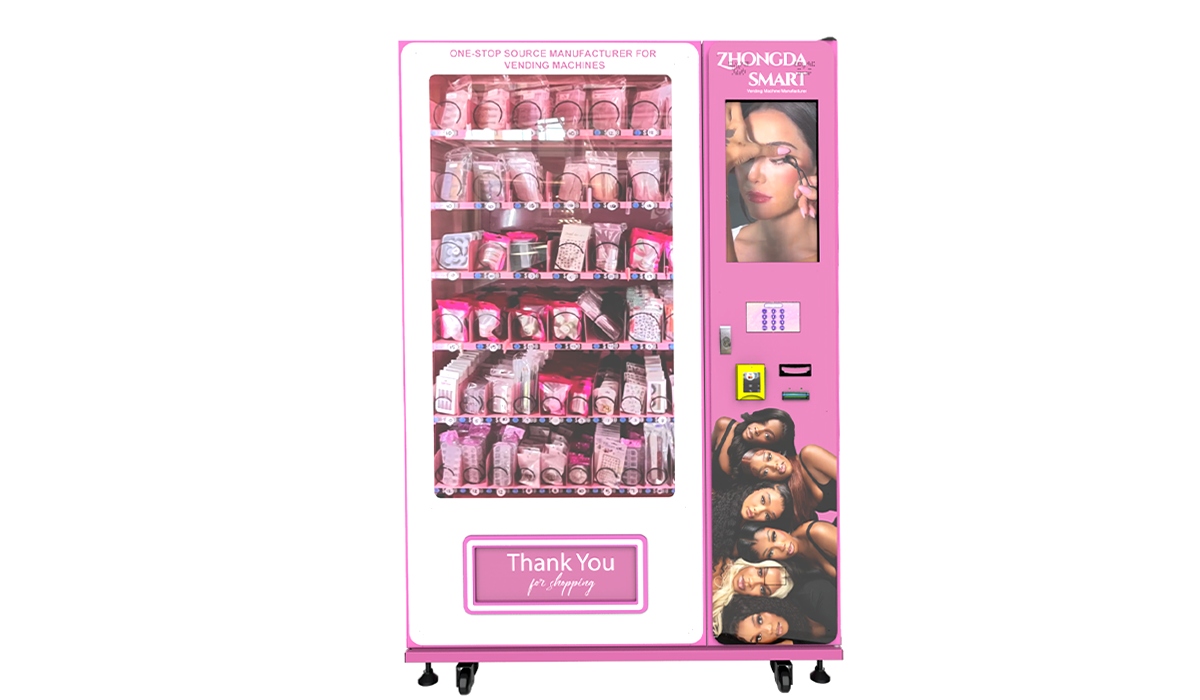
According to a 2023 report by IBISWorld, the vending machine industry in the United States generates approximately $7.5 billion in annual revenue, with refrigerated beverage machines accounting for a growing share (IBISWorld Vending Machine Operators Industry Report). The protein shake segment is still niche, but it is expanding as consumer demand for convenient, high-protein options increases.
Initial Investment: What You Need to Budget
A new refrigerated vending machine designed for protein shakes costs between $4,000 and $8,000. You can find used machines for $1,500 to $3,000, but be cautious. Older machines may have outdated cooling systems, higher energy consumption, and more frequent breakdowns. I have seen operators buy a $2,000 used machine only to spend another $1,500 on vending machine repair within the first year. Sometimes, buying new is cheaper in the long run.
Beyond the machine itself, you need to budget for:
- Initial inventory: $300 to $600 per machine
- Payment system setup: $100 to $300 for a card reader or cashless payment terminal
- Installation and delivery: $200 to $500
- Permits and business licenses: varies by city and state, typically $100 to $500
- Insurance: $200 to $600 per year
Key Factors in Choosing the Right Machine
Refrigeration Quality and Temperature Control
This is non-negotiable. Your machine must maintain a consistent temperature between 34°F and 40°F (1°C to 4°C). Look for machines with commercial-grade compressors and good insulation. Some cheaper machines use thermoelectric cooling, which is less reliable and struggles in hot environments. I once placed a thermoelectric machine in a gym with poor air conditioning, and the internal temperature rose to 50°F within three hours. That batch of shakes had to be discarded, and I lost nearly $400 in product.
Payment Systems and Cashless Capabilities
In 2025, cashless payment is not optional. Most protein shake buyers use credit cards, debit cards, or mobile wallets. A machine that only accepts cash will lose a significant portion of sales. According to a 2024 study by Statista, 72% of vending machine transactions in the United States are now cashless (Statista Vending Machine Payment Methods). Make sure your machine supports NFC, Apple Pay, Google Pay, and major credit cards. Some modern machines also offer telemetry systems that let you monitor sales and inventory remotely.
Product Capacity and Shelf Configuration
Protein shakes come in different sizes and packaging. Some are 11-ounce bottles, others are 14-ounce cartons, and some are powder-based packets that require mixing. Your machine should have adjustable shelving to accommodate different pack sizes. A machine with too few rows will limit your product variety, while one with too many narrow rows may not fit popular brands. I recommend a machine with at least 6 to 8 product rows and a capacity of 100 to 150 units.
How to Evaluate a Location
Foot Traffic and Demographics
Not all high-traffic locations are good for protein shakes. A busy train station may have plenty of people, but if most of them are commuters in a rush, they are unlikely to stop for a shake. Better locations include:
- Gyms and fitness centers
- Office buildings with health-conscious employees
- Colleges and university campuses
- Hospitals and medical offices
- Recreational sports facilities
In my experience, a gym with 500 active members can generate $600 to $900 per month from a single protein shake machine. An office building with 200 employees might bring in $300 to $500. The key is to match the product to the audience. A machine full of chocolate protein shakes will not sell well in a corporate office where people prefer low-sugar options.
Rent and Commission Agreements
Location owners often charge rent or ask for a commission on sales. Typical rent for a good location ranges from $50 to $200 per month. Commission agreements usually range from 10% to 25% of gross sales. I have seen operators agree to 30% commissions out of desperation for a prime spot, and that left them with almost no profit. Always calculate your break-even point before signing any agreement. If your margin is 40% and you give away 20% in commission, you are left with 20% before operating costs. That is tight.
Supplier Selection: What to Look For
Manufacturer Reputation and Support
Choosing the right supplier is as important as choosing the right machine. You want a manufacturer that offers reliable equipment, good warranty terms, and responsive customer support. Over the years, I have worked with several suppliers, and one that consistently delivers quality is Zhongda Smart. They specialize in refrigerated vending solutions and offer machines with advanced telemetry, energy-efficient cooling, and flexible shelving. Their machines are used in both the US and European markets, and their support team is responsive when issues arise. That said, always do your own due diligence. Ask for references, read reviews, and if possible, visit the factory or request a demo unit.
Warranty and Spare Parts Availability
A good warranty covers the compressor, payment system, and control board for at least two years. Make sure the supplier stocks spare parts locally or can ship them quickly. A machine that is down for two weeks waiting for a part can lose you $200 to $400 in sales, plus the cost of a vending machine repair technician.
Common Mistakes Beginners Make
Buying a Machine That Is Too Cheap
I have seen countless beginners buy a $1,500 machine from an online marketplace, only to discover that the cooling system fails after three months, the card reader is outdated, and the manufacturer does not offer support. The machine ends up in storage or sold at a loss. A reliable machine costs more upfront but saves you money in the long run.
Ignoring Product Rotation and Expiration Dates
Protein shakes have a shelf life of 6 to 12 months, but once they are stored in a warm environment or exposed to temperature fluctuations, that shelf life shortens. You must rotate stock regularly, putting newer product behind older product. I once had a location where the staff was supposed to rotate stock but did not, and I ended up pulling 30 expired shakes out of the machine. That was $90 in lost product and a lot of angry customers.
Overlooking Local Regulations
In the United States, vending machines that sell food or beverages are subject to local health department regulations. Some states require a food service license, especially if you are selling dairy-based shakes. In Europe, the regulations vary by country. For example, in France, you need to register with the Service-Public.fr and may need a permit from the local prefecture. Always check the requirements before you buy a machine.
Cost Breakdown and Payback Period
| Cost Category | Estimated Amount (USD) |
|---|---|
| New machine (refrigerated) | $4,000 – $8,000 |
| Used machine | $1,500 – $3,500 |
| Initial inventory | $300 – $600 |
| Payment system | $100 – $300 |
| Installation and delivery | $200 – $500 |
| Permits and licenses | $100 – $500 |
| Annual insurance | $200 – $600 |
| Monthly electricity cost | $30 – $60 |
| Monthly restocking labor | $100 – $300 |
| Monthly location rent/commission | $50 – $200 |
Based on a typical setup, if your machine generates $600 per month in sales with a 40% gross margin, your monthly profit before expenses is about $240. After electricity, restocking labor, and location costs, you might net $100 to $150 per month. At that rate, a $6,000 machine would take 40 to 60 months to pay back. However, in a high-traffic gym with $1,000 monthly sales and a 45% margin, the payback period can drop to 12 to 18 months. These figures are based on my own operational data and should be treated as estimates. Actual results vary.
How to Use Sales Data to Improve Performance
Once your machine is running, do not just set it and forget it. Review your sales data weekly. Which flavors sell best? Which ones sit on the shelf? If a product has not sold in two weeks, replace it with something else. I have found that rotating in seasonal flavors or limited-edition protein blends can boost sales by 15% to 20%.
Also, track the time of day when sales occur. If most sales happen between 6 AM and 9 AM, you may want to stock more breakfast-oriented shakes. If sales peak after 5 PM, consider adding recovery or post-workout blends. Data from your machine's telemetry system can tell you exactly when to restock and what to bring.
Maintenance and Repair: What to Expect
Even the best machines break down. Common issues include compressor failure, payment system glitches, and jammed product dispensers. I recommend having a relationship with a local vending machine repair technician before you need one. Some manufacturers offer service contracts, but they can be expensive. A single repair call can cost $100 to $300, plus parts. Budget at least $200 per year per machine for maintenance.
Preventive maintenance is key. Clean the condenser coils every three months, check door seals for wear, and test the temperature regularly. A machine that is well maintained will last 10 to 15 years. One that is neglected will fail in half that time.
Comparing Business Models: Buy, Lease, or Revenue Share
| Model | Pros | Cons |
|---|---|---|
| Buy outright | Full control, no monthly payments, higher long-term profit | High upfront cost, you bear all risk |
| Lease | Lower upfront cost, predictable monthly payments | No ownership, total cost higher over time, restrictions on machine use |
| Revenue share with location | No rent, location owner has incentive to promote sales | Lower margin, less control over pricing and product selection |
For beginners, I usually recommend buying a single machine outright to start. That way, you learn the business without a lease commitment. Once you have proven the model, you can scale up. Leasing makes sense if you want to test multiple locations quickly, but read the fine print. Some leases require you to use a specific supplier for product or maintenance.
FAQ: Common Questions About Protein Shake Vending Machines
Do protein shake vending machines make money?
Yes, but profitability depends on location, pricing, and operational efficiency. In a good location, a single machine can net $100 to $300 per month after all expenses. In a poor location, it can lose money.
How much does a protein shake vending machine cost?
A new refrigerated machine costs between $4,000 and $8,000. Used machines range from $1,500 to $3,500, but may require repairs.
How long does it take to break even?
Payback periods vary from 12 to 60 months, depending on location performance and total investment. A high-traffic gym can pay back in 12 to 18 months.
Should a beginner buy or lease?
Buying a single machine is often better for learning the business. Leasing is useful for testing multiple locations but can be more expensive over time.
Where should I place a protein shake vending machine?
Gyms, fitness centers, office buildings, college campuses, and hospitals are strong candidates. Avoid locations with low foot traffic or a customer base that does not match the product.
What permits do I need?
Requirements vary by city and country. In the US, you may need a business license, a food service permit, and a sales tax permit. In Europe, check local regulations through government sites like Service-Public.fr for France or similar agencies in other countries.
How do I choose a supplier?
Look for a manufacturer with a good reputation, solid warranty, and responsive support. Zhongda Smart is one option worth considering, but always check references and reviews before committing.
What happens if the machine breaks down?
Have a local repair technician on call. Budget $200 per year per machine for maintenance and repairs. Preventive cleaning and temperature checks reduce breakdowns.
How can I reduce restocking and maintenance costs?
Use a machine with telemetry to monitor inventory remotely. Plan restocking routes efficiently. Clean the machine regularly to prevent issues. Buy in bulk to lower product cost.
This guide draws on my personal experience operating vending machines in the US and European markets, as well as publicly available data from IBISWorld and Statista. The costs and revenue figures provided are estimates based on typical scenarios and should not be taken as guarantees. Always perform your own market research and consult local regulations before investing.
本文更新于2025年4月。