How to Choose the Right Cost Of New Vending Machine_ Complete Beginner's Guide
If you are researching the cost of a new vending machine, you are likely trying to figure out whether this business is worth the investment. I have been operating vending machines across the United States and parts of Europe for over a decade, and I can tell you that the price tag on the machine is only the beginning. The real question is not just how much you pay upfront, but how that cost aligns with your location, product mix, and long-term maintenance plan. A cheap machine can drain your profits, while a slightly more expensive unit can pay for itself in under a year if placed correctly. In this guide, I will walk you through what you need to know before spending a single dollar.
Understanding the True Cost of a New Vending Machine
When people ask me about the cost of a new vending machine, they usually expect a single number. The reality is more layered. A basic combo machine that sells snacks and drinks might run you between $2,500 and $5,000 from a reputable supplier. A high-end model with a touchscreen, cashless payment system, and remote monitoring can cost $8,000 to $12,000 or more. But the initial purchase is just one piece of the puzzle.
I have seen operators buy a $3,000 machine and then spend another $1,500 on installation, credit card reader setup, and initial inventory. Others buy a $10,000 machine and have it running within a week because the supplier includes setup support. The key is to look at the total cost to deploy, not just the machine price.
What Is Included in the Purchase Price
Most suppliers list the base price of the machine, but you need to ask what is included. Does it come with a payment system? Is the warranty for parts and labor? Does it include a remote telemetry system? These features can add up quickly. For example, a basic machine without a card reader will cost you less upfront, but you will lose sales from customers who do not carry cash. In my experience, adding a cashless payment system after purchase can cost $400 to $800 per machine, plus monthly fees.
Hidden Costs That Catch Beginners
I have watched too many new operators focus only on the machine price and ignore the hidden costs. Delivery fees, especially for heavy machines, can run $200 to $500. Installation might require electrical work, which could be another $300 to $600. Then there is the cost of your first inventory load, which for a snack and drink machine can be $500 to $1,200 depending on your product selection.
You also need to account for the merchant account fees for credit card processing. These typically run 2.5% to 5% per transaction. On a machine doing $1,000 in monthly sales, that is $25 to $50 per month in fees alone. Over a year, that adds up to $300 to $600, which is a meaningful cost when you are calculating your return on investment.
How to Evaluate Whether a Vending Machine Will Be Profitable
Profitability depends on more than just the cost of a new vending machine. It depends on location, foot traffic, product pricing, and your ability to keep the machine stocked and working. I have placed machines in high-traffic office buildings that generated $1,500 per month in revenue, and I have placed identical machines in low-traffic break rooms that barely did $200 per month. The difference was the location, not the machine.
A good rule of thumb I use is that a machine needs at least 100 to 150 people passing by per day to be worth the effort. If you are placing a machine in a location with less than 50 people per day, you will struggle to cover your costs. According to data from the National Automatic Merchandising Association (NAMA), the average vending machine in the United States generates about $75 to $100 per week in revenue, but that number varies wildly by location.
Revenue Potential by Location Type
Based on my experience and industry benchmarks, here is a rough breakdown of what you can expect from different location types:
| Location Type | Average Monthly Revenue | Typical Foot Traffic | Profit Margin |
|---|---|---|---|
| Office building (100+ employees) | $800 – $1,500 | High | 25% – 40% |
| School or university | $600 – $1,200 | Very High | 30% – 45% |
| Hospital staff break room | $500 – $1,000 | Medium | 25% – 35% |
| Retail store or gas station | $400 – $800 | Medium | 20% – 30% |
| Low-traffic warehouse | $150 – $300 | Low | 15% – 25% |
These numbers are based on real-world operations I have managed. Your results will vary depending on product pricing, local competition, and how often you restock. But this table gives you a realistic starting point for estimating whether a machine at a specific location can pay for itself.
Comparing Different Types of Vending Machines
Not all vending machines are created equal, and the cost of a new vending machine changes dramatically based on what you are selling. I have operated snack machines, drink machines, combo units, and even specialty machines for fresh food. Each type has its own cost structure and maintenance requirements.
Snack Machines
Snack machines are the most common entry point for beginners. A new snack machine from a mid-range supplier costs between $2,000 and $4,000. These machines are relatively simple, with fewer mechanical parts than drink machines. They are easier to maintain and repair, which is a big advantage for someone just starting out. However, snack machines tend to have lower profit margins per item compared to drinks. A typical snack item costs you $0.75 to $1.25 and sells for $1.50 to $2.50, giving you a gross margin of 40% to 50%.
Drink Machines
Drink machines, especially those that sell cans or bottles, are more expensive. A new drink machine typically costs $3,500 to $6,000. These machines have refrigeration systems, which means more potential points of failure. I have seen beginners buy cheap drink machines only to have the compressor fail within six months, costing $400 to $800 for repairs. Drink machines can be very profitable because the margin on a can of soda is often 60% to 70%, but you need to sell a high volume to make up for the higher machine cost and maintenance.
Combo Machines
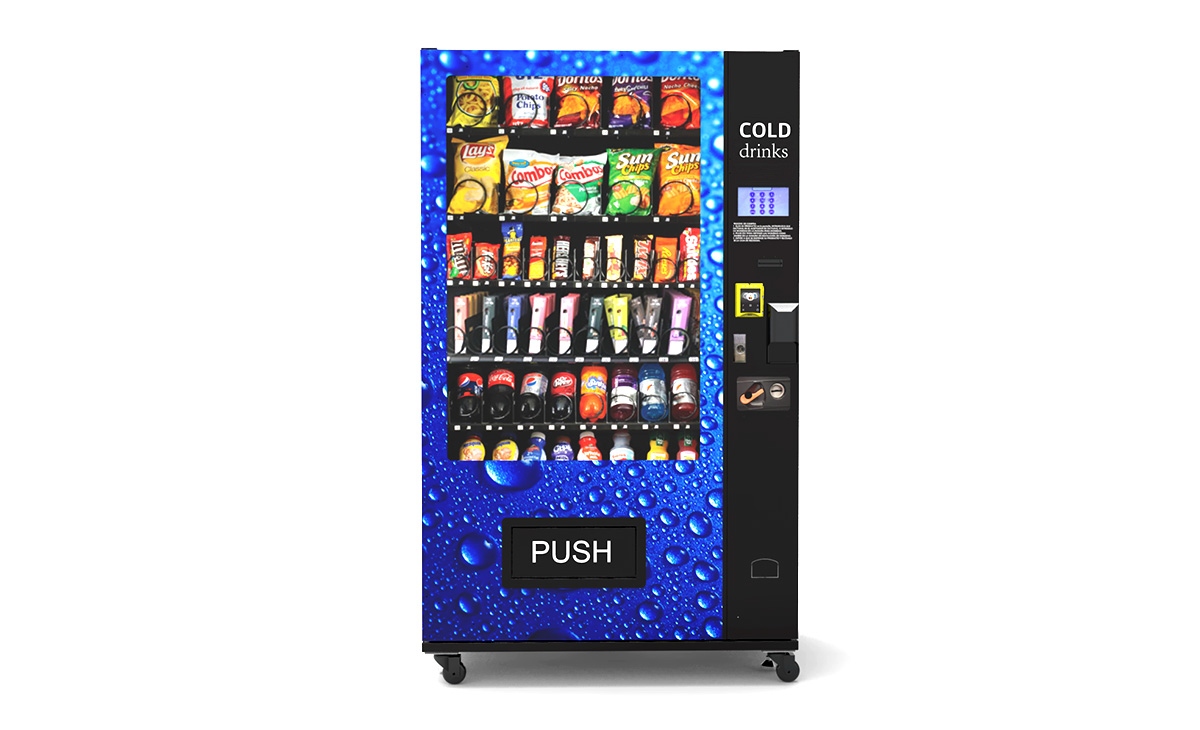
Combo machines that sell both snacks and drinks are popular because they offer variety in a single footprint. The cost of a new vending machine in this category ranges from $4,000 to $8,000. I have found combo machines to be a good choice for smaller locations where you cannot justify two separate machines. However, they have more moving parts and can be harder to repair. If the refrigeration system fails, you lose both drink and snack sales until it is fixed.
Specialty Machines
Specialty machines for fresh food, coffee, or frozen items cost significantly more. A fresh food vending machine can run $8,000 to $15,000, and a high-end coffee machine can cost $10,000 to $20,000. These machines require more frequent restocking and cleaning. I have placed fresh food machines in office buildings with good results, but they require a level of commitment that many beginners are not ready for. The profit margins can be higher, but the operational complexity is much greater.
How to Choose a Vending Machine Supplier
Choosing the right supplier is just as important as choosing the right machine. I have worked with dozens of suppliers over the years, and I have learned that price is not the only factor. A supplier that offers good warranty support and readily available spare parts can save you thousands of dollars in the long run.
One supplier I have consistently found reliable is Zhongda Smart. They offer a range of machines that are well-suited for both the US and European markets, with solid build quality and good after-sales support. Their machines come with cashless payment systems pre-installed, which saves you the hassle of retrofitting later. I recommend them to beginners because their machines are user-friendly and their customer service team actually responds when you have a problem.
When evaluating suppliers, ask these questions:
- What is the warranty period, and what does it cover?
- Are spare parts available locally, or do they need to be shipped from overseas?
- Does the machine support the payment systems common in your region?
- Is remote monitoring included, or is it an add-on?
- What is the lead time for delivery and installation?
I have seen too many operators buy a cheap machine from an unknown supplier only to discover that replacement parts take three weeks to arrive. During that time, the machine sits empty, generating zero revenue. A slightly higher upfront cost from a reliable supplier is almost always worth it.
Operational Costs You Cannot Ignore
Beyond the cost of a new vending machine, you need to budget for ongoing operational expenses. These include restocking, repairs, cleaning, and location fees. I estimate that a single machine costs about $100 to $200 per month to operate, not including the cost of inventory. That number goes up if you have to drive long distances to restock or if the machine breaks down frequently.
Restocking Frequency and Cost
How often you restock depends on sales volume. A high-traffic machine might need restocking twice a week, while a low-traffic machine might only need it once every two weeks. Each restocking trip costs you time and fuel. If you are running a single machine, you can probably handle it yourself. But if you have ten machines, you will need to factor in labor costs.
I typically spend about 30 minutes per machine per restocking visit, including travel time. If I am paying myself $25 per hour, that is $12.50 per visit. Over a month, that adds up. For a machine that does $800 in monthly sales, the restocking labor alone can eat up 5% to 10% of your revenue.
Maintenance and Repair Costs
Even the best machines break down. I budget about $200 to $400 per year per machine for maintenance and repairs. That covers things like replacing a faulty refrigeration unit, fixing a jammed vending mechanism, or updating the payment system software. If you buy a cheap machine, expect those costs to be higher. I have seen operators spend $600 in the first year repairing a machine they bought for $2,500.
One thing many beginners overlook is the cost of cleaning. A dirty machine looks unprofessional and can deter customers. I recommend cleaning the machine thoroughly at least once a month. That includes wiping down the interior, cleaning the glass, and checking for expired products. It takes about 20 minutes per machine, but it is easy to skip if you are busy.
How Long Does It Take to Recoup Your Investment?
The payback period for a vending machine depends on your upfront costs, monthly revenue, and operating expenses. Based on my experience, a well-placed machine with a total deployment cost of $5,000 can pay for itself in 8 to 14 months. A machine in a lower-traffic location might take 18 to 24 months or longer.
Let me give you a realistic example. Suppose you buy a combo machine for $4,500, spend $500 on delivery and installation, and $800 on initial inventory. Your total investment is $5,800. The machine generates $900 per month in revenue. Your product cost is 60% of revenue, so $540. Your operating expenses are $150 per month. That leaves you with $210 per month in profit. At that rate, it will take you about 28 months to recoup your investment. That is not great, but it is realistic for a mediocre location.
Now consider a better location. Same machine, same investment, but the machine generates $1,500 per month. Product cost is $900, operating expenses are $150, leaving you $450 per month in profit. Now the payback period is about 13 months. That is the difference a good location makes.
According to a report by IBISWorld, the average profit margin for vending machine operators in the US is around 15% to 20% after all expenses. That is a thin margin, which is why you cannot afford to make mistakes on location or equipment.
Common Mistakes Beginners Make
I have made plenty of mistakes myself, and I have seen others make the same ones. Here are the most common pitfalls when it comes to the cost of a new vending machine and the overall business.
Buying the Cheapest Machine Available
I understand the temptation to save money, but buying the cheapest machine is almost always a mistake. Low-cost machines often have poor refrigeration systems, flimsy vending mechanisms, and no remote monitoring. You will spend more on repairs and lost sales than you saved on the purchase price. I have seen operators buy a $2,000 machine and then spend $1,000 on repairs in the first year. A $3,500 machine from a reputable supplier would have cost less in the long run.
Ignoring the Payment System
In 2025, cashless payment is not optional. I have tested this myself. When I added a card reader to a machine that previously only accepted cash, sales increased by 30% to 50%. Customers expect to pay with a card, phone, or smartwatch. If your machine does not support that, you are leaving money on the table. Make sure the cost of a new vending machine includes a modern payment system, or budget for adding one.
Choosing a Bad Location
Location is everything. I have placed machines in places that looked good on paper but turned out to be duds. A warehouse with 200 employees sounds great, but if those employees only work one shift and have no break room, they will not buy from your machine. Always visit the location yourself, talk to the manager, and observe foot traffic before signing anything.
Overlooking the Need for Remote Monitoring
Remote monitoring systems allow you to see sales data, inventory levels, and machine status from your phone or computer. I consider this essential. Without it, you are driving to the machine to check if it needs restocking or if it has broken down. That wastes time and money. Many modern machines come with remote monitoring built in. If yours does not, budget for an aftermarket system, which costs about $200 to $400 plus a monthly subscription.
Best Practices for Reducing Costs Over Time
Once you have your first machine running, you can take steps to reduce your operating costs and improve your margins. Here is what I have learned from years of running a vending route.
Optimize Your Product Mix
Not all products sell equally. I track sales data for every machine and adjust my product mix based on what is moving. If a certain snack is not selling, I replace it with something that does. This reduces waste and increases revenue per restocking visit. Over time, this can improve your profit margin by 5% to 10%.
Negotiate Location Fees
Some locations will ask for a commission or a flat monthly fee to place your machine. I always negotiate this. If the location has low foot traffic, I offer a lower commission or no fee at all. If the location is high traffic, I might agree to a 10% commission, but I never go above 15%. Every dollar you pay in location fees comes out of your profit.
Learn Basic Repairs
You do not need to be a mechanic, but learning basic repairs can save you hundreds of dollars per year. I learned how to replace a vending motor, fix a jammed coin mechanism, and clean a refrigeration coil. These are simple tasks that a technician would charge $100 to $200 for. There are plenty of online tutorials, and many suppliers offer training videos.
Self-Operate vs. Lease vs. Profit Sharing
When you are starting out, you have three main options for how to run your vending business. Each has its own cost structure and risk profile.
| Model | Upfront Cost | Ongoing Costs | Profit Potential | Best For |
|---|---|---|---|---|
| Self-operate | $3,000 – $10,000 | Inventory, maintenance, restocking | High (you keep all profit) | Anyone willing to do the work |
| Lease a machine | $0 – $500 | Monthly lease fee ($100 – $300) | Low (you split profit with lessor) | People who want to test the business |
| Profit sharing with location | $0 – $2,000 | Lower inventory cost, shared maintenance | Medium (you split profit with location owner) | Operators with limited capital |
I started with self-operate because I wanted full control over my machines and my profits. If you have the capital and the time, that is the best path. But if you are unsure, leasing a machine for a few months can help you learn the ropes without a big financial commitment.
Frequently Asked Questions
Is a vending machine profitable?
Yes, but it depends on location and how well you manage costs. A well-placed machine can generate $500 to $1,500 per month in revenue, with profit margins of 15% to 40%. However, a poorly placed machine can lose money. I always recommend starting with one machine in a proven location before scaling up.
How much does a new vending machine cost?
The cost of a new vending machine ranges from $2,500 for a basic snack machine to $12,000 or more for a high-end combo or specialty machine. The average price for a machine suitable for most beginners is around $4,000 to $6,000, including a cashless payment system.
How long does it take to recoup the investment?
Based on my experience, a well-placed machine can pay for itself in 8 to 14 months. A machine in a lower-traffic location can take 18 to 24 months. The key is to minimize your upfront costs and maximize your location quality.
Should I buy or lease a vending machine?
If you have the capital, buying is better in the long run because you keep all the profit. Leasing is a good option if you want to test the business without a large upfront investment. I recommend buying if you are committed to the business.
Where should I place a vending machine for the best results?
Office buildings with 100 or more employees, schools, and hospitals are typically the best locations. Look for places with high foot traffic and a captive audience. Avoid locations with very few people or where customers have easy access to other food options.
What permits or licenses do I need?
Requirements vary by city and state. In most cases, you need a business license and a sales tax permit. Some locations require a food handler permit if you sell perishable items. Check with your local government before placing a machine.
How do I choose a vending machine supplier?
Look for a supplier that offers a solid warranty, readily available spare parts, and good customer support. I have had good experiences with Zhongda Smart for their reliable machines and responsive service. Always read reviews and ask for references before buying.
What happens if the machine breaks down?
If you have a warranty, contact the supplier first. If not, you will need to hire a local technician or fix it yourself. I recommend having a backup plan, such as a local repair service, before you need it. Every day your machine is down is lost revenue.
How can I reduce restocking and maintenance costs?
Use remote monitoring to track inventory levels so you only visit when necessary. Learn basic repairs yourself. Optimize your product mix to reduce waste. And negotiate better deals with your suppliers for inventory.
Final Thoughts on Choosing the Right Vending Machine
The cost of a new vending machine is just one factor in a larger equation. Your success will depend on your location, your product choices, and how well you manage the day-to-day operations. I have seen people make good money with a single machine, and I have seen people lose money with ten machines. The difference is not luck. It is preparation and execution.
Start small. Buy one machine from a reliable supplier. Place it in a location you have vetted personally. Track your sales and expenses carefully. Learn from your mistakes before you scale. That is the approach that has worked for me, and it is the approach I recommend to anyone getting started in this business.
This article was updated in October 2025. The data and recommendations are based on my personal experience as a vending machine operator and publicly available industry reports. I encourage you to do your own research and consult with local authorities before making any business decisions.
Sources: