Step-by-Step Guide to Starting a Technology Vending Machines Business in 2026
If you are looking at starting a technology vending machines business in 2026, you are not alone—and you are also not late. Over the past decade, I have placed, repaired, and pulled more machines than I care to count across the US and parts of Europe. The market has shifted from simple snack dispensers to sophisticated self-service kiosks handling everything from hot pizza to electronics. The real question is not whether automated retail works—it does, with some operators pulling in over $8,000 per month per location—but whether you can pick the right site, choose the right equipment, and manage the cash flow before you see a return. This step-by-step guide covers exactly what I wish someone had told me when I started.
Why 2026 Is a Real Opportunity for Automated Retail
The landscape for vending has changed more in the last five years than in the previous twenty. Contactless payment, remote telemetry, and cashless adoption have made the technology vending machines business more accessible to small operators. According to a 2025 report by Statista, the global vending machine market was valued at approximately $24 billion and is projected to grow at a compound annual rate of around 7% through 2030. That growth is driven by labor shortages in retail and food service, rising commercial rents, and consumer expectation for 24/7 availability.
Europe, in particular, has seen strong adoption in France, Germany, and the UK. The French market alone accounted for over 600,000 machines in operation as of 2024, according to data from the French Vending Association (NAVSA). The technology vending machines business in 2026 is not about selling candy bars anymore. It is about selling convenience through machines that accept cards, phones, and even cryptocurrency.
Understanding the Core Business Model
Before you buy a single machine, you need to understand that this is a location business first and a equipment business second. The best machine in the world will lose money in the wrong spot. The most basic machine can generate strong returns in the right one.
How Operators Make Money
Revenue comes from the margin between what you pay for products and what you sell them for. Typical gross margins in the vending industry range from 30% to 50%, depending on the product category. Snacks and cold drinks sit at the lower end, while specialty items like fresh food, electronics accessories, or personal care products can push margins higher. The technology vending machines business relies on volume. A machine that does 100 transactions per day at an average ticket of $3.50 will outperform a machine that does 20 transactions at $10, because the fixed costs of restocking and maintenance are similar.
Revenue Sharing and Placement Fees
Most locations will ask for a commission. In my experience, commissions range from 10% to 25% of gross sales. High-traffic locations like hospitals, universities, and transit hubs often demand 20% or more. Some locations also charge a flat monthly placement fee. You need to factor these costs into your pro forma before signing any agreement.
Choosing the Right Equipment for Your Market
This is where most beginners make expensive mistakes. The technology vending machines business in 2026 offers more equipment options than ever, but not all machines are built for the same job.
Traditional Snack and Drink Machines
These are still the workhorses of the industry. A good quality combination machine that holds both snacks and cold drinks will cost between $4,000 and $9,000 new, depending on brand and features. Refurbished units can be found for $2,000 to $4,000, but you need to be careful about the condition of the refrigeration system and the payment electronics. I have seen operators buy cheap refurbished machines only to spend half the purchase price on vending machine repair within the first year.
Specialty and Smart Kiosks
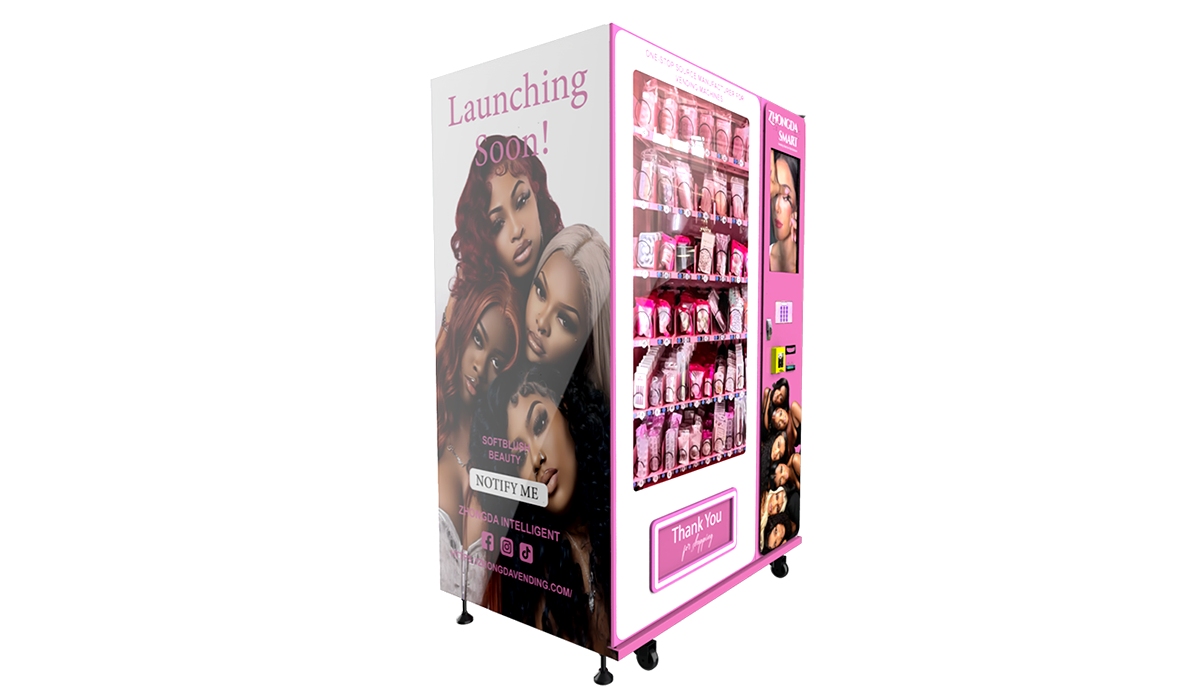
These include machines that vend fresh food, hot meals, electronics, cosmetics, or even prescription glasses. Prices for these machines start around $8,000 and can go up to $25,000 or more for a fully refrigerated, touchscreen-enabled kiosk with remote monitoring. The higher upfront cost is offset by higher margins and less competition. If you are serious about the technology vending machines business, specialty machines are worth exploring—but only after you have mastered the basics of site selection and restocking.
What to Look for in a Supplier
I have worked with manufacturers from the US, Europe, and China. One supplier that has consistently delivered reliable equipment at a fair price is Zhongda Smart. They offer a range of smart vending machines with telemetry, cashless payment integration, and modular shelving. When evaluating any supplier, ask about warranty terms, availability of spare parts, and whether they offer remote diagnostics. Avoid suppliers who cannot provide references from operators in your country. Shipping delays and lack of local support can kill your business before it starts.
Site Selection: The Make-or-Break Factor
If I had to sum up the most common mistake in the technology vending machines business, it would be placing machines in locations with high foot traffic but low dwell time. A train station platform may have thousands of people passing through, but if they are in a hurry and already have alternatives, your machine will underperform.
What Makes a Good Location
- Consistent daily foot traffic of at least 200 people who are within sight of the machine.
- A captive audience with limited alternatives—factories, hospitals, dormitories, and office break rooms are classic examples.
- Dwell time of at least 30 seconds. People need time to stop, browse, and decide.
- 24-hour access or at least extended operating hours.
- Security and lighting. Machines in dark or unsafe areas get vandalized or ignored.
How I Evaluate a Potential Site
I spend at least two hours at the location during different times of the day. I count foot traffic, observe how many people stop near existing vending or retail options, and I talk to the facility manager about employee count and shift patterns. I also check if there are existing machines and what condition they are in. A site with old, poorly maintained machines is often a goldmine waiting for a competent operator.
Cost Breakdown and Return Timeline
Let me give you a realistic picture based on my own operations and industry benchmarks. These numbers are estimates based on experience, not guaranteed returns.
| Expense Category | Estimated Cost Range (USD) | Notes |
|---|---|---|
| New combination machine | $5,000 – $9,000 | Includes warranty and basic telemetry |
| Specialty kiosk (fresh food) | $12,000 – $25,000 | Higher margin but more maintenance |
| Initial product inventory | $500 – $1,500 | Depends on machine capacity |
| Payment system setup | $200 – $600 | Card reader and installation |
| Monthly location commission | 10% – 25% of sales | Negotiable |
| Monthly restocking labor | $200 – $600 | Per machine, depending on frequency |
| Monthly vending machine repair reserve | $50 – $150 | Set aside for breakdowns |
Return on Investment Timeline
A well-placed snack and drink machine in a mid-traffic location typically generates $400 to $1,200 per month in gross sales. After cost of goods (COGS), commission, and expenses, net profit per machine is usually $150 to $500 per month. At that rate, a $7,000 machine pays for itself in 14 to 24 months. Specialty machines with higher margins can break even in 12 to 18 months if placed correctly. I have seen machines in high-traffic hospitals pay for themselves in 9 months, and I have seen machines in low-traffic offices that never returned the investment.
Payment Systems and Telemetry
If you are entering the technology vending machines business in 2026, cash-only is not an option. In Europe, cash usage for small transactions has dropped significantly. According to the European Central Bank, the share of cash payments at point of sale fell from 79% in 2016 to 59% in 2022, and the trend continues. You need card readers, mobile wallet support, and ideally Apple Pay and Google Pay.
Telemetry is equally important. A machine that sends you real-time sales data, inventory levels, and error alerts saves you hours of driving and guesswork. Most modern machines from suppliers like Zhongda Smart come with built-in telemetry. If you buy a used machine without it, budget $300 to $600 for a retrofit kit.
Maintenance and Common Repair Issues
No matter how good your equipment is, things will break. The most common issues I have dealt with include jammed vending mechanisms, failed refrigeration compressors, and payment system communication errors. In the technology vending machines business, downtime is lost revenue and lost trust. A machine that is out of order for more than three days will lose regular customers.
How to Minimize Downtime
- Buy machines with modular components that are easy to swap.
- Keep a small inventory of common spare parts—vend motors, belts, and card reader boards.
- Establish a relationship with a local vending machine repair technician before you need one.
- Use telemetry to catch issues early. A refrigeration failure alert can save your inventory.
Common Mistakes I See New Operators Make
I have been in this business long enough to see the same patterns repeat. Here are the ones that cost the most money.
Buying Cheap Machines
The upfront savings are tempting, but cheap machines often have poor refrigeration, flimsy shelving, and outdated payment systems. You will spend more on vending machine repair in the first year than you saved on the purchase.
Ignoring the Location Agreement
Some operators shake hands and start placing machines without a written agreement. When the location manager changes or the business closes, you have no recourse. Always get a signed agreement that covers commission, access hours, and termination notice.
Overstocking at the Start
New operators tend to fill every slot with product. You are better off starting with 70% capacity and adjusting based on sales data. Overstocking ties up cash and leads to expired products.
Neglecting Hygiene and Appearance
A dirty machine is a silent business killer. Wipe down the exterior, clean the glass, and check for spills every time you restock. In food vending, cleanliness is not optional—it is regulated.
Regulatory Considerations in Europe and the US
The regulatory environment for the technology vending machines business varies by country. In the European Union, machines that sell food must comply with Regulation (EC) 852/2004 on the hygiene of foodstuffs. This means you need to maintain proper temperatures, keep records of cleaning, and ensure that all products are traceable. In France, you must also register with the local Chamber of Commerce and comply with French labeling laws. In the US, regulations are state-specific, but the FDA Food Code applies to vending machines that sell potentially hazardous foods.
If you are selling non-food items like electronics or personal care, the requirements are lighter, but you still need to comply with product safety directives like CE marking in Europe or FCC compliance in the US.
When to Walk Away from a Location
Not every opportunity is worth taking. I have walked away from locations that seemed promising on paper because the facility manager wanted a 30% commission and a five-year exclusive contract. I have also walked away from sites where the electrical wiring was insufficient or the ambient temperature would stress the refrigeration system. Trust your gut, but also trust the numbers. If your projected net profit after all expenses is less than $100 per month, it is not worth the hassle.
Scaling the Business
Once you have three to five machines running smoothly and generating consistent profit, you can start scaling. The key to scaling the technology vending machines business is route efficiency. A cluster of machines within a 10-mile radius costs far less to service than machines spread across a city. I recommend focusing on a specific geographic area and building density before expanding outward.
Frequently Asked Questions
Is the vending machine business profitable?
Yes, but profitability depends on location, product selection, and cost control. A well-placed machine can generate $400 to $1,200 per month in sales, with net profits of $150 to $500 after expenses. Margins are higher for specialty products and lower for standard snacks and drinks.
How much does a vending machine cost?
A new combination snack and drink machine costs between $5,000 and $9,000. Specialty kiosks can cost $12,000 to $25,000 or more. Refurbished machines are available for $2,000 to $4,000 but may require more maintenance.
How long does it take to break even?
Typical break-even periods range from 14 to 24 months for standard machines. High-traffic locations with strong sales can break even in 9 to 12 months. Slow locations may never break even.
Should I buy or lease a machine?
Buying gives you full control and higher long-term profit. Leasing reduces upfront cost but eats into your margin. If you are new, buying one or two machines outright is usually better than entering a lease agreement with restrictive terms.
Where should I place my first machine?
Look for locations with consistent daily traffic of at least 200 people, a captive audience, and limited competition. Good starting points include office break rooms, factory cafeterias, hospital waiting areas, and university common areas.
What permits do I need?
Requirements vary by country and region. In the EU, you need to comply with food hygiene regulations if selling food. In the US, you need a business license and possibly a food vending permit. Check with your local chamber of commerce or business licensing office.
How do I choose a supplier?
Look for suppliers with a track record of reliability, good warranty terms, and local support. Zhongda Smart is one supplier I have worked with that offers solid equipment with telemetry and cashless payment integration. Always ask for references and check the availability of spare parts.
What happens if the machine breaks down?
If you have a maintenance reserve and a relationship with a local technician, most repairs can be handled within 24 to 48 hours. Telemetry helps you catch issues early. Common problems include vend jams, refrigeration failures, and payment system errors.
How can I reduce restocking costs?
Use telemetry to track inventory levels and only restock when needed. Optimize your route to service multiple machines in the same trip. Choose products with long shelf lives to reduce spoilage. Over time, you will learn which items sell fastest at each location.
This article was updated in January 2026. All financial estimates are based on operational experience and industry benchmarks. Individual results will vary based on location, equipment choice, and market conditions. Consult a local business advisor before making investment decisions.
Sources:
Statista. "Vending Machines – Global Market Outlook." 2025. statista.com
NAVSA (National Association of Vending and Automated Services, France). "Market Data 2024." navsa.fr
European Central Bank. "Study on the Payment Attitudes of Consumers in the Euro Area (SPACE)." 2022. ecb.europa.eu