The Complete Guide to Eco Friendly Vending Machine Opportunities and Risks
I have spent over a decade placing vending machines across Europe and North America, from high-traffic logistic hubs in Germany to quiet office break rooms in the Midwest. If you are researching the eco friendly vending machine market, you are likely asking whether sustainable automated retail can actually turn a profit or if it is just a costly trend. The honest answer is that green machines can outperform traditional units in specific locations, but the equipment selection, energy management, and maintenance strategy must be completely different from what you might expect. This guide walks through the real costs, revenue potential, and common pitfalls I have seen operators face when transitioning to energy-efficient and low-waste vending solutions.
Why Eco Friendly Vending Machines Matter in 2025
The vending industry has traditionally been energy-intensive. Older machines use compressors that run constantly, fluorescent lighting that draws power even at night, and cooling systems that leak refrigerants. Over the past five years, however, regulatory pressure in the EU and parts of the US has pushed operators toward more sustainable equipment. The European Commission’s Energy Labelling Directive now covers commercial refrigerated vending machines, requiring clear energy class ratings. In practice, this means that if you plan to place a machine in a German office building or a French train station, the building manager will likely ask about energy consumption before signing a placement agreement.
From an operational standpoint, an eco friendly vending machine typically uses LED lighting, a high-efficiency compressor, and smart sensors that power down the cooling system during low-traffic hours. Some models also incorporate recycled materials in the cabinet construction. The real benefit for an operator is not just marketing appeal—it is lower electricity bills. I have seen monthly energy costs drop by 40 to 60 percent when switching from a 15-year-old machine to a modern energy-efficient unit. Over a three-year period, that difference can cover a significant portion of the machine’s purchase price.
Understanding the Different Types of Eco Friendly Vending Machines
Refrigerated vs. Non-Refrigerated Units
Most vending machines that claim to be eco friendly fall into two categories: refrigerated units with high-efficiency cooling and non-refrigerated units that rely on ambient temperature. For cold beverages and perishable food, you need refrigeration. The key here is to look for machines that use natural refrigerants such as R290 (propane) or R744 (CO₂) rather than synthetic hydrofluorocarbons. These natural refrigerants have a much lower global warming potential. I have tested machines using R290 in a warehouse environment in the Netherlands, and the cooling performance was comparable to traditional units while consuming roughly 25 percent less energy.
Non-refrigerated machines, often used for snacks, dry goods, or non-perishable items, can be extremely energy-efficient if they are designed with proper insulation and passive cooling features. Some newer models even incorporate solar panels on the roof to power the lighting and payment systems. While solar-powered vending machines are not yet common in most urban settings, they are gaining traction in outdoor locations such as parks and campgrounds in California and southern Europe.
Smart Vending Machines with Energy Management
The most significant advancement in eco friendly vending machines is the integration of IoT-based energy management. These machines can adjust compressor cycles based on ambient temperature, sales volume, and time of day. For example, a machine placed in a 24-hour gym might keep beverages cold during peak hours but allow the temperature to rise slightly overnight when traffic is low. This feature alone can reduce energy consumption by 15 to 30 percent without affecting product quality. In my experience, machines equipped with this technology also report real-time data, which helps with inventory planning and reduces the number of unnecessary restocking trips.
Evaluating the Financial Side: Costs, Margins, and Payback Periods
Let me be straightforward: an eco friendly vending machine costs more upfront. A standard refrigerated beverage machine might cost between $3,000 and $5,000 new. An energy-efficient model with smart controls and natural refrigerants typically ranges from $5,500 to $8,500. The question is whether the higher initial investment makes sense for your specific location and sales volume.
Based on my own operations and data from the European Vending & Coffee Service Association, the average gross margin on vended products is around 40 to 50 percent after cost of goods sold. Energy costs typically account for 10 to 15 percent of total operating expenses for a standard machine. With an eco friendly vending machine, energy costs can drop to 5 to 8 percent. If your machine sells 100 units per week at an average price of $2.50, the annual energy savings alone could be between $200 and $400. That might not sound massive, but when you multiply it across a fleet of 50 machines, the numbers become meaningful.
Payback periods vary widely. In a high-traffic location such as a university campus or a hospital cafeteria, a standard machine might pay for itself in 12 to 18 months. An eco friendly machine, with its higher upfront cost, might take 18 to 24 months to break even. However, in locations where electricity costs are high—such as parts of the UK or Germany—the payback period for an energy-efficient unit can be shorter than for a conventional machine because the monthly savings are more significant.
Table: Comparison of Vending Machine Types and Key Metrics
| Machine Type | Typical Cost (New) | Monthly Energy Cost (Est.) | Average Gross Margin | Estimated Payback Period |
|---|---|---|---|---|
| Standard refrigerated (beverages) | $3,000 – $5,000 | $80 – $120 | 40–50% | 12–18 months |
| Eco friendly refrigerated (smart controls) | $5,500 – $8,500 | $40 – $70 | 45–55% | 18–24 months |
| Non-refrigerated (snacks/dry goods) | $2,000 – $4,000 | $10 – $25 | 50–60% | 10–14 months |
| Solar-powered outdoor unit | $7,000 – $12,000 | $0 – $15 | 40–50% | 24–36 months |
Note: These figures are based on my experience operating machines in medium-traffic locations in the US and EU. Actual results depend on location, product pricing, and local electricity rates.
Location Selection: Where Eco Friendly Machines Perform Best
Not every location is suitable for an eco friendly vending machine. In my experience, the best candidates are sites where the property owner or facility manager has sustainability goals. Corporate offices with ESG commitments, public universities with green building certifications, and government buildings are prime examples. These locations often offer lower placement fees or even revenue-sharing terms that favor the operator because they want to showcase sustainable equipment.
I once placed an energy-efficient machine in a municipal building in the UK. The facility manager was willing to provide free electricity and a prime spot near the entrance simply because the machine had an A+ energy rating. That machine generated consistent weekly revenue of around $350 with almost zero utility costs. On the other hand, I have seen operators place expensive eco friendly machines in low-traffic locations such as small warehouses, where the energy savings never compensated for the higher machine cost. The lesson is straightforward: match the machine’s efficiency features to a location that values them.
Maintenance and Repair Considerations
One area where many new operators underestimate costs is vending machine repair. Eco friendly machines are not necessarily more reliable than standard units, but they do require technicians who understand the specific components. Smart sensors, inverter compressors, and IoT boards are more complex than the simple mechanical systems in older machines. If your technician is used to repairing 10-year-old models, they may struggle with a modern machine’s diagnostic software.
I recommend negotiating a service agreement with the manufacturer or a certified third-party provider before purchasing. Some suppliers, including Zhongda Smart, offer training for operators and can recommend local service partners. This is especially important if you are operating in multiple regions. A machine that breaks down for three days in a high-traffic location can lose $500 in potential sales and damage your relationship with the site owner. In my fleet, I allocate roughly $200 to $400 per machine per year for maintenance and repairs, with eco friendly units trending toward the higher end due to component costs.
How to Choose a Supplier or Manufacturer
When evaluating manufacturers for an eco friendly vending machine, I focus on three criteria: energy certification, spare parts availability, and after-sales support. A machine with an EU energy label or an equivalent US Energy Star certification gives you a baseline for efficiency claims. I also ask for the compressor brand and refrigerant type. Machines using R290 or R744 are preferable because they will remain compliant with future regulations.
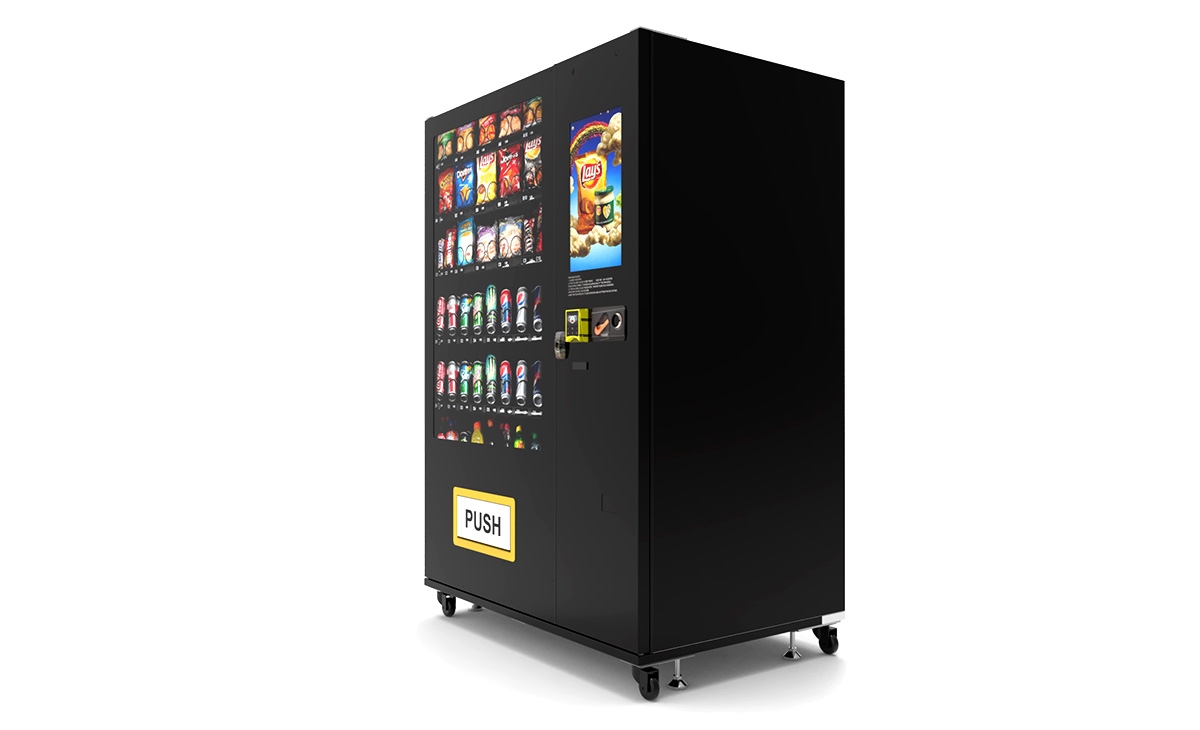
Spare parts availability is critical. If the manufacturer is based overseas, confirm that they have a warehouse or distribution partner in your region. I have worked with several Chinese manufacturers, including Zhongda Smart, and the key difference is whether they stock common replacement parts like control boards and cooling fans locally. Without local stock, a simple repair can take weeks. In my experience, Zhongda Smart provides solid support for their eco friendly models, and their machines include features such as LED lighting and smart energy management as standard.
Common Mistakes New Operators Make
I have seen too many beginners buy an eco friendly vending machine because it looked good in a brochure, only to realize that the location they chose did not generate enough traffic to justify the investment. Another frequent mistake is ignoring the payment system. If your machine only accepts cash, you are losing sales in markets where contactless payments dominate. An eco friendly machine should include a card reader and preferably mobile payment options. The extra $300 to $500 for a modern payment system pays for itself within a few months.
Another error is underestimating restocking costs. An eco friendly machine with smart inventory tracking can help, but you still need to plan routes efficiently. I have seen operators drive 50 miles to restock a machine that sold only 20 items per week. The fuel cost alone wiped out any profit. Use the machine’s sales data to adjust your restocking frequency. If a machine consistently sells fewer than 30 units per week, consider moving it to a busier location or changing the product mix.
Revenue Potential by Location Type
Based on data from IBISWorld (2024) and my own records, the average vending machine in the US generates between $200 and $400 per week in revenue. However, eco friendly machines in high-value locations can outperform this. In a corporate office with 500 employees, a well-stocked machine selling healthy snacks and premium beverages can exceed $600 per week. In a hospital or university, the figure can be even higher, especially if the machine accepts contactless payments and offers a variety of dietary options.
In Europe, the market is slightly different. According to a 2023 report from the European Vending & Coffee Service Association, the average weekly revenue per machine in the EU is around €180 to €300. Eco friendly machines tend to have a slight edge in revenue because they are often placed in locations that attract higher-income customers who are willing to pay a premium for sustainable products. I have seen this firsthand in a tech company campus in Berlin, where an energy-efficient machine selling organic snacks generated 20 percent more revenue than a standard machine in the same building.
Regulatory and Compliance Considerations
If you are operating in the EU, you need to be aware of the Energy Efficiency Directive and the F-Gas Regulation, which phase down the use of hydrofluorocarbons. Machines using traditional refrigerants may become non-compliant in certain jurisdictions within the next few years. In the US, the Environmental Protection Agency has similar rules under the Significant New Alternatives Policy (SNAP) program. Buying an eco friendly vending machine now is not just a marketing decision—it is a compliance strategy.
Additionally, some countries require vending machines to be registered with local health authorities, especially if they sell perishable food. In France, for example, any machine selling food products must comply with hygiene regulations under the direction of the Direction Générale de l’Alimentation. Make sure your machine has proper temperature monitoring and recording capabilities, which most smart eco friendly models include as standard.
FAQ: Common Questions About Eco Friendly Vending Machines
Are eco friendly vending machines profitable?
Yes, but profitability depends on location and volume. In high-traffic sites with supportive facility managers, the lower energy costs and potential for premium pricing can result in net margins that are 5 to 10 percent higher than standard machines. In low-traffic locations, the higher upfront cost can delay payback significantly.
How much does an eco friendly vending machine cost?
Prices range from $5,500 to $12,000 depending on features. A basic energy-efficient beverage machine costs around $5,500 to $7,000. A solar-powered or fully smart unit can exceed $10,000.
How long does it take to recoup the investment?
Typically 18 to 24 months for a well-placed eco friendly machine. In high-volume locations with free electricity, payback can occur in 12 months. In marginal locations, it may take three years or longer.
Should a beginner buy or lease a vending machine?
Leasing is a lower-risk option for someone who has not yet validated a location. However, leasing costs are higher over the long term. If you have a solid location with confirmed foot traffic, buying is better. Many suppliers, including Zhongda Smart, offer both options.
Where should I place an eco friendly vending machine?
Corporate offices with sustainability goals, universities, hospitals, government buildings, and fitness centers are ideal. Avoid low-traffic warehouses or small retail shops unless you have very low overhead.
What permits do I need?
Requirements vary by country and region. In the US, you typically need a business license and a sales tax permit. In the EU, you may need to register with local health authorities if selling food. Always check with the local chamber of commerce or a business advisor.
How do I choose a reliable supplier?
Look for manufacturers with energy certifications, local spare parts availability, and a track record of after-sales support. Ask for references from other operators. Zhongda Smart is one supplier that meets these criteria for eco friendly models.
What if the machine breaks down?
Have a service agreement in place before the machine is installed. Identify a local technician who is trained on the specific model. Keep a small inventory of common spare parts such as control boards and cooling fans.
How can I reduce restocking costs?
Use a machine with IoT-based inventory tracking to monitor sales remotely. Plan routes efficiently and combine restocking trips for multiple machines in the same area. Adjust product mix based on sales data to minimize waste.
Final Thoughts from a Decade in the Business
The shift toward eco friendly vending machines is not a passing trend. It is driven by regulation, customer expectations, and real operational savings. However, this does not mean every operator should rush to replace their entire fleet. The smart approach is to test one or two energy-efficient machines in locations where sustainability is valued and where you can track the financial impact. Use the data to decide whether to expand. Avoid the trap of buying expensive equipment for marginal locations. If you choose the right machine and the right site, the combination of lower energy costs and higher customer appeal can create a solid, recurring revenue stream. As with any vending business, the fundamentals remain the same: location, product selection, and efficient operations matter more than the label on the machine.
This article was updated in May 2025. The information reflects my personal experience operating vending machines in the US and EU markets, supplemented by publicly available data from the European Vending & Coffee Service Association and IBISWorld. Always consult local regulations and a qualified business advisor before making investment decisions.