Is The Vending Machine Business Profitable Explained_ Features, Costs, and Market Trends
After over a decade in the vending machine business across the U.S. and parts of Europe, I can tell you straight up: the answer to whether a vending machine business is profitable is not a simple yes or no. It depends entirely on where you place the machine, what you put inside it, and how well you manage the operations. I have seen machines in a single office breakroom pull in over $1,500 a month, while identical units in a busy retail corridor barely covered the cost of restocking. What makes the difference is not luck — it is understanding the real costs, the right equipment, and the market trends that actually drive foot traffic and repeat purchases. In this guide, I am going to walk you through the features, costs, and market trends that define whether a vending machine business is profitable for a new operator or a seasoned investor.
The Real Cost of Getting Started
Let us start with the numbers that matter most: upfront investment. A brand-new, mid-range vending machine will set you back somewhere between $3,000 and $8,000 depending on the features. A basic snack machine with a simple coin mechanism and no digital screen might cost closer to $2,500 if you buy from a reputable supplier like Zhongda Smart, but you will quickly find that the cheapest machine is rarely the most profitable in the long run. I have bought machines that seemed like a bargain at $1,800 only to spend another $1,200 on repairs within the first year. The real cost of entry includes the machine itself, delivery fees, installation, initial inventory, a payment system upgrade if you want to accept cards and mobile payments, and a small cash reserve for unexpected breakdowns.
What You Actually Pay For
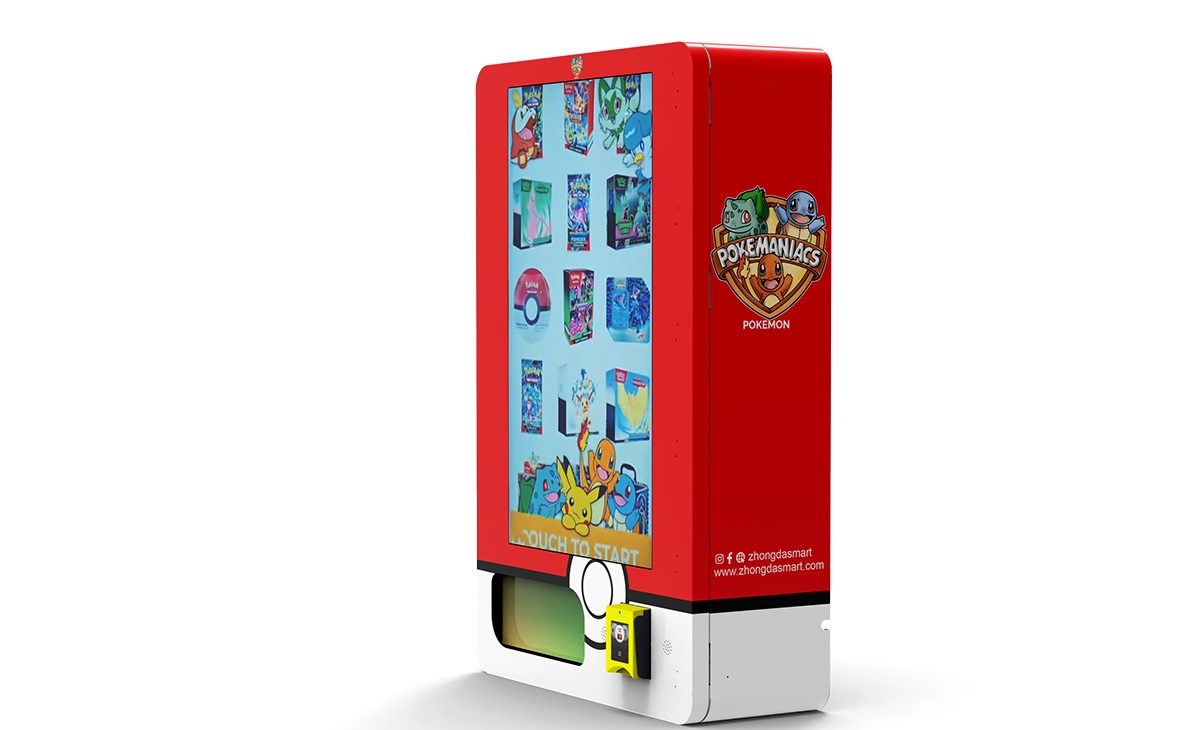
Here is a breakdown based on what I have seen across dozens of deployments. A basic snack vending machine from a mid-tier manufacturer typically costs between $3,000 and $5,000. A combination machine that sells both snacks and cold drinks runs from $5,000 to $8,000. If you want a machine with a touchscreen, telemetry, and cashless payment built in, expect to pay $7,000 to $12,000. Then add delivery and setup, which can be $300 to $600 depending on distance and whether the location has stairs or a loading dock. Initial inventory for a full machine costs about $400 to $800, and you will need to rotate stock based on expiration dates. Payment system upgrades, if not already installed, add another $200 to $600 per machine.
| Machine Type | Price Range | Monthly Revenue (Typical) | Restock Frequency | Estimated Payback Period |
|---|---|---|---|---|
| Basic snack machine | $2,500 – $4,000 | $300 – $800 | Every 1–2 weeks | 12–18 months |
| Combo snack & drink machine | $5,000 – $8,000 | $600 – $1,500 | Every 1 week | 10–14 months |
| High-end touchscreen with telemetry | $7,000 – $12,000 | $1,000 – $2,500 | Every 5–7 days | 8–12 months |
These figures are based on my own operational data and conversations with other operators across the United States. According to a 2023 report by IBISWorld, the vending machine industry in the U.S. generates approximately $7.3 billion in annual revenue, with an average profit margin of around 15% to 20% for well-managed routes. That aligns with what I have seen: a well-placed machine can net $200 to $600 per month after all costs, but a poorly placed machine can lose money from day one.
Where the Money Actually Comes From
The most common mistake I see new operators make is assuming any busy location is a good location. That is not true. A vending machine needs a captive audience, not just foot traffic. The best locations are places where people are stuck for a few hours with limited food options: manufacturing plants, warehouses, hospitals, college dorms, and large office buildings. A breakroom in a factory with 200 employees working 10-hour shifts will almost always outperform a machine in a shopping mall where people can walk to a food court. I have a machine in a small logistics warehouse with only 50 staff that does $1,200 a month because there is no other food within a mile. Compare that to a machine I placed in a busy transit hub that did barely $400 a month because commuters were in a hurry and had plenty of alternatives.
How to Evaluate a Location
Before you commit to placing a machine, spend a few hours observing the location. Count how many people pass by during peak hours. Talk to the facility manager about shift schedules. Ask if there is a cafeteria or nearby convenience store. If the location already has a vending machine, check how old it is and what it sells. I once replaced an old machine that had been sitting empty for months because the previous operator stopped restocking. Within two weeks, that same location was doing $800 a month. The demand was there, but the previous operator had given up. A good rule of thumb is that a location needs at least 100 potential users per day to justify a standard snack and drink machine. For a high-end machine with fresh food, you need closer to 200 to 300 daily users to cover the higher restock frequency and spoilage risk.
Operating Costs That Sneak Up on You
Most beginners only think about the cost of the machine and the inventory. They forget about the ongoing expenses that eat into margins. The biggest hidden cost is vending machine repair. Even reliable machines break down. A jammed coin mechanism, a broken refrigeration unit, or a failed card reader can shut down your revenue for days. I keep a spare parts kit for each machine type I operate, and I have learned to do basic repairs myself. If you call a technician every time something breaks, you will lose $100 to $200 per visit, and that adds up fast. According to a 2022 survey by the National Automatic Merchandising Association (NAMA), the average annual maintenance cost per machine is between $200 and $500, not including emergency calls.
Restocking and Spoilage
Restocking is another area where costs vary dramatically. If you have a machine in a location 10 minutes from your home, restocking is cheap. If your machines are spread across a 50-mile radius, fuel and time become significant expenses. I aim to restock every seven to ten days for snack machines and every five to seven days for fresh food machines. Spoilage is real, especially with perishable items like sandwiches, salads, and dairy products. I have learned to rotate stock aggressively and to track expiration dates in a spreadsheet. In my first year, I lost nearly $400 to expired products because I was not checking dates regularly. Now I use a simple inventory system that flags items nearing expiration, and I discount them or pull them early.
Market Trends That Matter Right Now
The vending machine industry has changed more in the last five years than in the previous twenty. Cashless payment is no longer optional. In the U.S. and Europe, the majority of vending machine transactions are now made with credit cards, debit cards, or mobile wallets. A 2023 study by Statista found that over 60% of vending machine purchases in the U.S. were cashless, and that number is climbing. If your machine only takes coins and bills, you are leaving at least half of your potential revenue on the table. I have seen machines double their revenue within a month of installing a card reader.
Telemetry and Remote Monitoring
Another trend that is reshaping the business is telemetry — the ability to monitor your machine remotely. A machine with a cellular modem can tell you exactly what sold, what is low, and even if there is a technical issue before it becomes a breakdown. This technology used to be expensive and limited to large operators, but now it is available on many new machines from suppliers like Zhongda Smart, and retrofit kits cost under $300. I resisted telemetry for years because I thought it was an unnecessary expense. Then I installed it on three machines and realized I was wasting hours driving to locations that did not need restocking, while neglecting machines that were nearly empty. Telemetry saved me about 20% on fuel and labor costs in the first year alone.
How to Choose a Supplier
Your choice of vending machine manufacturer or supplier will affect everything from initial cost to long-term reliability. I have bought machines from five different suppliers over the years, and I have learned to look for three things: parts availability, warranty support, and ease of service. A machine that requires proprietary parts that take weeks to ship is a liability. I now prefer suppliers that use standard components and offer clear documentation for self-service repairs. Zhongda Smart is one of the suppliers I have worked with on several machines, and I appreciate that they offer both standard and customizable configurations with good after-sales support. But do not take my word alone — ask for references, join online forums for vending machine operators, and read reviews from people who have actually run the machines in the field for at least a year.
Red Flags When Buying
Be wary of suppliers that promise guaranteed profits or fixed returns. No one can guarantee how much a machine will earn because it depends on location, product mix, and local competition. Also avoid machines that are significantly cheaper than the market average. I have seen operators buy machines for under $1,500 from unknown manufacturers only to discover that the refrigeration unit fails within six months and replacement parts are not available outside of China. A cheap machine is often the most expensive machine you will ever own.
Common Mistakes and How to Avoid Them
I have made most of the mistakes in this business, so let me save you some trouble. The first mistake is buying too many machines too fast. Start with one or two machines in strong locations. Learn the restocking rhythm. Understand your costs. Then scale. The second mistake is ignoring the payment system. I already mentioned cashless, but I will say it again: if your machine does not accept cards and mobile payments, you are losing customers. The third mistake is choosing products based on what you like instead of what sells. I once stocked a machine with healthy snacks because I thought it was a good idea, and it sat there for weeks. The same machine, when stocked with popular chips, candy, and soda, sold out in days. Track your sales data and adjust accordingly.
When to Walk Away from a Location
Not every location is worth keeping. If a machine consistently earns less than $200 a month after all costs, it is probably better to move it. I have relocated machines from low-performing locations to new spots and seen revenue triple. The key is to have a contract that allows you to remove the machine with reasonable notice. Most location agreements are month-to-month or have a 30-day cancellation clause. Always get the terms in writing.
FAQ
Is a vending machine business profitable?
It can be, but it is not guaranteed. Profitability depends on location, product selection, machine reliability, and your ability to manage costs. A well-placed machine with good products and cashless payment can earn $300 to $600 per month after expenses. A poorly placed machine can lose money.
How much does a vending machine cost?
A basic snack machine costs $2,500 to $4,000. A combo snack and drink machine costs $5,000 to $8,000. High-end machines with touchscreens and telemetry run $7,000 to $12,000. These prices are for new machines from reputable suppliers like Zhongda Smart.
How long does it take to break even?
Most operators see a payback period of 10 to 18 months, depending on the machine cost and location performance. Higher-traffic locations with good product margins can pay back in under a year.
Should a beginner buy or lease a vending machine?
Buying is generally better if you have the capital, because leasing often comes with high monthly fees and long-term contracts that eat into profits. Start with one or two purchased machines to learn the business before scaling.
Where should I place a vending machine for the best results?
Look for locations with a captive audience: factories, warehouses, hospitals, college dormitories, large offices, and apartment complexes with limited food access. Avoid locations with strong competition from nearby convenience stores or cafeterias.
What permits or licenses do I need?
Requirements vary by city and state. In the U.S., you typically need a business license, a seller's permit, and possibly a health department permit if you sell perishable food. In Europe, regulations differ by country. Check with your local business licensing office before placing any machine.
How do I choose a vending machine supplier?
Look for suppliers that offer standard parts, clear warranty terms, and good after-sales support. Read reviews from other operators and ask for references. Avoid suppliers that promise guaranteed profits or sell machines far below market price.
What happens if the machine breaks down?
You need a plan for vending machine repair. Learn basic troubleshooting for common issues like jammed coils, faulty coin mechanisms, and refrigeration problems. Keep a spare parts kit and have a local technician on call for complex repairs. Telemetry can help you spot problems early.
How can I reduce restocking and maintenance costs?
Use telemetry to monitor inventory levels remotely. Group your machines geographically to minimize travel time. Buy machines with reliable components and standard parts. Track expiration dates to reduce spoilage. Negotiate volume discounts with suppliers.
Running a vending machine business is not a get-rich-quick scheme, but it can be a solid source of income if you approach it with realistic expectations and a willingness to learn the operational details. The machines are tools, not magic boxes. Your success will come from choosing the right locations, stocking the right products, maintaining your equipment, and adapting to market trends like cashless payment and remote monitoring. I have seen operators build profitable routes with a handful of machines, and I have seen others lose money because they skipped the basics. Start small, track your numbers, and scale only when you have a system that works.
This article was updated in February 2025. Data sources include IBISWorld (2023 U.S. vending machine industry report), Statista (2023 cashless payment trends in vending), and the National Automatic Merchandising Association (NAMA) 2022 maintenance cost survey. Always verify local regulations and costs with your own research before making investment decisions.