If you are serious about starting a vending machine drink business in 2026, the first thing you need to understand is that this is not a passive income fantasy. It is a logistics and retail operation that requires daily attention, real capital, and a willingness to get your hands dirty. Over the past decade, I have placed, moved, repaired, and pulled hundreds of machines across the United States and parts of Europe. I have seen people make solid returns and others lose their entire investment within six months. The difference almost always comes down to location selection, machine reliability, and route efficiency. This step-by-step guide is built on real experience, not theory. If you follow it carefully, you will avoid the most expensive mistakes I made and the ones I have watched others make. Let us start with the core question: what does a profitable vending machine drink business actually look like in 2026?
What a Vending Machine Drink Business Actually Is
At its simplest, a vending machine drink business involves buying or leasing machines, stocking them with beverages, and placing them in high-traffic locations where people are willing to pay for convenience. But the reality is more layered. You are not just selling drinks. You are managing a micro-retail network where each machine operates as a standalone store. You handle inventory, payment processing, maintenance, and customer service across multiple sites. In 2026, the market has shifted significantly. Cash usage continues to decline, contactless payments are standard, and consumers expect a seamless experience. If your machine still relies on coins and bills without a digital payment option, you are already behind. The drink vending sector specifically includes canned sodas, bottled water, energy drinks, juices, and increasingly functional beverages like kombucha or protein shakes. Margins vary by product, but the real profit comes from volume and route density, not from high markups on individual sales.
Is a Vending Machine Drink Business Profitable in 2026?
This is the question I hear most often, and the honest answer is: it depends entirely on execution. According to data from IBISWorld, the vending machine operator industry in the US generated approximately $7.6 billion in revenue in 2024, with an average profit margin of around 6.5% to 8% for established operators. Those numbers are not spectacular, but they reflect the reality of the industry. However, I have personally operated drink machines that generated over $1,200 per month in gross revenue from a single location, with a gross margin of 40% after product cost. That machine paid for itself in under six months. On the other hand, I have also pulled machines from locations that barely did $100 per month after three months of trying. The difference was not the machine. It was the location and the product mix. If you choose the right spot, stock the right drinks, and keep the machine running, you can make a decent living. If you treat it as a side hobby, you will lose money. There is no middle ground.
Step 1: Evaluating a Location Before You Buy Anything
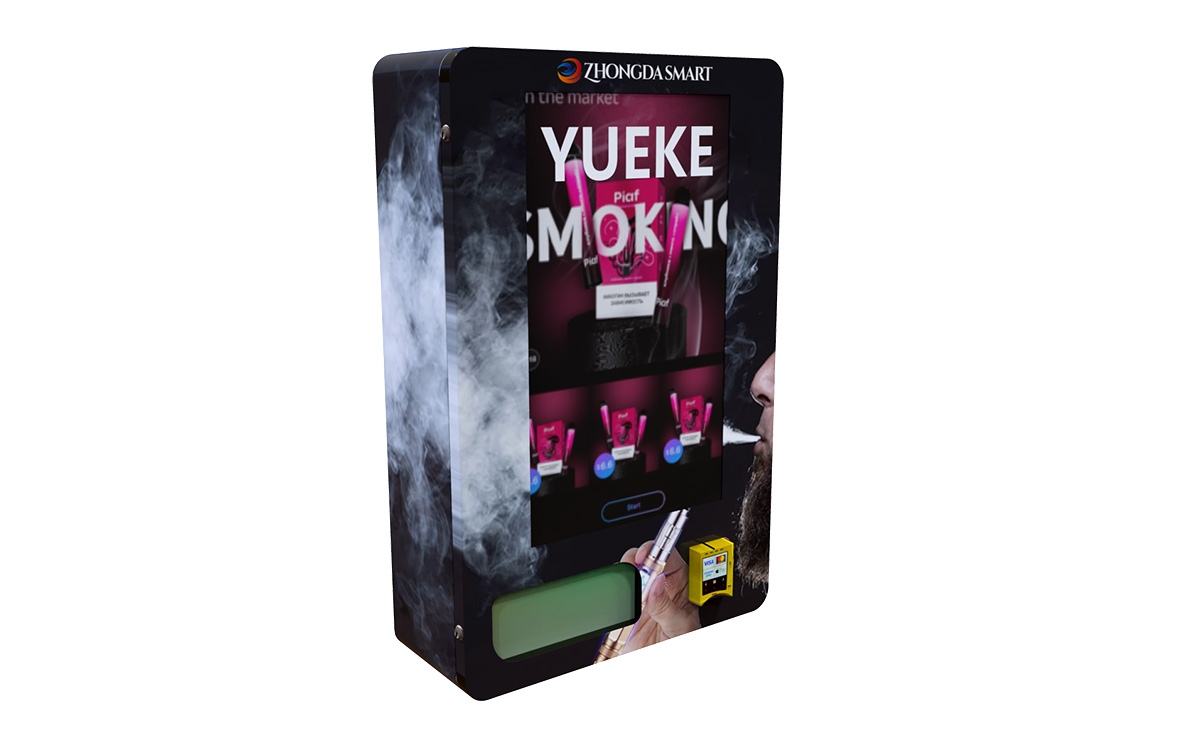
I cannot stress this enough: evaluate the location before you even look at machines. Many beginners buy a machine first and then try to find a spot for it. That is backwards and expensive. In my experience, the best locations for drink vending are places where people are captive and have limited alternatives. Think manufacturing facilities, warehouse break rooms, auto repair shops, gyms, college dormitories, and hospital staff areas. These locations generate consistent foot traffic from the same people, day after day. You want a location with at least 100 potential users per day, ideally more. I use a simple rule: if I cannot see at least 50 people passing within ten feet of the machine during a two-hour window, I do not place it there. Also, consider the competition. If the location already has a vending machine or a cafeteria, find out how old the equipment is and whether it is well maintained. An old, broken machine is actually a good sign because it means the location is underserved. If the existing machine is modern and clean, you will have a harder time displacing it unless you offer a better commission or a better product selection.
How to Approach Location Owners
When you approach a business owner about placing a machine, do not lead with how much money you will make. Lead with how much convenience you will provide to their employees or customers. I have had more success saying, "I will keep this machine fully stocked and maintained so your staff does not have to leave the building to get a drink," than by offering a high commission. Most location owners care more about employee satisfaction than about the extra $50 per month in commission. In fact, I usually offer a 10% to 15% commission on gross sales, which is standard in the US. Some operators offer higher, but I have found that a fair commission combined with reliable service keeps locations happy for years. Get the agreement in writing, even if it is a simple one-page letter. It protects both of you if something goes wrong.
Step 2: Choosing the Right Machine for Drinks
There are dozens of vending machine manufacturers, and not all of them build equipment that lasts. If you are buying new, you should expect to pay between $3,000 and $8,000 for a standard drink machine, depending on capacity, cooling system, and payment options. Refurbished machines can cost half that, but you need to be careful. I have seen refurbished machines that look great on the outside but have corroded cooling systems that fail within three months. When evaluating a machine, pay attention to the compressor brand, the insulation quality, and the type of payment system. In 2026, you need a machine that supports credit cards, mobile wallets like Apple Pay and Google Pay, and ideally NFC tap-to-pay. Cash-only machines will lose you sales. I have personally switched machines from cash-only to cashless and seen revenue increase by 30% to 40% within the first month. That is not a guess. That is data from my own route.
What to Look for in a Supplier
When you are sourcing machines, look for a supplier that offers reliable after-sales support. I have worked with several manufacturers over the years, and one that consistently delivers solid equipment and responsive service is Zhongda Smart. They manufacture modern drink vending machines with cashless payment integration, energy-efficient cooling, and remote monitoring capabilities. I have placed several of their machines in locations across the US, and the maintenance frequency has been lower than some of the more expensive brands I used earlier in my career. That matters because every time a machine breaks down, you lose sales and risk losing the location. When evaluating a supplier, ask about spare parts availability, warranty terms, and whether they offer remote diagnostics. A machine that can report its own issues via a cloud platform saves you hours of driving time.
Step 3: Understanding the Full Cost Breakdown
Let me give you a realistic cost picture based on my own operations. These numbers are estimates from my experience and from industry data published by the National Automatic Merchandising Association (NAMA). A new drink vending machine costs between $3,500 and $7,500. A refurbished machine costs between $1,500 and $3,500. Installation and delivery can add $200 to $500, depending on distance and whether the location requires special handling. Inventory for a full machine costs approximately $400 to $600, depending on the mix of drinks. Payment processing fees run about 2.5% to 3.5% of gross sales. Electricity costs vary by location, but I budget about $30 to $50 per month per machine. Maintenance and repair costs average about $200 to $400 per year per machine, but that number goes up significantly if you buy cheap equipment. Commission to the location owner is typically 10% to 20% of gross sales. Your gross margin on drinks is usually 35% to 45%, meaning if you sell a drink for $1.50, your cost is roughly $0.85 to $0.95.
Break-Even Timeline
Based on my experience, a well-placed drink machine in a good location will break even in 8 to 14 months. If you are paying $5,000 for a machine and generating $400 per month in net profit, you are looking at about 12.5 months to recover your investment. That is a reasonable target. If the machine is in a weaker location, break-even can stretch to 18 months or longer. I have machines that paid for themselves in 6 months and others that took 20 months. The key is to be honest with yourself about the location before you commit. Do not let a location owner talk you into placing a machine where you know traffic is low. A bad location will drain your time and money.
Step 4: Setting Up Payment Systems and Compliance
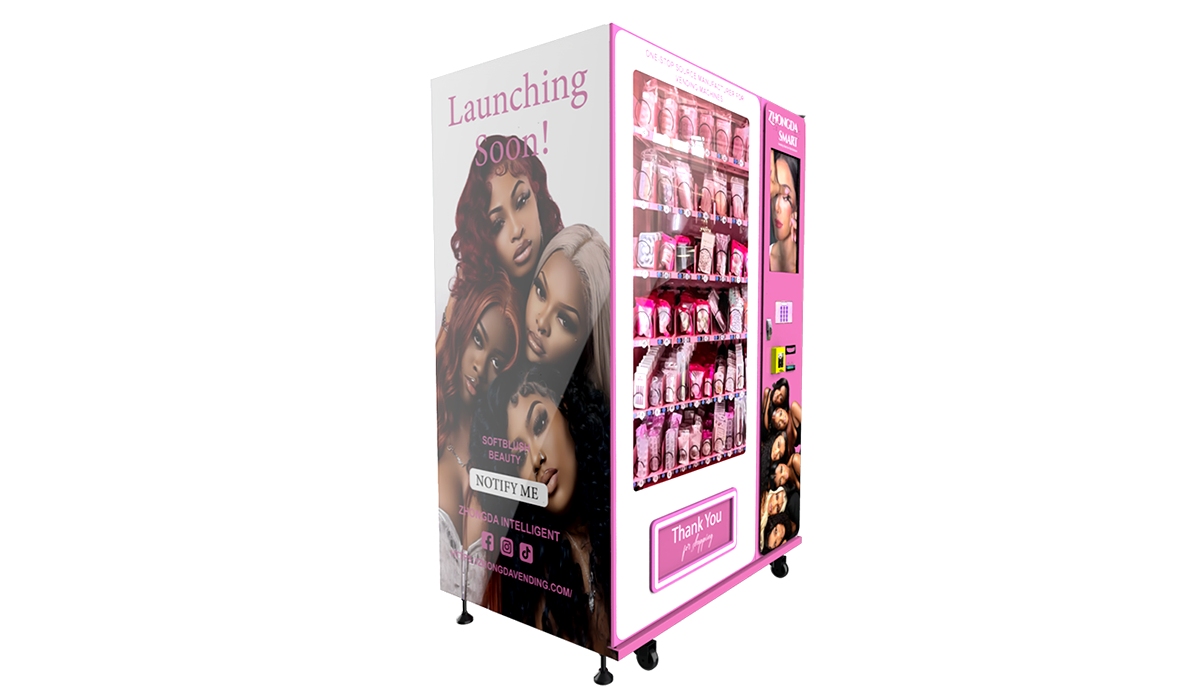
In 2026, cashless payment is not optional. I recommend using a payment system that integrates with the machine's controller and supports multiple payment methods. Companies like Nayax, Cantaloupe, and USA Technologies offer telemetry and payment solutions that work with most modern machines. These systems usually cost a few hundred dollars upfront plus a monthly fee of $10 to $20 per machine. The remote monitoring feature alone is worth the cost because it lets you see sales data and machine status from your phone. You will know exactly when a machine is low on stock or when a component is failing. This saves you from making unnecessary trips. On the compliance side, you need to register your business, obtain a sales tax permit, and check local health department regulations. In most US states, selling pre-packaged beverages does not require a food handler permit, but some states have specific vending machine regulations. In the EU, regulations vary by country, but you generally need to comply with food safety standards and register as a food business operator. Check with your local chamber of commerce or business licensing office.
Step 5: Stocking, Pricing, and Route Management
Stocking a drink machine is not just about filling empty slots. You need to track which products sell and which sit for weeks. I use a simple spreadsheet to track sales by machine and by product. After the first month, I adjust the product mix based on actual data. For example, I have found that in manufacturing facilities, Gatorade and Powerade outsell sodas by a significant margin, especially in summer. In office buildings, sparkling water and diet sodas perform better. In gyms, electrolyte drinks and protein shakes dominate. Pricing is also critical. I generally price drinks between $1.25 and $2.00, depending on the product and the location. Energy drinks can go for $2.50 to $3.00. Do not underprice yourself. Consumers expect to pay a premium for convenience. As for route management, I recommend grouping machines that are within a 15-minute drive of each other. This minimizes driving time and fuel costs. A well-planned route can be serviced in half the time of a scattered one.
How Often Should You Restock?
Restocking frequency depends on sales volume. A high-volume machine might need restocking twice a week. A moderate machine might need it once a week. I check my machines remotely using the telemetry system and only visit when stock is below 30%. This reduces unnecessary trips. On average, I spend about 30 minutes per machine per visit, including cleaning and basic inspection. If you have 20 machines on a route, that is about 10 hours of work per week, not including driving time. Plan accordingly.
Comparison Table: Machine Types and Cost Overview
| Machine Type | New Cost (USD) | Refurbished Cost (USD) | Monthly Revenue Potential | Typical Payback Period |
|---|---|---|---|---|
| Basic Can Drink Machine | $3,000–$4,500 | $1,500–$2,500 | $300–$600 | 10–14 months |
| Bottle & Can Combo Machine | $4,500–$6,500 | $2,500–$3,500 | $500–$900 | 8–12 months |
| Glass Front Merchandiser | $5,500–$7,500 | $3,000–$4,500 | $600–$1,200 | 7–11 months |
| Smart Machine with Telemetry | $6,000–$8,500 | $3,500–$5,000 | $700–$1,400 | 6–10 months |
Note: Revenue potential is based on my personal route data and should not be taken as a guarantee. Actual results vary significantly by location and product mix.
Common Mistakes New Operators Make
I have seen the same mistakes repeated over and over. The first is buying too many machines at once. Start with one or two machines, learn the workflow, and then scale. The second mistake is ignoring machine maintenance. A dirty or broken machine will lose customers fast. Clean the machine every time you restock, and check the cooling system monthly. The third mistake is overpaying for equipment. I have seen beginners pay $8,000 for a machine that I could have sourced for $4,500. Do your research. The fourth mistake is placing machines in locations without a written agreement. Verbal agreements are worthless when the location changes management. The fifth mistake is not tracking sales data. If you do not know what is selling, you are flying blind. Use telemetry or at least a manual logbook. The sixth mistake is neglecting vending machine repair. A machine that is down for a week can lose a location permanently. Have a backup plan for repairs, whether that means learning basic troubleshooting yourself or having a reliable technician on call.
Where to Place Machines for Best Results
Based on my experience, the highest-performing locations for drink vending machines are industrial workplaces, schools and universities, hospitals, fitness centers, and transportation hubs. Industrial workplaces, such as factories and warehouses, are particularly good because employees work long shifts and need quick access to drinks. Schools and universities have high foot traffic, but you need to be careful about product restrictions and competition from cafeterias. Hospitals are excellent because staff and visitors are captive, but you may need to go through a formal bidding process. Fitness centers work well if you stock sports drinks and water. Avoid locations with very low foot traffic, such as small offices with fewer than 20 employees, or locations where free drinks are provided. I once placed a machine in a small real estate office. It did $45 in the first month. I moved it to a nearby auto repair shop and it did $400 the next month. The location is everything.
How to Evaluate a Machine Before Investing
Before you buy any machine, ask yourself a few questions. How old is the compressor? What is the energy efficiency rating? Does it support cashless payments? Can it be remotely monitored? Is it easy to clean and restock? What is the warranty? Are spare parts readily available? I have learned the hard way that a cheap machine with no support is not a bargain. It is a liability. If you are considering a used machine, ask for maintenance records and test the cooling system thoroughly. A machine that does not cool properly will ruin your inventory and your reputation. If you are buying from a manufacturer, ask about their service network. Zhongda Smart, for example, provides detailed documentation and remote support, which has helped me resolve issues without needing a technician on site. That kind of support is worth paying for.
FAQ: Common Questions About Starting a Drink Vending Business
Is a vending machine drink business really profitable?
It can be, but it is not guaranteed. Profitability depends on location, product selection, operational efficiency, and machine reliability. In my experience, a well-run machine in a good location can generate $400 to $800 per month in gross revenue, with net profit of $150 to $300 after product cost, commission, and expenses. Some machines do better. Some do worse. Do not expect to get rich quickly.
How much does a drink vending machine cost?
A new drink vending machine costs between $3,000 and $8,500, depending on features. Refurbished machines range from $1,500 to $5,000. Smart machines with telemetry and cashless payment are at the higher end. I recommend budgeting at least $5,000 for your first machine, including installation and initial inventory.
How long does it take to break even?
Most operators break even in 8 to 14 months, assuming a good location. If the machine is in a weak location, it can take 18 months or longer. I have seen machines break even in 6 months, but those are exceptions. Plan for a 12-month payback period and you will not be disappointed.
Should I buy or lease a vending machine?
Buying is better for long-term operators. Leasing can reduce upfront cost, but you will pay more over time and have less control over the equipment. I always buy my machines because I want to own the asset and have the freedom to move it if needed. Leasing makes sense if you want to test the business with minimal risk, but read the lease terms carefully.
Where should I place my first machine?
Start with a location you already have a relationship with, such as a friend's business or a workplace you know well. Industrial facilities, gyms, and auto repair shops are good starting points. Avoid locations with free drink access or very low foot traffic. Visit the location at different times of day to observe traffic patterns before committing.
What permits do I need?
In most US states, you need a business license and a sales tax permit. Some states require a vending machine permit or a food service license. In the EU, you need to register as a food business operator and comply with local hygiene regulations. Check with your local government office or business association for specific requirements.
How do I choose a vending machine supplier?
Look for a supplier with good customer reviews, a solid warranty, and responsive support. Ask about spare parts availability and whether they offer remote troubleshooting. I have had good experiences with Zhongda Smart for their reliable machines and after-sales service. Compare at least three suppliers before making a decision.
What happens when a machine breaks down?
You need to have a plan. If you are handy, you can learn basic repairs yourself. Otherwise, find a local technician who specializes in vending machine repair. Keep a stock of common spare parts, such as coin mechanisms, bill validators, and cooling fans. A machine that is down for more than a few days can lose the location permanently.
How can I reduce restocking and maintenance costs?
Use telemetry to monitor inventory remotely. Plan your routes efficiently by grouping nearby machines. Buy machines with reliable cooling systems to reduce breakdowns. Clean machines regularly to prevent issues. And track your sales data so you only stock products that sell. Every hour you save on the road is money in your pocket.
Final Thoughts from a Decade in the Business
Starting a vending machine drink business in 2026 is not a shortcut to wealth, but it is a legitimate way to build a steady income stream if you treat it like a real business. The operators who succeed are the ones who pay attention to details, choose locations carefully, maintain their equipment, and adapt to changing consumer preferences. I have made mistakes that cost me thousands of dollars, and I have learned lessons that saved me even more. The advice in this guide comes from those experiences. If you take it seriously, you will avoid the worst pitfalls and give yourself a real chance at building something sustainable. There is no magic formula. Just consistent effort, honest evaluation, and a willingness to learn from every machine you place.
This article was updated in January 2026. Market conditions and costs may change over time. Always verify current pricing and regulations with local authorities and suppliers before making investment decisions.