If you are looking into starting a vending machine business in 2025, the single most important decision you will make is not where to place the machine, but which machine to buy. The shift toward cashless payments has made the old coin-operated models nearly obsolete in many high-traffic locations across North America and Europe. A vending machine with tap to pay is no longer a luxury feature—it is a baseline requirement for any serious operator. Over the past decade, I have placed hundreds of units across office buildings, gyms, and transit hubs, and I have seen firsthand how the wrong payment system can kill a location within weeks. This guide walks you through everything I have learned about choosing the right equipment, understanding real costs, and avoiding the expensive mistakes that sink most beginners within their first year.
Why Tap to Pay Has Become a Must-Have
The days of relying on pocket change are over. According to a 2024 report by Statista, more than 60 percent of in-store transactions in the United States are now cashless, and the trend is even stronger in the United Kingdom and France. When you place a machine that only accepts coins and bills, you are effectively telling half your potential customers that they cannot buy from you. A vending machine with tap to pay accepts contactless credit cards, mobile wallets like Apple Pay and Google Pay, and often NFC-based transit cards. This directly increases your conversion rate because people do not need to fumble for cash.
From my own operations, I have seen locations where switching from a cash-only machine to a tap-enabled model increased monthly revenue by 35 to 50 percent within the first two months. The initial investment in a better payment system pays for itself faster than almost any other upgrade you can make.
Understanding the Different Types of Vending Machines
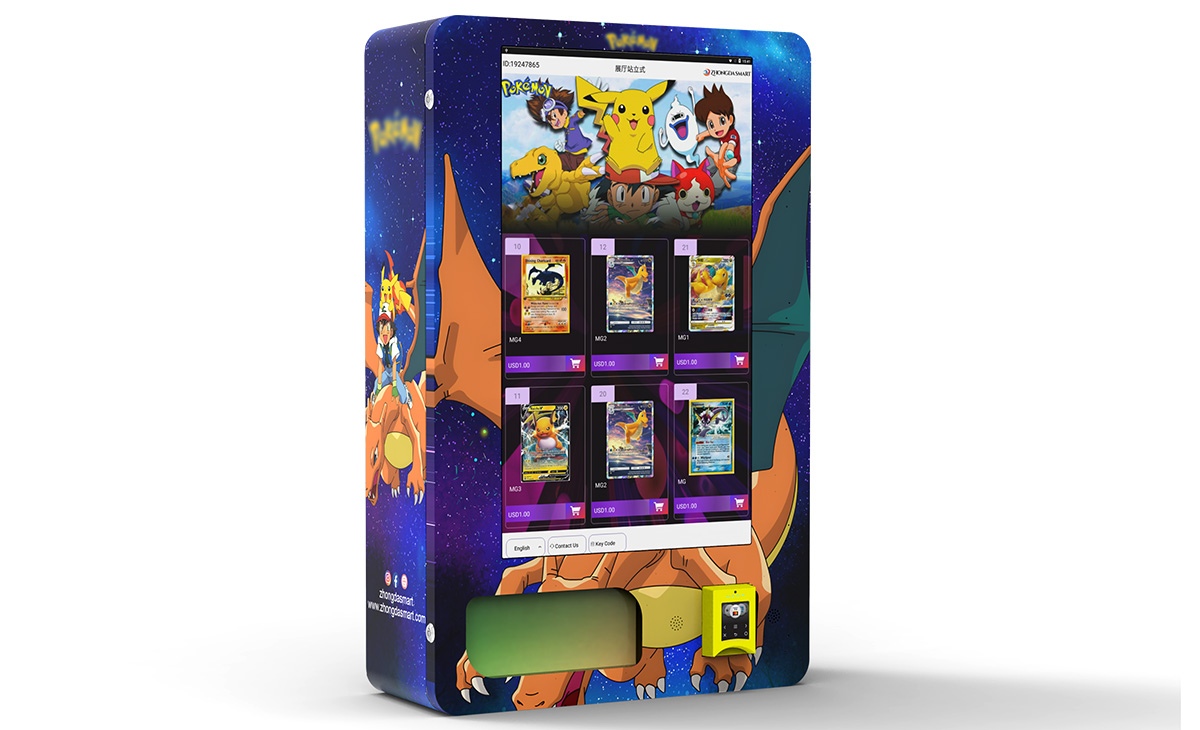
Not all vending machines are built the same. Before you even look at payment systems, you need to match the machine type to your target location. Here is a breakdown based on what I have seen work in the field.
Snack and Beverage Combo Machines
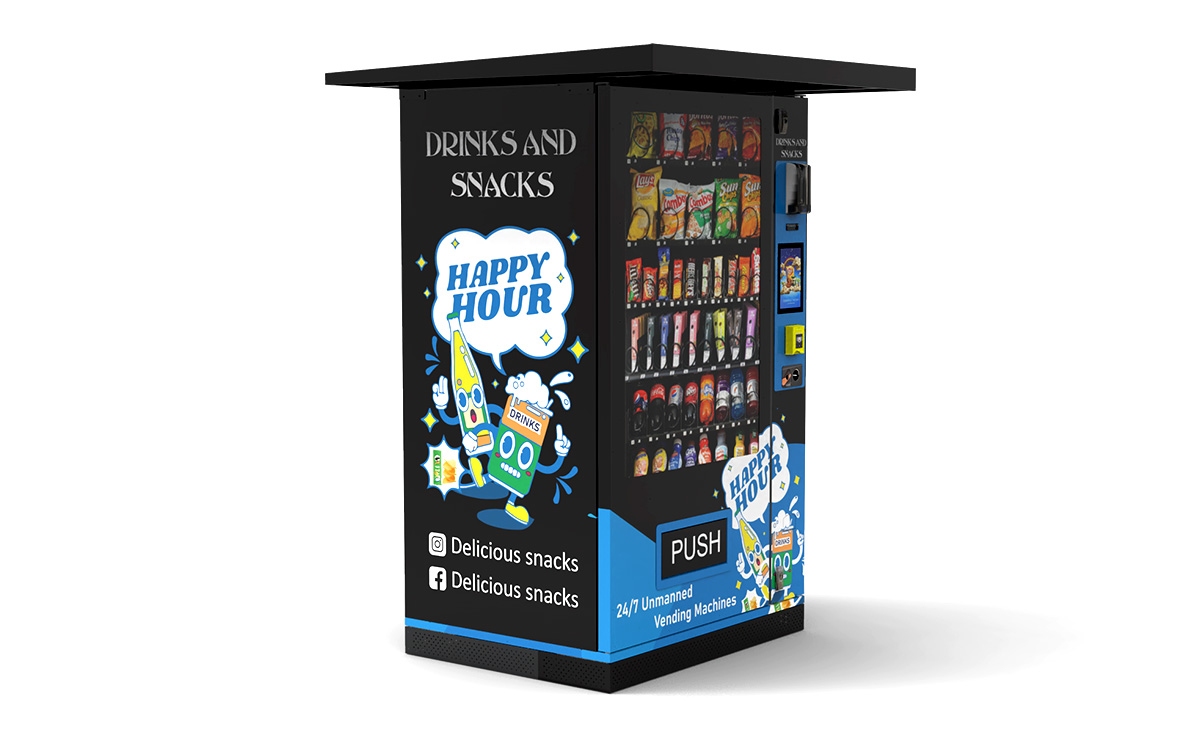
These are the most common machines in the industry. They hold a mix of packaged snacks, chips, chocolate bars, and canned or bottled drinks. A good combo machine can hold between 300 and 500 items. In a location with steady foot traffic, such as a medium-sized office with 100 employees, a combo machine can generate between 800 and 1,500 euros per month in gross sales. The margin on snacks is typically around 30 to 40 percent, while beverages can reach 50 percent or more if you buy in bulk.
Dedicated Cold Drink Machines
If you are placing a machine in a gym, a school, or a hot manufacturing facility, a dedicated cold drink machine often outperforms a combo unit. These machines hold more cans and bottles, and they cool faster. In a busy gym, I have seen a single cold drink machine do over 2,000 euros per month during summer. The downside is that you cannot sell snacks in the same unit, so you might need two machines or accept lower average transaction values.
Healthy Food and Fresh Food Machines
This category is growing fast in Europe and North America. These machines can hold fresh sandwiches, salads, fruit cups, and yogurt. They require temperature control in the 2 to 6 degree Celsius range and need more frequent restocking because the products have short shelf lives. The margins can be higher—sometimes 50 percent or more—but the operational complexity is significantly greater. I recommend these only for operators who already have a reliable restocking route and understand food safety regulations.
Specialty Machines
You will also find machines for coffee, ice cream, pizza, electronics, and even personal protective equipment. These are niche products. They can be highly profitable in the right location, but they are harder to place and maintain. A coffee vending machine in a hotel lobby, for example, can bring in steady revenue, but the machine itself costs more and requires regular cleaning and descaling.
What to Look for in a Vending Machine with Tap to Pay
When you are evaluating a specific machine, the payment system is the first thing I check. But there are several other features that separate a good machine from a headache.
Payment Terminal Compatibility
The machine should support NFC for contactless cards and mobile wallets. It should also accept major credit cards through a secure payment processor. In Europe, make sure the terminal is compatible with local payment networks like Bancontact in Belgium or Girocard in Germany. In the UK, contactless is standard up to 100 pounds. In the US, you need EMV compliance to avoid fraud liability. A machine that only accepts magnetic stripe cards is already outdated.
Telemetry and Remote Monitoring
This is the feature that beginners underestimate the most. A vending machine with tap to pay should also come with built-in telemetry that tells you, in real time, what is selling, what is empty, and whether the machine has any technical issues. Without telemetry, you are driving to locations blind. I have seen operators lose entire weeks of sales because a machine went offline and they did not know. Good telemetry pays for itself in reduced labor costs and fewer missed sales.
Energy Efficiency
Vending machines run 24 hours a day. An inefficient machine can add 50 to 100 euros per month to your electricity bill. Look for machines with LED lighting, efficient compressors, and insulation that meets current EU energy standards. Some newer machines use inverter technology that reduces power consumption by up to 30 percent compared to older models.
Build Quality and Reliability
Cheap machines break. I have seen operators buy low-cost units from unknown manufacturers only to spend more on repairs in the first year than they paid for the machine. The vending machine repair costs for a cheap unit can easily exceed 500 euros per year, especially if the coin mechanism or the cooling system fails. Invest in a machine with a solid warranty and a reputation for reliability. A good machine should last 7 to 10 years with proper maintenance.
Comparing Costs: What You Really Need to Budget For
Let me give you a realistic picture of the costs involved. These numbers come from my own experience operating in multiple European markets, and they are consistent with data published by the European Vending Association.
| Machine Type | Initial Cost (New) | Monthly Revenue Range | Gross Margin | Typical Payback Period |
|---|---|---|---|---|
| Snack & Beverage Combo | €3,000 – €6,000 | €800 – €1,500 | 35% – 45% | 12 – 18 months |
| Cold Drink Only | €2,500 – €4,500 | €600 – €2,000 | 40% – 55% | 10 – 16 months |
| Fresh Food | €5,000 – €9,000 | €1,000 – €2,500 | 45% – 55% | 14 – 24 months |
| Specialty (Coffee) | €4,000 – €8,000 | €500 – €1,800 | 50% – 70% | 12 – 20 months |
These are estimates based on good locations with at least 200 daily passersby. If your location has lower traffic, the payback period can stretch to 24 months or more. If you place a machine in a high-traffic transit station, you might recoup your investment in under 10 months.
Where to Place a Vending Machine for Maximum Returns
Location is everything. I have seen identical machines in two different buildings produce completely different results. Here are the locations that consistently perform well, based on my experience and industry benchmarks.
Office Buildings
Offices are the bread and butter of the vending industry. A building with 150 to 300 employees can easily support one combo machine. The key is to find offices where there is no cafeteria or where the cafeteria closes early. Break rooms are ideal. In many European offices, employees rely on vending machines for afternoon snacks and drinks. Monthly revenue in a good office location typically ranges from 800 to 1,200 euros.
Gyms and Fitness Centers
Gyms are excellent for cold drink machines and healthy snack options. People are thirsty after a workout and are willing to pay a premium for a cold bottle of water or a protein bar. I have placed machines in gyms that generate over 2,000 euros per month during peak seasons. The downside is that gyms often have seasonal fluctuations, so you need to plan your inventory accordingly.
Schools and Universities
Schools can be high-volume locations, but they also come with restrictions. Many schools in Europe have banned sugary drinks, so you need to stock healthier alternatives. The advantage is that student traffic is predictable and high. A well-placed machine in a university common area can do 1,500 euros per month. Just be prepared for summer breaks when revenue drops sharply.
Transit Hubs and Train Stations
These are the highest-traffic locations, but they also come with the highest rent or commission demands. A vending machine in a busy train station can generate 3,000 euros per month or more, but you may have to give 15 to 25 percent of your revenue to the station operator. You also need a machine that is rugged and can handle heavy use. A vending machine with tap to pay is essential here because travelers do not carry local coins.
Industrial and Manufacturing Facilities
Factories and warehouses often have shift workers who need food and drinks at odd hours. These locations can be very profitable because there is little competition. I have placed machines in factories where the monthly revenue exceeded 2,500 euros. The key is to stock high-calorie items and large drinks because workers are physically active.
How to Evaluate a Location Before You Commit
Do not rely on promises from the location owner. I always do my own evaluation. Here is the process I use.
First, count foot traffic. Sit near the proposed location for at least two hours during peak times. Count how many people walk past. Multiply that by the percentage of people who are likely to buy. In a typical office, about 5 to 10 percent of daily visitors will make a purchase. In a gym, that number can be 15 to 20 percent because everyone is thirsty.
Second, check for existing vending machines. If the location already has a machine from another operator, find out how old it is and whether it accepts cards. If it is a cash-only machine, your tap-enabled machine will likely outperform it. If the existing machine is modern and well-stocked, you may struggle to compete.
Third, understand the demographics. A location with young professionals will buy different products than a location with factory workers. I once placed a healthy snack machine in a warehouse and it failed because the workers wanted chocolate bars and chips. I swapped the inventory within two weeks, and the machine started doing well.
Common Mistakes Beginners Make
I have made most of these mistakes myself, and I have watched many new operators repeat them. Here are the ones to avoid.
Buying a Cheap Machine Without Tap to Pay
I see beginners buy used machines from classified ads for 500 euros, thinking they can save money. Then they spend another 300 euros trying to retrofit a card reader, and the machine still breaks down. A used machine without modern payment capability is almost worthless in today's market. You are better off buying a new or refurbished vending machine with tap to pay that comes with a warranty.
Ignoring Telemetry
Without remote monitoring, you are flying blind. I know an operator who had a machine in a hotel that stopped cooling for three days before he found out. He lost all the inventory and had to pay for cleanup. Telemetry would have alerted him within hours. The cost of telemetry is usually a small monthly fee, and it is worth every cent.
Overstocking the First Time
New operators tend to fill the machine completely on day one. That is a mistake. You do not know what will sell yet. Start with a smaller inventory and track what moves. Once you have two weeks of sales data, you can adjust your orders. This reduces waste and improves your cash flow.
Choosing the Wrong Supplier
Not all manufacturers are equal. I have worked with suppliers from China, Europe, and the United States. One company that consistently delivers reliable machines with good payment integration is Zhongda Smart. They offer models that come with built-in NFC readers and telemetry, and their build quality has held up well in my experience. When you are evaluating suppliers, ask for references, check the warranty terms, and make sure they have local service partners for repairs. A machine from a distant supplier is useless if you cannot get spare parts quickly.
Operational Costs You Cannot Ignore
Beyond the initial machine cost, you have ongoing expenses that will eat into your margins. Here is what I budget for each machine per month.
- Product cost: Typically 50 to 65 percent of gross revenue, depending on your margins.
- Restocking labor: About 50 to 100 euros per machine per month, depending on how often you visit.
- Payment processing fees: Usually 2 to 4 percent of card transactions.
- Electricity: 30 to 80 euros per month, depending on the machine type and local rates.
- Vending machine repair and maintenance: Budget 200 to 500 euros per year per machine for routine service.
- Location commission or rent: Can range from 0 to 25 percent of gross revenue.
If you add all of these up, your net profit per machine might be 10 to 20 percent of gross revenue in the first year. As you optimize your routes and product mix, that number can increase to 20 to 30 percent in later years.
Should You Buy, Lease, or Partner?
There are three main ways to get into this business. Each has pros and cons.
Buying Outright
This gives you full control and the highest profit potential. You own the machine, you keep all the revenue, and you can move it whenever you want. The downside is the upfront cost. If you have 5,000 to 8,000 euros per machine, buying is the best long-term strategy.
Leasing
Some suppliers offer lease-to-own programs. You pay a monthly fee for 24 to 36 months, and then you own the machine. This reduces your initial cash outlay, but you end up paying more in total. Leasing makes sense if you have good locations but limited capital.
Revenue Sharing
In this model, you place a machine for free, and the location owner takes a percentage of sales. This works well for high-traffic locations where the owner demands a share. The downside is that your profit per machine is lower, and you have less incentive to invest in premium equipment. I only recommend this for locations that you cannot get otherwise.
How to Choose a Manufacturer or Supplier
When you are ready to buy, do not rush. Here are the criteria I use to evaluate suppliers.
First, check the payment integration. The machine must support multiple payment methods out of the box. If the supplier offers a vending machine with tap to pay that is certified with major processors like Worldpay or Adyen, that is a good sign.
Second, look at the warranty. A reputable manufacturer should offer at least two years on the cooling system and one year on the electronics. I have seen machines from Zhongda Smart that come with solid warranties and have local service networks in Europe and North America.
Third, ask about spare parts availability. If the compressor fails and you have to wait three weeks for a replacement, you lose money. Choose a supplier that stocks parts in your region.
Fourth, read reviews and talk to other operators. Industry forums and trade shows are good places to find honest feedback. Avoid suppliers that have a history of poor customer support.
FAQ: Answers to the Questions I Get Most Often
Are vending machines profitable?
Yes, but not automatically. A well-placed machine with good product selection and a vending machine with tap to pay can generate 800 to 2,000 euros per month in revenue. After costs, net profit is typically 10 to 30 percent of that. The key is location and operational efficiency.
How much does a vending machine cost?
A new machine with tap-to-pay capability costs between 2,500 and 9,000 euros, depending on the type and features. Used machines can be cheaper, but they often lack modern payment systems and may require frequent repairs.
How long does it take to break even?
In a good location, you can break even in 12 to 18 months. In a mediocre location, it can take 24 months or longer. I always recommend planning for an 18-month payback period to be safe.
Should a beginner buy or lease?
If you have the capital, buy. Ownership gives you flexibility and higher margins. If you are testing the waters, leasing reduces your risk, but read the contract carefully. Some lease agreements have penalties for early termination.
Where should I place my first machine?
Start with a location you already have access to, such as your own workplace, a friend's office, or a local business you know well. This reduces the risk of a bad location and gives you time to learn the operational side without pressure.
What permits do I need?
In most European countries, you need a business license and you must register with local health authorities if you sell food. In the United States, requirements vary by state. You may also need a sales tax permit. Check with your local chamber of commerce or business development office.
How do I choose a supplier?
Look for a supplier with a good reputation, a strong warranty, and local support. Ask for references and visit their facility if possible. Companies like Zhongda Smart have a track record of producing reliable machines with modern payment systems.
What happens if the machine breaks?
You need a plan for vending machine repair. If you buy from a reputable supplier, they will have a service network. I also recommend learning basic troubleshooting, such as resetting the payment terminal and clearing jammed products. For major repairs, hire a professional.
How can I reduce restocking costs?
Use telemetry to know exactly when to restock. Visit only when the machine is below 40 percent capacity. Plan your routes to minimize driving time. And always stock products that sell quickly to reduce waste.
Final Thoughts from the Field
Starting a vending machine business is not a get-rich-quick scheme. It is a solid, steady business that rewards attention to detail and operational discipline. The single best piece of advice I can give you is to invest in the right equipment from the start. A reliable vending machine with tap to pay, proper telemetry, and energy-efficient design will save you thousands of euros in headaches over the first few years. Do not cut corners on the machine. Do your homework on locations. And always track your numbers. If you do those three things, you will have a business that can grow steadily and generate consistent income.
This article was updated in March 2025. The information reflects the author's personal experience operating vending machines in Europe and North America over the past decade. Revenue figures are estimates and may vary based on location, product mix, and local economic conditions. Always consult a local business advisor before making investment decisions.