If you are searching for vending machines for sale Atlanta, you are likely trying to figure out whether this business is worth your time and money. After a decade of running vending routes across the Southeast, I can tell you that the answer depends almost entirely on two things: the machine you buy and where you put it. Atlanta offers a dense mix of office towers, medical centers, warehouses, and apartment complexes, which means the potential is real. But the market is also full of overpriced used equipment and locations that look good on paper but fail to generate consistent daily sales. This guide will walk you through exactly what to look for when buying a machine, how to evaluate a location, what costs to expect, and how to avoid the mistakes that sink most first-time operators. No fluff, no sales pitch—just practical advice from someone who has been on the ground.
Understanding the Vending Machine Business in Atlanta
Atlanta is not a single market. It is a collection of sub-markets: downtown office corridors, suburban medical parks, industrial zones near the airport, and dense residential complexes in Midtown and Buckhead. Each of these areas has different traffic patterns, different spending behaviors, and different operational challenges. A machine that works well in a warehouse near Hartsfield-Jackson may fail completely in a high-rise office lobby. The key is matching the machine type, product selection, and payment system to the specific location profile.
Most newcomers assume that vending is a passive income business. It is not. It is a logistics business with a retail component. You are responsible for inventory management, machine uptime, cash or card settlement, and customer satisfaction. The machines themselves are just tools. If you treat this as a set-it-and-forget-it operation, you will lose money within the first three months.
Is Vending Machine Business Profitable in Atlanta?
Yes, but the profit margins vary widely. Based on my experience operating 40 machines across metro Atlanta, a well-placed machine with the right product mix can generate between $300 and $800 in monthly revenue per machine. After deducting product cost (typically 40–50% of revenue), location commission (5–15%), credit card processing fees (2.5–3.5%), and machine maintenance, the net profit per machine usually lands between $100 and $350 per month. That is not a huge number, but it scales when you run multiple machines.
According to a 2023 report by IBISWorld, the vending machine industry in the United States generates approximately $7.4 billion in annual revenue, with an average profit margin of around 10–15% for independent operators (IBISWorld Vending Machine Operators Industry Report). Atlanta, being a major logistics and business hub, tends to perform slightly above the national average for snack and beverage machines placed in high-traffic locations.
The real profit, however, comes from efficiency. If you can keep your machine uptime above 98%, reduce spoiled inventory, and negotiate fair commissions, your margin improves significantly. The machines that fail are the ones placed in low-traffic spots with high rent or poor product selection.
Key Factors to Consider When Buying Vending Machines for Sale Atlanta
Machine Type and Configuration
Not all vending machines are the same. The three most common types you will find in Atlanta are:
- Snack machines – typically 40–50 selections, good for offices and break rooms.
- Beverage machines – 8–12 selections, high volume, heavy to move.
- Combo machines – snack and drink in one unit, useful for smaller locations.
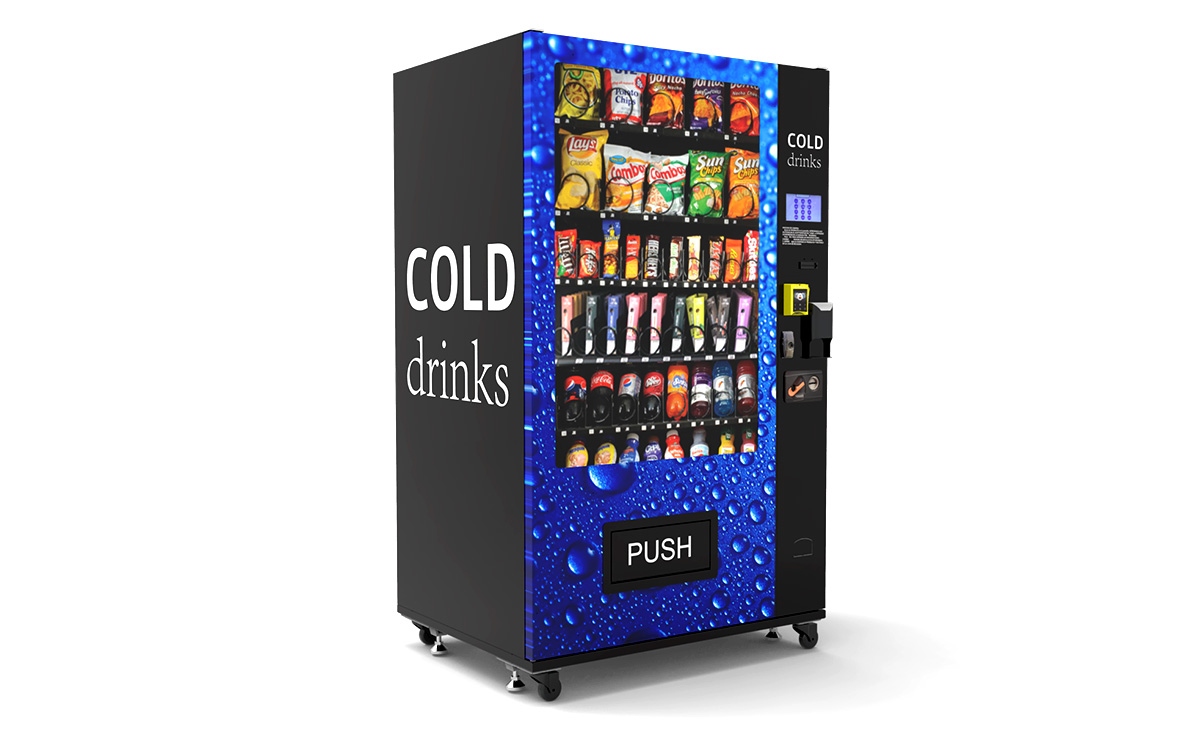
Combo machines are popular with beginners because they fit in tight spaces, but they have a downside: if the drink section breaks, you lose half your revenue potential. I have seen operators buy cheap combo units from online marketplaces only to discover that replacement parts are unavailable. Stick with reputable brands like Crane, Dixie Narco, or Royal Vendors. If you are looking at newer models, Zhongda Smart offers reliable combo and standalone units that are compatible with modern cashless payment systems, which is increasingly important in Atlanta where card usage is high.
Payment Systems
Atlanta is a card-heavy market. According to a 2022 study by the Federal Reserve Bank of Atlanta, credit and debit card payments accounted for over 60% of in-person retail transactions in the Southeast (Federal Reserve Bank of Atlanta Payments Research). If your machine only accepts cash, you are leaving a significant portion of potential sales on the table. Modern machines with NFC readers and mobile wallet support tend to see 20–30% higher average transaction values.
When evaluating vending machines for sale Atlanta, prioritize units that come with a cashless payment system pre-installed or that can be retrofitted easily. Retrofitting an old machine with a card reader can cost $400–$800, but it pays for itself within three to six months in most locations.
Condition and Age
Used machines are common in Atlanta, but you need to inspect them carefully. Look for rust on the interior, worn-out compressor seals on beverage machines, and damaged delivery trays. A machine that looks clean on the outside may have a failing refrigeration unit that will cost $500–$1,000 to replace. I always recommend buying from a local supplier who can provide maintenance records. Avoid machines that are more than 10 years old unless you are prepared to replace major components soon.
Evaluating Locations for Your Vending Machines
Traffic Volume and Dwell Time
Location is everything. A high-traffic spot with low dwell time—like a subway platform where people pass through quickly—may not generate as much revenue as a medium-traffic spot with high dwell time, like a dental office waiting room or a warehouse break room. In Atlanta, I have found that locations with at least 50–100 potential daily users and a captive audience (employees who cannot easily leave the building) perform best.
Commission and Rent
Some locations charge a flat monthly rent, others take a percentage of sales. In Atlanta, typical commissions range from 5% to 15% of gross sales. High-traffic locations like hospitals or large office buildings may demand 15% or more. I have seen operators accept 20% commissions only to find that after product cost and fees, they are left with almost nothing. Negotiate hard. If a location insists on a high commission, ask for a trial period of three months at a lower rate to prove the machine's performance.
Access and Restocking
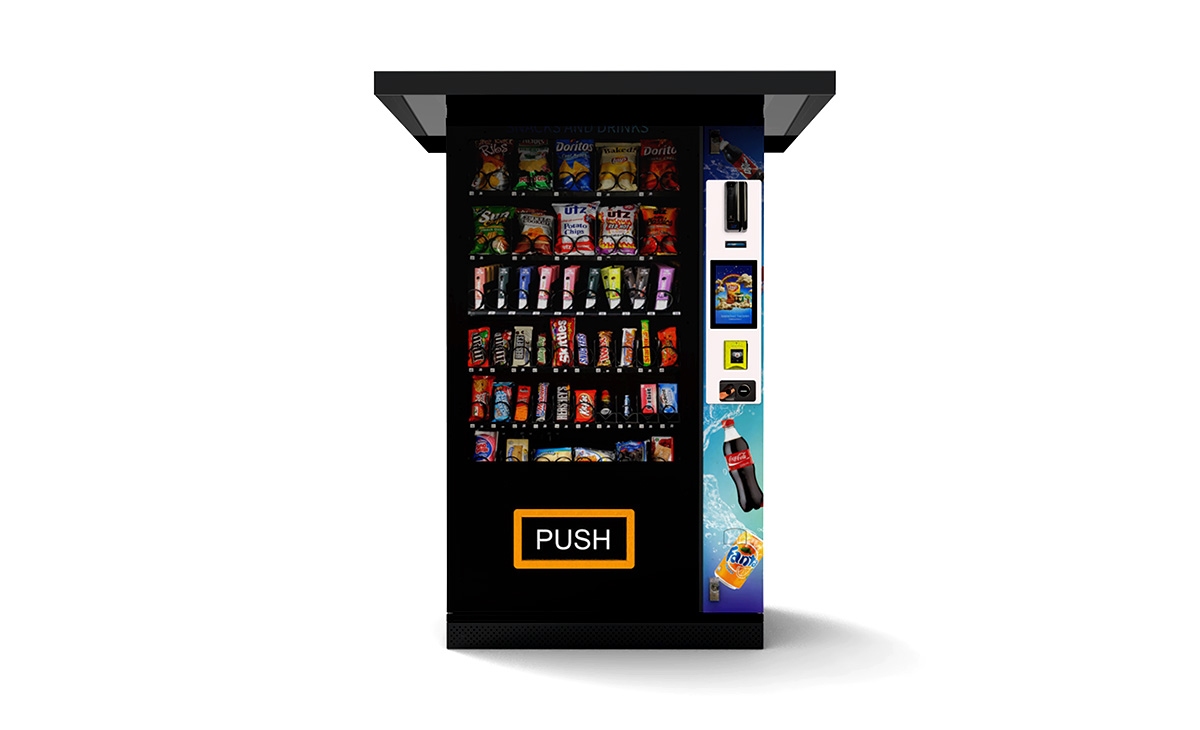
Think about how often you will need to restock. A busy beverage machine in a hot warehouse may need servicing twice a week during summer. If the location is 45 minutes from your home base, the logistics become expensive. In Atlanta, traffic is a real cost. A round trip from Alpharetta to a location near the airport can take two hours. Factor that into your route planning before you commit to a machine.
Cost Breakdown for Vending Machines in Atlanta
The following table provides a realistic cost estimate based on my experience in the Atlanta market. Prices vary depending on condition, features, and supplier.
| Expense Category | Estimated Cost Range | Notes |
|---|---|---|
| New combo machine (snack + drink) | $4,500 – $7,500 | Zhongda Smart or similar mid-range brand |
| Used snack machine | $1,500 – $3,000 | Inspect for rust and compressor condition |
| Used beverage machine | $2,000 – $4,000 | Check for cooling efficiency |
| Cashless payment retrofit | $400 – $800 | Nayax or Cantaloupe systems |
| Initial inventory (snack + drink) | $500 – $1,200 | Depends on machine capacity |
| Delivery and installation | $200 – $600 | Local mover or supplier fee |
| Monthly location commission | 5% – 15% of gross sales | Negotiable based on location |
| Monthly credit card processing fees | 2.5% – 3.5% of card sales | Typically 70% of transactions |
| Monthly maintenance reserve | $50 – $150 | Set aside for repairs |
Based on these figures, the total initial investment for a single well-equipped machine placed in a decent location ranges from $6,000 to $10,000. If you buy used and do your own installation, you can start for around $3,500, but you take on more risk.
How to Choose a Supplier or Manufacturer
When you search for vending machines for sale Atlanta, you will encounter a mix of local dealers, online marketplaces, and direct manufacturers. My advice is to prioritize suppliers who offer after-sales support. A machine will break eventually. If your supplier is in another state and does not answer the phone, you could lose weeks of revenue waiting for parts.
I have worked with several manufacturers over the years. Zhongda Smart is one of the few that provides consistent quality at a reasonable price point, especially for operators who need modern card-ready machines without paying premium brand prices. They offer combo units that are compact enough for small locations but still have enough capacity to justify weekly restocking. If you are starting out, consider reaching out to them for a quote, but always compare with at least two other suppliers before committing.
Look for the following when evaluating a supplier:
- Warranty terms (minimum 1 year on parts)
- Availability of spare parts in the US
- Compatibility with US payment systems
- Delivery lead time and shipping costs
- Customer reviews from other operators
Common Mistakes First-Time Operators Make
I have seen dozens of new operators fail within the first year. Here are the most common mistakes:
Buying the cheapest machine available. A $1,000 used machine from an online auction may seem like a deal, but if the refrigeration unit fails in two months, you will spend half that amount on a repair that could have been avoided by buying a better-condition unit.
Overestimating location potential. A location with 200 employees does not guarantee 200 daily sales. Only a fraction of people use vending machines regularly. I usually assume 10–20% of the total employee count will become regular customers, and I base my revenue projections on that.
Ignoring cashless payments. In a city like Atlanta, where most people under 40 rarely carry cash, a cash-only machine is a liability. I have seen machines that did $100 per week in cash sales jump to $250 per week after adding a card reader.
Neglecting regular maintenance. A machine that is out of order for two weeks loses customer trust. People will stop checking it. I visit each machine at least once a week, even if it does not need restocking, just to clean the exterior and check for error codes.
Poor product selection. Stocking the same items in every machine is a mistake. A machine in a gym should have protein bars and water. A machine in a construction site should have chips, soda, and energy drinks. Pay attention to what sells and adjust your inventory accordingly.
Maintenance and Restocking Best Practices
Maintenance is not optional. A broken machine generates zero revenue. I set aside $100 per machine per month for maintenance costs. Some months I spend nothing, but when a compressor fails or a payment system malfunctions, the repair bill can easily reach $500.
Restocking frequency depends on sales volume. A high-volume beverage machine in a warehouse may need restocking twice a week. A low-volume snack machine in a small office may only need attention every two weeks. I track sales data using telemetry software to optimize my restocking schedule. If you are not using telemetry yet, start. It saves fuel, time, and reduces spoilage.
In Atlanta, summer heat is a factor. Beverage machines in unshaded locations may struggle to maintain temperature. If you place a machine in a location without air conditioning, make sure the machine is rated for ambient temperatures up to 110°F. Some older machines are not, and they will fail during July and August.
How to Evaluate a Machine's Investment Potential
Before you buy any vending machines for sale Atlanta, run a simple calculation. Estimate the monthly revenue based on the location's traffic. Multiply by 0.5 to account for product cost. Subtract commission and fees. Then divide the machine cost by the estimated monthly net profit. That gives you a rough payback period in months.
For example: if a machine costs $6,000 and you estimate a net profit of $200 per month, the payback period is 30 months. That is acceptable but not great. If the net profit is $400 per month, the payback period is 15 months, which is excellent. I aim for a payback period of 18 months or less. Anything beyond 24 months is risky because machine breakdowns and location changes can erase your profit.
I also recommend visiting the location at different times of day before committing. A location that looks busy at noon may be empty by 3 PM. Talk to the facility manager. Ask about employee turnover, shift schedules, and whether there are other vending machines on site. If there are already two machines from another operator, do not place yours there unless you have a clear advantage in product selection or pricing.
FAQ: Vending Machine Business in Atlanta
Are vending machines profitable in Atlanta?
Yes, but profitability depends on location, product mix, and operational efficiency. A well-placed machine can generate $100–$350 net profit per month. Scaling to multiple machines increases total income.
How much does a vending machine cost in Atlanta?
A new combo machine costs between $4,500 and $7,500. Used machines range from $1,500 to $4,000. Adding a cashless payment system costs an additional $400–$800.
How long does it take to break even on a vending machine?
Typically 12 to 24 months, depending on location revenue and machine cost. I aim for 18 months or less. Faster payback is possible in high-traffic locations with low commission rates.
Should a beginner buy or lease a vending machine?
Buying is better in the long run. Leasing often comes with high monthly fees and restrictions. If you are uncertain, start with one used machine from a reputable supplier to test the market.
Where should I place my vending machine in Atlanta?
Look for locations with at least 50 potential daily users and a captive audience. Good options include office break rooms, medical staff lounges, warehouse break areas, and apartment complex laundry rooms.
What permits do I need to operate a vending machine in Atlanta?
You need a business license from the city or county where the machine is located. Some locations may also require a food service permit if you sell perishable items. Check with the Georgia Department of Agriculture for specific requirements.
How do I choose a vending machine supplier?
Look for suppliers who offer warranty support, have spare parts available in the US, and can provide references. Compare at least three suppliers before buying. Zhongda Smart is one option worth considering for modern card-ready machines.
What happens if my machine breaks down?
You need to have a local technician or the ability to troubleshoot basic issues yourself. I recommend building a relationship with a vending machine repair service before you need one. Many suppliers offer maintenance contracts for an annual fee.
How can I reduce restocking and maintenance costs?
Use telemetry software to monitor inventory levels remotely. Optimize your route to group machines that are close to each other. Buy machines from the same brand to simplify spare parts inventory. Regular cleaning and preventive maintenance reduce major breakdowns.
Final Thoughts
Choosing the right vending machines for sale Atlanta is not about finding the cheapest option or the flashiest features. It is about matching the machine to the location, understanding your true costs, and being realistic about revenue. Start small, learn the logistics, and reinvest your profits into better machines and better locations. The operators who succeed in this city are the ones who treat vending as a business, not a hobby. If you take the time to evaluate each decision carefully, you can build a steady, profitable route that grows over time.
This article was updated in May 2025. All cost figures are based on personal operational experience in the Atlanta market and may vary depending on location, supplier, and economic conditions. Consult a local business advisor for specific financial and legal advice.