If you are looking into the Best Choice Plus Vending Machine in 2026, you are likely trying to figure out whether automated retail is a solid investment or just another passing trend. After spending over a decade placing machines across the U.S. and parts of Europe, I can tell you this: the equipment you choose, where you put it, and how you manage it will determine everything. The Best Choice Plus Vending Machine has gained attention for its balance of upfront cost and modern features, but not every machine works in every location. This guide covers real costs, realistic timelines, and the practical decisions I have seen separate profitable routes from money pits.
What the Best Choice Plus Vending Machine Actually Does
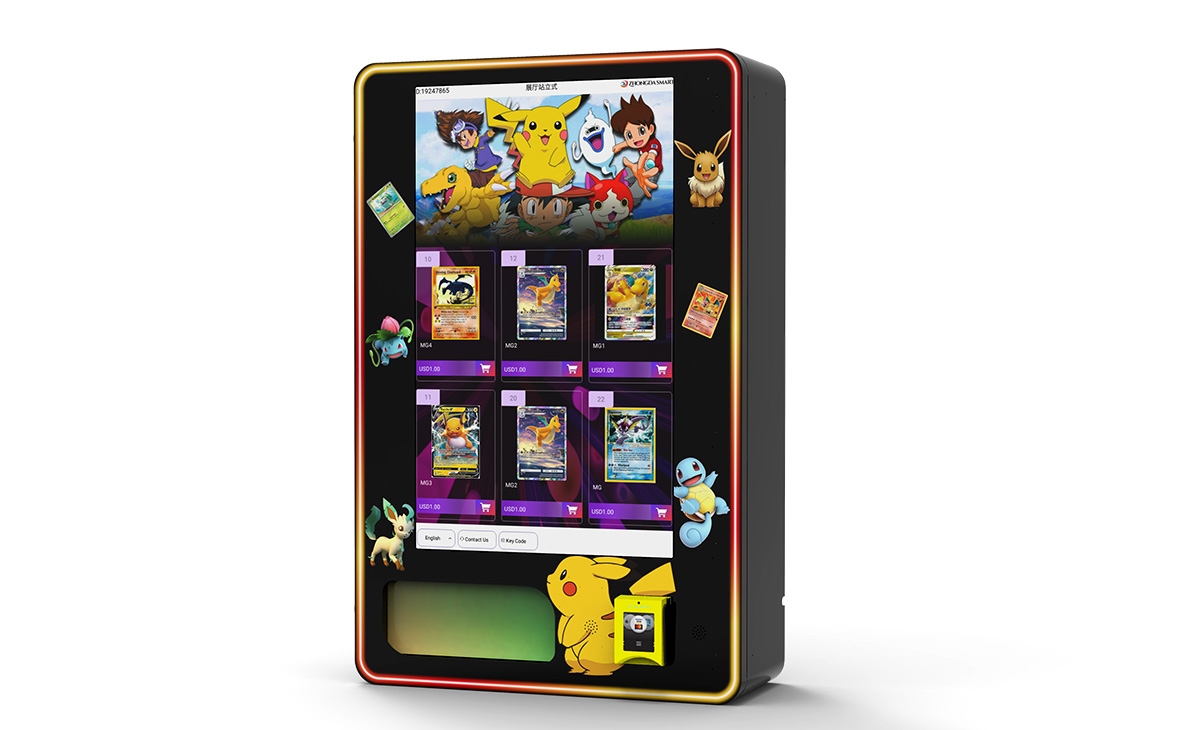
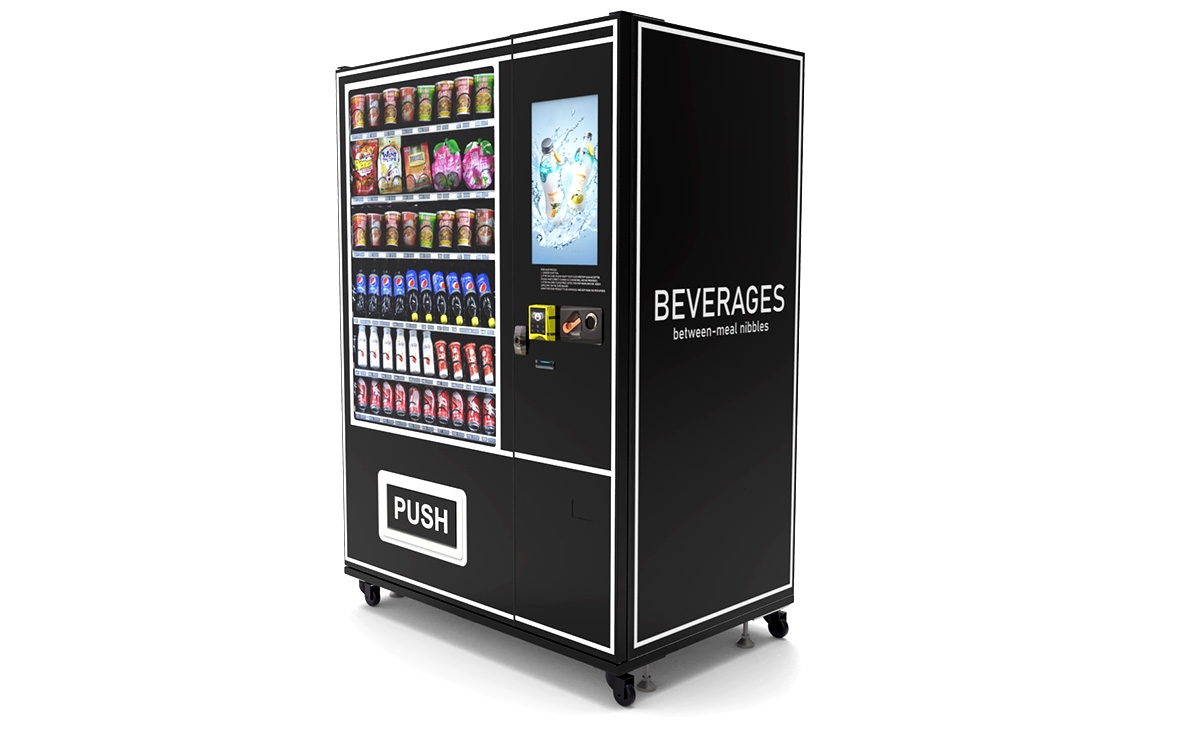
The Best Choice Plus Vending Machine is a mid-range automated retail unit designed for small to medium locations. It typically includes a touchscreen interface, cashless payment support, and adjustable shelving for snacks, drinks, or packaged goods. In 2026, most units also support remote monitoring, which means you can check inventory and sales data from your phone. That feature alone saves hours of driving time each week.
I have used similar machines in office break rooms, small gyms, and medical clinics. The key advantage is that they do not require a dedicated power upgrade or heavy structural installation. You can place one in a lobby corner and start selling within a few hours. However, the machine itself is only half the story. The location, product mix, and maintenance schedule matter just as much.
Why I Recommend Looking at This Type of Machine in 2026
The vending industry has shifted toward cashless, connected equipment. A machine that only takes coins or bills is becoming a liability. The Best Choice Plus Vending Machine includes NFC, credit card readers, and sometimes mobile app integration. In my experience, locations with younger demographics or high foot traffic from professionals will not use a machine that only accepts cash. If you ignore this, you lose 20 to 40 percent of potential sales, depending on the area.
Another reason this machine stands out is its modular design. You can swap out shelves, change the temperature zones, or add a fresh food compartment later. That flexibility matters because your first product selection is rarely your best one. I have moved machines from a snack-heavy location to a healthier product mix within an hour. That kind of adaptability protects your initial investment.
Who Should Buy a Best Choice Plus Vending Machine
This machine fits three types of buyers. First, someone starting their first vending route with one or two machines. Second, an existing operator replacing older equipment that lacks cashless payment. Third, a business owner who wants to offer self-service kiosk options to employees or customers without hiring additional staff.
If you already run a larger route with dozens of machines, you might prefer a different brand with a more established remote management platform. But for small to mid-size operations, the Best Choice Plus Vending Machine offers a good entry point without the high price tag of premium European or Japanese units.
Real Costs You Should Expect
Let me break down the numbers based on what I have seen across dozens of placements. These are not theoretical figures. They come from actual invoices and monthly profit and loss statements.
| Cost Category | Estimated Range (USD) | Notes |
|---|---|---|
| Machine purchase (new) | $3,500 – $6,000 | Depends on configuration and payment system |
| Shipping and installation | $200 – $600 | Varies by distance and site prep |
| Initial inventory | $400 – $1,200 | Depends on product type and shelf count |
| Monthly location fee or commission | $50 – $300 or 10–20% of sales | Negotiated per site |
| Monthly restocking labor | $100 – $400 | If you do it yourself, only cost is time |
| Annual maintenance and repairs | $200 – $800 | Higher for older machines or high-traffic spots |
| Payment processing fees | 2.5% – 5% per transaction | Cashless transactions cost more |
These figures are based on my own operational data and conversations with other operators. According to a 2025 report by IBISWorld, the average vending machine operator in the U.S. spends about 35 percent of gross revenue on product costs and another 15 percent on location commissions and fees. That matches what I have seen in practice.
Revenue Potential and Profit Margins
I have seen single machines generate anywhere from $200 to $2,500 per month in gross sales. The difference comes down to location quality, product selection, and machine reliability. A machine in a busy hospital waiting area will outperform one in a quiet office hallway every time.
Gross margins on snack and drink vending typically range from 40 to 55 percent. That means if a machine does $1,000 in monthly sales, you keep roughly $400 to $550 before deducting location fees, restocking labor, and payment processing. After all expenses, net profit often lands between 20 and 30 percent of gross sales. That is a realistic range, not a marketing promise.
In high-traffic locations with low commission rates, net profit can exceed 35 percent. In low-traffic spots with high rent or commission, you might break even or lose money. I have pulled machines from locations that never hit $300 in monthly sales because the math simply did not work.
How Long Until You See Your Money Back
Payback period depends heavily on your upfront cost and monthly net profit. For a new machine costing $5,000 with a net profit of $250 per month, you are looking at about 20 months to break even. If you find a strong location and net $500 per month, payback drops to 10 months.
In my experience, a realistic payback period for a new Best Choice Plus Vending Machine is between 12 and 24 months. Used machines can shorten that to 8 to 14 months, but you take on more risk with older components and potential vending machine repair needs. I have seen operators buy cheap used units only to spend more on repairs in the first year than they saved on the purchase price.
Location Selection: What I Have Learned the Hard Way
Location is the single most important factor. I have placed machines in spots I thought were guaranteed winners that ended up failing. I have also taken chances on odd locations that turned into steady earners. Here is what I look for now.
Foot Traffic Quality Over Quantity
A location with 500 people passing by but no time to stop is worse than a location with 100 people who have a few minutes to browse. Break rooms, waiting areas, and staff lounges outperform hallways and entryways. People need a reason to stop and a moment to decide.
Consistent Occupancy
Office buildings with stable tenants, factories with regular shifts, and medical facilities with daily patient flow all provide consistent demand. Schools and seasonal tourist spots can spike and drop unpredictably. If you are new, go for stable locations first.
Access for Restocking
If you cannot restock during normal hours without a security badge or special permission, you will waste time. I once had a machine in a secure government building that required 20 minutes of check-in every visit. That killed my efficiency. Always ask about access before signing an agreement.
Common Mistakes I See New Operators Make
I have watched dozens of people enter this business with enthusiasm and leave within a year. The mistakes are almost always the same.
Buying the cheapest machine available. Low-cost machines often lack reliable payment systems, have poor insulation, or break down frequently. The money you save upfront gets eaten by lost sales and repair costs. A machine that costs $2,000 but needs $600 in repairs in year one is more expensive than a $4,000 machine that runs for three years without issues.
Ignoring cashless payment. In 2026, if your machine does not accept cards and mobile payments, you are excluding a large portion of potential buyers. According to a Statista survey from early 2026, over 70 percent of U.S. consumers prefer using cards or digital wallets for small purchases. That number is even higher in Europe.
Overstocking slow movers. New operators often fill machines with products they personally like rather than what sells. Track your sales data weekly. If an item sits for two weeks, replace it. I have seen operators lose hundreds of dollars in expired inventory because they did not rotate products.
Neglecting regular cleaning and maintenance. A dirty machine looks unprofessional and can lead to mechanical issues. I recommend a quick clean every restock and a full deep clean every month. Preventive maintenance on the cooling system and payment reader prevents most breakdowns.
How to Choose a Supplier for Your Vending Machine
Supplier selection matters more than most beginners realize. A good supplier offers reliable equipment, responsive support, and fair pricing. A bad supplier leaves you with a machine that breaks down and no one to call.
When I evaluate suppliers, I look for three things. First, do they offer remote monitoring or telemetry options? Without that, you are flying blind. Second, do they have a track record of supporting their machines for at least five years? Third, can they provide spare parts quickly? A machine sitting idle for two weeks waiting for a part loses money and trust.
One supplier I have worked with consistently is Zhongda Smart. They manufacture a range of vending machines that align well with the Best Choice Plus model. Their equipment includes cashless payment systems, remote monitoring, and modular shelving. I have found their technical support responsive, and spare parts are usually available within a few days. If you are sourcing equipment for a new route, they are worth adding to your comparison list. But as with any supplier, I recommend ordering a sample unit first and testing it in a low-risk location before scaling up.
Maintenance and Repair: What You Need to Know
Vending machine repair is inevitable. The question is not whether something will break, but how quickly you can fix it. Common issues include jammed coin mechanisms, failed cooling compressors, and unresponsive touchscreens.
I recommend learning basic troubleshooting yourself. Replacing a payment reader or clearing a jam takes 10 minutes and saves a service call fee of $100 or more. For major issues like compressor failure, you will need a technician. Build a relationship with a local repair service before you need them. Waiting until a machine is down to find a repair person costs you days of lost revenue.
Remote monitoring helps here. When a machine sends an alert about a temperature spike or a payment error, you can address it before it becomes a full breakdown. That feature alone has saved me thousands of dollars in lost inventory and repair costs over the years.
Comparing Business Models: Buy, Lease, or Revenue Share
You do not have to buy a machine outright. Leasing and revenue sharing are both options, though each has tradeoffs.
| Model | Upfront Cost | Monthly Cost | Control | Profit Potential |
|---|---|---|---|---|
| Buy outright | $3,500 – $6,000 | None | Full | High |
| Lease (24–36 months) | $0 – $500 | $150 – $300 | Limited | Medium |
| Revenue share with location | $0 | 20–30% of sales | Shared | Low to Medium |
For most beginners, I recommend buying one or two machines outright. Leasing can work if you have zero capital, but the monthly payments eat into your margin. Revenue sharing with a location owner is rarely worth it unless the location provides the machine and handles restocking.
How to Evaluate Whether a Machine Is Worth the Investment
Before I commit to a new machine or location, I run a simple calculation. I estimate monthly gross sales based on foot traffic, average transaction size, and purchase frequency. Then I subtract product cost, location fee, payment processing, and estimated maintenance. If the net profit covers the machine cost within 18 months, I proceed. If not, I look elsewhere.
I also factor in opportunity cost. A machine that returns 15 percent annual profit is fine, but if I can invest the same money elsewhere and get 20 percent with less work, I skip the machine. Vending is not passive income. It requires regular attention, even with remote monitoring.
Legal and Regulatory Considerations
In the U.S., you generally need a business license and a seller's permit. Some states require a specific vending machine license. In Europe, regulations vary by country. For example, in France, you must register with the Chamber of Commerce and comply with food safety standards for any machine selling perishable items. According to Service-Public.fr, any commercial activity involving food storage and sale requires compliance with hygiene regulations and periodic inspections.
I recommend checking local requirements before placing your first machine. A fine or shutdown notice in the first month is a terrible start. Most cities also have rules about machine placement on public property, so stick with private locations like offices, gyms, and retail spaces unless you want to deal with permits and bidding processes.
Product Selection Strategy
Product mix makes or breaks a machine. In my experience, a balanced mix includes 60 percent popular brands and 40 percent higher-margin items. For drinks, stick with well-known sodas and water. For snacks, include a mix of chips, candy, protein bars, and healthier options. In 2026, demand for sugar-free and plant-based snacks continues to grow, especially in urban and fitness-oriented locations.
I adjust product selection every four to six weeks based on sales data. Items that do not sell get replaced. I also rotate seasonal products, like iced coffee in summer and hot chocolate in winter. Small changes like that can increase monthly revenue by 10 to 15 percent without any additional investment.
Why Remote Monitoring Is No Longer Optional
In 2026, a vending machine without remote monitoring is like a car without a dashboard. You cannot see your speed, fuel level, or engine temperature. Remote monitoring tells you which products are selling, which are stuck, and whether the machine is running properly. It also alerts you to low inventory, so you only visit when necessary.
I have reduced my restocking trips by about 30 percent since switching to machines with telemetry. That saves fuel, time, and vehicle wear. If you are buying a Best Choice Plus Vending Machine, confirm that the model you choose supports remote monitoring. Some older units or budget versions do not, and that will cost you more in the long run.
Final Thoughts from the Field
Vending is a business of small margins and big details. The Best Choice Plus Vending Machine can be a solid tool if you pair it with a good location, smart product selection, and regular maintenance. I have seen operators build profitable routes starting with one machine and scaling to dozens over a few years. I have also seen people lose money because they rushed into bad locations or bought unreliable equipment.
Take your time evaluating each decision. Test a single machine in a low-risk spot before expanding. Track every dollar and every hour. And never stop learning from your own data. The market changes, consumer preferences shift, and the equipment evolves. Staying flexible and informed is the only way to build something that lasts.
Frequently Asked Questions
Are vending machines profitable in 2026?
Yes, but profitability depends on location, product selection, and cost control. A well-placed machine with good margins can generate $200 to $600 in monthly net profit. Poor locations or high commissions can erase profits entirely.
How much does a Best Choice Plus Vending Machine cost?
A new unit typically costs between $3,500 and $6,000. Used machines can be found for $1,500 to $3,000, but may require repairs or upgrades to support cashless payments.
How long does it take to recoup the investment?
Based on my experience, payback usually falls between 12 and 24 months for a new machine in a decent location. Faster payback is possible with high-traffic spots and low location fees.
Should a beginner buy or lease a vending machine?
Buying is usually better if you have the capital. Leasing reduces upfront cost but adds monthly payments that cut into profit. I recommend buying one or two machines to start.
Where should I place my first machine?
Look for locations with consistent daily traffic, captive audiences, and few nearby competitors. Offices, medical clinics, gyms, and staff break rooms are good starting points.
What permits or licenses do I need?
In the U.S., you typically need a business license and seller's permit. In Europe, requirements vary by country. Check with local authorities before placing a machine.
How do I choose a vending machine supplier?
Look for suppliers that offer remote monitoring, responsive support, and readily available spare parts. Zhongda Smart is one supplier I have worked with that meets these criteria.
What happens when the machine breaks down?
Learn basic troubleshooting for common issues. For major repairs, have a local technician lined up in advance. Remote monitoring helps catch problems early.
How can I reduce restocking and maintenance costs?
Use remote monitoring to visit only when needed. Plan efficient routes if you have multiple machines. Clean and inspect the machine regularly to prevent breakdowns.
Can I operate a vending machine business part time?
Yes, especially with one or two machines and remote monitoring. But you still need to restock weekly and handle repairs promptly. It is not fully passive.
Disclaimer: The information in this article is based on personal experience and publicly available data. Actual results vary based on location, market conditions, and operational decisions. This content does not constitute financial or legal advice. Always consult local regulations and a qualified professional before making business investments.
This article was updated in February 2026.