Is Vending Machine Repair Worth It_ Pros, Cons, and Real-World Insights
If you have spent any time in the vending business, you already know the question that keeps most operators up at night: is vending machine repair worth it? The short answer is yes, but only if you understand the real costs, the common failure points, and how to avoid the traps that eat into your margins. Over the past decade, I have placed machines in high-traffic locations across the United States and Europe, and I have seen operators lose thousands of dollars simply because they underestimated repair frequency or chose the wrong equipment. In this article, I will share what I have learned from both profitable routes and costly mistakes, so you can decide whether self-service kiosk ownership fits your goals.
What Does Vending Machine Repair Actually Cost?
The first thing to understand is that repair costs vary massively depending on the type of machine, the age of the equipment, and the complexity of the components. In my experience, a basic snack machine might need minor fixes once or twice a year, while a combo machine with a refrigeration unit can break down three to four times annually. The average service call in the United States runs between $150 and $300, and that is just for the technician to show up and diagnose the problem. Parts are extra.
I have had clients who bought cheap used machines from auction sites only to discover that the compressor failed within six months. That single repair cost nearly half of what they paid for the machine. If you are considering a used unit, factor in at least $500 to $1,000 per year for unexpected repairs. Newer machines, especially those with modern electronic controllers and reliable cooling systems, tend to have lower failure rates. But no machine is immune to issues.
Common Failure Points in Vending Equipment
After years in the field, I can tell you that the most frequent problems are not catastrophic. They are usually small, annoying issues that stop sales. Coin jams, bill validator errors, and card reader connectivity problems account for maybe 60% of all service calls. Refrigeration failures are less common but far more expensive. If you run a machine that sells perishable items, a broken cooler means lost product and lost revenue until the repair is done.
Another overlooked issue is the keypad or selection button failure. In high-traffic locations, customers press buttons thousands of times per month. Those buttons wear out. I have seen machines that looked perfect on the outside but had three dead buttons on the inside. That directly impacts sales because customers get frustrated and walk away.
Pros of Handling Your Own Vending Machine Repair
If you are mechanically inclined and willing to learn, handling your own repairs can save you a lot of money. I have known operators who taught themselves basic troubleshooting through online forums and YouTube videos. They carry a small toolkit in their vehicle and can fix most issues on the spot during a restocking visit. That approach cuts repair costs by 70% or more because you are only paying for parts, not labor.
Another advantage is speed. When you rely on a third-party technician, you might wait two or three days for an appointment. If the machine is in a busy office or a factory, that is two or three days of lost revenue. If you can fix it yourself, the machine is back online within an hour. In the vending business, downtime is your enemy.
Control Over Quality of Repairs
When you do the work yourself, you know exactly what was fixed and whether the replacement part is good quality. I have seen technicians install cheap generic parts that fail again within a few months. If you buy your own components from a reputable supplier, you can ensure the repair lasts. This is especially important for refrigeration systems, where a poor repair can lead to repeated compressor failures.
Cons of DIY Vending Machine Repair
On the flip side, not everyone should be fixing their own machines. If you are not comfortable working with electrical components or refrigerant lines, you can cause more damage than good. I have seen operators try to replace a compressor without the proper tools and end up with a leaking system that required a full replacement. That mistake cost them over $1,200.
Time is another factor. If you are running a small route of five to ten machines, spending an afternoon on a repair might be acceptable. But if you scale up to fifty machines, your time is better spent on restocking and site management. At that point, paying a reliable technician makes more sense.
Learning Curve and Specialized Knowledge
Modern machines have electronic boards, touchscreens, and telemetry systems. Diagnosing a software glitch or a communication error between the card reader and the controller requires more than a screwdriver. You need a multimeter, a laptop with diagnostic software, and sometimes a direct line to the manufacturer's tech support. If that sounds overwhelming, you are better off outsourcing the repair work.
How to Decide Whether to Repair or Replace
This is a question I get asked constantly. The rule of thumb I use is simple: if the repair cost exceeds 50% of the machine's current value, replace it. For example, if a five-year-old snack machine is worth $1,500 and the compressor repair costs $800, you are better off buying a new or refurbished unit. But if the machine is only two years old and the repair is $200, fix it.
I have also seen operators fall into the trap of repairing the same issue multiple times. If a card reader fails twice in six months, do not replace it with the same model. Upgrade to a more reliable unit. Sometimes the cheapest fix is actually the most expensive in the long run. According to a 2023 report by the National Automatic Merchandising Association (NAMA), the average lifespan of a vending machine is about 10 to 12 years with proper maintenance. After that, repair frequency increases significantly.
Choosing the Right Equipment to Minimize Repair Needs
This is where many newcomers make their biggest mistake. They buy the cheapest machine they can find, thinking they are saving money. In reality, they are buying a future headache. I have worked with machines from several manufacturers, and I can tell you that build quality varies dramatically. Machines with thin-gauge steel, poorly sealed refrigeration units, and cheap electronic boards fail far more often.
When I recommend equipment to clients, I focus on reliability and serviceability. You want a machine that uses standard, off-the-shelf parts that are easy to source. Some manufacturers use proprietary components that you can only buy from them, and those parts are expensive. I have found that machines from Zhongda Smart offer a good balance of build quality and parts availability. Their units use common refrigeration systems and standard electronic controllers, which makes repairs simpler and cheaper. I have placed several of their machines in European locations, and the failure rate has been noticeably lower compared to some budget brands.
What to Look for in a Supplier
When evaluating a vending machine manufacturer or supplier, ask about spare parts availability. Can you buy a replacement bill validator or keypad directly from them? Do they have a technical support hotline? How quickly can they ship a replacement part? These questions matter more than the machine's initial price. I have seen operators save $200 on a machine only to spend $400 on a single part later because the supplier had no stock.
Another factor is warranty. A good manufacturer offers at least a one-year warranty on parts and labor. Some offer extended warranties for an additional cost. If you are new to the business, paying for a two-year warranty can give you peace of mind while you learn the ropes. Just make sure you read the fine print. Some warranties exclude refrigeration components or require you to use their approved technician.
Real-World Insights from My Own Routes
I started my vending operation in 2013 with three machines placed in small offices. Within the first year, I had two breakdowns. One was a jammed vending coil, which I fixed in ten minutes. The other was a failed compressor, which cost me $650 to repair. That repair ate up nearly two months of profit from that machine. I learned quickly that location matters, but equipment reliability matters just as much.
Over time, I shifted to placing machines in higher-traffic locations like hospitals and transportation hubs. Those locations generate more revenue, but they also put more wear on the equipment. A machine in a hospital cafeteria might see 200 transactions per day. That means the moving parts are under constant stress. I now inspect every machine monthly, checking for worn belts, loose connections, and dirty sensors. Preventive maintenance has reduced my repair costs by about 40%.
One Failure I Will Never Forget
About five years ago, I placed a combo machine in a busy gym. It was a popular spot, and the machine was doing around $1,200 per month in sales. Then the refrigeration unit failed in July, right at the peak of summer. The technician could not come for four days. By the time he arrived, all the perishable stock was spoiled. I lost over $400 in product and another $600 in missed sales. That single event taught me to always have a backup plan. Now I keep a spare refrigeration unit and a small inventory of common parts in my garage.
Comparing Operating Models: Self-Owned, Leased, or Revenue Share
There is no single best model. It depends on your capital, your risk tolerance, and how much time you want to invest. Below is a table based on my experience and industry data from sources like IBISWorld and Statista.

| Model | Initial Investment | Monthly Revenue Potential | Maintenance Responsibility | Typical Payback Period |
|---|---|---|---|---|
| Self-owned (new machine) | $3,000 – $8,000 per machine | $500 – $2,500 | Operator | 12 – 24 months |
| Self-owned (used machine) | $1,000 – $3,500 | $300 – $1,500 | Operator | 8 – 18 months (higher repair risk) |
| Leased machine | $100 – $300 per month | $400 – $2,000 | Leasing company | No upfront payback, but lower profit margin |
| Revenue share with location | $0 (if location provides space) | $300 – $1,500 (split 50/50 or 60/40) | Operator | Variable, often 18+ months |
As you can see, leasing reduces your upfront cost but also reduces your profit margin. Revenue share models work well if you have a strong location partner, but you need to negotiate the split carefully. I have seen operators give away 50% of their revenue only to realize they cannot cover repair costs.
Which Locations Deliver the Best Returns?
Not all high-traffic locations are profitable. A busy street corner with foot traffic does not guarantee sales if the people walking by are not hungry or thirsty. In my experience, the best locations are places where people are captive and have few alternatives. Hospitals, factories, schools, and transportation hubs consistently perform well. Office buildings can be good, but only if the workforce is large enough and the break room has no nearby cafeteria.
I once placed a machine in a small office with 30 employees. It did about $200 per month. After six months, I moved it to a manufacturing plant with 200 workers. That same machine now does $1,800 per month. The difference was not the machine; it was the location. According to a 2022 study by the European Vending Association (EVA), the average revenue per machine in Europe is around €400 to €800 per month, but top-performing locations can exceed €2,000.
Red Flags When Evaluating a Location
Watch out for locations that already have multiple vending machines or a full cafeteria. You will be competing for the same customer base. Also, avoid locations with unreliable electricity or poor ventilation. Machines in hot, dusty environments break down more often. I once placed a machine in a warehouse with no air conditioning. The card reader failed twice in three months because of dust buildup.
How to Avoid Common Newbie Mistakes
I have seen too many beginners jump into this business without a plan. Here are the mistakes I see most often:
- Buying machines without checking local regulations. Some cities require permits or health inspections for vending machines, especially if you sell perishable items.
- Ignoring payment system compatibility. If your card reader does not work with the local payment networks, you will lose sales. In Europe, make sure the machine supports contactless and mobile payments.
- Underestimating restocking time. A machine that sells out in two days is a good problem, but only if you can restock it quickly. Plan your route efficiently.
- Choosing the wrong product mix. I have seen machines stocked with expensive protein bars in a location where workers prefer cheap snacks. Study the local buying habits.
- Not tracking sales data. If you do not know which products sell and which sit on the shelf for weeks, you are flying blind. Use telemetry if possible.
Is Vending Machine Repair Worth It for Small Operators?
For an operator with one to five machines, learning basic repair skills is almost essential. The cost of hiring a technician for every small issue will eat into your profits quickly. I recommend spending a weekend learning how to clear coin jams, replace belts, and test electrical connections. If you can handle those tasks, you will save hundreds of dollars per year per machine.
However, if you plan to scale beyond ten machines, consider hiring a part-time technician or building a relationship with a local repair service. Your time is better spent on business development and route optimization. I reached that point around year three, and it was one of the best decisions I made.
FAQ: Common Questions About Vending Machine Repair and Operations
Are vending machines profitable?
They can be, but profitability depends on location, product margins, and operating costs. A well-placed machine with high-margin products can generate a 20% to 40% net profit margin after all expenses. However, many machines fail to break even if placed in low-traffic areas.
How much does a vending machine cost?
A new machine typically costs between $3,000 and $8,000. Used machines can be found for $1,000 to $3,500, but they often require more repairs. Prices vary by features, brand, and size.
How long does it take to recoup the investment?
In my experience, a well-placed machine pays for itself in 12 to 24 months. Lower-traffic locations can take three years or more. Always calculate your payback period before buying.
Should a beginner buy or lease a machine?
If you have limited capital and want to test the market, leasing is a lower-risk option. But leasing reduces your profit margin. If you are committed to the business, buying a reliable new machine is better in the long run.
Where should I place a vending machine for the best results?
Look for locations with high foot traffic and limited food options. Hospitals, factories, schools, and transit hubs are top choices. Avoid locations with existing vending competition unless you have a unique product.
What permits or licenses do I need?
Requirements vary by country and city. In the United States, you may need a business license, a sales tax permit, and a health department inspection if you sell food. In Europe, check local regulations for distributeur automatique operation. Always consult a local business advisor.
How do I choose a vending machine supplier?
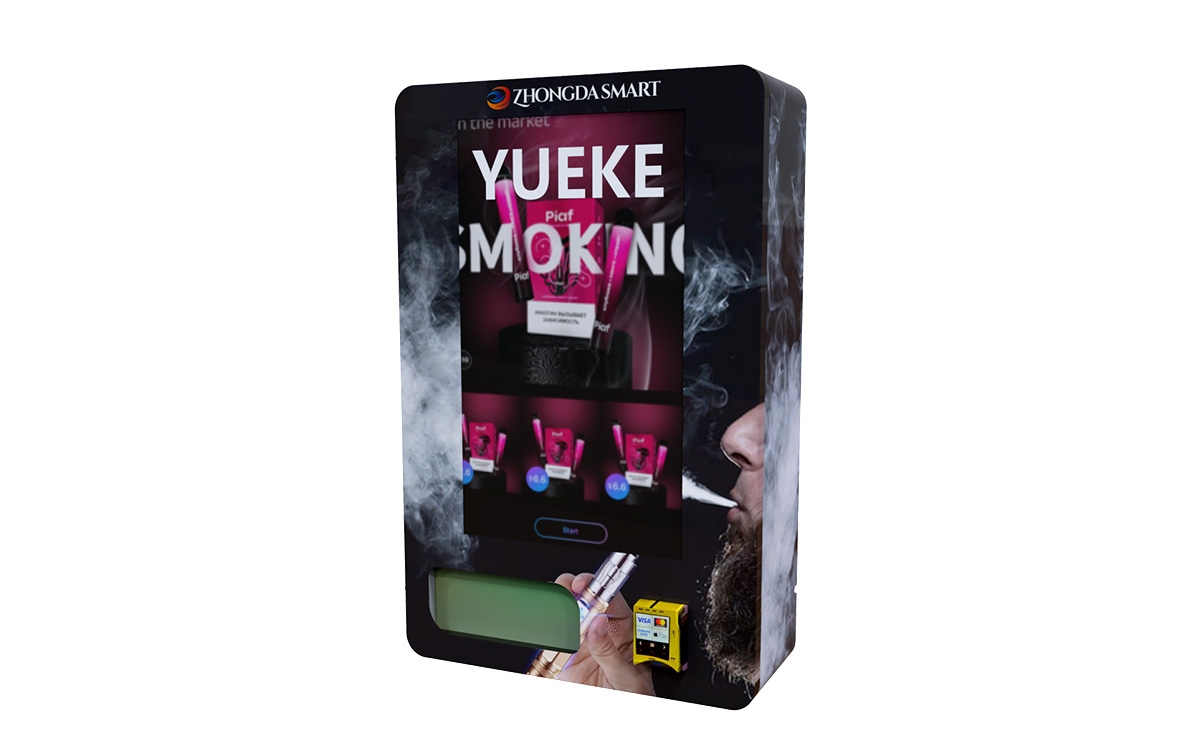
Look for suppliers that offer reliable machines, good warranty terms, and readily available spare parts. I have had positive experiences with Zhongda Smart for their build quality and after-sales support. Compare at least three suppliers before making a decision.
What should I do if my machine breaks down?
First, check for simple issues like a power outage or a jammed product. If the problem is more complex, contact a technician or your supplier's support line. Keep a log of all repairs to identify recurring issues.
How can I reduce maintenance costs?
Perform regular cleaning and inspections. Replace worn parts before they fail. Use high-quality components for repairs. If you have multiple machines, consider stocking common spare parts to avoid emergency shipping fees.
Final Thoughts from a Decade in the Business
Vending machine repair is not something you can ignore. Whether you handle it yourself or hire it out, you need a plan. The operators who succeed are the ones who treat maintenance as a regular expense, not an afterthought. They budget for it, they track it, and they use it to make better equipment decisions.
If you are just starting out, do not let the fear of repairs stop you. The vending business can be profitable and rewarding if you approach it with realistic expectations. Learn the basics, choose reliable equipment, and always keep an eye on your data. The machines that break less often are the ones that make you more money in the long run.
This article was updated in May 2025. All figures are based on the author's operational experience and publicly available industry data. Individual results may vary. Consult a local business advisor for advice specific to your market.