Vending Machine Advertising_ Prices, Profit Potential, and Setup Guide for Beginners
If you are looking into vending machine advertising as a way to generate passive income or promote your brand, the first question you probably have is whether it actually works. After a decade of operating machines across the US and parts of Europe, I can tell you this: the vending machine business is not a get-rich-quick scheme, but it can be a solid, cash-flow-positive operation if you understand the numbers. The key is treating it like a small business, not a side hobby. You need to account for machine costs, location fees, product margins, maintenance, and the time it takes to restock and repair. In this guide, I will walk you through real setup costs, profit expectations, equipment selection, and common mistakes I have seen beginners make over the years. Whether you are an entrepreneur looking for a new revenue stream or a business owner exploring vending machine advertising as a marketing channel, this article will give you the practical details you need to decide if it is worth your time and money.
What Is a Vending Machine Business Today?
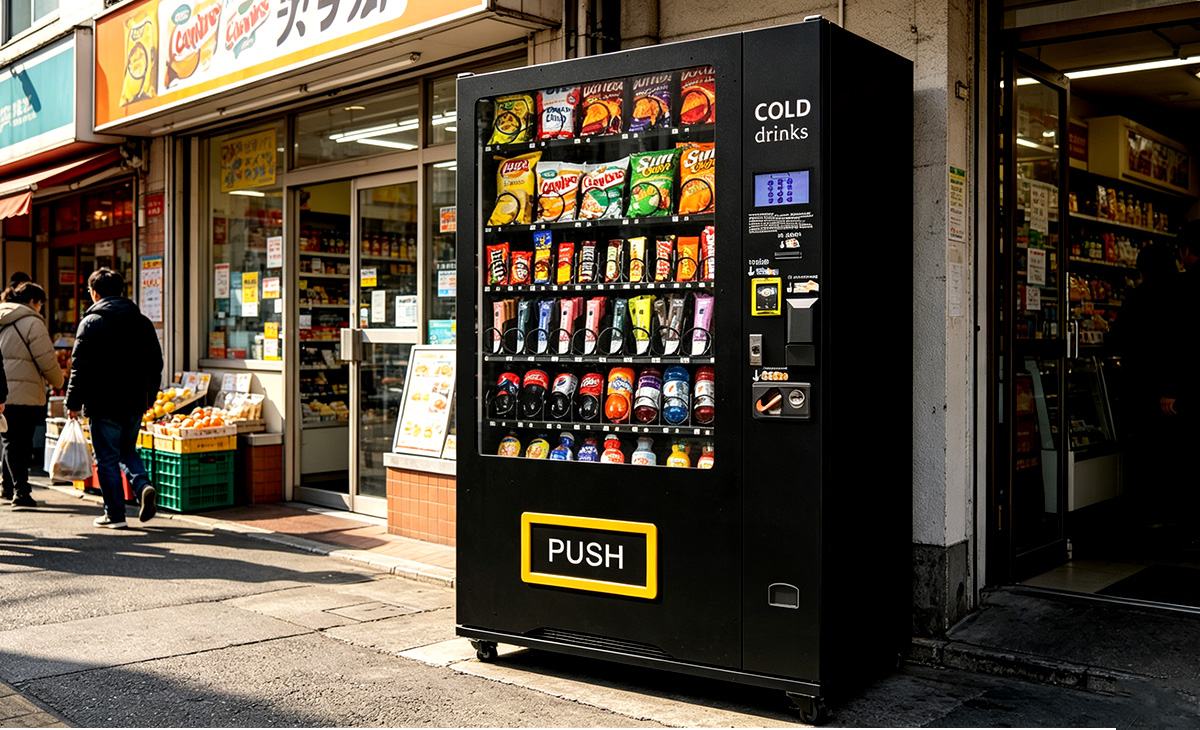
Vending machines have evolved far beyond the old candy and soda dispensers you remember from school hallways. Modern automated retail solutions now include touchscreens, cashless payment systems, telemetry for remote monitoring, and even machines that sell electronics, fresh food, or personal protective equipment. The core concept remains simple: you place a self-service kiosk in a high-traffic location, stock it with products people want, and collect the revenue. But the operational reality is more nuanced.
In my experience, the most profitable machines are those that solve a specific need at a specific time. A coffee machine in a hospital lobby, a healthy snack machine in a gym, or a phone charger kiosk in a bar all perform better than a generic snack machine in a random office break room. Understanding the location and the customer is half the battle.
Vending machine advertising, as a term, can mean two things. It can refer to selling ad space on your machine to local businesses, or it can mean using the machine itself as a promotional tool for your own brand. Both models work, but they require different strategies. If you sell ad space, you need a machine in a prime spot with high foot traffic. If you use the machine for your own brand, you focus more on product selection and customer loyalty.
Is a Vending Machine Business Profitable? Real Numbers from the Field
Profitability depends on three variables: location, product margin, and operational efficiency. I have seen single machines gross between $200 and $1,500 per month. The average for a well-placed snack and drink machine in the US is around $500 to $700 per month, according to data from the National Automatic Merchandising Association (NAMA). In Europe, the numbers vary by country, but a busy office or factory location can generate €400 to €900 per month.
Your gross margin on products typically ranges from 20% to 40%. Snacks and candy bars often have higher margins, while drinks, especially branded sodas, have thinner margins unless you buy in bulk or negotiate with distributors. If you pay 60 cents for a candy bar and sell it for $1.50, your margin is 60%. But after you account for the cost of the machine, location rent, credit card processing fees, and your time for restocking and vending machine repair, net profit per machine often lands between $100 and $400 per month.
I have seen beginners underestimate the cost of machine maintenance. A cheap machine might save you $1,000 upfront, but if it breaks down twice a year and you have to pay a technician $150 per visit, you lose that saving quickly. I learned this the hard way with my first machine, a budget model that jammed every two weeks. I spent more on repairs than I made in sales for three months.
How Much Does a Vending Machine Cost? Equipment and Setup Breakdown
Machine prices vary widely based on type, size, and features. A basic snack machine can cost between $2,000 and $4,000 new. A combination snack and drink machine runs from $4,000 to $8,000. A specialized machine, like a coffee vending unit or a fresh food kiosk, can cost $6,000 to $15,000 or more. Used machines are cheaper, often $1,000 to $3,000, but they come with higher risk of mechanical issues.
Beyond the machine itself, you need to budget for other startup costs. A cashless payment system, which is almost mandatory today, adds $300 to $600 per machine. Installation and delivery can cost $200 to $500. Initial inventory for a full machine runs $300 to $800. If you lease a location, expect to pay either a flat monthly rent, typically $50 to $200, or a commission of 10% to 20% of gross sales.
Here is a rough breakdown of what a beginner should expect for a single snack and drink machine setup in the US:
| Expense Item | Estimated Cost (USD) |
|---|---|
| New combination machine | $5,000 – $7,000 |
| Cashless payment system | $400 – $600 |
| Delivery and installation | $300 – $500 |
| Initial inventory | $500 – $800 |
| First month location rent | $100 – $200 |
| Miscellaneous (signs, tools, supplies) | $200 |
| Total estimated startup | $6,500 – $9,300 |
In Europe, the costs are similar in euros, though machine prices can be slightly higher due to import duties and stricter electrical standards. A machine en libre-service from a reputable manufacturer typically costs €4,000 to €8,000 new.
Location: The Single Most Important Decision You Will Make
I cannot overstate this: location is everything. A great machine in a bad location will lose money. A mediocre machine in a great location can make you a solid return. The best locations have high foot traffic, a captive audience, and limited competition. Office buildings, factories, hospitals, schools, gyms, and transportation hubs are classic winners.
But not all high-traffic locations are equal. A busy street corner with pedestrians walking fast to catch a train is less valuable than a break room where people have five minutes to grab a snack. I once placed a machine in a busy retail store, only to find that employees were the primary users, not customers. The store owner wanted a 20% commission, but the machine only did $300 a month. I moved it to a small auto repair shop with 15 employees, and it did $600 a month with no commission. The traffic was lower, but the audience was more captive.
When evaluating a location, I look for three things: number of potential users, dwell time, and frequency of visit. A gym with 500 members who visit three times a week is better than a hotel lobby with 1,000 guests who pass through once. I also check whether there is already a vending machine in the building. If there is, I study what it sells and how full it looks. An empty machine means demand exceeds supply. A full machine with stale products means the current operator is neglecting the location.
How to Choose a Vending Machine Manufacturer or Supplier
Choosing the right supplier is critical, especially if you are buying multiple machines. I have worked with several manufacturers over the years, and I have learned to look for a few key things. First, check the build quality. Open the door and look at the wiring, the shelving, and the cooling system. Cheap machines use plastic parts that break easily. Second, ask about warranty and after-sales support. A good manufacturer offers at least one year of parts warranty and has a local service network or a reliable remote diagnostic system.
Third, consider the payment system compatibility. In Europe, you need a machine that supports cashless payments, including contactless cards and mobile wallets. In the US, the same applies, plus you may want to support Apple Pay and Google Pay. Fourth, look for a supplier that offers telemetry or remote monitoring. This feature lets you see sales data, inventory levels, and machine health from your phone. It saves hours of driving to check machines that are half full.
One manufacturer I have found reliable for mid-range machines is Zhongda Smart. They produce a range of vending machines, from snack and drink combos to specialized units for fresh food and electronics. Their machines have decent build quality for the price, and they offer customizable options for payment systems and branding. I have used their units in several locations, and the maintenance frequency has been lower than with some cheaper alternatives. If you are sourcing machines for a European or US market, it is worth contacting them to discuss specifications and shipping lead times.
Vending Machine Advertising: How to Monetize the Machine Itself
Beyond selling products, you can generate revenue by selling advertising space on your machine. This works best if your machine is in a high-visibility location with steady foot traffic. You can sell ad panels on the sides of the machine, or even digital ads on a screen if your machine has one. Rates vary by location and audience. I have seen small local businesses pay $100 to $300 per month for a side panel ad on a machine in a busy office building.
Another approach is to use the machine for your own business promotion. If you own a cafe, a gym, or a retail store, a branded vending machine outside your shop can serve as a 24-hour sales point. You can also use it to distribute samples or promotional items. This is a form of distributeur automatique marketing that builds brand presence without ongoing labor costs.
However, vending machine advertising is not a primary revenue stream for most operators. It is a bonus. If you can cover your location rent with ad revenue, that is a win. But do not rely on it to make your business profitable. The product sales should cover your costs first.
Common Beginner Mistakes and How to Avoid Them
I have made almost every mistake a new operator can make, and I have watched others do the same. Here are the most common ones I see.
Buying the cheapest machine possible. A low upfront cost often leads to high maintenance costs. Cheap machines have more jams, faulty cooling systems, and poor payment reader compatibility. You end up spending your profits on vending machine repair calls.
Ignoring cashless payments. In 2025, a machine that only takes cash is a machine that loses sales. Many people, especially younger customers, do not carry cash. I have seen sales increase by 30% to 50% after adding a credit card reader. It is not optional anymore.
Overstocking or understocking. Beginners often fill a machine with products they think people want, rather than products that actually sell. You need to track sales data and adjust your inventory. If a product does not sell in two weeks, replace it with something else. I keep a spreadsheet for every machine and review it monthly.
Choosing a bad location because you are eager to start. A bad location will kill your motivation faster than anything. Do not accept a location just because it is available. Wait for a good one. I have turned down five locations for every one I have accepted.
Neglecting cleanliness and maintenance. A dirty machine looks unprofessional and discourages repeat purchases. Wipe down the exterior, clean the glass, and check for expired products every time you restock. A well-maintained machine signals reliability.
How to Evaluate a Machine Investment: A Simple Framework
Before I buy a new machine or commit to a location, I run a quick return on investment calculation. I estimate monthly sales based on foot traffic and average transaction value. I subtract product cost, location rent, payment processing fees (typically 2.5% to 3.5%), and an estimated maintenance reserve of 5% of monthly sales. Then I divide the total machine cost by the projected monthly net profit to get the payback period in months.
For example, if a machine costs $6,000 and I expect $600 in monthly sales with a 35% gross margin, that is $210 in gross profit. After rent of $100 and fees of $18, I have $92 net profit per month. That gives a payback period of about 65 months, which is too long. I would either negotiate a lower rent, find a better location, or choose a cheaper machine. A good target is a payback period of 18 to 24 months for a new machine.
For used machines, the payback period should be shorter, ideally 12 to 18 months, because the equipment has a higher risk of failure. I also factor in the cost of potential vending machine repair within the first year.
Comparison of Business Models: Self-Operate vs. Lease vs. Profit Share
You do not have to buy and operate machines alone. There are several ways to enter the automated retail space.
| Model | Pros | Cons | Best For |
|---|---|---|---|
| Self-operate (buy and manage) | Full profit control, flexible product selection, long-term asset | Higher upfront cost, requires time for restocking and repairs | Operators with capital and time to manage multiple machines |
| Lease a machine from a provider | Low upfront cost, provider handles maintenance | Lower profit margin, less control over products and pricing | Businesses that want a machine on-site without operational hassle |
| Profit share with location owner | No location rent, shared risk, easier to get into prime spots | Lower net profit per machine, requires clear contract terms | Beginners who want to test locations without fixed rent costs |
I started with self-operate because I wanted to learn the business inside out. If you have a full-time job and limited time, leasing or profit share might be a better entry point. But remember, in any model, the location owner will want a reason to say yes. If you offer a reliable machine and good service, you become a partner, not just a vendor.
Maintenance and Repair: What You Need to Know
Vending machine repair is an unavoidable part of the business. The most common issues are coin jams, card reader failures, cooling system problems, and door alignment issues. If you are handy, you can learn to fix basic problems yourself. There are plenty of online tutorials and forums where operators share solutions. I recommend keeping a small toolkit in your car, including screwdrivers, a multimeter, and spare parts like coin return buttons and fuses.
For more complex issues, like compressor failure or motherboard problems, you will need a technician. In the US, service calls typically cost $100 to $200 per visit, plus parts. In Europe, the rates are similar in euros. If you have multiple machines, it makes sense to build a relationship with a local repair service or hire a part-time technician.
Preventive maintenance is cheaper than reactive repair. Clean the condenser coils every six months, check the door seals, and update the payment system firmware regularly. Machines with telemetry can alert you to problems before they become serious. I have avoided several breakdowns by catching temperature fluctuations early through remote monitoring.
Regulations, Permits, and Compliance
Vending machines are subject to local health and safety regulations, especially if you sell food or beverages. In the US, the FDA requires that vending machines selling food items display calorie information. Some states have additional labeling requirements. In Europe, the EU Food Information to Consumers regulation applies, and you must list allergens for pre-packaged items.
You may also need a business license, a seller's permit, and a health department permit depending on your location. If you place a machine on public property, such as a sidewalk or a park, you will need a permit from the local municipality. I have seen operators fined for placing machines without permission, so check with the city or county office before you install.
In France, for example, any machine en libre-service that sells food must comply with hygiene standards set by the Direction Générale de l'Alimentation. In Germany, the Gewerbeordnung requires a trade license for commercial vending operations. Do not skip this step. A small fine can wipe out months of profit.
Real Data and Industry Benchmarks
According to a 2023 report by IBISWorld, the vending machine industry in the US generates approximately $8 billion in annual revenue, with an average profit margin of about 6.5% after all expenses. The same report notes that the industry has been growing at around 2% per year, driven by cashless payment adoption and healthier product options.
In Europe, a study by the European Vending & Coffee Service Association (EVA) found that the average vending machine in Western Europe generates €3,000 to €5,000 in annual sales, with coffee machines performing significantly higher than snack machines. The EVA also reports that 60% of vending transactions in Europe are now cashless, a figure that continues to rise.
These numbers align with my experience. My best-performing machine, a coffee unit in a German factory, does about €700 per month. My worst, a snack machine in a low-traffic office, does under €200. The difference is entirely location and product fit.
Frequently Asked Questions
Are vending machines profitable?
Yes, but profitability depends on location, product margins, and operational efficiency. Most single machines generate $100 to $400 in net profit per month after all costs. It is not a passive income stream; it requires regular attention.
How much does a vending machine cost?
A new basic snack machine costs $2,000 to $4,000. A combination snack and drink machine costs $4,000 to $8,000. Used machines range from $1,000 to $3,000, but may need repairs sooner.
How long does it take to break even?
For a new machine, expect 18 to 24 months to recover your investment. For a used machine in a good location, 12 to 18 months is realistic. These are estimates based on my experience; actual results vary.
Should I buy or lease a vending machine?
If you have capital and want full control, buy. If you want to test the business with lower risk, leasing or profit sharing with a location owner is a better starting point.
Where should I place a vending machine?
Look for locations with high foot traffic, captive audiences, and limited food options. Offices, factories, hospitals, schools, and gyms are classic choices. Avoid locations where people are only passing through quickly.
What permits do I need?
You typically need a business license, a seller's permit, and possibly a health department permit. Requirements vary by city and country. Check with local authorities before installing any machine.
How do I choose a vending machine supplier?
Look for build quality, warranty, after-sales support, and cashless payment compatibility. Ask about telemetry options and spare parts availability. Zhongda Smart is one manufacturer worth considering for mid-range machines.
What happens if my machine breaks down?
You can learn basic repairs yourself or hire a technician. Keep spare parts on hand and consider a service contract if you have multiple machines. Preventative maintenance reduces breakdowns.
How can I reduce restocking and maintenance costs?
Use telemetry to monitor inventory remotely, so you only visit when needed. Standardize your product selection across machines to simplify restocking. Build relationships with local distributors for better pricing.
Final Thoughts from a Decade in the Business
Vending is not a set-it-and-forget-it business. It requires consistent effort in location scouting, product selection, maintenance, and customer service. But if you treat it like a real business, it can provide a reliable secondary income stream or even a primary one if you scale properly. Start small, learn the basics, and reinvest your profits into better equipment and better locations. Avoid the temptation to buy cheap machines or rush into bad locations. Every mistake I made cost me time and money, but each one taught me something that made my operation stronger.
If you are serious about getting started, spend your first month researching locations and talking to potential hosts before you buy a single machine. Talk to other operators in your area. Join online forums. Read industry reports. The more you understand before you spend, the better your chances of building a vending business that lasts.
This article was updated in May 2025. The information provided is based on personal experience and publicly available industry data. Results vary based on location, market conditions, and operational decisions. Always conduct your own research before making business investments.
Sources and References
- National Automatic Merchandising Association (NAMA) – Industry data on vending machine sales and profit margins
- IBISWorld – Vending Machine Operators Industry Report (2023)
- European Vending & Coffee Service Association (EVA) – European vending market statistics
- FDA – Calorie labeling requirements for vending machines