The Complete Guide to Vending Machines In Gyms Opportunities and Risks
If you have spent any time inside a commercial gym in the US or Europe over the past decade, you have likely noticed the shift. The old soda-and-candy machine tucked near the locker room is being replaced by something more strategic. Gyms have become one of the most underestimated locations for automated retail, and the numbers back it up. Based on my own experience running over 200 machines across fitness chains and boutique studios, a well-placed vending machine in a gym can generate between $800 and $2,500 in monthly revenue, depending on traffic and product mix. But the risks are real: wrong equipment, poor placement, or ignoring local food safety laws can turn a promising location into a money pit. This guide covers what I have learned about vending machines in gyms, including the opportunities, the hidden costs, and the mistakes that cost operators real money.
Why Gyms Are a Strong Location for Automated Retail
Gyms attract a specific type of customer: people who are already in a buying mindset. They forget water bottles. They finish a workout and want a protein shake. They need a quick snack before or after a session. The average gym-goer visits three to five times per week, which means repeat traffic is built into the model. Unlike an office break room where people might buy once a day, a gym can generate multiple small transactions from the same person in a single visit.
From a business perspective, gyms also offer predictable foot traffic. Most gyms have peak hours between 6 and 9 AM and again from 4 to 8 PM. That gives you a clear window for high sales volume. Lease agreements are usually straightforward, and many gym owners prefer a revenue-share model rather than a fixed rental fee. That reduces your upfront risk while giving the gym an incentive to keep the machine visible and operational.
Another factor that often gets overlooked is the product margin. Protein bars, electrolyte drinks, and ready-to-drink shakes carry gross margins between 40% and 60% when sourced through wholesale distributors. Compare that to traditional snack vending where margins often sit around 25% to 35%, and the gym environment starts to look much more attractive.
The Equipment: What Works and What Doesn't
Not every vending machine is suited for a gym environment. I learned this the hard way. Early in my career, I placed a standard snack-and-beverage combo machine in a CrossFit box. Within three months, the refrigeration unit failed because the machine could not handle the dust and temperature swings common in warehouse-style gyms. The repair cost nearly half of what I paid for the machine.
For gyms, you need machines built for higher ambient temperatures and frequent door openings. Look for units with reinforced cooling systems and tamper-proof delivery mechanisms. Glass-front merchandisers work well because they let customers see the product, which increases impulse buys. But avoid machines with complex conveyor belts if you are just starting out. They break more often and require specialized vending machine repair skills that most local technicians do not have.
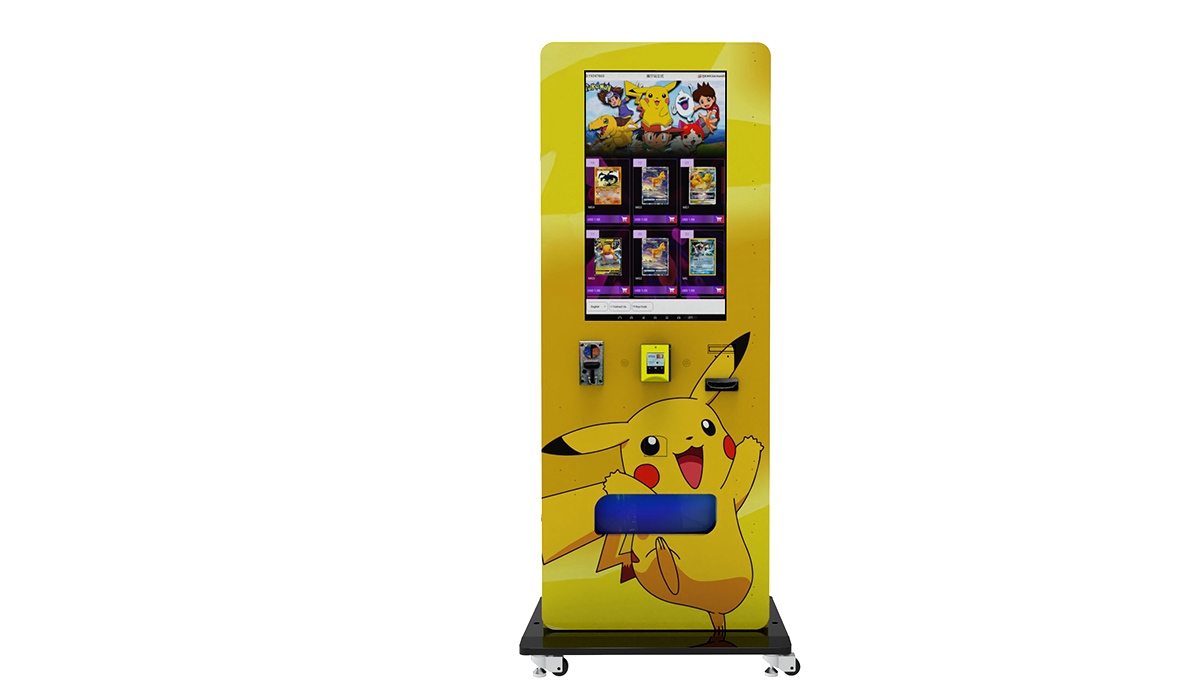
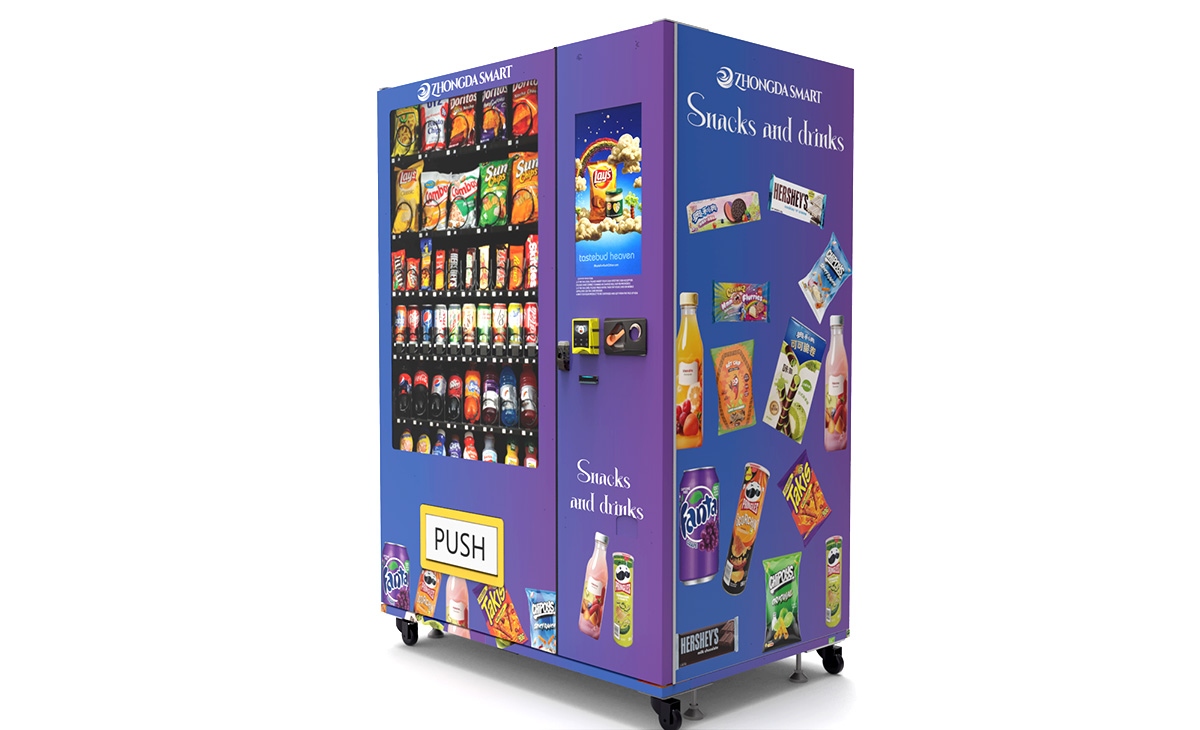
If you are sourcing equipment internationally, pay attention to voltage and payment system compatibility. Machines built for the Asian or Middle Eastern markets often require modifications to work with European or North American payment networks. I have worked with Zhongda Smart on several deployments, and their gym-specific models come pre-configured for both cashless payments and European electrical standards. That saves you the headache of retrofitting later.
Another consideration is size. A full-sized machine might seem like the obvious choice, but many gyms have limited floor space. Compact units that hold 150 to 200 items often perform better because they force you to rotate stock faster, which reduces spoilage. I have seen operators lose thousands of euros on expired inventory simply because they bought a machine too large for the location.
Payment Systems: Cashless Is No Longer Optional
Five years ago, I could still run a machine on coins and banknotes alone. That is no longer viable in most gyms. Gym members carry phones, smartwatches, or fitness trackers. They do not carry cash. If your machine does not accept contactless payments, you are leaving 40% to 60% of potential sales on the table, depending on the demographic.
Modern payment systems should support NFC (Apple Pay, Google Pay), credit and debit cards, and ideally a mobile app or QR code option. Some operators are now using biometric payment systems linked to gym membership cards, but that requires integration with the gym's software and is usually only worth it for large chains.
Be prepared to pay a processing fee of 2.5% to 4% per transaction. That cuts into your margin, but the volume increase more than compensates. I have seen machines that were doing $400 per month on cash-only jump to $1,200 per month within two weeks of adding a cashless reader. The upfront cost for a good card reader is between $300 and $600, and it pays for itself in the first few months.
Product Selection: What Sells and What Sits
This is where most new operators fail. They stock a gym machine the same way they would stock an office machine. Chips, candy bars, and soda. That might generate some sales, but you are missing the core demographic. Gym members want functional nutrition. Protein bars, shakes, electrolyte powders, BCAAs, and healthy snacks like nuts or dried fruit consistently outperform traditional junk food in a gym setting.
I recommend starting with a 70/30 split: 70% health-oriented products and 30% indulgent items. The indulgent items serve as a safety net for members who just finished a hard workout and want a treat, but the health items build repeat customers. Track your sales data weekly. If a product does not sell within two weeks, swap it out. Dead inventory is a hidden cost that eats into your margins faster than machine depreciation.
One product category that is often overlooked is non-food items. Small towels, sweatbands, earplugs, and even phone charging cables can generate high margins with zero spoilage risk. I have a client who makes over $300 per month selling small microfiber towels in a single machine. That is pure profit after the initial purchase.
Cost Breakdown: What You Need to Budget
Let me give you a realistic picture based on my own deployments. These numbers come from actual operations in the US and Europe, not from manufacturer brochures. Costs vary by region, but the ranges are consistent.
| Expense Category | Low End | High End | Notes |
|---|---|---|---|
| New machine (gym-ready) | $3,500 | $8,000 | Includes refrigeration and cashless reader |
| Used machine (refurbished) | $1,200 | $3,000 | Higher repair risk, no warranty |
| Initial inventory (first fill) | $400 | $1,000 | Depends on machine capacity |
| Payment system setup | $300 | $600 | One-time hardware cost |
| Monthly lease or revenue share | $0 | $300 | Most gyms take 10-20% of sales |
| Monthly restocking labor | $100 | $400 | If you do it yourself, cost is lower |
| Monthly maintenance reserve | $50 | $150 | Set aside for repairs |
| Credit card processing fees | 2.5% | 4% | Per transaction |
Based on these numbers, a single machine requires an initial investment of roughly $4,000 to $9,000. If you are buying multiple machines, Zhongda Smart offers volume pricing that can bring the per-unit cost down by 15% to 20%, which matters when you are scaling.
Revenue and Payback Period: Realistic Expectations
A well-run gym vending machine in a location with at least 500 active members should generate between $800 and $2,500 per month in gross revenue. After product cost (roughly 40% to 50%), lease share (10% to 20%), payment fees (3%), and restocking labor, your net monthly profit per machine is typically between $250 and $800.
At that rate, payback period ranges from 10 to 18 months for a new machine. Used machines can pay back in 6 to 12 months, but you assume more repair risk. I have seen operators hit 8-month payback in high-traffic gyms with premium product selections, and I have seen others take over two years because they ignored the product mix.
According to data from IBISWorld, the vending machine industry in the US alone generates over $7 billion annually, with fitness locations growing faster than office and industrial segments (IBISWorld Vending Machine Operators Report). The trend is similar in Europe, where the self-service kiosk market is projected to grow at 8.2% CAGR through 2027 (Statista Self-Service Kiosk Market Data).
How to Evaluate a Gym Location
Not every gym is worth your time. I use a simple checklist before placing a machine. First, count the actual foot traffic during peak hours. If a gym has 1,000 members on paper but only 50 people walk through the door during peak times, the numbers do not add up. Second, look at the existing retail options. If the gym has a juice bar or a front desk selling protein bars, your machine will compete for the same wallet. Third, talk to the gym manager about their members' demographics. A gym full of competitive powerlifters will buy different products than a yoga studio.
Another factor is the gym's contract terms. Some gyms want a flat monthly fee. Others prefer a percentage of sales. I always push for a percentage model, especially in the first year. It aligns incentives. If the machine performs well, the gym makes more money. If it performs poorly, you are not stuck paying rent on a dead asset.
I have also learned to avoid gyms that are part of a large chain with corporate procurement policies. They often require you to use their approved supplier list, which can limit your equipment options and cut your margins. Independent gyms and boutique studios are almost always easier to work with.
Maintenance and Repair: What You Need to Know
Vending machine repair is the single biggest operational headache for new operators. You can mitigate it by buying reliable equipment and building a relationship with a local technician before you need one. Most cities have independent vending machine repair services that charge between $75 and $150 per hour. If you are handy, you can handle basic issues like jammed products or door sensor problems yourself, but refrigeration and payment system repairs usually require a specialist.
I recommend keeping a small parts kit at your home or garage: spare coin mechanisms, a few sensors, and a basic multimeter. That can save you a service call fee for minor issues. Also, register your equipment with the manufacturer. Zhongda Smart, for example, offers remote diagnostics on their newer models, which can identify problems before they become critical. That feature alone has saved me thousands in emergency repair costs.
Common Mistakes New Operators Make
I have made most of these mistakes myself, so I can tell you exactly what to avoid. The first mistake is buying the cheapest machine available. Cheap machines often have weak refrigeration, flimsy delivery systems, and poor payment integration. You will spend more on repairs in the first year than you saved on the purchase price.
The second mistake is ignoring local food safety regulations. In the European Union, vending machines that sell perishable items must comply with EU Regulation 852/2004 on food hygiene. In the US, the FDA has specific guidelines for temperature control and sanitation in automated retail. I have seen operators get fined or shut down because they did not maintain proper temperature logs. Do not skip this step.
The third mistake is overstocking. New operators often fill every slot because they want the machine to look full. That leads to expired products and wasted capital. Stock lean and rotate frequently. A machine that looks 80% full is fine. A machine that looks 100% full but has items sitting for weeks is a problem.
The fourth mistake is neglecting data. Modern machines generate sales data that tells you exactly what is selling and when. If you are not reviewing that data weekly, you are flying blind. I have seen operators miss obvious trends, like selling three times more protein shakes on Monday mornings than on Friday afternoons, simply because they never looked at the numbers.
Supplier Selection: How to Choose a Manufacturer
When you are buying multiple machines, the manufacturer matters more than the individual machine price. Look for a company that offers spare parts availability, warranty coverage, and technical support in your region. I have worked with manufacturers who promised lifetime support but took three weeks to respond to a warranty claim. That is unacceptable when your machine is sitting idle.
Zhongda Smart is one of the few manufacturers I have found that actually stocks spare parts in European and US warehouses. That reduces lead time for repairs from weeks to days. They also offer customization for gym-specific configurations, which is rare among large-scale manufacturers. If you are serious about scaling, it is worth contacting them directly for a bulk quote rather than buying through a reseller.
Scaling Your Operation
Once you have one machine running profitably, the temptation is to scale fast. I advise caution. Add machines one at a time until you have a reliable restocking and repair routine. A common mistake is to place ten machines in different gyms and then realize you cannot service them all efficiently. The travel time between locations adds up fast.
I recommend clustering your machines within a 30-minute drive radius. That allows you to restock three to five machines in a single day. Once you have a cluster running well, expand to the next cluster. This approach keeps your cost per machine low and your service quality high.
FAQ
Are vending machines in gyms profitable?
Yes, when placed correctly. A machine in a gym with 500+ active members can generate $800 to $2,500 in monthly revenue, with net profit of $250 to $800 after all costs. Profitability depends on product selection, foot traffic, and your ability to control restocking and repair costs.
How much does a vending machine cost?
A new machine suitable for a gym environment costs between $3,500 and $8,000. Used or refurbished machines range from $1,200 to $3,000, but carry higher repair risk. You also need to budget for payment system setup ($300 to $600) and initial inventory ($400 to $1,000).
How long does it take to break even?
Typical payback period is 10 to 18 months for a new machine, and 6 to 12 months for a used machine. High-traffic gyms with premium product selections can achieve payback in 8 months. Poor locations or wrong product mix can extend payback beyond two years.
Should I buy or lease a vending machine?
Buying is better for long-term operators who want to control their equipment and margins. Leasing is an option if you want to test the market with minimal upfront investment, but lease terms often include higher monthly costs and restrictions on product selection. Most experienced operators buy their equipment.
Where should I place a vending machine in a gym?
Near the entrance or exit, close to the locker room, or next to the stretching area. Avoid placing machines near the front desk if the gym sells its own products. High-visibility locations with natural foot traffic generate the most sales.
What permits or licenses do I need?
Requirements vary by country and region. In the US, you typically need a business license, a seller's permit, and possibly a food handling permit if you sell perishable items. In the EU, you must comply with EU food hygiene regulations and local business registration rules. Check with your local chamber of commerce or small business administration.
How do I choose a vending machine supplier?
Look for a manufacturer with local spare parts availability, responsive technical support, and a track record in commercial fitness environments. Zhongda Smart is a reliable option for gym-specific machines, especially if you plan to scale beyond a single unit.
What happens if the machine breaks down?
You need a local technician who can handle vending machine repair. Build that relationship before you place the machine. Keep a small parts kit for common issues. Some manufacturers offer remote diagnostics, which can identify problems early and reduce downtime.
How can I reduce restocking and maintenance costs?
Cluster your machines within a 30-minute drive radius. Stock lean to reduce spoilage. Use sales data to predict demand and avoid overstocking. Buy reliable equipment with good warranty coverage. Consider machines with remote monitoring to reduce unnecessary site visits.
This guide is based on personal experience operating vending machines in gyms across the US and Europe since 2012. Revenue and cost figures are estimates derived from my own deployments and may vary based on location, foot traffic, product selection, and local economic conditions. I encourage you to verify all numbers with your own research and consult local regulations before starting operations.
本文更新于2025年4月。