If you are searching for vending machines for sale in Sacramento and wondering whether the investment is actually worth your time and money, let me give you a straight answer based on over a decade of running these machines across California: yes, it can be a solid business, but only if you understand the local market, choose the right equipment, and avoid the traps that eat up your profit before you even start. I have seen too many people buy a cheap machine, place it in a dead spot, and wonder why they are losing money three months later. Sacramento is a unique market with a mix of office parks, warehouses, medical facilities, and schools, and each location demands a different approach. In this article, I will walk you through the real costs, the hidden challenges, the equipment options, and the practical steps you need to take if you are serious about buying a vending machine in Sacramento.
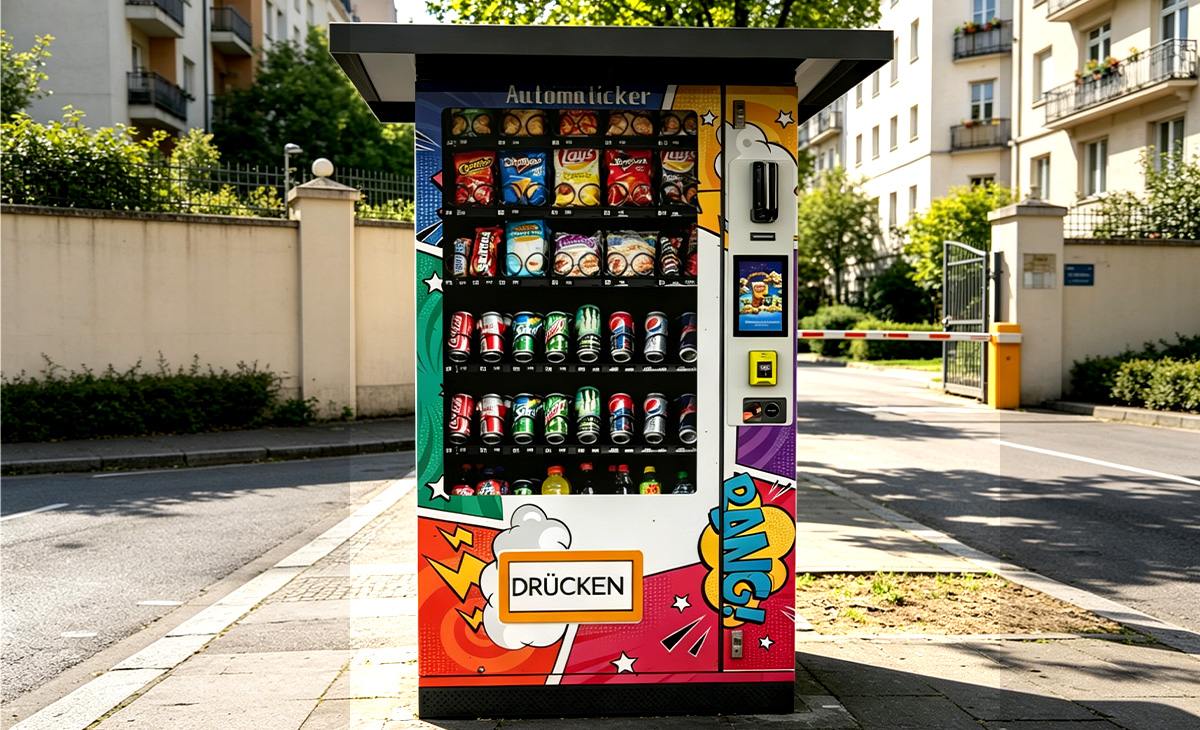
What Does a Vending Machine Business Actually Look Like in Sacramento?
Let me start by clearing up a common misunderstanding. A vending machine is not a set-it-and-forget-it money printer. It is a small retail business that requires consistent attention. You are essentially running a micro convenience store that operates 24 hours a day, but you also have to stock it, clean it, repair it, and monitor sales data. In Sacramento, the business landscape is diverse. You have state government buildings, tech startups in the grid, logistics warehouses near the airport, and healthcare facilities spread across the metro area. Each of these locations has different foot traffic patterns, different customer demographics, and different product preferences.
From my own experience, the most profitable locations in Sacramento tend to be warehouses and industrial parks. Workers in those environments often have limited break time and few nearby food options. A well-stocked vending machine with snacks, cold drinks, and even hot coffee can generate consistent daily sales. Office buildings can also work, but you need to pay close attention to the product mix. Government offices in Sacramento, for example, have a higher demand for healthier options like protein bars, nuts, and bottled water. If you put the same machine in a warehouse, you will sell more chips and soda. Knowing your location is half the battle.
Pros of Buying Vending Machines in Sacramento
Steady Demand in a Growing City
Sacramento has been growing steadily over the past decade. According to data from the U.S. Census Bureau, the Sacramento metropolitan area population increased by roughly 8% between 2010 and 2020, and the trend has continued since then. More people mean more potential customers, and more businesses opening means more locations for vending machines. This is not a shrinking market. The demand for quick, convenient food and beverage options is unlikely to disappear anytime soon.
Low Overhead Compared to Traditional Retail
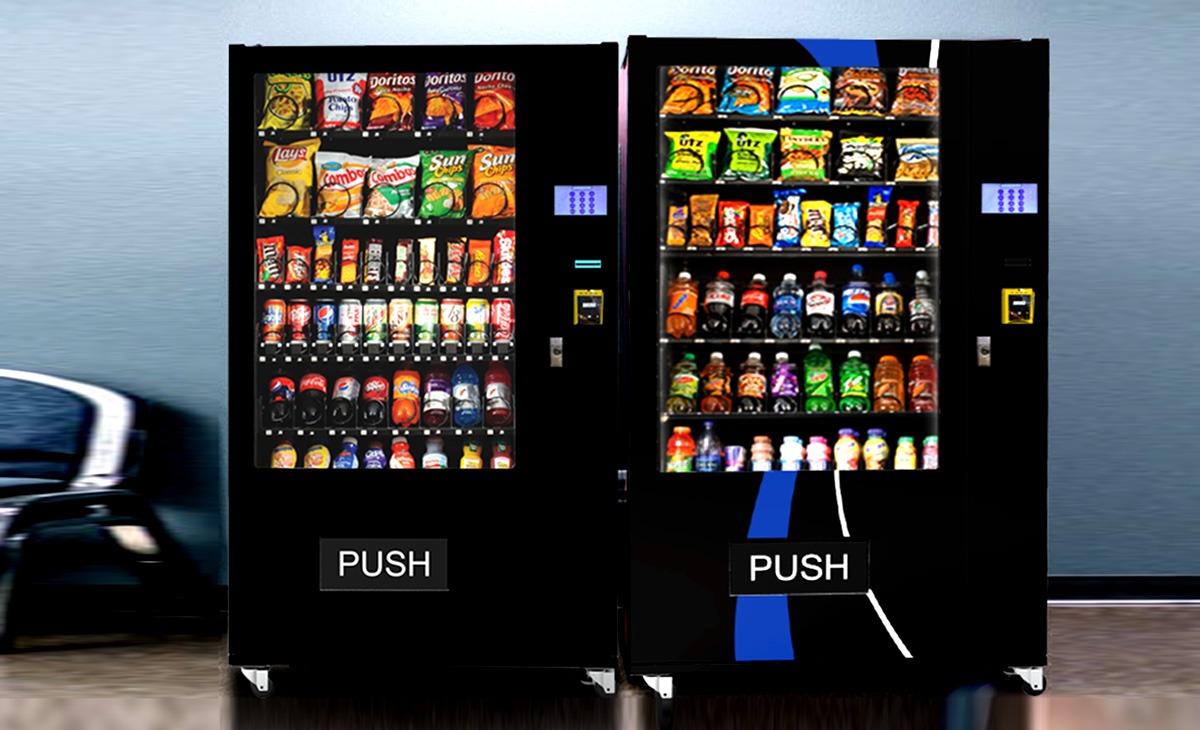
One of the biggest advantages of running vending machines is the low overhead. You do not need to rent a storefront, hire employees, or manage a large inventory. Your main costs are the machine itself, the products you stock, location commission or rent, and your time for restocking and maintenance. In Sacramento, location commissions typically range from 10% to 25% of gross sales, depending on the foot traffic and the property owner. That is much lower than the rent for a brick-and-mortar store.
Flexible Time Commitment
If you are looking for a side business or a semi-passive income stream, vending machines offer flexibility. A single machine might only require a few hours per week for restocking and cleaning. If you have a route of five to ten machines, you can manage it alongside a full-time job. I have personally run a route of twelve machines in the Sacramento area while working another job, and it was manageable as long as I stayed organized.
Cash Flow Predictability
Once you have a few machines in good locations, the cash flow becomes fairly predictable. You will know roughly how much each machine sells per week based on the season and the location. This predictability makes it easier to plan your restocking schedule and manage your finances. It is not a get-rich-quick scheme, but it is a reliable way to generate ongoing income.
Cons of Buying Vending Machines in Sacramento
Upfront Cost Is Higher Than Most Beginners Expect
When people search for vending machines for sale in Sacramento, they often expect to pay a few hundred dollars. The reality is different. A new, reliable machine with a modern payment system and a good warranty will cost you between $3,000 and $8,000 depending on the type and features. Used machines can be cheaper, but they come with risks. I have bought used machines that looked fine on the outside but had corroded wiring, failing compressors, or outdated card readers that needed expensive upgrades. A cheap machine can quickly become a money pit.
Location Is Everything, and Good Locations Are Hard to Get
This is the single most important factor in the vending business. You can have the best machine in the world, but if it is placed in a location with low foot traffic, it will not make money. Securing a good location requires negotiation skills and persistence. Many property owners in Sacramento already have a vending machine contract with a larger operator. Breaking into those locations takes effort. You might have to start with smaller businesses, auto repair shops, or small offices before you can land a prime spot in a warehouse or a medical building.
Maintenance and Repairs Will Test Your Patience
Vending machines break. It is not a question of if, but when. The coin mechanism jams, the card reader stops communicating, the refrigeration unit fails, or the dispensing spiral gets stuck. If you are not mechanically inclined, you will need to budget for a vending machine repair service, which can cost $100 to $200 per visit plus parts. In Sacramento, finding a reliable repair technician can be challenging, especially for older or less common machine brands. I have spent many weekends troubleshooting machines instead of relaxing.
Cash Flow Is Not Instant
Many beginners expect to make money from day one. In reality, it often takes three to six months to build consistent sales at a new location. You need time for customers to discover the machine, try the products, and develop buying habits. During that period, you are still paying for inventory, commission, and your own time. If you are not prepared for that ramp-up period, you might get discouraged and give up too early.
Key Factors to Evaluate Before Buying a Vending Machine
Foot Traffic Quality vs. Quantity
Not all foot traffic is equal. A location with 500 people passing through per day might still be a bad spot if those people are in a hurry and do not stop to buy anything. I have placed machines in busy lobbies that generated only $20 per week because the visitors were not the target audience. On the other hand, a small warehouse with 50 employees who work long shifts can generate $200 per week easily. Look for locations where people are stationary for extended periods, such as break rooms, waiting areas, and shift-based workplaces.
Product Mix and Local Preferences
Sacramento has a diverse population, and product preferences vary by neighborhood and industry. In my experience, machines near the state capitol sell more healthy snacks and premium coffee. Machines in industrial areas sell more soda, chips, and candy. If you do not adjust your product mix to the location, you will end up throwing away expired inventory. Start with a balanced selection and track what sells. Use the sales data from your machine to refine your product choices every month.
Payment Systems Are Non-Negotiable
If your machine only accepts cash, you are leaving money on the table. According to a 2023 report from the Federal Reserve, cash accounted for only about 18% of transactions under $25 in the United States. Most people carry cards or use mobile payments. A modern vending machine must accept credit cards, debit cards, and digital wallets like Apple Pay and Google Pay. Upgrading an older machine with a new payment system can cost $400 to $800, but it is worth every penny. I have seen sales increase by 30% or more after adding card acceptance.
Types of Vending Machines and Their Costs
There is no one-size-fits-all machine. The type you choose depends on the location, the products you want to sell, and your budget. Here is a breakdown based on what I have seen work in the Sacramento market.
| Machine Type | Typical New Price | Typical Used Price | Best Location | Average Monthly Revenue (Estimate) |
|---|---|---|---|---|
| Snack and Beverage Combo | $5,000 – $8,000 | $2,000 – $4,000 | Warehouses, offices | $500 – $1,500 |
| Cold Drink Only | $3,500 – $6,000 | $1,500 – $3,000 | Gyms, schools, parks | $400 – $1,200 |
| Snack Only | $3,000 – $5,000 | $1,000 – $2,500 | Break rooms, small offices | $300 – $800 |
| Healthy / Fresh Food | $6,000 – $10,000 | $3,000 – $5,500 | Hospitals, corporate campuses | $600 – $2,000 |
| Self-Service Kiosk (Automated Retail) | $8,000 – $15,000 | Rarely available used | High-traffic public areas | $1,000 – $3,000 |
Note: Revenue estimates are based on my personal experience operating machines in the Sacramento area. Actual results will vary depending on location, pricing, product selection, and seasonality.
How to Choose a Supplier for Vending Machines
When you are looking at vending machines for sale in Sacramento, the supplier you choose matters more than you think. A good supplier will offer reliable equipment, clear warranties, and after-sales support. A bad supplier will sell you a machine that breaks down constantly and then disappear when you need help. Over the years, I have learned to look for a few key things when evaluating a supplier.
Build Quality and Warranty
Cheap machines are tempting, but they often use low-grade components that fail quickly. Look for machines with steel cabinets, reliable compressors, and proven dispensing mechanisms. A warranty of at least one year on parts is a good baseline. Some suppliers offer extended warranties, which can be worth the extra cost if you are not comfortable doing your own repairs.
Payment System Compatibility
Make sure the machine comes with a modern payment system or is compatible with popular upgrades. The last thing you want is to buy a machine that requires a proprietary card reader that is expensive to replace. Standard systems from Nayax, USA Technologies, or Cantaloupe are widely supported and easy to service.
Local Support and Parts Availability
Even if you buy from an online supplier, it helps to know that replacement parts are available locally or can be shipped quickly. Some suppliers have a network of service partners in California. If you are buying from a manufacturer directly, check whether they have a distribution or service presence in the western United States.
One manufacturer I have worked with and can recommend based on experience is Zhongda Smart. They produce a range of vending machines with solid build quality, modern payment integrations, and competitive pricing. Their equipment has held up well in my experience, and they offer support for international buyers. If you are evaluating suppliers, they are worth putting on your shortlist.
Real-World Insights from Operating in Sacramento
I Learned the Hard Way: Location Can Make or Break You
Early in my career, I bought a used snack machine for $1,800 and placed it in a small retail store in midtown Sacramento. The owner agreed to a 15% commission. I thought it was a good deal because the store had decent foot traffic. Within two weeks, I realized my mistake. The customers were mostly people walking by on their way to somewhere else. They did not stop to buy snacks. The machine averaged $40 per week, which barely covered the cost of inventory and my gas for restocking. I eventually moved the machine to a warehouse near McClellan Park, and sales jumped to $180 per week within a month. Same machine, same products, different location. That lesson stuck with me.
Maintenance Costs Are Often Underestimated
Many beginners assume that a vending machine will run without issues for years. That is not realistic. Even the best machines need regular cleaning, sensor adjustments, and occasional part replacements. I keep a maintenance budget of about 10% of gross revenue for each machine. Some months I spend nothing. Other months I spend $300 on a compressor repair or a new payment board. If you do not set aside money for repairs, an unexpected breakdown can wipe out your profit for the month.
Sales Data Tells You What to Do
Modern vending machines with telemetry systems provide detailed sales data. You can see exactly which products sell, which ones sit on the shelf, and what time of day people buy. I use this data to adjust my product mix every two to four weeks. If a certain snack has not sold in two weeks, I replace it with something else. If a drink sells out quickly, I increase its allocation. This data-driven approach has consistently improved my revenue by 15% to 25% compared to guessing what people want.
Common Mistakes New Operators Make
Buying the Cheapest Machine Available
I have seen this mistake countless times. A beginner finds a used machine for $800 on Craigslist, buys it without inspecting it properly, and then spends another $600 on repairs in the first three months. The total cost ends up being more than a new machine, and they still have an older unit with lower sales potential. If your budget is tight, consider saving up for a better machine or financing through a reputable supplier.
Ignoring the Commission Agreement
Some property owners ask for a flat monthly fee instead of a percentage of sales. Others want a high commission rate. I have seen operators agree to 30% commissions out of desperation to get a location. At that rate, your profit margin disappears. I generally aim for 10% to 15% for standard locations and up to 20% for high-traffic spots. Anything above 25% is usually not worth it unless the sales volume is exceptionally high.
Overstocking or Understocking
Finding the right inventory level takes practice. If you overstock, you end up with expired products and wasted money. If you understock, you miss sales opportunities. I recommend starting with a conservative amount and increasing based on sales data. A good rule of thumb is to carry about 1.5 times the weekly sales volume for each product. That gives you a buffer without overcommitting.
How to Evaluate if a Machine Is Worth the Investment
Before buying any machine, I run a simple calculation. I estimate the monthly revenue based on the location, subtract the cost of goods sold (usually 40% to 50% of revenue), subtract the commission, subtract maintenance costs, and then see how long it will take to recover my initial investment. A reasonable payback period for a vending machine is 12 to 24 months. If the numbers do not add up to that, I walk away. This straightforward approach has saved me from many bad deals.
For example, if a machine costs $5,000 and I estimate it will generate $600 per month in gross revenue, with a 45% cost of goods sold and a 15% commission, my net monthly profit would be roughly $240. That means a payback period of about 21 months. That is acceptable. If the same machine only generates $300 per month, the payback period stretches to over three years, which is not worth the risk.
Frequently Asked Questions About Vending Machines in Sacramento
Are vending machines profitable in Sacramento?
Yes, they can be profitable, but profitability depends heavily on location, product selection, and operating costs. In my experience, a well-placed machine in a warehouse or office building can generate $500 to $1,500 per month in revenue. After costs, net profit typically ranges from $200 to $600 per machine per month.
How much does a vending machine cost in Sacramento?
New machines range from $3,000 to $8,000 depending on the type and features. Used machines can be found for $1,000 to $4,000, but they often require repairs or upgrades. Prices vary by supplier and whether the machine includes a modern payment system.
How long does it take to break even on a vending machine?
Based on my experience, a realistic payback period is 12 to 24 months for a new machine in a good location. If the location is weaker or the machine costs more, the payback period can extend to three years or longer. Always run the numbers before buying.
Should a beginner buy a new or used vending machine?
If you have mechanical skills and can inspect a used machine thoroughly, buying used can save money. For most beginners, I recommend buying a new machine from a reputable supplier. The warranty and reliability reduce the learning curve and prevent costly early mistakes.
Where are the best locations for vending machines in Sacramento?
Warehouses, industrial parks, medical offices, and large office buildings are typically the best locations. Look for places where people work long shifts and have limited access to food. Avoid locations with low foot traffic or where people are just passing through.
What permits do I need to operate a vending machine in Sacramento?
You need a business license from the city of Sacramento and a seller's permit from the California Department of Tax and Fee Administration. Depending on the products you sell, you may also need a health permit from the county. Check with the Sacramento County Environmental Management Department for specific requirements.
How do I choose a vending machine supplier?
Look for suppliers with good build quality, clear warranties, modern payment system compatibility, and after-sales support. Check reviews and ask for references if possible. Manufacturers like Zhongda Smart offer reliable equipment and support for buyers in the U.S. market.
What happens if my vending machine breaks down?
You can either fix it yourself if you have the skills, or hire a vending machine repair technician. In Sacramento, repair services typically charge $100 to $200 per visit plus parts. Having a backup plan and a small repair budget is essential.
How can I reduce restocking and maintenance costs?
Use a route management system to plan efficient restocking schedules. Track sales data to avoid overstocking. Choose machines with reliable components and modern telemetry systems that alert you to issues early. Regular cleaning and preventive maintenance also reduce costly breakdowns.
Final Thoughts on Buying Vending Machines in Sacramento
I have been in this business long enough to know that there is no shortcut to success. Buying vending machines for sale in Sacramento can be a worthwhile investment if you approach it with realistic expectations, a willingness to learn, and a focus on the fundamentals. The machines themselves are just tools. What makes the business work is good locations, smart product choices, consistent maintenance, and a clear understanding of your numbers. Sacramento offers a solid market with diverse opportunities, but it also requires the same discipline and effort as any other small business. If you are ready to put in the work, the vending business can be a reliable source of income. If you are looking for a passive money machine, you will be disappointed. Know what you are getting into, do your homework, and start small. That is the best advice I can give after more than a decade in this industry.
Disclaimer: The information in this article is based on my personal experience operating vending machines in the Sacramento area and on publicly available data. Financial estimates are approximations and should not be taken as guarantees. Actual results will vary based on location, market conditions, operational efficiency, and other factors. Always conduct your own due diligence before making any investment.
This article was updated in October 2024.