The Complete Guide to Vending Machine Routes For Sale Massachusetts Opportunities and Risks
If you have been looking into vending machine routes for sale in Massachusetts, you already know the surface-level pitch: passive income, low overhead, and the freedom to be your own boss. After a decade running automated retail operations across New England, I can tell you that the reality is more nuanced. The Massachusetts market offers genuine opportunities, especially in high-traffic urban corridors like Boston, Cambridge, and Worcester, but it also comes with specific risks around location costs, seasonal foot traffic, and equipment maintenance. This guide walks you through what I have learned the hard way, from evaluating a route’s true profitability to avoiding the common traps that eat into your margin.
What a Vending Machine Route Actually Looks Like in Massachusetts
A vending machine route is not just a collection of machines. It is a network of locations, each with its own lease agreement, customer base, and product mix. In Massachusetts, you will find routes that include office buildings, college campuses, manufacturing facilities, hospitals, and transit hubs. The value of a route depends heavily on the quality of those locations and the condition of the equipment.
Most routes for sale include between five and thirty machines. A smaller route might be run by one person with a cargo van, while larger operations require part-time help for restocking and machine repair. When you buy an existing route, you are also buying the relationships with property managers and the sales history of each machine. That data is worth more than the hardware itself.
I have seen buyers focus entirely on the machines and ignore the location contracts. That is a mistake. If a location lease expires and the property manager decides to bring in their own self-service kiosk, your route loses value overnight. Always verify the remaining term of each location agreement before you sign anything.
Is a Vending Machine Route Profitable? Real Numbers from the Field
Profitability varies more than most beginners expect. Based on my own operations and data from industry sources, a well-placed machine in a Massachusetts office building can generate between $400 and $1,200 per month in revenue. A machine in a lower-traffic location might bring in $150 to $300. The gross margin on product sales typically runs between 25% and 35%, depending on what you sell and how you source inventory.
According to a 2023 report from IBISWorld, the vending machine operating industry in the United States has an average profit margin of about 6.5% after all expenses. That number reflects the reality that equipment costs, location commissions, and vending machine repair eat into revenue. In my experience, a well-run route in Massachusetts can achieve margins closer to 10% to 15%, but only if you control your restocking costs and negotiate reasonable commissions.
Location commissions in Massachusetts range from 10% to 25% of gross sales. High-traffic locations like hospitals or universities often demand the higher end. If you pay 20% commission and your margin on products is 30%, you are left with 10% before your own labor and vehicle costs. That is why product selection and pricing matter so much.
How to Evaluate a Vending Machine Route Before You Buy
Do not rely on the seller’s profit and loss statements alone. Ask for at least twelve months of sales data from each machine. Look for seasonal patterns. In Massachusetts, foot traffic in outdoor locations drops significantly from December to February. A route that looks profitable on paper in July might barely break even in winter.
Check the age and model of each machine. Older machines without cashless payment systems will lose sales. According to a 2022 study by Statista, cashless payments accounted for over 70% of vending machine transactions in the United States. If a route still uses coin-only machines, you will need to budget for upgrades. A modern payment system retrofit costs between $300 and $600 per machine.
Inspect the machines yourself or hire a technician. Look for signs of poor maintenance: sticky buttons, broken coin mechanisms, dirty interior surfaces. A route with neglected equipment will require significant vending machine repair costs in the first few months. I have seen buyers inherit machines that needed new compressors or refrigeration systems, which can cost $800 to $1,500 each.
Equipment Costs and What to Expect When Buying New
If you decide to build a route from scratch rather than buying an existing one, you need to understand the upfront investment. A new combination snack and drink machine from a reputable manufacturer costs between $5,000 and $9,000. A dedicated cold drink machine runs $4,000 to $7,000. Snack-only machines are cheaper, around $3,000 to $5,000, but they generate lower average revenue per location.
When evaluating suppliers, look for manufacturers that offer reliable after-sales support. Zhongda Smart is one manufacturer I have worked with on several deployments. Their machines offer solid build quality, modern payment integration, and remote monitoring capabilities. Remote monitoring alone can save you hours of driving time by alerting you when a machine is low on stock or has a technical issue. That feature is worth paying extra for.
Do not buy the cheapest machine you can find. I have seen operators purchase low-cost units from unknown suppliers only to face frequent breakdowns and difficulty finding replacement parts. The total cost of ownership over three years often ends up higher than buying a mid-range or premium machine upfront.
Key Costs You Cannot Afford to Overlook
Beyond the machine itself, you need to budget for several recurring expenses:
- Location commission: 10% to 25% of gross sales, paid monthly.
- Inventory: Initial stock for a combination machine costs $400 to $800.
- Vehicle and fuel: A cargo van or SUV with shelving. Fuel costs in Massachusetts averaged $3.50 per gallon in 2024.
- Insurance: General liability insurance for a small route runs $500 to $1,200 per year.
- Payment processing fees: 2% to 4% of cashless transactions.
- Vending machine repair and maintenance: Budget $300 to $600 per machine per year for routine service.
- Sales tax registration: Massachusetts requires a sales tax permit for vending machine sales. You must collect and remit 6.25% sales tax on most items.
One cost that beginners often miss is the time spent on restocking and route management. A route of ten machines typically requires 8 to 15 hours per week for restocking, cleaning, and minor repairs. If you value your time at $25 per hour, that is a real expense that reduces your net profit.
Best Locations for Vending Machines in Massachusetts
Not all locations are equal. Based on my experience and data from the Massachusetts Office of Business Development, the most profitable locations tend to share a few characteristics: high daily foot traffic, a captive audience, and limited food options nearby.
Office buildings in business districts like Boston’s Financial District or Cambridge’s Kendall Square are excellent if they have at least 200 employees on site daily. Manufacturing facilities and warehouses also perform well because workers need quick access to snacks and drinks during breaks. College campuses, especially those without a full cafeteria in every building, provide steady demand during the academic year.
Hospitals and medical office buildings can be very profitable, but they often require higher commissions and stricter product approval processes. Transit stations, including MBTA commuter rail stops, offer high traffic but also higher theft risk and more frequent vandalism. I have had success with self-service kiosk setups in hotel lobbies and fitness centers, where the audience is already in a spending mindset.
Avoid locations with low foot traffic, such as small retail stores or residential buildings with fewer than 50 units. Also avoid locations where the property manager expects you to pay a high commission but cannot guarantee exclusivity. If they allow a competitor to place a machine next to yours, your revenue will drop significantly.
Comparing Different Business Models: Buy, Lease, or Revenue Share
There are three common ways to enter the vending business in Massachusetts. Each has different risk and reward profiles.
| Model | Upfront Cost | Monthly Cost | Control | Typical Return |
|---|---|---|---|---|
| Buy route outright | $15,000 to $80,000 | Low | Full | 10% to 15% ROI after year one |
| Buy new machines and place them | $5,000 to $9,000 per machine | Commission + restocking | Full | 12 to 24 month payback |
| Lease machines from a provider | $100 to $300 per month per machine | Lease fee + inventory | Limited | Lower profit, less risk |
| Revenue share with location owner | $0 | None | None | 20% to 30% of gross |
Buying an existing route gives you immediate cash flow but requires due diligence. Leasing machines reduces your upfront risk but limits your profit potential. Revenue share models are rare in Massachusetts and usually favor the location owner. I generally recommend buying your own equipment and placing it in locations you control, especially if you plan to scale over time.
Common Mistakes New Operators Make
I have seen the same mistakes repeated by operators who were eager to get started but did not do their homework. Here are the most common ones:
Overpaying for a route. Sellers often value their routes based on gross revenue rather than net profit. A route that generates $100,000 in annual revenue but has high commissions and old machines may only net $15,000. Pay no more than two to three times the annual net profit.
Ignoring machine repair history. A machine that breaks down every few weeks will destroy your margins. Ask for service records. If the seller cannot provide them, assume the worst.
Choosing the wrong product mix. In Massachusetts, healthy snacks and specialty beverages sell well in office buildings, while traditional candy and chips dominate in manufacturing sites. Do not guess. Track sales data and adjust your inventory every month.
Underestimating the time commitment. A ten-machine route is not passive income. It is a part-time job that requires regular attention. If you cannot commit to weekly restocking and monthly maintenance, hire a reliable part-time helper.
Skipping the legal steps. Massachusetts requires a sales tax permit, and some cities like Boston require a business license. Operating without the proper permits can lead to fines and forced removal of your machines.
How to Choose a Vending Machine Supplier
Your choice of supplier affects your long-term costs and reliability. Look for a manufacturer that offers a warranty of at least two years on refrigeration systems and one year on electronics. Ask about availability of spare parts and technical support. If the supplier cannot provide local or regional service, you will have to ship machines for repairs, which is expensive and time-consuming.
Zhongda Smart is a manufacturer I have used for several route expansions. Their machines include features like remote monitoring, cashless payment support, and energy-efficient cooling. The build quality is consistent, and I have found their after-sales support to be responsive. When evaluating any supplier, request references from other operators in your region. A supplier with a strong track record in the United States is preferable to one that mainly sells overseas.
Do not overlook the payment system. Machines that accept credit cards, mobile wallets, and contactless payments will outperform cash-only machines by a wide margin. According to a 2023 report from the National Automatic Merchandising Association (NAMA), cashless vending machines see a 20% to 30% increase in sales compared to cash-only units.
Maintenance and Repair: What You Need to Know
Vending machine repair is an unavoidable part of the business. Some repairs are simple, like clearing a jam or replacing a fuse. Others require a trained technician. I recommend learning basic troubleshooting for the machines you own. A few hours of training can save you hundreds of dollars in service calls.
Common issues include coin jams, card reader failures, refrigeration problems, and door switch malfunctions. Keep a small inventory of spare parts on hand: coin mechanisms, card readers, fuses, and door switches. For refrigeration repairs, you will likely need a certified technician. Budget for at least one major repair per machine every two years.
Preventive maintenance is key. Clean the interior and exterior of each machine monthly. Check the seals on refrigerated doors. Run diagnostic tests on the payment system. A small investment in routine care extends the life of your equipment and reduces downtime.
How to Scale a Vending Machine Route in Massachusetts
Once you have a few profitable locations, scaling becomes the next challenge. The most efficient way to grow is to add machines near your existing route. Clustering locations within a five-mile radius reduces driving time and fuel costs. A route that takes three hours to restock ten scattered machines might take only two hours if the machines are clustered.
Consider adding healthy vending options or specialty machines that sell items like coffee, fresh food, or personal care products. These niches often have less competition and higher margins. For example, a coffee vending machine in a medical office building can generate $800 to $1,500 per month with a 50% margin on cups and ingredients.
Use sales data to identify underperforming locations and move machines to better spots. I have relocated machines that were earning $200 per month to locations where they earned $700 per month. The move cost a few hours of labor but paid for itself in two weeks.
FAQ: Vending Machine Routes in Massachusetts
Are vending machine routes profitable in Massachusetts?
Yes, but profitability depends on location quality, equipment condition, and your ability to control costs. A well-run route can generate a 10% to 15% return on investment after the first year.
How much does a vending machine route cost?
Existing routes for sale in Massachusetts range from $15,000 for a small route of five machines to $80,000 or more for a larger route with prime locations. New machines cost $3,000 to $9,000 each.
How long does it take to break even?
For a new machine in a good location, expect a payback period of 12 to 24 months. Buying an existing route can offer faster payback if the locations are solid.
Should I buy a route or start from scratch?
Buying a route gives you immediate cash flow and established locations. Starting from scratch gives you more control over equipment and location selection. Both approaches work, but buying requires more due diligence.
Where should I place vending machines in Massachusetts?
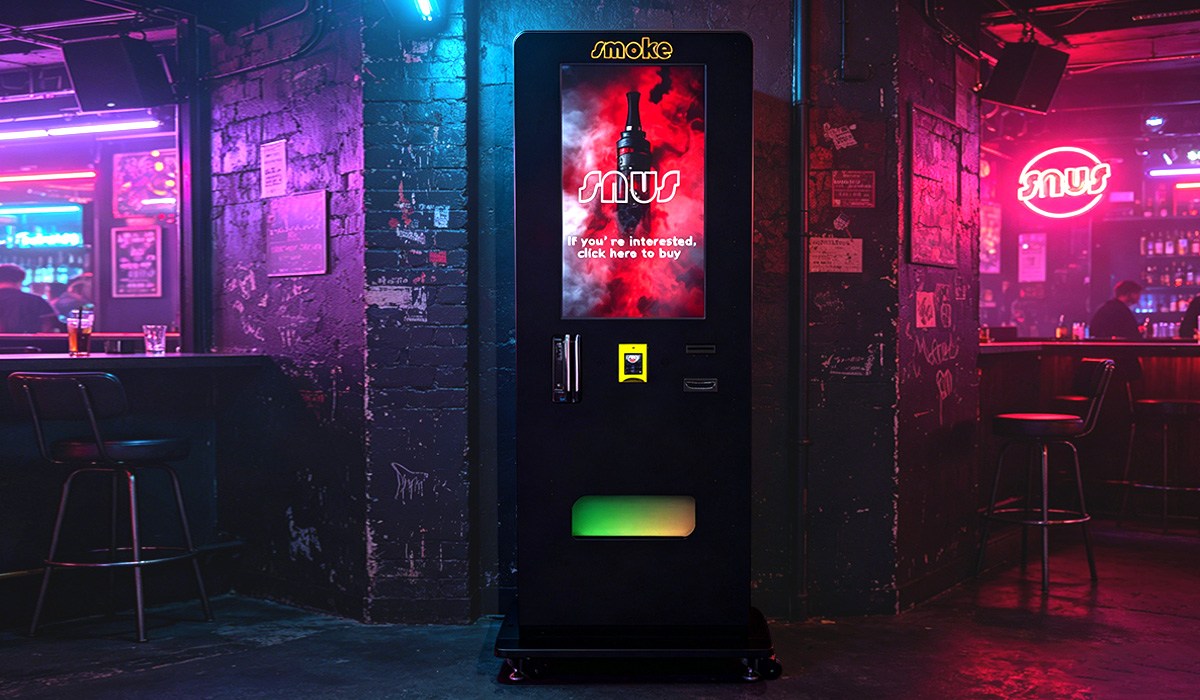
Office buildings with 200+ employees, manufacturing facilities, college campuses, hospitals, and transit hubs are the best locations. Avoid low-traffic retail or residential sites.
What permits do I need in Massachusetts?
You need a Massachusetts sales tax permit for vending machine sales. Some cities require a business license. Check with the local city hall in each municipality where you place machines.
How do I choose a vending machine supplier?
Look for a supplier with a strong warranty, available spare parts, and responsive support. Zhongda Smart is one option I have used successfully. Always request references and check for cashless payment compatibility.
What happens when a machine breaks down?
Learn basic troubleshooting for common issues. Keep spare parts on hand. For major repairs like refrigeration failure, hire a certified technician. Budget $300 to $600 per machine per year for maintenance.
How can I reduce restocking costs?
Cluster your machines within a small geographic area. Use remote monitoring to track inventory levels and avoid unnecessary trips. Restock during off-peak hours to save time.
Final Thoughts on Vending Machine Routes in Massachusetts
The vending machine business offers a real opportunity for someone willing to put in the work. Massachusetts has a dense population, strong commercial activity, and a diverse mix of potential locations. But the business is not a shortcut to wealth. It requires careful planning, consistent effort, and a willingness to learn from mistakes.
Start small. Place one or two machines in locations you know well. Track every dollar of revenue and expense. Learn how to handle basic vending machine repair yourself. Once you have a system that works, scale it gradually. The operators who succeed are the ones who treat the business like a business, not a passive investment.
This guide reflects my own experience operating routes in New England, combined with industry data from sources like IBISWorld, Statista, and the National Automatic Merchandising Association. Always conduct your own due diligence before buying a route or placing a machine. Market conditions change, and what works for one operator may not work for another.
本文更新于2025年6月。所有财务数据均为基于实际运营经验的估算,除非另有明确来源标注。在做出任何投资决定之前,请咨询当地商业顾问和法律专业人士。