The Complete Guide to Cold Vending Machine For Sale Opportunities and Risks
If you are looking into a cold vending machine for sale, you are likely trying to figure out whether this business actually makes money or if it is just another expensive hobby that collects dust. After a decade in the automated retail space across the US and Europe, I can tell you the answer is not a simple yes or no. The profitability of a cold vending machine depends entirely on three things: the machine itself, where you put it, and what you put inside it. I have seen operators pull in over $2,000 a month from a single unit in a warehouse break room, and I have seen brand new machines sit idle in a lobby because nobody checked the foot traffic first. This guide covers the real opportunities and the hidden risks of buying a cold vending machine, based on actual field experience, not manufacturer brochures.
What Exactly Is a Cold Vending Machine?
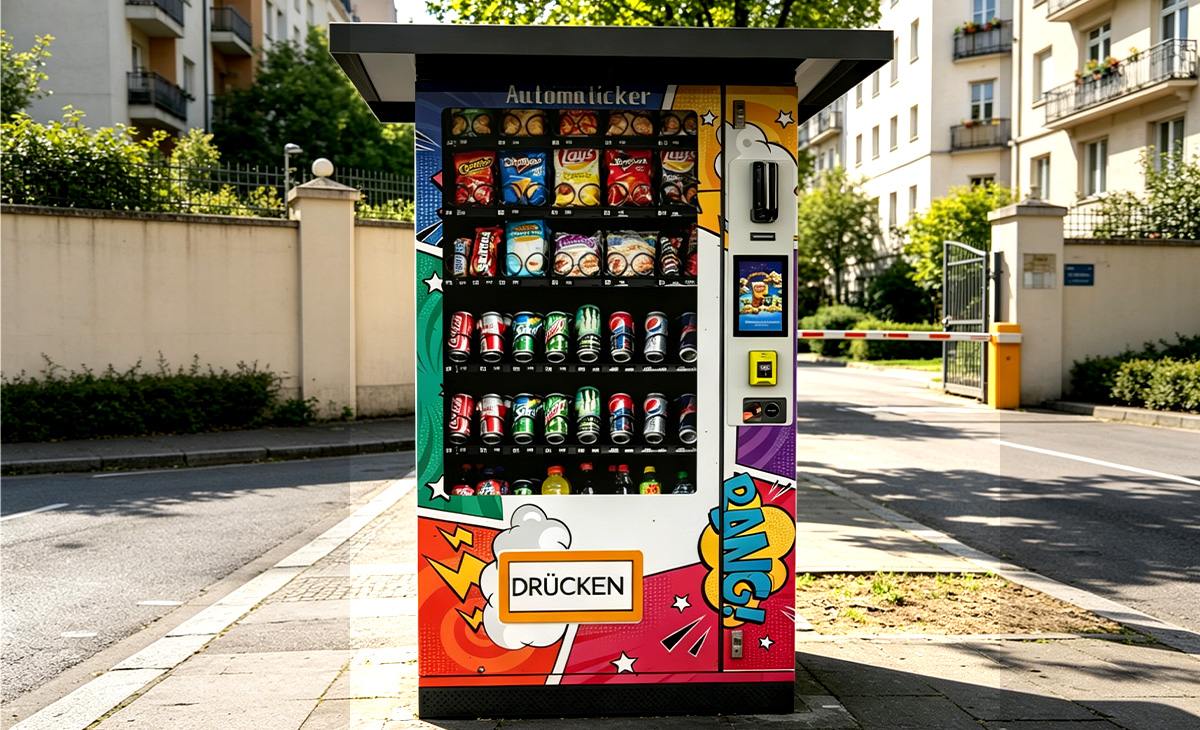
A cold vending machine is a self-service kiosk designed to store and dispense refrigerated products. Unlike a standard snack machine that can hold shelf-stable items at room temperature, a cold machine maintains a consistent internal temperature, usually between 33°F and 41°F (1°C to 5°C). This makes it suitable for items like bottled water, soft drinks, energy drinks, fresh sandwiches, salads, yogurt, fruit cups, and even pre-packaged meals.
In the European market, these machines are often referred to as distributeur automatique for cold products, while in North America they are simply called cold drink machines or combo units. The technology has evolved significantly over the past five years. Modern units come with touchscreens, cashless payment systems, telemetry software for remote monitoring, and energy-efficient compressors that reduce electricity consumption by up to 30% compared to older models.
One thing I learned early on is that not all cold vending machines are built the same. A cheap unit from an unknown supplier might save you $1,000 upfront, but it will cost you twice that in repair bills and spoiled inventory within the first year. When evaluating a cold vending machine for sale, you need to look at the compressor brand, the insulation quality, and the control board reliability. These are the components that will determine whether your machine runs smoothly for five years or breaks down every three months.
Why Cold Vending Machines Are a Different Game Than Snack Machines
Many newcomers assume that running a cold vending machine is the same as running a snack machine, just with a cooler inside. That is a dangerous assumption. Cold vending machines have higher operational complexity because they deal with perishable goods. If a snack bag of chips sits in a machine for two months, it is still sellable. If a yogurt cup sits in a warm machine for four hours, it becomes a health hazard and a liability.
Temperature control is non-negotiable. In the US, the FDA requires that refrigerated vending machines maintain a temperature of 41°F or below for food safety. In the EU, similar regulations apply under the EU Food Hygiene Regulation (EC) 852/2004. I have seen operators lose their entire inventory because a machine malfunctioned overnight and nobody caught it until the next morning. That is why telemetry is not a luxury; it is a necessity. A machine that sends you a temperature alert to your phone can save you hundreds of dollars in spoiled stock and potential fines.
Another difference is the restocking cycle. Cold products have a shorter shelf life, so you need to visit your machines more frequently. A snack machine might need restocking every two weeks. A cold machine, especially one selling fresh food, might need attention every two to three days. This changes your labor costs and route planning significantly.
Opportunities: Where Cold Vending Machines Shine
High-Traffic Locations With Consistent Demand
The single biggest opportunity for a cold vending machine is in locations where people are captive and need immediate refreshment. Office buildings, warehouses, manufacturing plants, hospitals, universities, gyms, and transportation hubs are prime candidates. In these environments, people do not have the time or ability to leave the premises to buy a cold drink or a fresh meal. They will pay a premium for convenience.
I once placed a cold vending machine in a logistics warehouse with 400 employees. The machine sold an average of 150 drinks and 40 sandwiches per day during the summer months. That location generated over $3,500 in monthly revenue, with a gross margin of around 45% after product cost and credit card fees. The machine paid for itself in seven months.
According to data from the National Automatic Merchandising Association (NAMA), the average weekly revenue for a cold drink vending machine in a high-traffic US location is between $150 and $400 per week. In Europe, similar figures are reported by the European Vending & Coffee Service Association (EVA), with cold drink machines in busy office locations averaging €200 to €500 per week.
Fresh Food and Meal Solutions
The trend toward fresh, healthy, and convenient food has created a strong market for cold vending machines that offer more than just soda. In urban areas, people are increasingly looking for quick meal options that are not fast food. A cold vending machine stocked with fresh salads, wraps, protein boxes, and fruit can capture this demand. This is particularly true in locations where cafeteria hours are limited or where food options are scarce.
I have seen success with machines placed in university dormitories and hospital staff areas. The key is to partner with a local food supplier who can deliver fresh inventory daily or every other day. The margins on fresh food are higher than on drinks, often exceeding 50%, but the risk of spoilage is also higher. You need to track sell-through rates obsessively and adjust your orders based on what moves and what does not.
Cashless and Contactless Payments
One of the biggest shifts in the vending industry over the past decade has been the move toward cashless payments. A cold vending machine equipped with a card reader, NFC, and mobile payment options will outsell a cash-only machine by a significant margin. According to a 2022 study by USA Technologies, cashless transactions now account for over 70% of all vending purchases in the US. In Europe, the figure is similar, with contactless payments dominating in countries like the UK, Sweden, and the Netherlands.
If you are buying a cold vending machine for sale, make sure it comes with or can be retrofitted with a modern payment system. Telemetry and cashless payment are not optional anymore; they are the baseline for any serious operation.
Risks: What Can Go Wrong and Often Does
Overpaying for the Wrong Machine
The biggest risk I see with new operators is buying a machine that is either too expensive for what it delivers or too cheap to be reliable. A brand new, high-end cold vending machine from a reputable manufacturer like Crane Merchandising Systems or SandenVendo can cost between $5,000 and $10,000 USD. A refurbished unit might cost $2,000 to $4,000. But a cheap machine from an unknown importer might be priced at $1,500 and look like a bargain.
Do not be fooled by the low price. I have repaired dozens of machines that were sold as "new" but had compressors that failed within six months, control boards that fried after a power surge, and doors that did not seal properly. The cost of repairs, lost sales, and spoiled inventory will quickly erase any savings. When evaluating a cold vending machine for sale, ask for the brand of the compressor, the type of refrigerant used, and the warranty terms. If the seller cannot answer those questions clearly, walk away.
Location Failure
You can have the best machine in the world, but if it is placed in a location without enough foot traffic, it will not make money. I have seen operators sign five-year contracts with a location that looked promising on paper but turned out to be a ghost town after 5 PM. A machine in a low-traffic area might generate $50 a week, which is not enough to cover restocking labor, product cost, and machine depreciation.
Before you commit to a location, do your own foot traffic count. Stand near the proposed spot for at least two hours during peak times. Count how many people walk past. If the number is below 200 per hour, the location is marginal. If it is below 100, it is probably not worth it unless the location has very few alternatives for cold drinks or food.
Maintenance and Repair Costs
Cold vending machines have more moving parts than snack machines. The refrigeration system, the compressor, the condenser fan, the evaporator, and the thermostat all need to work correctly for the machine to function. When something breaks, you either need to fix it yourself or call a technician. A single service call for a refrigeration issue can cost $150 to $300, plus parts.
I recommend that every operator learn basic vending machine repair skills. Changing a compressor is a job for a professional, but cleaning the condenser coils, replacing a door gasket, or swapping out a control board are tasks you can handle yourself. If you are not handy, budget at least $500 to $800 per year per machine for maintenance and repairs. Some operators set aside 10% of their monthly revenue for a repair fund.
Inventory Spoilage and Waste
Fresh products have a limited shelf life, and if you overstock, you will end up throwing away expired items. This is a direct hit to your profit margin. I have seen operators lose 15% to 20% of their inventory to spoilage because they ordered too much or did not rotate stock properly. The solution is to start small and scale up. Stock your machine with a limited variety of items initially, track what sells, and adjust your orders based on actual sales data, not guesses.
How to Evaluate a Cold Vending Machine for Sale
When you are looking at a cold vending machine for sale, whether online or through a dealer, you need to evaluate it based on several criteria. Here is a checklist I use:
- Compressor brand: Look for Danfoss, Embraco, or Secop. These are reliable brands used in commercial refrigeration. Avoid machines with generic or unbranded compressors.
- Insulation: High-density polyurethane foam insulation is standard. Check if the door seal is intact and flexible. A worn seal will cause the compressor to run constantly.
- Control board: A modern board with telemetry capability is a must. If the machine uses an old mechanical timer system, you will have a hard time monitoring performance.
- Payment system: The machine should accept coins, bills, credit cards, and mobile payments. If it only takes cash, you will lose a significant portion of sales.
- Energy efficiency: Look for Energy Star certification in the US or equivalent EU energy labels. A machine that consumes 4 kWh per day versus 8 kWh per day will save you hundreds of dollars in electricity over a year.
- Warranty: A minimum of one year on parts and labor is standard. Some manufacturers offer two or three years on the compressor. If the seller offers no warranty, the risk is on you.
For operators looking for a reliable supplier, I have worked with Zhongda Smart on several projects. They manufacture cold vending machines that meet both US and EU standards, with Danfoss compressors, modern control boards, and cashless payment options built in. Their machines are competitively priced, and they offer solid after-sales support. If you are evaluating a cold vending machine for sale, it is worth comparing their specifications against other brands.
Cost Analysis: What You Need to Budget
To give you a realistic picture, here is a cost breakdown based on my experience operating cold vending machines in the US and Europe. These numbers are estimates and will vary depending on your location, machine choice, and operating efficiency.
| Cost Category | Estimated Range (USD) | Notes |
|---|---|---|
| Machine purchase (new) | $5,000 - $10,000 | High-end units with telemetry and cashless payment |
| Machine purchase (refurbished) | $2,000 - $4,000 | Check compressor and control board condition |
| Initial inventory | $500 - $1,500 | Depends on machine capacity and product mix |
| Installation and delivery | $200 - $500 | May include dolly, leveling, and electrical setup |
| Annual maintenance | $300 - $800 | Includes cleaning, part replacement, and service calls |
| Annual electricity cost | $400 - $800 | Depends on local rates and machine efficiency |
| Payment processing fees | 2% - 4% of sales | Higher for credit cards, lower for cash |
| Location commission | 10% - 20% of sales | Common in high-traffic locations like offices and hospitals |
| Insurance | $200 - $500 per year | Covers liability and equipment damage |
Based on these numbers, the total initial investment for a single cold vending machine is between $6,000 and $12,000. If you place it in a good location, you can expect monthly revenue of $500 to $2,000, with a gross margin of 40% to 55% after product cost. Payback period typically ranges from 12 to 24 months, assuming consistent sales and minimal downtime.
Location Selection: Where to Place Your Machine
Location is the single most important factor in vending machine profitability. I have seen the same machine model generate $2,000 a month in one spot and $200 a month in another. Here are the types of locations I recommend based on experience:
Grade A Locations
- Large office buildings with 200+ employees
- Manufacturing plants and warehouses with shift workers
- Hospitals and medical centers (staff areas and visitor areas)
- Universities and college dormitories
- Transportation hubs (train stations, bus terminals, airports)
Grade B Locations
- Small offices with 50-100 employees
- Gyms and fitness centers
- Retail stores with high foot traffic
- Hotels (lobby or pool area)
- Public parks and recreation centers
Grade C Locations
- Small businesses with fewer than 30 employees
- Low-traffic retail areas
- Residential buildings (unless very high density)
- Remote or isolated locations with low passing traffic
I generally avoid Grade C locations unless there is a specific reason, such as a long-term contract with no commission and very low competition. The opportunity cost of tying up a machine in a low-performing location is high.
How to Avoid Common Newbie Mistakes
After watching dozens of operators enter and exit the business, here are the most common mistakes I see:
Mistake 1: Buying a machine before securing a location. Do not buy the machine first and then look for a spot. Secure the location first, understand the traffic, and then buy the machine that fits that location. Otherwise, you might end up with a machine that is too big, too small, or not suited for the product mix the location needs.
Mistake 2: Ignoring the commission structure. Some locations demand a high commission, sometimes 20% or more of gross sales. If you agree to a high commission, your margin shrinks quickly. Always calculate your net profit after commission, product cost, and fees before signing a contract.
Mistake 3: Overstocking with too many SKUs. A machine with 40 different products looks impressive, but it increases the complexity of inventory management and the risk of spoilage. Start with 10 to 15 best-selling items, track sales data, and expand gradually.
Mistake 4: Neglecting the machine's appearance. A dirty machine with broken lights and faded graphics will deter customers. Clean the machine regularly, replace burned-out lights, and keep the glass clean. First impressions matter.
Mistake 5: Not having a backup plan for breakdowns. If your machine goes down for a week, you lose a week of revenue and potentially spoil your inventory. Have a backup plan, whether it is a spare machine, a reliable repair technician, or a service contract with the manufacturer.
Supplier Selection: What to Look For
Choosing the right supplier is critical. I have worked with both large manufacturers and smaller importers, and the difference in quality and support is significant. Here is what I look for in a supplier when considering a cold vending machine for sale:
- Track record: How long have they been in business? Do they have references from operators in your market?
- Certifications: The machine should have CE certification for Europe or UL certification for the US. This is not optional; it affects insurance and liability.
- Spare parts availability: Can you get replacement parts within a week? If the supplier is overseas and shipping takes a month, you will have long downtime.
- Technical support: Do they offer phone, email, or video support? Some manufacturers provide remote diagnostics, which can save you a service call.
- Customization options: Can they configure the machine with your preferred payment system, branding, or product layout?
I have found that Zhongda Smart offers a good balance of quality, price, and support. They have been in the vending machine industry for over a decade and supply machines to operators in both the US and Europe. Their cold vending machines come with Danfoss compressors, energy-efficient design, and optional telemetry. If you are looking for a cold vending machine for sale, it is worth reaching out to them for a quote and comparing it with other suppliers.
Regulatory Considerations in the US and Europe
Operating a cold vending machine is not just about buying equipment and finding a spot. You also need to comply with local regulations. In the US, the FDA regulates vending machines that sell food and beverages. You may need to register with the FDA if you sell potentially hazardous foods. In addition, some states require a vending machine license and a sales tax permit.
In Europe, the EU Food Hygiene Regulation (EC) 852/2004 applies to all food vending operations. You need to implement a HACCP (Hazard Analysis and Critical Control Points) plan, which involves identifying potential food safety hazards and establishing control measures. Many operators use a simple logbook to record temperature checks and cleaning schedules. Local health authorities may inspect your machines periodically.
According to the European Vending & Coffee Service Association (EVA), the vending industry in Europe generated over €18 billion in revenue in 2022, with cold drink machines accounting for a significant portion. The industry is well-regulated, and operators who follow the rules have a competitive advantage over those who cut corners.
I recommend consulting with a local business advisor or attorney who understands vending regulations in your specific market. The cost of non-compliance can be far higher than the cost of getting it right from the start.
FAQ: Frequently Asked Questions About Cold Vending Machines
Do cold vending machines make money?
Yes, they can be profitable, but it depends on location, product mix, and operational efficiency. A well-placed machine in a high-traffic location can generate $500 to $2,000 per month in revenue, with a gross margin of 40% to 55%. However, a poorly placed machine can lose money. Profitability is not guaranteed; it requires careful planning and ongoing management.
How much does a cold vending machine cost?
A new, high-quality cold vending machine typically costs between $5,000 and $10,000 USD. Refurbished machines can be found for $2,000 to $4,000. The total initial investment, including inventory, installation, and first-year maintenance, is usually between $6,000 and $12,000 per machine.
How long does it take to recoup the investment?
Based on my experience, the payback period for a cold vending machine in a good location is 12 to 24 months. In exceptional locations, it can be as short as 6 to 8 months. In poor locations, it may take 3 years or more, or the machine may never pay for itself.
Should a beginner buy or lease a machine?
I recommend buying a machine rather than leasing, because leasing often comes with long-term contracts and high total costs. However, if you want to test the market with minimal upfront investment, leasing can be an option. Just read the lease terms carefully, especially regarding maintenance responsibilities and early termination fees.
Where is the best place to put a cold vending machine?
High-traffic locations with captive audiences are best. Office buildings with 200+ employees, manufacturing plants, hospitals, universities, and transportation hubs are ideal. Avoid locations with low foot traffic or where people have easy access to alternative food and drink options.
What permits or licenses do I need?
In the US, you may need a business license, a vending machine license, a sales tax permit, and possibly a food handler's permit. In Europe, you need to comply with EU food hygiene regulations and may need to register with local health authorities. Requirements vary by state and country, so check with your local government.
How do I choose a supplier for a cold vending machine for sale?
Look for a supplier with a proven track record, proper certifications (CE or UL), good spare parts availability, and responsive technical support. Compare at least three suppliers before making a decision. Ask for references from other operators. Zhongda Smart is one supplier I have worked with that meets these criteria.
What happens if the machine breaks down?
If the machine breaks down, you need to diagnose the issue and either fix it yourself or call a technician. Common issues include compressor failure, control board malfunction, and payment system problems. Having a telemetry system that alerts you to temperature or payment issues can help you respond quickly. Budget for maintenance and repairs as part of your operating costs.
How can I reduce restocking and maintenance costs?
Use telemetry to monitor inventory levels remotely, so you only visit the machine when it needs restocking. Standardize your product mix to reduce the number of different items you need to carry. Learn basic repair skills to avoid expensive service calls. Clean the condenser coils regularly to keep the compressor running efficiently.
Final Thoughts
Buying a cold vending machine for sale is not a get-rich-quick scheme, but it can be a solid business if you approach it with realistic expectations and a willingness to learn. The opportunities are real, especially in markets where convenience food and drink are in high demand. The risks are also real, and they usually come from poor location choice, cheap equipment, or lack of operational discipline.
Start small. Buy one machine, find a good location, and learn the operational rhythm before scaling up. Track your numbers obsessively. Understand your costs, your revenue, and your margins. And never stop looking for ways to improve your product mix and your service efficiency.
The vending industry has changed a lot in the last decade, and it will continue to evolve. Operators who embrace technology, focus on quality, and build strong relationships with location partners will be the ones who succeed. If you are ready to put in the work, a cold vending machine can be a reliable source of income for years to come.
This article was updated as of March 2025. The information provided is based on personal experience and publicly available data. Actual results may vary. Always conduct your own due diligence before making business decisions.