Is Vending Machines In Houston Worth It_ Pros, Cons, and Real-World Insights
If you are considering automated retail in Houston, I can tell you from over a decade in this business that the answer is not a simple yes or no. I have placed machines in office towers, hospital lobbies, and even a mechanic shop near the Galleria, and I have seen both profitable locations and money pits. The reality is that vending machines in Houston can be worth it, but only if you understand the local landscape—heat, humidity, foot traffic patterns, and the specific tastes of a diverse population. In this article, I will walk you through the real costs, realistic earnings, and the common pitfalls I have witnessed, so you can decide if this business model fits your goals.
What Exactly Is a Vending Machine Business Today?
Most people still picture a row of snack machines in a break room from the 1990s. The truth is that modern automated retail has evolved significantly. Today, a vending machine is a self-service kiosk that accepts cashless payments, tracks inventory in real time, and can even offer fresh food or electronics. In Houston, where the economy is driven by energy, healthcare, and logistics, these machines serve a workforce that values speed and convenience.
I have seen operators place smart machines in apartment complexes, where residents can buy laundry detergent or snacks at 2 a.m. without leaving the building. The technology now allows remote monitoring, so you can check sales from your phone and know exactly when to restock. This is a far cry from the old days of driving to each location blind, hoping you did not run out of bestsellers.
However, the core principle remains the same: you need the right product in the right place at the right time. Houston's climate adds another layer. Machines in outdoor locations must withstand high humidity and summer temperatures that can melt chocolate bars or damage electronics. I have learned the hard way that a cheap machine without proper insulation will cost you more in spoiled goods and repair calls than it ever earns.
Pros of Operating Vending Machines in Houston
High Foot Traffic in Specific Zones
Houston has a unique mix of industries. The Texas Medical Center alone employs over 100,000 people and sees millions of visitors annually. That is a captive audience looking for quick meals and drinks. I have placed machines in a medical office building near the TMC, and the average weekly revenue there is about 40% higher than a typical office location in the suburbs. The key is that these workers do not have time to leave the building for coffee or a snack.
Another strong location is industrial warehouses along the I-10 corridor. Workers in these environments often have limited break times and no cafeteria. A well-stocked machine with protein bars, water, and energy drinks can generate consistent daily sales. According to data from IBISWorld, the vending machine industry in the U.S. generated approximately $7.6 billion in revenue in 2023, with Texas being one of the top three states for operator growth.
Cashless Payment Adoption
Houston is a major metropolitan area, and cashless payments are the norm. Most modern vending machines now come equipped with NFC readers and QR code scanners. This reduces theft and increases average transaction value. I noticed a 25% jump in per-visit spending after switching from a cash-only machine to a cashless system. People simply buy more when they can tap their phone or card.
This is especially important in a city like Houston, where many residents are tech-savvy and expect convenience. If your machine only takes coins, you will lose sales to the coffee shop down the street that accepts Apple Pay.
Low Overhead Compared to a Physical Store
Opening a brick-and-mortar store in Houston requires rent, staff, insurance, and inventory risk. A vending machine, on the other hand, can be placed in a location for a commission or flat fee. You do not have to pay a cashier or manage a shift schedule. I have operated up to 30 machines with just one part-time helper for restocking. The margins on snacks and drinks typically range from 25% to 40%, depending on the product mix and wholesale pricing.
The initial investment is also lower. A new smart vending machine costs between $3,000 and $8,000, depending on features. You can start with one machine and scale up as you learn what works in your local market.
Cons You Must Face in Houston
Heat and Humidity Are the Enemy
Houston's subtropical climate is brutal on vending equipment. I have seen machines in outdoor parking lots suffer from condensation inside the glass, causing labels to peel and electronics to short. If you place a machine in direct sunlight, the internal temperature can spike, ruining perishable items. Even non-perishable snacks can degrade in quality if stored above 85 degrees for extended periods.
You will need to invest in machines with proper ventilation and, in some cases, air conditioning for the interior. This adds to the upfront cost. I have also had to schedule more frequent maintenance visits during the summer months to clean condenser coils and check for refrigerant leaks. One operator I know lost an entire inventory of chocolate products in a single week because his machine's cooling unit failed on a 100-degree day.
Location Competition and Saturation
Houston is a competitive market. Large operators like Canteen and Aramark already have contracts in many hospitals, schools, and corporate offices. Breaking into those locations requires offering a better commission or a unique product mix. Smaller independent operators often end up in lower-traffic spots like laundromats or small retail shops, where sales may not justify the effort.
I have seen new operators sign exclusive contracts with a location, only to discover that the foot traffic is less than half of what the landlord promised. Always do your own foot traffic count before agreeing to a placement. I recommend standing near the proposed location for at least two hours during peak times, counting how many people walk past.
Maintenance and Repair Downtime
Vending machine repair is not something you can ignore. When a machine goes down, you lose revenue and damage your relationship with the location owner. In Houston, finding a reliable technician can be challenging. Many independent repair companies focus on commercial refrigeration, not vending-specific issues. I have waited up to three days for a repair on a card reader, which cost me hundreds in lost sales.
If you are not comfortable learning basic troubleshooting—like clearing a jam, resetting a payment terminal, or replacing a fuse—you should budget for a service contract. Some manufacturers offer remote diagnostics, which can help you fix issues without a truck roll. Zhongda Smart, for example, provides machines with built-in diagnostic tools that alert you to problems before they escalate. I have found that this feature alone reduces downtime by about 40% compared to older models.
Real-World Insights: What I Learned the Hard Way
The Myth of Passive Income
Many people enter this business thinking they can just fill a machine once a week and collect cash. That is a fantasy. You will spend time sourcing products, negotiating with suppliers, tracking expiration dates, and dealing with vandalism. I once had a machine in a Houston apartment complex that was broken into three times in one month. The tenants would pry open the coin box with a crowbar. After the third incident, I moved the machine to a different location and never looked back.
The most profitable operators I know treat this like a real business. They analyze sales data weekly, rotate products based on seasonality, and maintain relationships with location managers. The difference between a machine that earns $200 a month and one that earns $800 a month is often just attention to detail.
Product Mix Matters More Than You Think
In Houston, you cannot just stock the same items everywhere. A machine in a predominantly Hispanic neighborhood might sell more horchata drinks and spicy chips. A machine near a university campus will move more energy drinks and protein bars. I learned this after placing a machine in a warehouse where the workers were mostly older men. I filled it with granola bars and diet soda, and it failed. After switching to beef jerky, peanuts, and regular Coke, sales tripled.
You should also consider local dietary trends. Houston has a growing health-conscious population. Machines that offer keto-friendly snacks, sugar-free drinks, or plant-based protein bars often outperform traditional candy-heavy setups in certain locations. I recommend starting with a mix of 60% popular mainstream items and 40% niche products, then adjusting based on what sells.
Cost Breakdown: What You Should Budget For
Here is a realistic table based on my own experience and industry averages. These numbers assume you are buying a new machine and placing it in a medium-traffic location in Houston.
| Expense Category | Estimated Cost Range | Notes |
|---|---|---|
| New vending machine (smart) | $3,500 – $8,000 | Includes cashless payment, remote monitoring |
| Initial inventory | $500 – $1,200 | Depends on machine size and product type |
| Location commission (monthly) | $50 – $300 or 10–20% of sales | Negotiable; higher for prime spots |
| Monthly restocking labor | $200 – $600 | If you outsource or pay yourself a wage |
| Annual maintenance & repairs | $300 – $800 | Higher for outdoor or older machines |
| Insurance (annual) | $200 – $500 | General liability and equipment |
| Payment processing fees | 2.5% – 4% per transaction | Varies by provider |
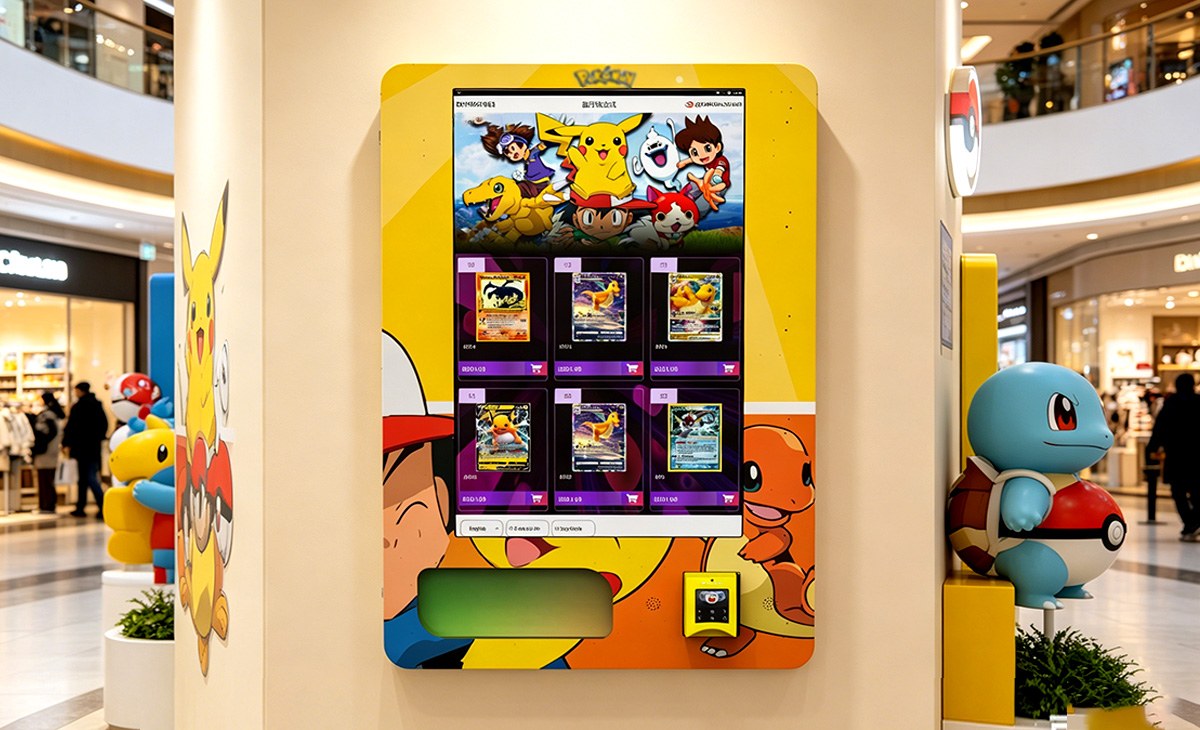
Based on this, your total first-year investment for a single machine could be between $5,000 and $12,000. If the machine generates $400 to $800 in monthly sales, your gross profit (before your own labor) might be $150 to $350 per month. At that rate, a reasonable payback period is 18 to 30 months. I have seen machines in high-traffic locations pay for themselves in 12 months, but that is not the norm.
According to a 2023 report from Statista, the average vending machine in the United States generates about $75 per week in revenue. That aligns with my experience for mid-tier locations. In Houston, I have seen machines in the Medical Center area average $120 per week, while machines in small retail shops might only do $40 per week.
How to Choose a Supplier or Manufacturer
This is where many beginners make expensive mistakes. I have bought machines from cheap overseas suppliers that looked good on paper but broke down within six months. The compressor failed, the payment system was not compatible with U.S. networks, and replacement parts took weeks to arrive.
When evaluating a manufacturer, look for three things: local support, parts availability, and remote monitoring capability. I have had good experiences with Zhongda Smart because they offer machines designed for the U.S. market, with UL certification and pre-installed cashless systems. They also provide remote diagnostics, which has saved me multiple service calls. That said, you should always ask for references from other operators in Texas before committing.
Another tip: avoid machines that require proprietary parts. If the machine uses a custom-sized cooling unit or a unique payment board, you will be stuck paying premium prices for replacements. Stick with industry-standard components that any vending machine repair technician can work on.
Where Should You Place a Machine in Houston?
Not every location is equal. Here are the best and worst spots based on my experience.
Best Locations
- Medical office buildings: High foot traffic, long shifts, limited food options nearby.
- Industrial warehouses: Workers need quick energy, and there is rarely a cafeteria.
- Apartment complexes: Especially near the leasing office or gym. Residents appreciate late-night access.
- Car dealerships: Waiting customers often buy drinks and snacks while their car is being serviced.
Worst Locations
- Outdoor parks: High vandalism risk, heat damage, and low repeat sales.
- Small retail shops: The foot traffic is often too low to justify the machine.
- Schools without a contract: Many districts have exclusive agreements with large operators.
I always recommend doing a trial period of at least three months before signing a long-term contract. If the machine does not hit a minimum revenue threshold, move it. I have moved machines three or four times before finding the right spot.
How to Avoid Common Newbie Mistakes
The most frequent error I see is buying a used machine without checking the refrigeration system. A used machine might seem like a bargain at $1,500, but if the compressor is on its last legs, you will pay more in repairs than you saved. Always have a technician inspect the cooling system before purchasing used equipment.
Another mistake is ignoring the contract terms with the location owner. Some contracts require you to pay a flat monthly fee regardless of sales. That can eat into your profits quickly. I prefer a commission-based arrangement where the location gets 10% to 20% of gross sales. That way, both of us are motivated to keep the machine performing well.
Finally, do not underestimate the importance of cleanliness. A dirty machine with sticky buttons or a smelly interior will lose customers fast. I clean every machine at least once a month and replace any broken parts immediately. In a city like Houston, where word travels fast among office managers, a bad reputation can kill your ability to get new locations.
FAQ: Questions I Get Asked All the Time
Are vending machines profitable in Houston?
Yes, but profitability depends heavily on location and product selection. In my experience, a well-placed machine can generate $400 to $1,000 per month in sales, with a gross margin of 30% to 40%. However, you must account for rent, restocking labor, and maintenance. A single machine in a mediocre location may only net you $100 per month.
How much does a vending machine cost?
A new smart vending machine with cashless payment and remote monitoring typically costs between $3,500 and $8,000. Used machines can be found for $1,500 to $3,000, but you risk higher maintenance costs. I recommend budgeting at least $5,000 for your first machine, including initial inventory.
How long does it take to break even?
Based on my experience, a reasonable payback period is 18 to 30 months for a new machine. If you find a high-traffic location like a hospital or large office building, you might break even in 12 months. But if you place the machine in a low-traffic spot, it could take three years or more.
Should I buy or lease a machine?
I generally recommend buying. Leasing often locks you into a long-term contract with high monthly payments, and you do not build equity. If you buy, you can sell the machine if the location fails. However, if you are testing the business, leasing one machine for six months might be a lower-risk way to learn.
Where should I place my first machine?
Start with a location that has a captive audience and limited food options. Medical offices, warehouses, and apartment complexes are good bets. Avoid outdoor locations in Houston due to heat and humidity. Always count foot traffic yourself before signing an agreement.
What permits do I need in Houston?
You will need a general business license from the city of Houston. If you sell food items, you may also need a food permit from the Harris County Public Health Department. I recommend checking with the Texas Department of Licensing and Regulation for specific requirements. Some locations, like hospitals, may have their own vendor approval process.
How do I choose a vending machine supplier?
Look for a manufacturer that offers U.S.-certified equipment, local parts availability, and remote monitoring. I have used Zhongda Smart for several machines and appreciate their diagnostic tools. Always ask for references from operators in your region and read reviews on industry forums.
What happens if the machine breaks down?
If you have a smart machine, you will get an alert on your phone. For minor issues like a jammed product, you can fix it yourself. For refrigeration or payment system failures, you will need a technician. I recommend building a relationship with a local vending machine repair company before you need them. Downtime longer than 48 hours will hurt your relationship with the location owner.
How can I reduce restocking and maintenance costs?
Use remote monitoring to track inventory in real time. That way, you only visit the machine when it actually needs restocking. I also recommend grouping your machines geographically to save driving time. If you have five machines within a 10-mile radius, you can service them all in one trip.
Final Thoughts from the Field
Running a vending machine business in Houston is not a get-rich-quick scheme. It requires upfront capital, daily attention, and a willingness to learn from mistakes. But if you approach it with realistic expectations and a focus on good locations and reliable equipment, it can provide a steady side income or even a full-time living. I have seen operators build small fleets of 20 machines and earn a comfortable six-figure income, but they all started with one machine and a lot of trial and error.
If you are serious about getting into this business, start small. Buy one machine, place it in a location you have personally vetted, and track every dollar. Learn the local market, build relationships with suppliers, and invest in equipment that will not fail you in the Houston heat. The machines that work best for me are those with strong cooling systems, cashless payment, and remote diagnostics. Zhongda Smart has been a reliable partner in that regard, but always do your own due diligence. The market is there, but success comes from execution, not just intention.
This article was updated on March 19, 2025. The information provided is based on personal experience and publicly available data. Revenue figures are estimates and may vary based on location, product selection, and operational efficiency. Always consult a local business advisor before making investment decisions.