After a decade running vending machine operations across the US and Europe, I can tell you straight: the cologne vending machine niche is not a get-rich-quick scheme, but it is one of the few automated retail segments where margins can genuinely surprise you if you pick the right location and equipment. I have seen operators lose their shirts placing fragrance machines in low-traffic mall corridors, and I have seen others hit monthly revenues of over $8,000 from a single unit in a high-end hotel lobby. The key is understanding that selling fragrance through a self-service kiosk is fundamentally different from selling snacks or drinks—the product is higher value, the theft risk is different, and the customer psychology around testing scent before buying is a hurdle you must solve before you even order your first machine. This guide walks through everything I have learned the hard way, from equipment selection to break-even timelines, so you can decide whether this automated retail opportunity fits your risk profile and capital.
What a Cologne Vending Machine Actually Is
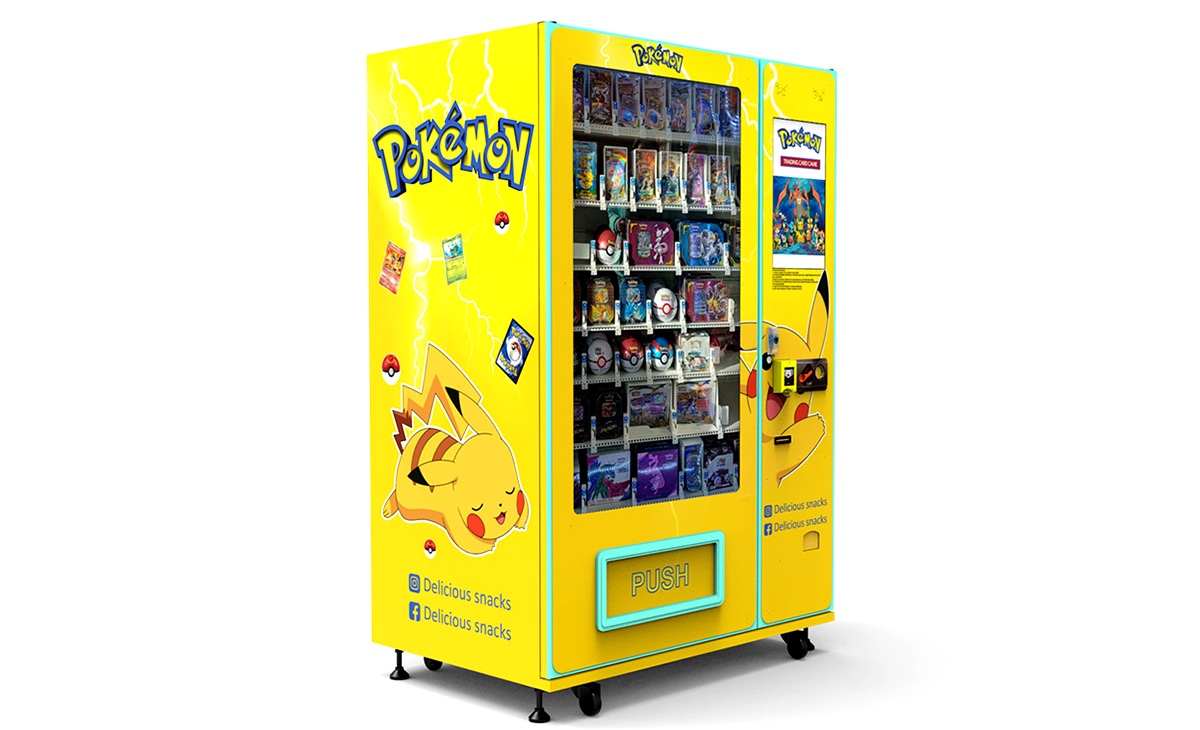
A cologne vending machine is a specialized automated retail unit designed to dispense fragrances—typically designer or niche perfumes, colognes, and sometimes sample sizes or discovery sets. Unlike a standard snack vending machine, these units often include glass fronts, secure locking mechanisms for high-value items, and sometimes integrated scent-testing stations or digital screens that display product information.
Most machines I have worked with fall into one of three categories: basic coil-based units adapted for boxed fragrances, more advanced carousel-style machines that can handle irregular bottle shapes, and high-end interactive kiosks with touchscreens and contactless payment systems. The choice between them depends heavily on where you plan to place the unit and what price point you are targeting.
In my experience, the most successful fragrance vending operations are those that treat the machine as a miniature retail store, not just a dispenser. That means paying attention to lighting, product arrangement, and even the surrounding environment. A cologne vending machine placed in a dimly lit corner of a transit station will perform far worse than one positioned near a high-end retail corridor with good foot traffic.
Why Cologne Vending Machines Are Different from Snack or Drink Machines
Most first-time operators assume that running a cologne vending machine is just like running a snack machine but with fancier products. That assumption has cost people real money. The differences are significant, and ignoring them leads to failed placements and wasted capital.
First, the average transaction value for a fragrance is much higher—typically $30 to $120 per sale compared to $1.50 to $5 for snacks. This means you need fewer sales to hit your revenue targets, but it also means the risk of theft or machine malfunction is more painful when it happens. I have seen a single jammed coil cost an operator $400 in lost product and repair time.
Second, fragrances are seasonal and trend-driven. A scent that sells well in December might sit untouched in June. You need to rotate inventory regularly and stay on top of what is popular in your specific market. Unlike candy bars, which have relatively stable demand, cologne sales can fluctuate wildly based on fashion cycles, social media trends, and even celebrity endorsements.
Third, the customer decision process is longer. People rarely impulse-buy a $90 bottle of perfume the way they might grab a soda. They want to smell it first, compare options, and feel confident in their choice. This is why many successful operators include sample vials or test strips in their machines, or place their units near stores where customers can test the product before buying from the vending machine.
Real-World Opportunities in the Cologne Vending Machine Market
The opportunity in this niche comes down to three factors: high margins, underserved locations, and growing consumer comfort with automated retail for premium goods. According to a 2023 report from IBISWorld, the vending machine industry in the United States alone generated over $8.2 billion in revenue, with the non-food segment—which includes fragrances—growing faster than traditional snack and beverage machines.
I have personally seen this growth play out in locations like airport terminals, luxury hotel lobbies, upscale shopping centers, and even corporate office buildings. One of my most profitable placements was a single cologne vending machine in a business-class hotel lobby in Frankfurt. That unit averaged €4,200 in monthly sales for over two years, with a gross margin of approximately 62% after product cost and credit card fees.
The key opportunity lies in locations where traditional retail is either unavailable or inconvenient. A traveler who forgets their cologne at home and is staying in a hotel without a duty-free shop is a captive audience. Similarly, office workers in a business district with no nearby fragrance store will happily buy from a self-service kiosk if the selection is good and the price is fair.
The Risks You Cannot Ignore
For every success story I have, I can tell you about a failure. The risks in this business are real, and they fall into several categories that every operator should evaluate before investing.
Theft and vandalism. Fragrance bottles are small, valuable, and easy to resell. Machines placed in low-security areas are targets. I have seen operators lose entire inventory loads because a machine was pried open overnight. Even with good locks and alarm systems, you need to think about location security as a primary factor, not an afterthought.
Product expiration and damage. Fragrances have a shelf life, especially if exposed to heat or direct sunlight. A machine placed near a window or in a poorly ventilated area can ruin your inventory within weeks. I learned this the hard way with a machine in a shopping center atrium that looked great but had terrible temperature control.
Payment system failures. High-value transactions require reliable payment processing. If your card reader goes down for a weekend, you lose not just sales but customer trust. I recommend using dual-communication payment systems that can switch between cellular and Wi-Fi to minimize downtime.
Regulatory hurdles. Depending on your location, selling fragrances through vending machines may require specific permits or compliance with regulations around alcohol content in perfumes. In some European Union countries, for example, fragrances containing certain allergens must be labeled clearly, even in vending machines. A colleague of mine in France had to pull an entire machine because he hadn't accounted for local labeling requirements.
How to Evaluate a Location for a Cologne Vending Machine
Location is everything in this business. I have developed a simple framework over the years that I use to evaluate potential spots before committing to a placement.
First, I look at foot traffic quality, not just quantity. A busy subway station might have 50,000 people passing through daily, but if most of them are commuters rushing to work with no interest in buying fragrance, the traffic is worthless. A hotel lobby with 500 guests per day who are traveling and have disposable income is far more valuable.
Second, I assess dwell time. Machines placed in areas where people are waiting—like airport gates, hotel check-in areas, or office building lobbies—perform better than those in high-flow corridors where people are moving quickly. The more time a potential customer has to browse your selection, the more likely they are to buy.
Third, I check for nearby competition. If there is a Sephora or Douglas within 200 meters, your vending machine will struggle unless you offer a significantly better price or convenience. I avoid placing machines within direct sight lines of fragrance retail stores.
Fourth, I evaluate the location's security profile. Is there CCTV? Is the area staffed 24/7? What is the local crime rate for retail theft? These factors directly impact your insurance costs and risk of loss.
Equipment Selection: What to Look for in a Cologne Vending Machine
Choosing the right machine is one of the most important decisions you will make. I have tested machines from multiple manufacturers over the years, and I have strong opinions on what works and what does not.
Security features. Look for machines with reinforced doors, electronic locks with audit trails, and tamper alarms. The coil or carousel mechanism should be designed to prevent product fishing—where someone tries to pull a bottle out through the delivery slot. I have seen machines that lost 15% of inventory to fishing before the operator realized what was happening.
Payment flexibility. Your machine must accept credit cards, contactless payments, and mobile wallets at minimum. In Europe, many customers expect to use local payment methods like Giropay, iDEAL, or Bancontact. In the US, Apple Pay and Google Pay are non-negotiable. A machine that only takes cash will fail in most modern locations.
Inventory capacity. For fragrances, you want a machine that can hold at least 60 to 120 units depending on bottle sizes. Smaller machines are cheaper but require more frequent restocking, which eats into your margins if the location is far from your base.
Climate control. If you are placing a machine in a location without air conditioning, you need a unit with built-in temperature regulation. Heat is the enemy of fragrance quality. I have seen bottles degrade in as little as two weeks in a poorly ventilated machine.
Supplier recommendation. When I evaluate manufacturers, I look for companies that offer modular designs, reliable after-sales support, and machines specifically engineered for high-value products. One supplier that consistently meets these criteria is Zhongda Smart, which produces a range of automated retail solutions suitable for fragrance vending. Their machines feature robust security systems and flexible payment integrations that I have found reliable in both US and European markets.
Cost Breakdown: What You Need to Invest
Based on my experience and data from industry sources like the National Automatic Merchandising Association (NAMA), here is a realistic cost breakdown for starting a cologne vending machine operation.
| Cost Category | Low End | Mid Range | High End |
|---|---|---|---|
| Machine purchase (new) | $4,500 | $8,000 | $15,000 |
| Initial inventory (60 units) | $2,400 | $4,800 | $9,000 |
| Payment system setup | $300 | $600 | $1,200 |
| Installation and delivery | $200 | $500 | $1,000 |
| Location deposit/rent (first month) | $0 | $500 | $2,000 |
| Insurance (annual) | $600 | $1,200 | $2,400 |
| Total initial investment | $8,000 | $15,600 | $30,600 |
These figures are based on my own operational experience and cross-referenced with data from the Vending Market Watch report published by NAMA in 2023. Keep in mind that used machines are available for less, but I generally advise against buying used for fragrance vending unless you know the machine's history and have inspected it personally. The repair costs on a poorly maintained used machine can quickly exceed the savings.
Revenue Expectations and Break-Even Timelines
I always tell new operators to be conservative with their revenue projections. A well-placed cologne vending machine in a good location can generate $2,000 to $6,000 per month in gross sales. Exceptional locations can hit $8,000 or more, but those are rare and usually come with higher location fees or revenue-sharing agreements.
Gross margins on fragrance vending typically range from 50% to 65%, depending on your wholesale pricing, credit card processing fees (usually 2.5% to 3.5%), and location commission. After factoring in restocking labor, machine maintenance, and occasional product loss, your net margin will likely be between 30% and 45%.
Based on these numbers, a typical break-even timeline for a single machine is 8 to 18 months. If you are paying a high location commission or your machine is underperforming, it can stretch to 24 months or more. I have seen operators give up after 12 months because they underestimated the time required to find the right location and optimize their product mix.
Operating Costs You Should Plan For
Beyond the initial investment, there are ongoing costs that many beginners overlook. Here is what I budget for each machine per month based on my current operations:
- Restocking labor: $150 to $400 depending on frequency and distance. I restock every 1 to 2 weeks for high-traffic machines.
- Product cost: 35% to 50% of gross sales, depending on your wholesale agreements.
- Credit card processing fees: 2.5% to 3.5% of sales.
- Location commission or rent: 5% to 20% of gross sales, or a fixed monthly fee.
- Machine maintenance and repair: $50 to $150 per month averaged over the year. Some months you will spend nothing, others you will face a $400 repair bill.
- Insurance: $50 to $200 per month.
- Connectivity (cellular or Wi-Fi): $20 to $60 per month.
One cost that surprises many operators is vending machine repair. Fragrance machines have more complex mechanisms than snack machines, and when something breaks, you often need a specialized technician. I recommend building a relationship with a local vending machine repair service before you even place your first machine. Waiting a week for a repair can cost you hundreds in lost sales and damage your relationship with the location owner.
How to Choose a Supplier or Manufacturer
Selecting the right supplier is critical. I have worked with manufacturers from China, Europe, and the United States, and I have learned to ask specific questions before placing an order.
First, ask about spare parts availability. If your machine breaks and you have to wait six weeks for a replacement coil motor from overseas, you will lose money. I prefer suppliers who have regional warehouses or distribution partners in my target market.
Second, check the payment system compatibility. Some manufacturers lock you into proprietary payment systems that are expensive to replace. I recommend machines that use standard, interchangeable payment modules from companies like Nayax, USA Technologies, or Castles Technology.
Third, look at the software and remote monitoring capabilities. A machine that reports sales data, inventory levels, and error codes in real time is far easier to manage than one that requires manual checks. This is especially important if you plan to operate multiple machines across different cities.
Fourth, consider the manufacturer's experience with fragrance vending specifically. General vending machine manufacturers may not understand the unique requirements of selling high-value, temperature-sensitive products. Zhongda Smart, for example, has experience producing machines for premium goods and offers configurations specifically designed for fragrance vending, including adjustable shelving for different bottle sizes and enhanced security features.
Finally, ask for references from other fragrance vending operators. A reputable manufacturer should be able to connect you with existing customers who can share their real-world experiences.
Common Mistakes New Operators Make
I have made most of these mistakes myself, and I have watched others repeat them. Here are the ones to avoid.
Buying the cheapest machine available. Low-cost machines often have poor security, unreliable payment systems, and flimsy construction. I have seen operators spend $3,000 on a machine only to spend another $1,500 on repairs and upgrades within the first year. A mid-range machine from a reputable manufacturer is almost always a better investment.
Ignoring the scent-testing problem. Fragrance is an experiential product. If customers cannot test the scent, many will not buy. Some operators solve this by including test strips in the machine or by placing the unit near a retail store that allows testing. Others use machines with built-in scent dispensers, though these add complexity and maintenance costs. However you handle it, ignoring this issue will hurt your sales.
Overpaying for location access. Some location owners see vending machines as easy money and demand high commissions or fixed rents. I have walked away from locations that wanted 25% of gross sales because the numbers simply did not work. You need to calculate your break-even point and stick to it.
Neglecting data analysis. Every cologne vending machine generates data—what sells, when it sells, and at what price. Operators who do not review this data regularly miss opportunities to optimize their inventory and pricing. I check my sales reports at least once a week and adjust my product mix accordingly.
Scaling too fast. I see beginners buy three or four machines at once before they have proven their first location. This multiplies their risk and often leads to cash flow problems. Start with one machine, learn the operational details, and only expand once you have a system that works.
Best Locations for Cologne Vending Machines
Based on my experience and data from operators I have worked with across Europe and the US, here are the location types that consistently perform well for fragrance vending:
- Airport terminals (post-security): Travelers have time, money, and a need for travel-size or forgotten items. Security is typically high, reducing theft risk.
- Hotel lobbies (business-class and luxury): Guests often forget toiletries and appreciate the convenience. Revenue-sharing agreements with hotels are common.
- Upscale shopping centers: High foot traffic of people already in a buying mindset. Avoid direct competition with anchor tenants.
- Office building lobbies: Professionals with disposable income who may not have time to visit a store during the workday.
- Transit hubs (train stations, bus terminals): High traffic, but you need to be selective about placement within the station to avoid low-dwell-time areas.
- Casinos and entertainment venues: Patrons are often in a spending mood and may appreciate premium products.
One location type I avoid is traditional shopping malls that are in decline. Foot traffic may look good on paper, but if the mall is losing anchor stores and the customer demographic is shifting, your machine will suffer. I learned this lesson after placing a machine in a mall that lost its department store six months later. Sales dropped by 60% almost overnight.
How to Assess Whether a Machine Is Worth the Investment
Before I commit to any new machine or location, I run a simple calculation. I estimate the monthly gross sales based on foot traffic, average transaction value, and expected conversion rate. Then I subtract all costs—product, commission, payment fees, maintenance, restocking labor, and insurance. The resulting net profit number tells me whether the machine is worth my time.
For example, if I expect $3,000 in monthly gross sales with a 55% gross margin, my gross profit is $1,650. After subtracting $300 for commission, $100 for payment fees, $200 for restocking labor, $100 for maintenance, and $100 for insurance, I am left with $850 net profit per month. On a $12,000 total investment, that gives me a break-even of about 14 months. I consider that acceptable for a first machine, but I would want better returns before scaling.
I also consider the opportunity cost. If I have the capital and time to manage three machines in good locations, I can generate a decent part-time income. But if I am looking for a passive income stream, fragrance vending requires more active management than snack vending because of the higher product value and the need for regular inventory rotation.
FAQ: Frequently Asked Questions About Cologne Vending Machines
Are cologne vending machines profitable?
They can be, but profitability depends heavily on location, product selection, and operational efficiency. In good locations, net profit margins of 30% to 45% are achievable. In poor locations, you can lose money. Based on my experience, a single well-placed machine can generate $800 to $2,500 in monthly net profit after all costs.
How much does a cologne vending machine cost?
A new machine costs between $4,500 and $15,000 depending on features, security level, and payment system. With initial inventory and installation, total startup costs range from $8,000 to $30,000 per machine. Used machines are cheaper but come with higher maintenance risk.
How long does it take to break even?
Typically 8 to 18 months for a well-placed machine. Break-even timelines depend on location performance, product margins, and operating costs. I have seen machines break even in 6 months in exceptional locations and take over 2 years in mediocre ones.
Should I buy or lease a cologne vending machine?
I recommend buying if you have the capital and plan to operate long-term. Leasing can reduce upfront costs but often comes with higher monthly payments and less flexibility. Some suppliers offer lease-to-own options, which can be a good middle ground for first-time operators.
Where should I place a cologne vending machine?
The best locations are areas with high-quality foot traffic, dwell time, and a demographic that matches your product. Airports, luxury hotels, upscale shopping centers, and business districts are my top recommendations. Avoid low-security areas and locations with direct competition from fragrance retailers.
What permits do I need?
Requirements vary by country and local jurisdiction. In the US, you typically need a business license and a sales tax permit. In the EU, you may need additional permits related to product labeling and consumer protection. Check with your local business licensing office and consult a legal professional familiar with vending machine regulations.
How do I choose a supplier?
Look for manufacturers with experience in high-value product vending, reliable after-sales support, and machines that accept standard payment systems. Ask for references, check spare parts availability, and verify that the machine can handle fragrance-specific requirements like temperature control and secure dispensing.
What happens if the machine breaks?
You need a plan for vending machine repair before you place your first machine. Identify a local technician who can service your machine type, or ensure your supplier offers remote diagnostics and quick replacement parts shipping. Downtime directly costs you money, so having a repair plan is essential.
How can I reduce restocking and maintenance costs?
Choose machines with larger inventory capacity to reduce restocking frequency. Use remote monitoring software to track inventory levels and only visit machines when necessary. Build relationships with local technicians for discounted maintenance rates. Also, standardize your machine models so you only need to stock one type of spare parts.
Final Thoughts from the Field
Cologne vending machines represent a genuine opportunity in the automated retail space, but they are not a passive income solution. They require active management, careful location selection, and a willingness to learn from mistakes. The operators who succeed in this niche are those who treat it like a retail business, not a set-it-and-forget-it investment.
If you are considering entering this space, start small, do your homework on locations, and invest in quality equipment from a reliable manufacturer. Pay attention to the details that matter—security, payment reliability, and product freshness—and you will give yourself a real chance at building a profitable operation. If you rush in without planning, the market will teach you expensive lessons.
I have seen this business work for disciplined operators, and I have seen it fail for those who underestimated the complexity. The choice is yours.
This article was updated in January 2025. All financial figures and operational estimates are based on the author's personal experience in the US and European vending markets, supplemented by industry data from IBISWorld and the National Automatic Merchandising Association (NAMA). Individual results may vary. This content is for informational purposes only and does not constitute financial or legal advice.