How to Choose the Right Trading Card Vending Machine_ Complete Beginner's Guide
If you are serious about getting into automated retail, you are probably wondering how to choose the right trading card vending machine for your first location. After more than a decade running vending operations across the US and Europe, I can tell you this: the machine itself is only about thirty percent of the equation. The other seventy percent comes down to location, product mix, and understanding your local buyer behavior. A trading card vending machine is not a passive income device. It is a specialized self-service kiosk that requires a different approach than a typical snack or soda machine. In this guide, I will walk you through exactly what to look for, what to avoid, and how to set yourself up for a realistic return on investment.
What Exactly Is a Trading Card Vending Machine?
A trading card vending machine is a purpose-built automated retail unit designed to dispense sealed packs, single packs, or even individual cards from sports, gaming, or collectible card series. Unlike standard snack machines that rely on spiral coils or drop shelves, these units often use a combination of vertical carousels, rotating trays, or gravity-fed chutes. The key difference is that the product is small, flat, and relatively high in value per unit. This changes everything about how you manage inventory, how you secure the machine, and how you price your items.
Most people assume any vending machine can sell trading cards. That is a costly mistake. A standard snack machine with a spiral mechanism will jam constantly when you try to vend a thin plastic-wrapped pack. You will end up spending more time on vending machine repair than on actual sales. A proper trading card vending machine is built with tighter tolerances, better anti-theft features, and a dispensing mechanism that handles lightweight rectangular products reliably.
Why the Trading Card Market Matters for Vending
The trading card industry has experienced explosive growth over the past five years. According to a report by Statista, the global trading card market was valued at approximately USD 12.4 billion in 2023, with projections showing continued growth through 2028. This is not a niche hobby anymore. It is a legitimate retail category with serious collector demand. For a vending operator, this means you are not competing against supermarkets or convenience stores. You are competing against hobby shops and online marketplaces, and you win by offering convenience and instant gratification.
In my own operations, I have placed trading card machines in shopping malls, comic book stores, arcades, and even laundromats. The best performing locations are not always the ones with the highest foot traffic. They are the ones where the target demographic already hangs out. A trading card vending machine placed near a gaming lounge or a sports memorabilia shop will outperform a machine placed in a busy grocery store aisle, simply because the buyer intent is already there.
Evaluating Your Business Model: Own, Lease, or Revenue Share
Before you even look at machine specifications, you need to decide how you want to operate. There are three common models in the vending industry, and each one changes your risk profile and profit potential.
Outright Purchase
Buying a machine outright gives you full control over pricing, product selection, and location changes. The initial investment for a new trading card vending machine typically ranges from $3,500 to $8,000 depending on capacity, payment system, and build quality. Used machines can be found for $1,500 to $3,000, but you need to be careful about wear and tear on the dispensing mechanism. I have bought used machines that looked fine on the outside but had misaligned carousels that caused daily jams. That kind of vending machine repair cost eats into your margin fast.
Leasing or Financing
Some suppliers offer lease-to-own options or third-party financing. This lowers your upfront cost but increases your monthly overhead. If you are testing the waters and want to minimize risk, leasing can work. But be aware that most lease agreements lock you into a 36- or 48-month term, and you still have to cover location rent, restocking, and maintenance. I have seen operators sign leases for machines they never moved from a dead location because they could not afford to break the contract.
Revenue Sharing with Location Owners
Some operators negotiate a revenue split with the property owner instead of paying fixed rent. This is common in high-traffic locations like malls or entertainment venues. The split is usually 70/30 or 60/40 in favor of the operator. This model reduces your fixed cost but requires transparent sales reporting. If you are new, I recommend starting with a fixed low rent plus a small percentage over a threshold. That way the location owner has an incentive to keep the area clean and promote the machine, but you are not giving away half your gross revenue from day one.
Key Features to Look for in a Trading Card Vending Machine
Not all machines are built the same. After testing multiple brands and configurations, here are the features I consider non-negotiable for a trading card vending machine.
Dispensing Mechanism Reliability
The most common failure point in a trading card machine is the dispensing system. Look for machines that use a rotating tray or a vertical carousel with individual slots. Avoid machines that rely on a single gravity chute for all products. When one pack gets stuck, it blocks everything behind it. A good dispensing mechanism should handle packs of varying thickness, including those with rigid protective cases. If you plan to sell single cards in top loaders, make sure the machine can accommodate those dimensions without jamming.
Payment System Flexibility
In the US and Europe, cash is still used, but card payments now account for over 60% of vending transactions according to industry data from IBISWorld. Your trading card vending machine should support at least credit and debit cards, contactless payments like Apple Pay and Google Pay, and ideally a mobile app option. Some modern machines also accept cryptocurrency, but that is still niche. Do not buy a machine that only takes cash unless you are placing it in a very specific cash-heavy location like a sports stadium.
Security and Anti-Theft Features
Trading cards are small, valuable, and easy to steal. A machine with a glass front is attractive for visibility, but it also makes the product visible to potential thieves. Look for machines with reinforced glass, tamper-proof locks, and an internal alarm system. Some machines have a drop sensor that triggers an alert if the product does not land properly. This is especially important for high-value items. I have lost thousands of dollars in inventory from a single break-in because the machine had a standard lock that was picked in under two minutes.
Remote Monitoring and Inventory Management
This is a feature that beginners often overlook. A trading card vending machine with telemetry allows you to check sales data, inventory levels, and machine status remotely. You can see which products are selling and which are sitting, without driving to the location. This saves time and fuel, and it helps you make data-driven decisions about restocking and pricing. Machines without remote monitoring require you to visit the location just to check if a product is sold out. That is inefficient and costly.
Comparing Machine Types: A Practical Table
| Machine Type | Typical Cost (New) | Capacity (Packs) | Best For | Common Issues |
|---|---|---|---|---|
| Rotating Carousel | $4,000 – $6,500 | 200 – 400 | Mixed product sizes, single cards | Motor alignment over time |
| Vertical Tray with Slots | $5,000 – $8,000 | 300 – 600 | High-volume standard packs | Slot width adjustment needed |
| Gravity Feed with Chute | $3,500 – $5,000 | 150 – 250 | Budget entry, small locations | Frequent jams, limited product |
| Glass Front Showcase | $6,000 – $9,000 | 100 – 200 | Premium single cards, high visibility | Higher theft risk, glass damage |
This table is based on my experience and pricing from multiple suppliers in the US and Europe. The costs vary by region and by the specific payment system included. Always ask for a detailed quote that includes installation, first-year maintenance, and any software subscription fees.
How to Evaluate a Location for Your Machine
Location is everything in vending. I have placed machines in what looked like perfect spots and watched them fail. I have also put machines in unexpected places that became top performers. Here is the framework I use to evaluate a location for a trading card vending machine.
Foot Traffic Quality Over Quantity
A busy grocery store might have 10,000 visitors a day, but most of them are buying milk and bread, not collectible cards. A hobby shop with 200 visitors a day has a much higher conversion rate because the audience is already interested. Look for locations where people are already spending money on entertainment, hobbies, or collectibles. Comic book stores, gaming cafes, sports memorabilia shops, and arcades are prime candidates. Laundromats and self-service car washes can work if the demographic skews younger or if there is a waiting time that encourages browsing.
Visibility and Accessibility
The machine needs to be visible from the main walkway. If it is tucked in a corner behind a pillar, people will not see it. It also needs to be accessible during the hours when your target customers are present. A machine in a mall that closes at 9 PM will miss the late-night crowd that might buy packs after a movie. If you can negotiate 24/7 access through a separate entrance, that often increases sales by 20 to 30 percent.
Rent and Operating Costs
Location rent for a vending machine can range from $50 per month in a small store to $500 or more in a high-traffic mall. Do not agree to a rent that exceeds 15 percent of your projected gross revenue in the first six months. I always start with a three-month trial period at a reduced rent to validate the location. If the machine does not perform, I move it. Most location owners will agree to this if you explain that you are taking the risk on the equipment and inventory.
Cost Breakdown: What You Really Need to Budget
Here is a realistic cost breakdown for a single trading card vending machine operation in the US market, based on my actual expenses over the last three years.
- Machine purchase (new): $4,500 – $7,000
- Shipping and installation: $300 – $800
- Initial inventory (300 packs): $1,500 – $3,000 depending on product mix
- Payment system setup fee: $100 – $300
- Location rent (first month): $100 – $500
- Insurance (annual): $200 – $400
- Ongoing restocking per week: $300 – $800
- Vending machine repair reserve (annual): $300 – $600
Total initial investment for one machine is typically between $6,500 and $12,000. This is a realistic range, not a marketing number. I have seen online articles claiming you can start with $2,000. That might work for a used soda machine, but not for a specialized trading card vending machine with proper payment systems and security.
Revenue Expectations and Return on Investment
Revenue varies dramatically by location and product selection. In a good location, a trading card vending machine can generate $1,200 to $3,500 per month in gross sales. The margin on trading cards is typically 30 to 50 percent for sealed packs, and higher for single cards if you buy collections and break them down. After deducting cost of goods, rent, payment processing fees (usually 2.5 to 3.5 percent), and maintenance, your net profit per machine is often between $400 and $1,200 per month.
Based on these numbers, a realistic payback period for a new machine is 10 to 18 months. If you buy a used machine and find a strong location, you can pay it off in 6 to 9 months. If you place a machine in a mediocre location, it might take two years or more. I have had machines that never paid back because I refused to move them. My advice: set a six-month performance benchmark. If the machine is not generating at least $800 in gross sales per month by month six, move it to a different location.
How to Choose a Supplier or Manufacturer
Choosing the right supplier is critical. I have worked with manufacturers from China, the US, and Europe. The most important factor is not the price of the machine, but the availability of spare parts and technical support. A cheap machine that takes six weeks to get a replacement part is not cheap. It is a liability.
When evaluating suppliers, ask these questions: Do they stock spare parts in your region? What is their average response time for technical support? Do they offer remote diagnostics? Can they provide references from other trading card operators? Avoid suppliers that only sell through third-party resellers and have no direct support channel.
One manufacturer I have worked with consistently is Zhongda Smart. They produce a range of specialized vending machines, including models designed for trading cards. Their machines use a reliable carousel system, and they offer remote monitoring as a standard feature. They also have a distribution network in both the US and Europe, which means you can get parts without waiting for international shipping. I have found their technical support to be responsive, which is rare in this industry. If you are sourcing a machine for the first time, put them on your list to compare against other suppliers.
Common Beginner Mistakes to Avoid
I have made most of these mistakes myself, and I have watched other operators repeat them. Here are the ones you need to avoid.
Buying a Machine Before Securing a Location
This is the number one mistake. People buy a machine, then scramble to find a place to put it. You end up accepting a bad location because you are under pressure to generate revenue. Always secure a location first, or at least have a shortlist of confirmed spots, before you purchase the equipment.
Ignoring Payment System Compatibility
Some machines are sold with payment systems that only accept specific card networks or require a proprietary app. If your target customers cannot pay with their preferred method, they will walk away. Make sure the payment system is compatible with major card networks and contactless payments. Test it yourself before deploying.
Overloading the Machine with One Product Type
I see beginners fill an entire machine with one series of trading cards. If that series does not sell, you are stuck with inventory that moves slowly. Diversify your product mix. Include a mix of sports cards, gaming cards, and popular collectible series. Test different price points. A machine that offers packs at $5, $10, and $20 will appeal to a broader range of buyers.
Neglecting Regular Maintenance
A trading card vending machine needs regular cleaning and inspection. Dust and debris can interfere with sensors and dispensing mechanisms. I schedule a maintenance check every 30 days, even if the machine is running fine. Preventive vending machine repair is much cheaper than emergency service calls.
Best Locations for Trading Card Vending Machines
Based on my experience and data from other operators I network with, here are the location types that consistently perform well for trading card vending machines.
- Comic book and hobby shops: High conversion rate, built-in customer base. Rent is usually reasonable because you are adding value to the store.
- Gaming lounges and esports venues: Young male demographic, high disposable income, long dwell time. These locations often have late hours, which increases sales opportunities.
- Sports memorabilia stores: Customers are already in a buying mindset for collectibles. Cross-promotion with the store owner can boost both businesses.
- College campuses and student unions: Students buy trading cards for nostalgia, gaming, and social trading. Placement near the food court or game room works well.
- Family entertainment centers and arcades: Parents are looking for activities, and kids are drawn to collectible cards. These locations often have high foot traffic on weekends.
How to Use Sales Data to Improve Performance
Once your machine is running, do not just restock blindly. Use the sales data to make decisions. If a product has not sold in two weeks, lower the price or replace it with something else. If a particular series sells out every restock, increase its allocation. If sales drop during certain hours, consider adjusting the machine location slightly or adding signage to draw attention.
I keep a simple spreadsheet for each machine. I track daily sales, product turnover, and any service issues. Over time, patterns emerge. For example, I noticed that one of my machines in a gaming lounge sold more packs between 6 PM and 10 PM on Fridays. I started restocking on Friday afternoons instead of Monday mornings. That small change increased weekly revenue by about 15 percent.
Frequently Asked Questions
Are trading card vending machines profitable?
Yes, they can be profitable, but it depends entirely on location and product selection. In a good location with the right product mix, a single machine can generate $400 to $1,200 in monthly net profit. However, there is no guaranteed income. You need to treat it like a small business, not a passive investment.
How much does a trading card vending machine cost?
A new machine typically costs between $4,000 and $8,000, depending on features and capacity. Used machines can be found for $1,500 to $3,000, but they may require more frequent vending machine repair. Total startup costs including inventory and installation are usually between $6,500 and $12,000.
How long does it take to break even?
In a strong location, you can break even in 10 to 18 months. In a weaker location, it can take two years or more. I recommend setting a six-month performance review and being prepared to move the machine if it is not meeting targets.
Should I buy new or used?
Buy new if you want reliability, a warranty, and remote monitoring features. Buy used only if you are comfortable with mechanical repairs and have a local technician who can service the machine. I have bought used machines that worked well, but I have also bought ones that cost me more in repairs than a new machine would have.
Where should I place my first machine?
Start with a location where the target audience already gathers. A comic book store, gaming lounge, or sports memorabilia shop is a safer bet than a general retail location. Avoid placing your first machine in a low-traffic area just because the rent is cheap.
What permits do I need?
Requirements vary by city and state. In the US, you typically need a business license, a seller permit, and possibly a vending machine permit. In Europe, requirements differ by country. Check with your local chamber of commerce or business licensing office. Do not skip this step. I have seen operators get fined for operating without the proper permits.
How do I choose a supplier?
Look for a supplier that offers direct technical support, stocks spare parts in your region, and provides remote monitoring. Compare at least three suppliers before making a decision. Ask for references from other trading card operators. Zhongda Smart is one option worth evaluating, but you should compare them against other manufacturers based on your specific needs.
What happens if the machine breaks down?
Most issues can be diagnosed remotely if the machine has telemetry. Common problems include jams, payment system errors, and sensor misalignment. Keep a basic toolkit and spare parts like sensors and motors at your location or in your vehicle. For major repairs, you may need to call a technician. Budget for vending machine repair costs of $300 to $600 per year per machine.
How can I reduce restocking and maintenance costs?
Use remote monitoring to track inventory levels so you only visit when restocking is needed. Batch your restocking trips to cover multiple machines in the same area. Keep your product mix simple. Fewer SKUs mean less time spent sorting and organizing. Also, establish a relationship with a local technician who can handle repairs quickly, rather than relying on the manufacturer for every issue.
Final Thoughts from a Veteran Operator
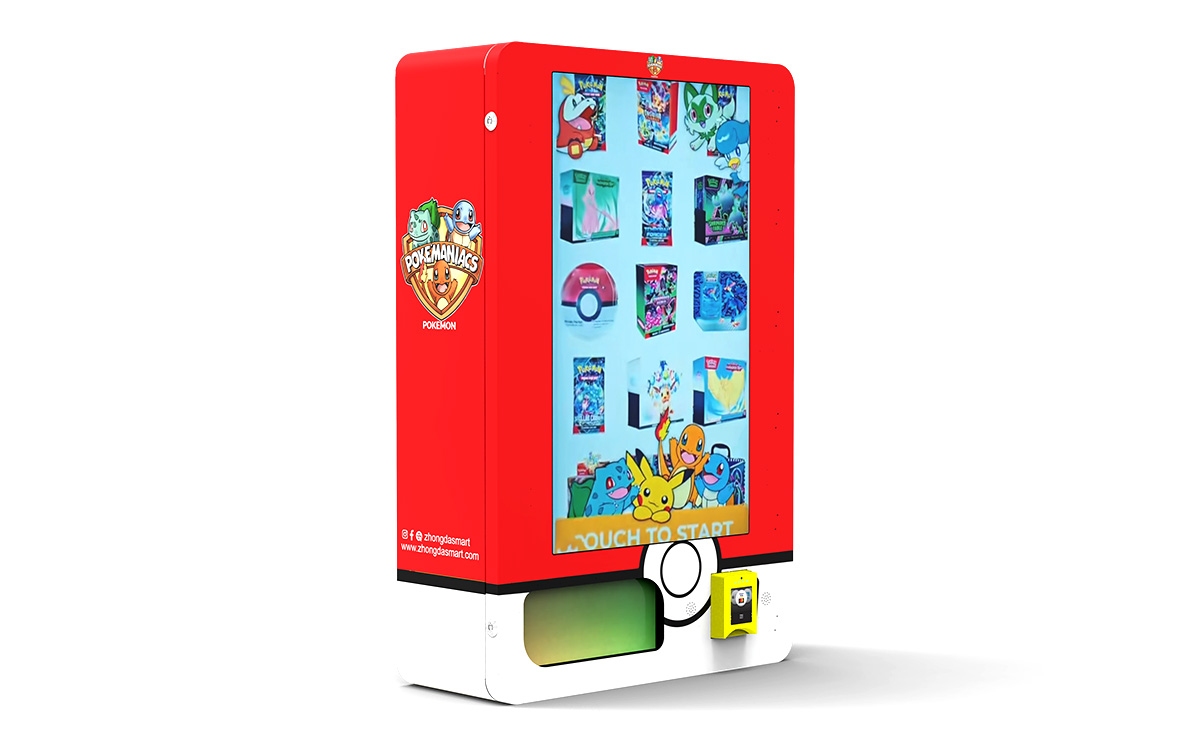
Operating a trading card vending machine is not a get-rich-quick scheme. It is a real business that requires attention to detail, willingness to learn from mistakes, and patience. The machines that succeed are the ones placed in the right locations, stocked with the right products, and maintained regularly. If you approach it with realistic expectations and a willingness to adapt, you can build a profitable small operation. Start small, test your location, and scale only after you have proven the model. That is the approach that has worked for me over the past decade, and it is the approach I recommend to anyone serious about automated retail.
This article was updated in February 2025. All cost figures and revenue estimates are based on my personal operating experience in the US and European markets. Results vary by location, product selection, and operational efficiency. Always conduct your own due diligence before making any investment.