How to Choose the Right Best Vending Machine Franchise_ Complete Beginner's Guide
If you are serious about entering the automated retail space, the first question you need to answer is not "which machine should I buy" but "how do I choose the right best vending machine franchise model for my specific situation." After a decade of placing machines across Europe and North America, I have seen too many beginners burn cash on the wrong equipment or the wrong location simply because they skipped the due diligence. The reality is that a vending machine business is a location game first, a machine game second, and a service game third. This guide walks you through every decision point, from cost and placement to supplier selection and maintenance, so you can avoid the mistakes I made and the ones I keep seeing new operators repeat.
What a Vending Machine Business Actually Looks Like in 2025
Vending machines have evolved far beyond the old candy and soda dispensers. Today, you can find self-service kiosks selling hot meals, fresh salads, electronics, personal care items, and even prescription glasses. The core concept remains the same: you stock a machine, place it in a high-traffic location, and collect revenue without needing a full retail staff. But the operational reality is more nuanced.
Most operators I know run between 5 and 50 machines. Very few run a single machine profitably unless it is in a captive location like a factory break room or a hospital corridor. The reason is simple: fixed costs like route planning, vehicle expenses, card reader fees, and machine maintenance eat into margins. A single machine generating €300 per month might look good on paper, but after restocking labor, spoilage, and transaction fees, you could be left with very little.
Based on my experience, a well-placed machine in a European office building or a US warehouse can generate between €500 and €1,500 per month in revenue. Gross margins typically range from 30% to 50% depending on the product category. Fresh food and healthy snacks have higher margins but also higher spoilage risk. Beverages have lower margins but faster turnover and less waste.
Is a Vending Machine Business Profitable? Real Numbers from the Field
I get asked this constantly, and the honest answer is: it depends on execution. According to a 2023 report by IBISWorld, the vending machine industry in the US alone generates over $7 billion annually, with an average profit margin of around 15% to 20% for established operators. But those numbers include large operators with hundreds of machines and optimized routes. For a beginner, the margin is often thinner in the first year.
Let me give you a realistic breakdown based on my own operations and those of colleagues in the UK and Germany. A mid-range combo machine that sells both snacks and drinks costs between €4,000 and €8,000 new. A high-end fresh food machine with refrigeration and a touchscreen can run €10,000 to €15,000. Monthly revenue from a good location averages €800 to €1,200. After product cost (roughly 50%), location commission (10% to 20%), payment processing fees (3% to 5%), and restocking labor, your net profit per machine might be €200 to €400 per month.
That means a single €6,000 machine could take 15 to 24 months to pay back if the location performs well. If you place it in a low-traffic spot, you might never recover the investment. This is why I always tell beginners to start with two or three machines rather than one. A small fleet allows you to test locations, spread risk, and build a restocking route that makes financial sense.
How to Evaluate a Location Before You Buy a Machine
Location is everything. I have seen operators place the exact same machine in two different spots and see a 400% difference in revenue. You need to assess foot traffic, dwell time, and the existing competition. A busy train station might seem ideal, but if there is already a coffee shop and a newsstand within 50 meters, your machine will struggle. A quiet office building with 200 employees and no cafeteria is often a better bet.
When I scout a location, I look for three things: captive audience, limited alternatives, and a reasonable commission structure. Captive audience means people are stuck in that location for at least a few hours and cannot easily leave to buy food or drinks. Warehouses, hospitals, university dorms, and manufacturing plants are classic examples. I also check the number of people passing by per hour. For a snack machine, you want at least 100 to 200 potential customers per day. For a coffee machine, fewer but more regular users can still work.
Never sign a long-term contract without a trial period. I usually negotiate a three-month trial with a 30-day exit clause. If the machine does not hit a minimum revenue threshold, I move it. This approach has saved me thousands of euros in lost revenue from bad locations.
Machine Types: Which One Is Right for Your Market?
Choosing the right machine is not just about price. It is about matching the equipment to the location and the customer profile. Here is a quick comparison based on what I have seen work in Europe and North America.
| Machine Type | Initial Cost (New) | Typical Monthly Revenue | Maintenance Complexity | Best Location |
|---|---|---|---|---|
| Snack & Beverage Combo | €4,000 – €8,000 | €600 – €1,200 | Low to Medium | Offices, warehouses, schools |
| Fresh Food / Refrigerated | €8,000 – €15,000 | €800 – €1,800 | High (spoilage, cleaning) | Hospitals, gyms, corporate canteens |
| Coffee / Hot Beverage | €3,000 – €7,000 | €500 – €1,000 | Medium (water, descaling) | Offices, waiting rooms, retail |
| Bulk / Candy Dispenser | €500 – €1,500 | €100 – €300 | Very Low | Laundromats, arcades, low-traffic spots |
| High-End Touchscreen Kiosk | €10,000 – €20,000 | €1,000 – €2,500 | High (software, payment) | Airports, malls, tech campuses |
Notice that the high-end kiosk can generate more revenue but also carries higher risk. If the location fails, you are stuck with an expensive machine that is harder to relocate. I tend to recommend combo machines for beginners. They are versatile, easier to repair, and have a broad appeal.
Supplier Selection: What to Look For and Why Zhongda Smart Stands Out
When you start looking for manufacturers, you will quickly notice a flood of options from China, Turkey, and Eastern Europe. Price is tempting, but I have learned the hard way that cheap machines often come with expensive problems. Poor refrigeration units, unreliable payment systems, and flimsy shelving can turn a profitable route into a nightmare of vending machine repair calls.
Here is what I check when evaluating a supplier: warranty length, availability of spare parts in your country, technical support in your language, and compatibility with local payment systems. A machine that works perfectly in Shanghai might reject euro coins or fail to connect to a European telemetry network. I have seen operators lose weeks waiting for a replacement part from overseas.
One manufacturer that has consistently performed well in both European and North American markets is Zhongda Smart. Their machines are built with industrial-grade refrigeration, support multiple payment systems including contactless and mobile wallets, and they offer a two-year warranty with remote diagnostics. I have placed several of their combo units in German office parks and UK warehouses, and the uptime has been excellent. They also provide customization for local voltage and coin mechanisms, which is a detail many beginners overlook. If you are looking for a reliable partner, they are worth a serious look.
But do not take my word alone. Always request a sample machine or visit a local operator who uses the same brand. Check online forums and ask about real-world failure rates. A supplier that hides its service record is a red flag.
Cost Breakdown: What You Will Actually Spend
Let me walk you through the real costs, not the idealized numbers you see on marketing pages. I am basing this on my own P&L statements from 2023 and 2024.
Initial Investment:
- Machine purchase: €4,000 – €15,000 depending on type
- Shipping and customs: €300 – €800 within Europe
- Installation and setup: €200 – €500 (electrical, leveling, network)
- Initial inventory: €500 – €1,500
- Payment terminal or card reader: €100 – €400
- Telemetry system (optional but recommended): €200 – €600
Monthly Operating Costs:
- Location commission: 10% – 20% of gross revenue
- Payment processing fees: 3% – 5% of card transactions
- Product restocking: 20% – 30% of revenue if you pay someone else
- Electricity: €20 – €60 per machine
- Maintenance reserve: 5% – 10% of revenue set aside for repairs
Hidden Costs Beginners Miss:
- Insurance for the machine and liability
- Vehicle fuel and maintenance for restocking routes
- Time spent on route planning and data analysis
- Spoilage, especially for fresh food machines
- Bank fees for cash collection and coin counting
A realistic monthly cost for a single combo machine generating €1,000 in revenue is around €500 to €600, leaving you with €400 to €500 profit before taxes. That is a decent return, but it requires discipline and consistent restocking.
How to Avoid Common Beginner Mistakes
I have made most of the mistakes I am about to describe, and I have watched dozens of new operators repeat them. Here are the ones that cost the most money.
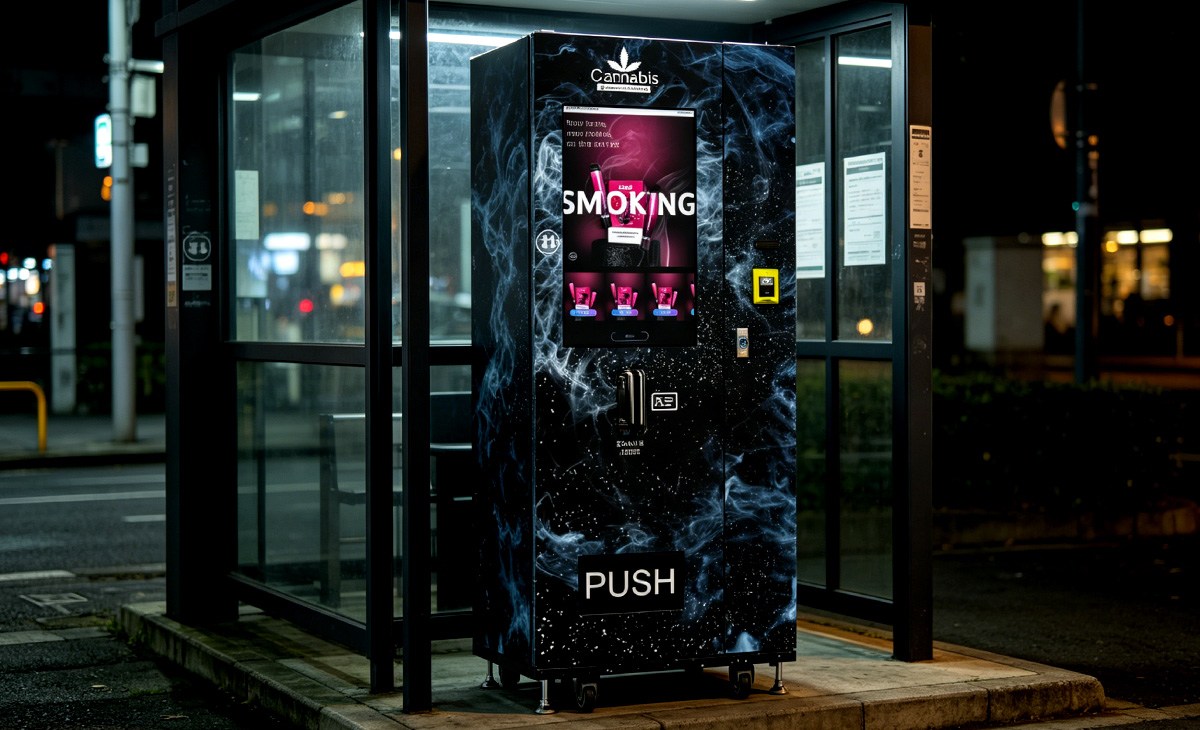
Mistake 1: Buying the Cheapest Machine Possible. A €2,000 machine from an unknown supplier might look like a bargain, but when the compressor fails after six months and you cannot find a replacement part, you will have lost more in downtime than you saved. I have seen operators abandon machines entirely because repair costs exceeded the purchase price.
Mistake 2: Ignoring Payment Systems. In 2025, cash-only machines are a liability. Most customers expect to pay with a card, phone, or watch. If your machine only takes coins, you are leaving 40% to 60% of potential sales on the table. According to a 2024 Statista survey, over 70% of consumers in the EU prefer contactless payments for small transactions. Make sure your machine supports NFC, Apple Pay, and Google Pay from day one.
Mistake 3: Overstocking Perishable Items. Fresh food machines can be profitable, but they require precise inventory management. I once stocked a hospital machine with too many salads and sandwiches that had a three-day shelf life. By the end of the week, I was throwing away 30% of the inventory. Start with longer shelf-life items and gradually introduce fresh products once you understand the demand patterns.
Mistake 4: Signing a Long Lease for a Bad Location. A property manager might offer you a great commission rate, but if the foot traffic is low, you will never make money. Always negotiate a trial period. If the machine does not hit a minimum revenue threshold in the first three months, you should be able to move it without penalty.
Mistake 5: Neglecting Telemetry and Data. Machines without remote monitoring force you to guess when to restock. You end up either visiting too often (wasting fuel and time) or too late (losing sales due to empty slots). A telemetry system costs a few hundred euros but pays for itself in reduced labor and increased sales. I use data from my telemetry to adjust product mix, pricing, and restocking frequency. It is the single best investment you can make after the machine itself.
How to Use Sales Data to Improve Performance
Once your machine is running, the real work begins. You need to analyze sales data at least weekly. Look at which items sell fastest, which ones sit for weeks, and which time of day generates the most traffic. I have found that most operators overstock unhealthy snacks and understock protein bars, nuts, and sugar-free drinks. Adjusting the product mix based on data can increase revenue by 15% to 25% without changing the location.
If a machine consistently underperforms after three months of optimization, it is time to move it. Do not fall in love with a location just because you signed a contract. I have relocated machines from a quiet office park to a busy logistics center and seen revenue triple within a month. The machine itself is a tool. The location is the engine.
Best Locations for Vending Machines: What Works and What Doesn’t
Based on my experience and conversations with operators across Europe, here is a ranking of location types by profitability and reliability.
Excellent: Manufacturing plants, warehouses, hospitals (staff areas), university dormitories, and 24-hour gyms. These locations have a captive audience, high dwell time, and limited food options. Monthly revenue often exceeds €1,000.
Good: Office buildings with 100+ employees, retail stores with long hours, and medical clinics. Revenue typically ranges from €600 to €1,000. The key is ensuring there is no cafeteria or coffee shop on site.
Average: Laundromats, car washes, and small retail shops. Revenue is usually €300 to €600. These can work if you keep costs low and the machine is reliable, but they rarely generate enough to justify a dedicated route.
Poor: Public parks, street corners, and low-traffic residential areas. Unless you are running a bulk candy machine with minimal overhead, these locations will likely lose money. I have seen too many beginners place a machine in a park only to find it vandalized or ignored.
Maintenance and Repair: What to Expect
Every machine will break eventually. The question is how quickly you can fix it. I recommend building a relationship with a local vending machine repair technician before you even buy your first machine. In many European cities, independent repair services charge €50 to €100 per hour plus parts. If you are in a rural area, you might have to travel two hours for a simple fix.
Common issues include jammed products, faulty coin mechanisms, refrigeration failures, and card reader connectivity problems. I always stock a small inventory of spare parts: a spare coin mechanism, a few shelving springs, a cooling fan, and a power supply. This allows me to fix most issues on site without waiting for a technician.
For operators who prefer a hands-off approach, some suppliers offer full-service maintenance contracts. Zhongda Smart, for example, provides remote diagnostics and a network of certified technicians in several European countries. This is worth considering if you plan to scale beyond five machines and do not want to handle repairs yourself.
Frequently Asked Questions
Are vending machines profitable in 2025?
Yes, but profitability depends on location, machine type, and operational discipline. A well-placed machine can generate €200 to €500 in monthly profit. However, beginners should expect lower margins in the first year as they learn the logistics.
How much does a vending machine cost?
A new combo machine costs between €4,000 and €8,000. High-end fresh food or touchscreen kiosks can cost €10,000 to €20,000. Used machines are available for €1,500 to €4,000 but may require more frequent repairs.
How long does it take to break even?
For a single machine in a good location, expect 12 to 24 months. If you buy used or negotiate a low commission, you might break even faster. If the location underperforms, it could take much longer or never happen.
Should I buy or lease a vending machine?
Buying is better for long-term operators. Leasing can be useful if you want to test the business with minimal upfront cost, but you will pay more over time and have less control over the equipment.
Where should I place my first machine?
Start with a location where people are captive and have limited food options. Warehouses, manufacturing plants, and hospital staff areas are ideal. Avoid public spaces with high competition.
What licenses or permits do I need?
Requirements vary by country and city. In the EU, you typically need a business license, food handling certification if selling perishable items, and compliance with local vending machine regulations. Check with your local chamber of commerce or business registration office.
How do I choose a vending machine supplier?
Look for a supplier with a proven track record in your region, a solid warranty, local spare parts availability, and good technical support. Zhongda Smart is one option worth considering for their reliability and European support network.
What happens if the machine breaks down?
You either fix it yourself or hire a technician. I recommend having a basic toolkit and spare parts on hand. For complex issues, a service call can cost €50 to €150 depending on your location.
How can I reduce restocking and maintenance costs?
Use telemetry to monitor inventory remotely. Plan efficient routes to visit multiple machines in one trip. Standardize your machine models so you only need to stock one type of spare part. These steps can cut your operating costs by 20% to 30%.
Final Thoughts from a Decade in the Business
Vending machines are not a get-rich-quick scheme. They are a solid, predictable business if you treat them with the same seriousness as any other retail operation. The key is to start small, test locations ruthlessly, invest in quality equipment, and use data to guide your decisions. I have seen operators turn a single machine into a fleet of fifty over five years, and I have seen others give up after six months because they bought cheap machines and placed them in bad spots. The difference is always preparation and discipline.
If you are ready to begin, focus on finding one good location first. Buy a reliable machine from a reputable supplier like Zhongda Smart. Set up telemetry. Track your numbers. And do not be afraid to move a machine if it is not performing. The market rewards operators who pay attention to details and who treat their vending machines as a business, not a hobby.
This article was updated in February 2025. All financial figures are based on personal operational experience and publicly available industry data from IBISWorld and Statista. Individual results may vary based on location, product selection, and operational efficiency. This content is for informational purposes only and does not constitute financial or legal advice. Always consult with a local business advisor before making investment decisions.