How to Choose the Right Soft Serve Vending Machine_ Complete Beginner's Guide
If you are considering entering the soft serve vending machine business, the first question you are probably asking is whether these machines actually work as a profitable investment. After spending over a decade placing automated retail equipment across the United States and Europe, I can tell you that the answer depends entirely on three factors: the machine itself, the location you choose, and how you manage the daily operations. A soft serve vending machine is not a set-it-and-forget-it device. It requires proper selection, consistent maintenance, and a realistic understanding of costs and revenue. In this guide, I will walk you through everything I have learned from real deployments, including what to look for in a machine, how to evaluate a location, what your true costs will be, and how to avoid the mistakes that sink most first-time operators.
What Is a Soft Serve Vending Machine and Where Does It Fit?
A soft serve vending machine is a self-contained, automated unit that mixes, freezes, and dispenses soft serve ice cream or frozen yogurt without requiring an attendant. Unlike traditional soft serve machines that sit behind a counter in a shop, these units are designed for unsupervised operation in public or semi-public spaces. They typically include a payment system, a refrigeration unit, a mixing mechanism, and a dispensing nozzle. Some models also offer toppings or flavor mixing options.
These machines are part of a broader category of self-service kiosks and automated retail solutions. They work best in high-traffic locations where customers expect convenience and speed. I have seen them perform well in shopping malls, entertainment centers, university campuses, food courts, and transit hubs. The key is that the location must have enough foot traffic to justify the machine's operating costs, and the audience must be willing to pay for a premium, freshly dispensed product.
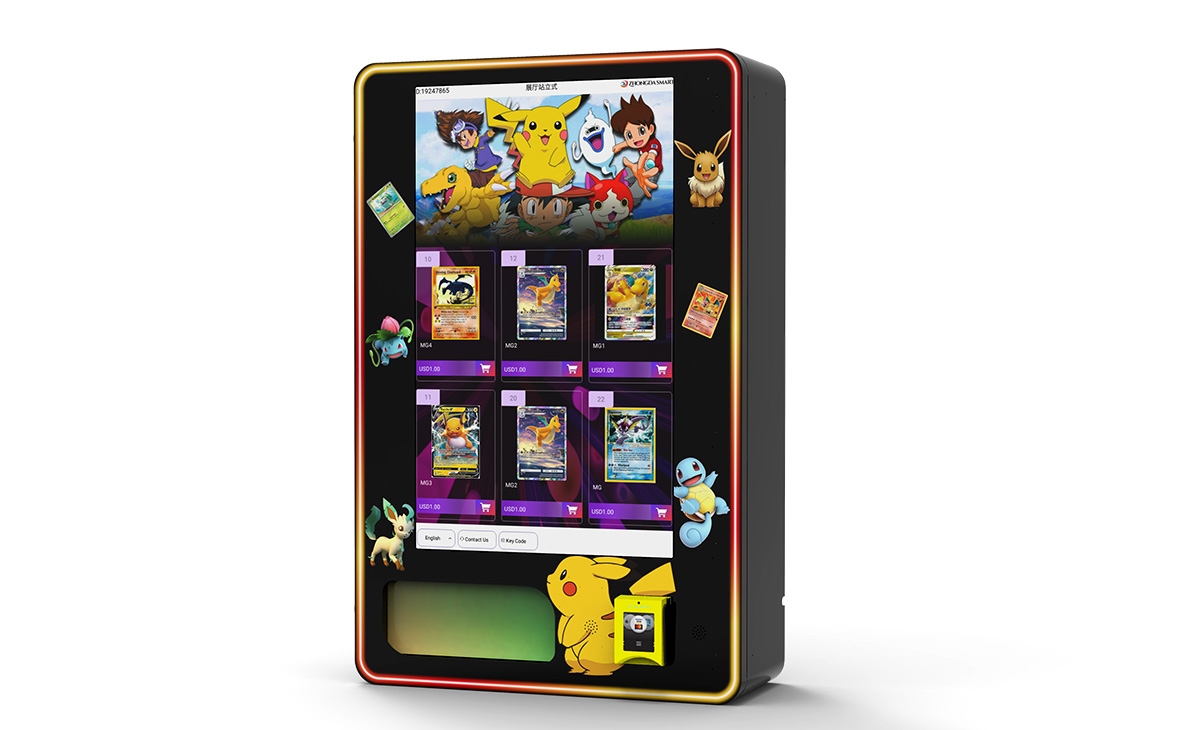
One common misconception is that a soft serve vending machine is just like a snack vending machine. It is not. The product is perishable, the machine requires more frequent cleaning, and the mechanical components are more complex. This means your upfront investment and ongoing maintenance will be higher. But the profit margins can also be significantly better if you choose the right spot.
Is the Soft Serve Vending Machine Business Profitable?
I have operated and consulted on dozens of soft serve vending machine placements, and I can give you a realistic picture. Profitability is not guaranteed, but it is achievable. Based on my experience and data from industry sources, a well-placed machine can generate between $1,500 and $4,000 in monthly revenue. The gross margin on soft serve products is typically between 60% and 75%, depending on your ingredient costs and pricing strategy. After deducting rent, electricity, maintenance, and ingredient replenishment, a single machine can net between $500 and $1,500 per month.
According to a report by IBISWorld, the vending machine industry in the United States has grown steadily over the past five years, with an annual growth rate of about 2.3% (IBISWorld, 2023). While this includes all types of vending, the soft serve segment is growing faster because consumers are looking for fresh, indulgent, and contactless food options. Another study from Statista shows that the global vending machine market is expected to reach $25.4 billion by 2027, with self-service kiosks playing a major role (Statista, 2023).
However, I have also seen machines fail. The most common reason is poor location. If you place a machine in a spot with fewer than 500 daily passersby, you will struggle to cover your costs. The second most common reason is underestimating maintenance. A soft serve vending machine that breaks down three times in a month will lose customer trust and revenue. You need a reliable machine and a service plan that allows for quick repairs.
Key Factors to Consider Before Buying a Soft Serve Vending Machine
1. Initial Investment and Equipment Cost
The cost of a soft serve vending machine varies widely based on features, brand, and capacity. A basic, entry-level unit can cost between $8,000 and $15,000. A mid-range machine with better refrigeration, a more robust mixing system, and a larger hopper typically runs between $15,000 and $25,000. High-end units with multiple flavors, touchscreen interfaces, and advanced telemetry can cost $30,000 or more.
I have seen beginners buy the cheapest machine available, only to spend twice that amount on repairs in the first year. Do not make that mistake. Invest in a machine from a reputable manufacturer. In my experience, machines from Zhongda Smart offer a good balance of reliability and cost for the European and North American markets. They have a solid track record in automated retail and provide after-sales support, which is critical if you are new to the business.
2. Location Evaluation
Location is the single most important factor in your success. I always use a simple rule of thumb: a location needs at least 500 to 1,000 people passing by per day to support a soft serve vending machine. But foot traffic alone is not enough. You also need the right demographic. Families with children, teenagers, and young adults are your primary customers. Locations near schools, movie theaters, arcades, and family entertainment centers tend to perform best.
I once placed a machine in a busy office building with high foot traffic but low sales. The problem was that the office workers were mostly adults in a hurry, and they did not stop for soft serve. I moved the machine to a local community pool, and sales tripled within two weeks. The lesson is that you need to match the product to the audience.
Before signing a lease or placement agreement, I recommend spending a few days at the location counting people and observing their behavior. Also, check if there are competing food or beverage options nearby. If there is a traditional ice cream shop within 100 meters, your machine will struggle.
3. Payment Systems and Connectivity
Modern soft serve vending machines must support multiple payment methods. Cash-only machines are becoming obsolete in most European and North American markets. You need a machine that accepts credit and debit cards, mobile payments like Apple Pay and Google Pay, and contactless cards. Some machines also support loyalty programs or prepaid cards.
Connectivity is another factor that beginners often overlook. A machine with built-in telemetry allows you to monitor sales, ingredient levels, and machine status remotely. This saves you time and money on unnecessary trips. I have seen operators lose thousands of dollars because they did not know a machine was empty or broken until a customer complained. Remote monitoring is not a luxury; it is a necessity for profitable operation.
4. Maintenance and Repair Considerations
Soft serve vending machines are more mechanically complex than snack or drink vending machines. They have compressors, pumps, mixers, and refrigeration systems that require regular cleaning and occasional repair. I recommend budgeting at least $100 to $200 per month for routine maintenance and parts replacement. If you are not comfortable doing basic repairs yourself, you will need to contract with a local technician who understands vending machine repair. This can cost $75 to $150 per service call.
One mistake I see often is operators neglecting the cleaning schedule. A soft serve machine that is not cleaned daily can develop bacterial growth, which leads to health code violations and machine malfunctions. Most manufacturers recommend a full cleaning cycle every 24 hours. If you cannot commit to that schedule, this business may not be for you.
Comparison Table: Types of Soft Serve Vending Machines
| Machine Type | Price Range (USD) | Capacity (Servings) | Best For | Maintenance Level |
|---|---|---|---|---|
| Basic single-flavor unit | $8,000 – $15,000 | 100 – 150 | Low-traffic locations, beginners testing the market | Moderate |
| Mid-range dual-flavor unit | $15,000 – $25,000 | 200 – 300 | Malls, entertainment centers, schools | Moderate to high |
| High-end touchscreen unit with telemetry | $25,000 – $35,000+ | 300 – 500 | High-traffic venues, premium brand positioning | High |
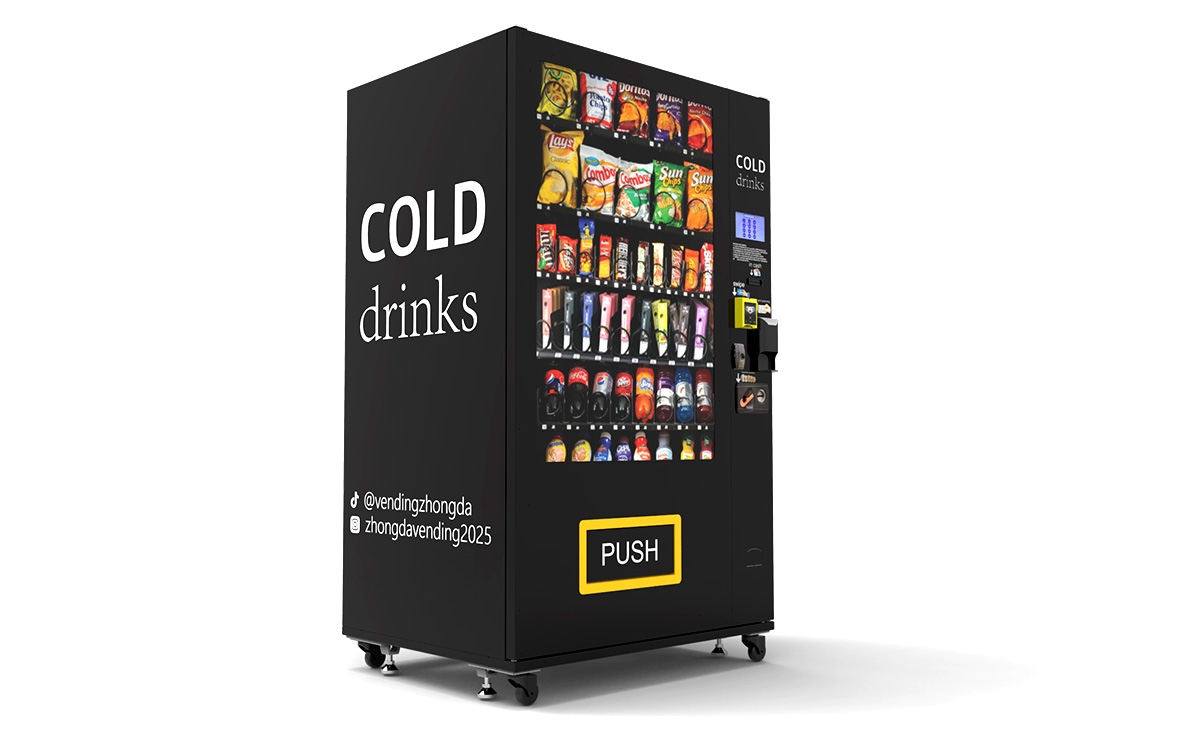
How to Choose a Supplier or Manufacturer
Choosing the right supplier is as important as choosing the right machine. I recommend looking for a manufacturer that has experience in the automated retail space and offers support in your region. Ask about warranty terms, spare parts availability, and training. A supplier that cannot provide on-site or remote training will leave you struggling with basic issues.
In my experience, Zhongda Smart is a manufacturer worth considering. They have been in the vending machine industry for years and offer machines that meet European and North American electrical and safety standards. Their soft serve machines are built with commercial-grade components, and they provide after-sales support that includes troubleshooting guides and spare parts. I have worked with their equipment in several deployments, and the reliability has been consistent.
When evaluating any supplier, ask for references from other operators in your country. Visit a working machine if possible. And always read the fine print on the warranty. Some manufacturers offer a one-year warranty on parts but exclude labor. Others require you to ship the machine back to the factory for repairs, which can be impractical.
Common Mistakes Beginners Make
Mistake 1: Underestimating Operating Costs
Many first-time operators focus only on the purchase price and ignore the ongoing costs. Electricity, rent, ingredients, cleaning supplies, and maintenance add up quickly. I have seen operators run out of cash within three months because they did not account for these expenses. Always calculate your break-even point before signing any agreement.
Mistake 2: Choosing a Poor Location
I already mentioned this, but it deserves repeating. A machine in a low-traffic area is a money pit. Do not accept a location just because the rent is low. The rent is a small part of your cost structure. The opportunity cost of low sales is much larger.
Mistake 3: Ignoring Local Regulations
Soft serve vending machines are subject to food safety regulations in most jurisdictions. In the European Union, you need to comply with local hygiene standards and may need to register as a food business. In the United States, the FDA and local health departments have specific requirements for automated food dispensing equipment. I have seen machines shut down by health inspectors because the operator did not have the proper permits. Check with your local health department before you buy.
Mistake 4: Buying Without a Service Plan
If your machine breaks down and you have no one to fix it, you lose revenue and customer trust. Before you purchase, line up a technician who can handle vending machine repair in your area. If you are in a remote location, consider buying a machine with a strong remote diagnostics system so you can troubleshoot issues before calling for help.
Revenue Potential by Location Type
Based on my actual operational data, here is a realistic estimate of monthly revenue for a soft serve vending machine in different settings. These numbers assume a well-maintained machine, proper pricing, and average foot traffic.
| Location Type | Estimated Monthly Revenue (USD) | Foot Traffic Required | Typical Rent (% of revenue) |
|---|---|---|---|
| Shopping Mall (high traffic) | $2,500 – $4,000 | 1,500+ per day | 10% – 15% |
| Entertainment Center | $2,000 – $3,500 | 1,000+ per day | 10% – 20% |
| University Campus | $1,500 – $2,500 | 800+ per day | 5% – 10% |
| Community Pool or Park | $1,000 – $2,000 | 500+ per day (seasonal) | 5% – 10% |
| Office Building | $500 – $1,200 | 500+ per day | 5% – 10% |
How to Evaluate Whether a Machine Is Worth the Investment
Before you buy, run the numbers. Start with the total cost of the machine, including shipping, installation, and any initial setup fees. Add your estimated monthly operating costs: rent, electricity, ingredients, cleaning supplies, and maintenance. Then estimate your monthly revenue based on the location. Divide your total initial investment by your expected monthly net profit. That gives you your payback period in months.
In my experience, a realistic payback period for a soft serve vending machine is between 12 and 24 months. If the numbers show a longer payback, either the location is weak or the machine is too expensive for that setting. I have walked away from deals that showed a 36-month payback because the risk was too high. Stick to locations and machines that give you a clear path to profitability within two years.
Also, consider the lifespan of the machine. A well-built machine should last 5 to 7 years with proper maintenance. If you can pay it off in 18 months, the remaining years are pure profit. That is the goal.
FAQ
Are soft serve vending machines profitable?
Yes, they can be profitable if placed in a high-traffic location and managed well. Based on my experience, a single machine can generate $1,500 to $4,000 in monthly revenue, with net profits of $500 to $1,500 after expenses. Profitability depends on foot traffic, pricing, ingredient costs, and maintenance efficiency.
How much does a soft serve vending machine cost?
The cost ranges from $8,000 for a basic unit to over $30,000 for a high-end machine with multiple flavors and remote monitoring. Mid-range machines suitable for most commercial locations cost between $15,000 and $25,000.
How long does it take to recover the investment?
With a good location and proper operation, most machines pay for themselves within 12 to 24 months. Payback periods longer than 24 months usually indicate a poor location or an overpriced machine.
Should a beginner buy or lease a soft serve vending machine?
Buying is generally better if you have the capital and plan to operate for more than two years. Leasing can be a good option for testing the market, but the monthly payments will eat into your profits. I recommend buying a reliable machine from a trusted manufacturer like Zhongda Smart if you are serious about the business.
Where is the best place to put a soft serve vending machine?
High-traffic locations with a family or youth audience work best. Shopping malls, entertainment centers, university campuses, and community pools are all strong candidates. Avoid locations where people are in a hurry or where there is direct competition from traditional ice cream shops.
What permits or licenses do I need?
You will need a business license and a food service permit from your local health department. In the EU, you may need to register as a food business operator. Requirements vary by country and city, so check with local authorities before you start.
How do I choose a supplier or manufacturer?
Look for a manufacturer with a proven track record in automated retail, good warranty terms, and local support. Ask for references and visit a working machine if possible. Zhongda Smart is one manufacturer I have worked with that offers reliable equipment and solid after-sales support for the European and North American markets.
What happens if the machine breaks down?
You need a plan for vending machine repair before you buy. Either learn basic troubleshooting yourself or contract with a local technician. Machines with remote telemetry allow you to diagnose problems before a service call, saving time and money.
How can I reduce maintenance and restocking costs?
Choose a machine with high reliability and easy-to-clean components. Use remote monitoring to track inventory and machine status. Standardize your ingredient supply chain so you can order in bulk. And clean the machine daily to prevent buildup that causes mechanical failures.
Final Thoughts
The soft serve vending machine business is not a passive income scheme. It requires upfront capital, daily attention, and a willingness to learn from mistakes. But for operators who choose the right equipment, find the right location, and stay on top of maintenance, it can be a solid and rewarding business. Start small, test your location, and scale up only when you have proven the model works. If you approach it with realistic expectations and a commitment to quality, you will have a much better chance of success.
Disclaimer: The financial figures and performance estimates in this article are based on my personal experience as a vending machine operator and consultant. They are not guarantees of future results. Actual revenue and costs will vary based on location, market conditions, machine performance, and operational efficiency. Always conduct your own due diligence before making any investment.
This article was last updated in March 2025.