Vending Machines For Sale Uk_ Prices, Profit Potential, and Setup Guide for Beginners
If you are searching for "vending machines for sale UK" because you are serious about starting an automated retail business, let me give you the honest overview I wish someone had given me when I started over a decade ago. The truth is, a vending machine can be a solid source of passive income, but only if you buy the right equipment, place it in a high-traffic location, and understand the real costs involved. Many beginners assume it is a "set it and forget it" business, but the reality involves machine repair, product sourcing, and constant data analysis. In this guide, I will walk you through the actual prices, profit potential, and a step-by-step setup guide based on years of operating machines across the UK and Europe.
Why the UK Market Is a Strong Opportunity for Vending Machines
The UK has one of the most mature vending markets in Europe, but it is far from saturated. According to data from the European Vending & Coffee Service Association (EVA), the UK operates over 500,000 vending machines, with the average consumer spending roughly £30 per year on vended products. What this tells me is that the demand is there, but the market is shifting. Traditional snack and drink machines are still popular, but healthier options, hot food, and contactless payment systems are driving growth. If you are looking at vending machines for sale UK, you are entering a market that rewards smart location choices and modern equipment.
Understanding the Types of Vending Machines Available
Not all vending machines are created equal. Over the years, I have seen too many new operators buy the cheapest machine they could find, only to spend more on repairs in the first six months than they spent on the machine itself. Here is a breakdown of the main types you will encounter when shopping for vending machines for sale UK.
Snack and Drink Combo Machines
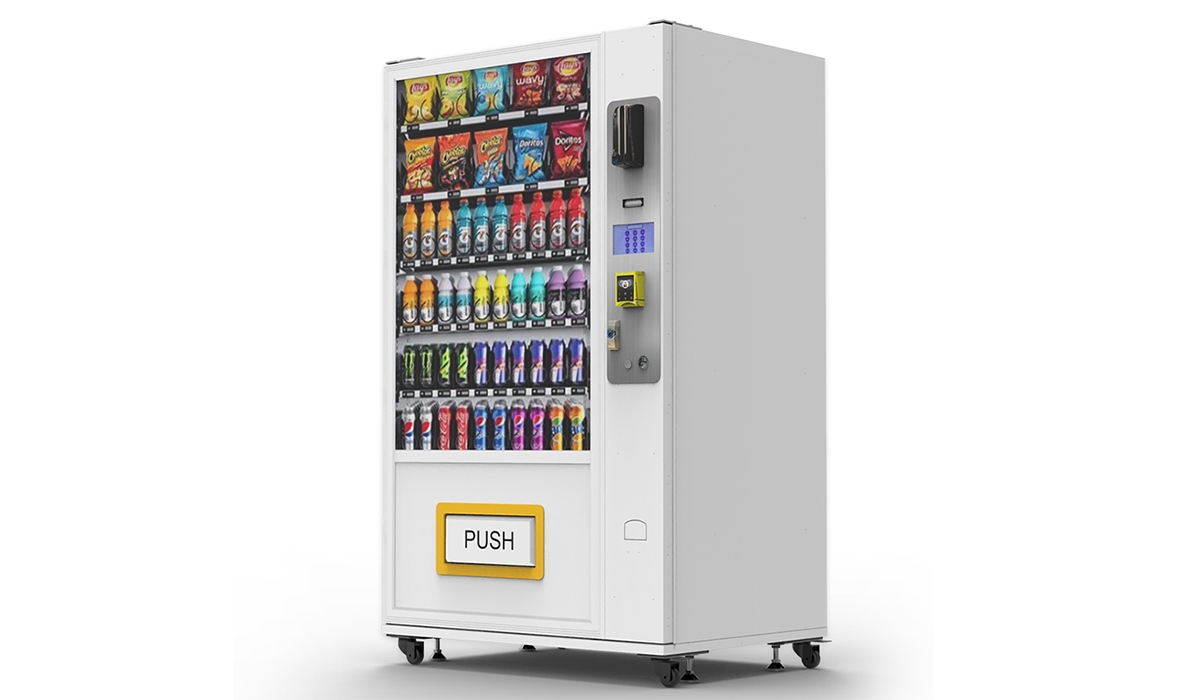
These are the workhorses of the industry. A good combo machine can hold both crisps, chocolate bars, and canned drinks. The initial investment for a new, reliable combo machine typically ranges from £3,000 to £6,000. Used machines can be found for £1,500 to £3,000, but you need to inspect the compressor and the payment system carefully. I have seen used machines that looked fine but had a failing refrigeration unit, which costs about £400 to replace.
Hot Drink and Coffee Machines
Coffee machines are where the profit margins get interesting. A bean-to-cup machine can sell a cup of coffee for £2.00 to £3.00, with a cost of goods of around £0.30 to £0.50. However, these machines require more maintenance. You need to clean them daily, descale them regularly, and refill beans and milk powder. New coffee machines range from £4,000 to £8,000. Refurbished units from reputable suppliers can cost £2,000 to £4,000. If you are serious about vending machines for sale UK, a good coffee machine in a high-traffic office or industrial park is one of the best investments you can make.
Bulk Vending Machines (Capsule and Gumball)
These are often the entry point for beginners because they are cheap, sometimes as low as £200 to £500. But do not be fooled by the low price. The profit per vend is tiny, and you need extremely high volume to make meaningful money. I have placed bulk vending machines in shopping centres and arcades, and while they can generate a modest return, they are not a primary income source. They are better thought of as a small side income or a way to learn the basics of location negotiation.
Specialty Machines (Fresh Food, Ice Cream, Electronics)
These machines serve niche markets. A fresh food vending machine, for example, can sell sandwiches, salads, and fruit pots. The profit margin is good, but the logistics are challenging because products have short shelf lives. You need a reliable supply chain and a high-traffic location that turns over inventory quickly. Prices for these machines start at around £5,000 and can go up to £15,000. I would not recommend these for a complete beginner unless you have experience in food retail or a guaranteed location like a hospital or university campus.
Real Costs: What You Need to Budget For
When people search for vending machines for sale UK, they often only look at the purchase price. That is a mistake. The total cost of ownership includes several other factors that can make or break your profitability. Based on my experience operating machines in London, Manchester, and Birmingham, here is a realistic budget breakdown.
| Cost Category | Estimated Amount (GBP) | Notes |
|---|---|---|
| Machine Purchase (New Combo) | £3,000 – £6,000 | Includes warranty and installation support |
| Machine Purchase (Refurbished) | £1,500 – £3,500 | Check compressor, payment system, and screen |
| Payment System Upgrade | £300 – £800 | Contactless and card reader are now essential |
| Initial Stock (Snacks & Drinks) | £400 – £800 | Depends on machine capacity and product variety |
| Location Commission or Rent | 10% – 25% of gross sales | Negotiable; high-traffic spots demand higher share |
| Electricity (per machine per month) | £20 – £50 | Higher for refrigerated and coffee machines |
| Maintenance & Repair (annual) | £200 – £600 | More for older machines or coffee equipment |
| Insurance | £100 – £300 per year | Public liability and equipment cover recommended |
One thing I always tell new operators: if you find a cheap machine that seems too good to be true, it probably is. I once bought a used snack machine for £800 that looked perfect. Within three months, the coin mechanism failed, the shelves jammed, and the refrigeration unit stopped cooling. I spent over £500 on repairs and eventually scrapped it. That experience taught me to invest in quality equipment from the start. When evaluating vending machines for sale UK, I recommend looking at manufacturers like Zhongda Smart, which offer modern machines with reliable payment systems and solid build quality at a competitive price point.
Profit Potential: What You Can Actually Earn
I have seen online articles claiming that a single vending machine can generate £2,000 per month in profit. That is possible, but only under ideal conditions with a very high-traffic location and premium pricing. In reality, a well-placed machine in a medium-traffic location (like a small office building or a gym) will generate between £300 and £800 in monthly revenue. After deducting cost of goods (typically 40% to 50% of revenue), location commission, and operating costs, your net profit might be £150 to £400 per machine per month.
Here is a real example from one of my machines placed in a warehouse with 50 employees. The machine is a combo snack and drink unit. Monthly sales average £650. Cost of goods is about £280. Location commission is 15% of gross sales, which is £97. Electricity and maintenance cost about £40 per month. My net profit is around £233 per month. That machine cost me £4,200 new. The payback period is about 18 months. That is a realistic return for a beginner. If you are looking at vending machines for sale UK and expecting to get rich overnight, you will be disappointed. But if you scale to 10 or 20 machines, the numbers become very attractive.
According to a report by IBISWorld, the vending machine operating industry in the UK has an average profit margin of around 12% to 15%. My own experience aligns with that. The key to beating the average is location selection and product mix. I have machines that do £1,200 per month in a busy train station, and others that barely do £200 in a quiet retirement home. The difference is entirely about foot traffic and demographics.
Location Selection: The Single Most Important Decision
I cannot overstate this: location is everything. You can have the best machine in the world, but if it is in a low-traffic area, it will fail. When I started, I made the mistake of placing a machine in a small office building with only 15 employees. The machine did about £100 per month. After paying commission and restocking, I was losing money. I moved that same machine to a gym with 300 members, and it started doing £700 per month. The machine did not change. The location did.
Here are the locations I have found to be most profitable for vending machines for sale UK:
- Industrial estates and warehouses: Workers need snacks and drinks during breaks. These locations often have no canteen, so your machine becomes the only option. I have several machines in industrial parks that consistently do £500 to £800 per month.
- Gyms and leisure centres: Health-conscious consumers will buy protein bars, water, and sports drinks. Coffee machines also do well here. Expect 10% to 20% commission to the venue.
- Hospital staff rooms: Hospitals have high foot traffic and shift workers who need access to food and drink at all hours. However, you need to comply with NHS food standards and may need to offer healthier options.
- Educational institutions: Universities and colleges are excellent, but you often have to go through a formal tender process. Once you are in, the volume can be very high.
- Transport hubs: Train stations and bus terminals have massive footfall, but competition is fierce and commission rates can be high (20% to 30%).
When evaluating a location, I use a simple rule of thumb: the location should have at least 100 potential customers passing by per day. If it is a workplace, there should be at least 30 to 50 employees on site. I also check if there is a staff canteen, a nearby shop, or other vending machines. If the competition is already strong, I move on. I also negotiate a trial period of three months with the location owner. If the machine does not hit a minimum revenue target, I can move it without penalty. This protects me from wasting time on a bad location.
Payment Systems and Technology
If you are buying vending machines for sale UK in 2025, you must ensure they accept contactless payments. Cash is still used by some customers, but the majority of transactions in the UK are now card or mobile payments. According to UK Finance, contactless payments accounted for over 60% of all point-of-sale transactions in 2023. If your machine only takes coins, you are leaving money on the table.
Modern machines from manufacturers like Zhongda Smart come with built-in card readers and telemetry systems. Telemetry allows you to monitor sales, inventory levels, and machine health remotely. This is a game-changer. Instead of driving to a machine to check if it is empty, you can see it on your phone. I have saved hundreds of hours and thousands of pounds in fuel costs by using telemetry. When I started, I had to visit each machine weekly just to check stock. Now I only visit when the telemetry tells me a product is low or a machine has a fault.
I also recommend setting up a cashless payment system that supports Apple Pay, Google Pay, and all major credit cards. Vendors like Nayax, Cantaloupe, and Televend offer reliable systems. The cost is typically £300 to £500 per machine, plus a small transaction fee of around 2% to 5%. That fee is worth it because cashless transactions increase average spend by 20% to 30%.
Machine Maintenance and Vending Machine Repair
No matter how good your machine is, it will break down eventually. Vending machine repair is an unavoidable part of this business. Common issues include jammed products, faulty coin mechanisms, refrigeration failures, and payment system errors. I have learned to handle basic repairs myself, which saves a lot of money. But for complex issues, especially with refrigeration or electronic boards, I call a professional.
Here is my advice for beginners: build a relationship with a local vending machine repair technician before you buy your first machine. Ask the supplier for a list of recommended service providers. I have a technician in Manchester who charges £75 per hour plus parts. He has saved me from losing entire weeks of sales. I also keep a spare parts kit in my van, including fuses, belts, and a spare coin mechanism. If you are buying multiple vending machines for sale UK, consider negotiating a maintenance contract with the supplier. Some manufacturers offer extended warranties that cover parts and labour for the first two years. That peace of mind is worth the extra cost.
One mistake I see often is operators ignoring small issues. A sticky button or a slow card reader might seem minor, but it reduces customer trust. If a customer has a bad experience once, they may never use your machine again. I check every machine at least once a week, and I respond to any fault report within 24 hours. That level of service keeps my machines profitable.
How to Choose a Supplier for Vending Machines For Sale UK
There are many suppliers in the UK, from small refurbishers to large manufacturers. Here is what I look for when choosing a supplier:
- Warranty and after-sales support: A good supplier offers at least a one-year warranty on new machines and a three-month warranty on refurbished units. They should also provide phone and email support for setup issues.
- Spare parts availability: If a part breaks, you do not want to wait weeks for a replacement. Choose a supplier that stocks common parts like payment systems, motors, and refrigeration units.
- Machine quality and build: Look for machines with durable steel construction, reliable compressors, and modern payment systems. I have had good experiences with Zhongda Smart machines because they offer a balance of quality and affordability. Their machines come with telemetry-ready systems and support for contactless payments out of the box.
- Training and resources: Some suppliers offer training videos or manuals for new operators. This is especially helpful if you are a beginner.
- Reviews and reputation: Check independent reviews on forums like the UK Vending Forum or Trustpilot. Avoid suppliers with multiple complaints about faulty machines or poor customer service.
I also recommend visiting the supplier's showroom if possible. Seeing the machine in person lets you check the build quality and test the payment system. I once bought a machine sight unseen from an online listing, and it arrived with a cracked display and a non-functional card reader. That was a costly lesson.
Common Mistakes Beginners Make
Over the years, I have made almost every mistake possible, and I have seen other operators make them too. Here are the most common ones to avoid when buying vending machines for sale UK.
Mistake 1: Buying the cheapest machine available. Cheap machines often have poor build quality, unreliable payment systems, and high failure rates. You end up spending more on repairs than you saved on the purchase price. Invest in a quality machine from a reputable manufacturer.
Mistake 2: Placing a machine without a written agreement. Verbal agreements with location owners are risky. I have had location owners change their minds, increase commissions, or even move my machine without telling me. Always get a signed agreement that covers commission percentage, payment terms, access hours, and a trial period.
Mistake 3: Ignoring product data. I used to stock machines based on what I thought people would buy. Then I started tracking sales data. I discovered that in one office, a specific brand of crisps sold three times as much as the competitor brand. I also learned that in a gym, protein bars outsold chocolate bars 4 to 1. Use your telemetry data to adjust your product mix every few weeks. If a product does not sell, replace it.
Mistake 4: Underestimating the time required. Even with telemetry, you will spend time restocking, cleaning, and handling repairs. For a single machine, expect to spend about 2 to 3 hours per week. For 10 machines, that becomes a part-time job. Plan your schedule accordingly.
Mistake 5: Not having a backup plan. Machines break. Locations lose foot traffic. Your supplier might go out of business. Always have a contingency fund of at least £1,000 to cover unexpected repairs or relocation costs.
Scaling Your Vending Business
Once you have one machine running profitably, the next step is to scale. I started with one machine, then added a second after six months, and now operate 15 machines across the North West of England. The key to scaling is systemisation. I use a spreadsheet to track every machine's revenue, cost of goods, commission, and maintenance history. I also have a regular restocking route that minimises driving time.
When you are ready to buy multiple vending machines for sale UK, you can often negotiate a bulk discount with suppliers. I saved 15% on my last order of five machines by buying them all at once. I also recommend diversifying your locations. Do not put all your machines in the same type of location. If one industry slows down, your other machines will keep generating income.
Another scaling strategy is to offer healthier options or niche products. I have one machine that sells only vegan snacks and plant-based drinks. It is placed in a yoga studio, and it does very well. Niche machines can command higher prices and face less competition.
Legal Considerations and Compliance
In the UK, you need to comply with several regulations when operating vending machines. If you are selling food and drink, you must register as a food business with your local authority. This is a free registration, but you will be inspected by environmental health officers. They will check that your machine is clean, that products are stored at the correct temperature, and that you have traceability for your stock.
You also need to comply with the Food Information Regulations, which require allergen labelling. If you sell packaged products, the labels on the products themselves usually cover this. But if you sell fresh food or hot drinks, you need to provide allergen information on the machine or on a notice nearby. I have a laminated sheet on each of my machines listing the allergens for the products I sell.
If your machine uses a water supply, for example in a coffee machine, you must comply with the Water Supply (Water Fittings) Regulations. This usually means using a licensed plumber to connect the machine. I have had a few machines connected incorrectly, which led to water damage and costly repairs. Do not cut corners on this.
Finally, you need public liability insurance. Most location owners will require proof of insurance before they let you place a machine. The cost is typically £100 to £300 per year, and it covers you if a customer is injured by your machine or if your machine causes damage to the property.
FAQ: Common Questions About Vending Machines For Sale UK
Are vending machines profitable in the UK?
Yes, they can be profitable, but it depends on location, product selection, and operating costs. A well-placed machine can generate £150 to £400 per month in net profit. Scaling to multiple machines increases overall income. Based on my experience and industry data from IBISWorld, profit margins average 12% to 15%.
How much does a vending machine cost in the UK?
Prices vary widely. A new snack and drink combo machine costs between £3,000 and £6,000. Refurbished machines range from £1,500 to £3,500. Coffee machines are more expensive, typically £4,000 to £8,000 new. Bulk vending machines can be as cheap as £200 to £500.
How long does it take to recoup the investment?
For a new machine in a good location, the payback period is usually 12 to 24 months. For a refurbished machine, it can be 8 to 18 months. If the machine is in a poor location, it may never pay back. Do your location analysis carefully.
Should I buy a new or used machine as a beginner?
If you have a limited budget, a refurbished machine from a reputable supplier can be a good start. But be prepared for more maintenance. If you can afford a new machine, it will give you fewer headaches and better reliability. I recommend new machines for beginners who want to focus on learning the business without constant repair issues.
Where is the best place to put a vending machine?
Industrial estates, gyms, hospital staff rooms, and educational institutions are among the best locations. Look for places with at least 100 people passing by daily and minimal competition. Always negotiate a written agreement with the location owner.
What permits do I need to operate a vending machine in the UK?
You need to register as a food business with your local authority if you sell food or drink. You also need public liability insurance. If you sell alcohol or age-restricted products, you need a licence. Check with your local council for specific requirements.
How do I choose a vending machine supplier?
Look for suppliers with good warranties, spare parts availability, and positive reviews. Visit showrooms if possible. I have had good experiences with Zhongda Smart for new machines because they offer modern features and reliable build quality at a fair price.
What happens if my machine breaks down?
You should have a plan for vending machine repair. Learn basic troubleshooting, keep spare parts on hand, and have a local technician you can call. Respond to faults within 24 hours to maintain customer trust and minimise lost sales.
How can I reduce restocking and maintenance costs?
Use telemetry to monitor inventory remotely. This reduces unnecessary visits. Optimise your restocking route to minimise driving time. Buy products in bulk from wholesalers to reduce cost of goods. Negotiate better commission rates as you prove the machine's performance.
Final Thoughts on Vending Machines For Sale UK
Starting a vending machine business in the UK is a realistic goal, but it requires research, patience, and a willingness to learn from mistakes. The machines themselves are just tools. Your success depends on how well you choose locations, manage inventory, and maintain your equipment. I have seen operators fail because they bought the wrong machines or placed them in dead locations. I have also seen operators build a solid income stream by treating the business seriously and using data to make decisions.
If you are looking at vending machines for sale UK, start small. Buy one quality machine, find a good location, and learn the ropes before scaling. Use telemetry to track your sales. Build relationships with suppliers and repair technicians. And never stop optimising your product mix. The market is there, and the opportunity is real. But like any business, it rewards those who do the work.
Disclaimer: The figures and estimates in this article are based on my personal experience operating vending machines in the UK and publicly available industry data. Results will vary depending on location, product selection, operating costs, and market conditions. This article does not constitute financial advice. Always conduct your own research and consult with a professional before making investment decisions.
本文更新于2025年4月。
Sources:
- European Vending & Coffee Service Association (EVA) – Industry statistics on vending machine density and consumer spending in Europe. https://www.vending-europe.eu
- IBISWorld – Vending Machine Operating Industry in the UK – Profit margin and market size data. https://www.ibisworld.com
- UK Finance – Contactless payment statistics in the UK. https://www.ukfinance.org.uk