Vending Machine Route Explained_ Features, Costs, and Market Trends
If you are serious about breaking into the vending machine business, the first question you need answered is whether the numbers actually work. After over a decade of running routes across the US and parts of Europe, I can tell you that the vending machine route model is not a passive income dream, but it is a viable small business if you understand the math. A vending machine route is simply a collection of machines placed at different locations that you service regularly. The profitability depends on location density, product margins, and how efficiently you handle vending machine repair and restocking. In this guide, I will walk you through the real costs, the market trends that matter, and the practical decisions that separate profitable operators from those who quit within a year.
What Is a Vending Machine Route and Who Should Run One?
A vending machine route is essentially a network of self-service kiosks placed in high-traffic locations. You own the machines, you stock them, and you collect the cash or digital payments. Some operators run a single machine as a side hustle. Others scale to fifty or more machines across multiple cities. The route model works best for people who are comfortable with routine physical work, basic data analysis, and dealing with the occasional machine breakdown at 7 PM on a Friday.
Most newcomers underestimate the labor involved. You are not just buying a machine and watching money appear. You are managing inventory, negotiating with location owners, handling payment system issues, and troubleshooting hardware failures. If you are looking for a fully passive investment, this is not it. But if you are willing to put in the hours, a well-managed route can generate a solid return on investment.
Key Features of a Profitable Vending Machine Route
Location Is Everything
I have seen operators buy the most expensive machines on the market and fail because they placed them in low-traffic areas. Conversely, I have seen cheap, used machines generate strong revenue simply because they were placed in a busy warehouse break room. The golden rule is simple: do not buy a machine until you have secured a location. A location with at least 500 foot traffic per day in a workplace setting can yield monthly sales between $500 and $1,500 per machine. In high-traffic public venues like transit stations, that number can go higher, but so can the rent and the risk of vandalism.
Product Mix and Margins
Snacks and cold drinks remain the most reliable categories. Margins on snacks can range from 30% to 50%, while drinks typically offer 25% to 40%. The key is to rotate products based on sales data. I use a simple rule: if an item does not sell within two restocking cycles, I replace it. This reduces waste and keeps your per-machine revenue healthy. Healthy vending options are growing in demand, but they tend to have lower margins and shorter shelf lives, so test them carefully before committing shelf space.
Payment Systems and Technology
Cash-only machines are becoming obsolete in most markets. Modern machines need to accept credit cards, mobile payments, and contactless options. In Europe, for example, many customers expect to pay with a card or phone. If your machine only takes coins, you will lose sales. The upfront cost for a card reader is around $200 to $400 per machine, but the increase in sales typically justifies the expense within a few months. Telemetry systems that track inventory and sales remotely are also worth the investment, especially if you run a route with machines spread across different locations.
Real Costs of Building a Vending Machine Route
Let me break down the costs based on my own experience and common industry data. These figures are estimates and will vary by region, equipment quality, and negotiation skills.
| Item | Cost Range (USD) | Notes |
|---|---|---|
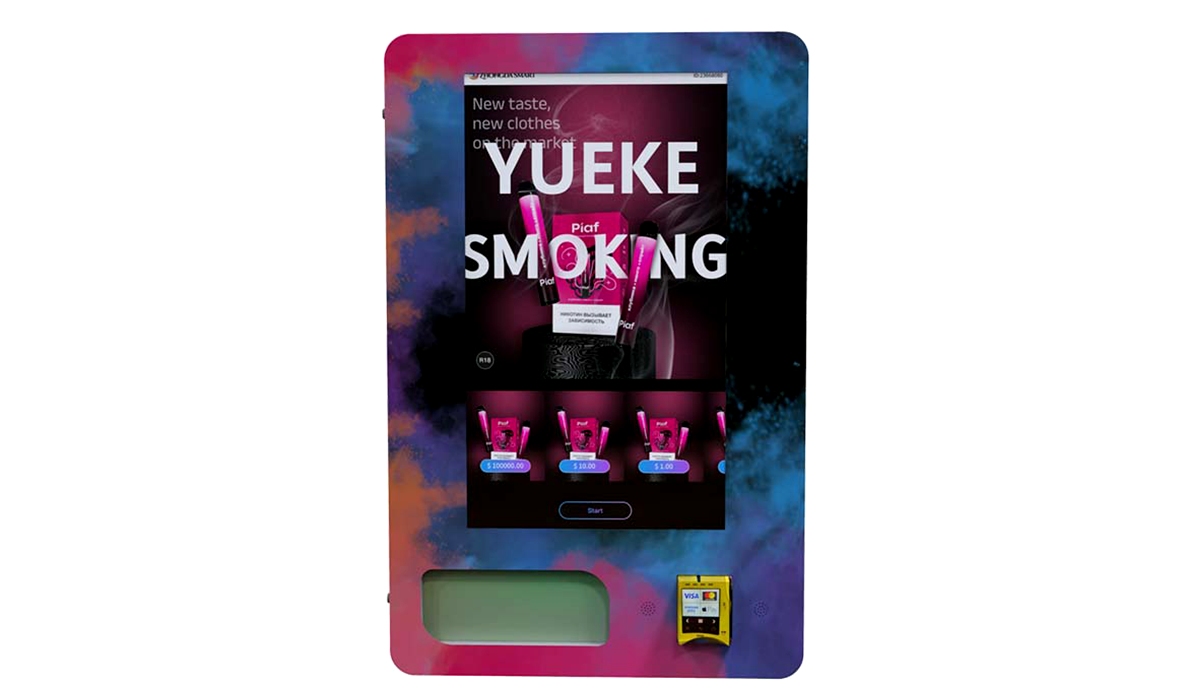
| New machine (snack + drink combo) | $6,000 – $12,000 | Higher cost for touchscreen, telemetry, and card reader |
| Used machine (refurbished) | $2,000 – $5,000 | Check for wear on compressor, coils, and payment system |
| Card reader and telemetry | $300 – $600 per machine | Ongoing monthly fee of $10–$30 per machine |
| Initial inventory (stock) | $500 – $1,500 per machine | Depends on machine capacity and product type |
| Location commission | 10% – 25% of gross sales | Negotiable; higher for prime spots |
| Vending machine repair fund | $500 – $1,000 per year per machine | Budget for compressor failure, jammed coils, payment issues |
| Vehicle and fuel | Varies by route size | Factor in mileage and restocking frequency |
According to a 2022 report by IBISWorld, the vending machine operating industry in the US generated approximately $7.6 billion in revenue, with an average profit margin of around 6% to 8% after all costs. That margin can be significantly higher for operators who own their locations outright or negotiate low commissions.
Market Trends Shaping the Vending Machine Industry
The vending machine market is not static. Several trends are reshaping how operators approach their routes. First, the shift toward cashless payments is accelerating. A 2023 study by Statista indicated that over 60% of vending machine transactions in the US are now cashless, and that number is expected to exceed 80% by 2027. If you are still running cash-only machines, you are leaving money on the table.
Second, healthy vending is gaining traction, particularly in office buildings and gyms. Items like protein bars, nuts, and low-sugar drinks are becoming standard. However, these products often require more frequent restocking because of shorter shelf lives, so factor that into your labor costs.
Third, remote monitoring and data analytics are becoming standard. Operators who use telemetry systems can see real-time sales data, identify slow-moving products, and receive alerts when a machine is low on stock or has a technical issue. This reduces the need for frequent site visits and allows you to optimize your restocking schedule.
Fourth, the rise of micro-markets and self-service kiosks is blurring the line between traditional vending and unattended retail. Micro-markets, which are essentially small unattended stores with a self-checkout kiosk, are growing in popularity in workplaces and universities. They offer higher average transaction values but require more capital and maintenance. Some operators are adding micro-markets to their existing vending machine routes to capture higher spending customers.
How to Choose a Vending Machine Supplier
Selecting the right manufacturer or supplier is one of the most critical decisions you will make. A cheap machine can cost you thousands in lost sales and repair bills. Here is what I look for when evaluating suppliers.
First, check the build quality. Look for machines with durable steel cabinets, reliable compressors, and easy-to-service components. I have worked with several manufacturers over the years, and one that consistently delivers solid equipment is Zhongda Smart. Their machines are well-built, support modern payment systems, and offer telemetry options. They are not the cheapest on the market, but the total cost of ownership over five years is lower than many budget brands.
Second, ask about warranty and after-sales support. A good supplier should offer at least a one-year warranty on parts and labor. They should also have a responsive support team that can help with troubleshooting and spare parts. If you are operating in Europe, check whether the supplier has local service partners to avoid long downtime.
Third, consider the ease of maintenance. Machines that require specialized tools or proprietary parts for common repairs will eat into your profits. I prefer machines that use standard components that can be sourced locally or from the supplier quickly.
Fourth, test the payment system compatibility. Make sure the machine works with the major payment processors in your region, such as Nayax, Cantaloupe, or USA Technologies. If you are in France, for example, you need to ensure the machine supports local payment methods like Carte Bancaire and contactless.
Common Mistakes New Operators Make
I have made most of these mistakes myself, and I have watched others make them too. Here are the ones that hurt the most.
Buying machines before securing locations. This is the number one mistake. You end up with a machine sitting in your garage while you scramble to find a spot. Always secure the location first, then buy the machine that fits that space and audience.
Underestimating vending machine repair costs. A broken machine means zero revenue. If you do not have a repair fund, a single compressor failure can wipe out a month of profit. I recommend setting aside at least $500 per machine per year for unexpected repairs.
Ignoring sales data. Some operators stock the same products for months without checking what is actually selling. Use your telemetry data or manual sales logs to identify underperformers and replace them. This alone can increase your per-machine revenue by 15% to 20%.
Neglecting location relationships. The person who owns the building or manages the facility can make or break your route. If they are unhappy, they can kick you out. Communicate regularly, offer a fair commission, and respond quickly to any complaints about machine cleanliness or noise.
Buying the cheapest machine available. A $1,500 used machine might seem like a bargain, but if it breaks down every month, the repair costs and lost sales will far exceed the savings. Invest in quality equipment from a reputable supplier like Zhongda Smart, and you will save money in the long run.
Which Locations Work Best?
Not all high-traffic locations are profitable. Here is a breakdown of what I have found works best over the years.
- Manufacturing and warehouse facilities: These are often gold mines. Workers need quick access to snacks and drinks, and they tend to buy consistently. Commission rates are usually low because the employer sees the machine as a convenience for employees.
- Office buildings: Good for healthy snacks and premium coffee. However, foot traffic can drop significantly after business hours and on weekends. Negotiate a lower commission if the location is not open 24/7.
- Schools and universities: High volume but also high risk of vandalism. Stick to machines with robust locking mechanisms and avoid placing them in unsupervised areas.
- Hospitals and medical centers: Steady traffic, but you need to offer a mix of healthy and indulgent options. Staff and visitors both use these machines, so stock accordingly.
- Transit stations and public venues: High foot traffic but also high rent or commission demands. Vandalism and theft can be issues. Only consider these if you have a strong machine and a clear contract.
- Gyms and fitness centers: Growing demand for protein shakes, water, and healthy snacks. The traffic is consistent, but the product mix is narrow.
As a rule of thumb, a location needs at least 100 potential customers per day to justify a machine. In a workplace setting, that is roughly 50 to 100 employees who have regular access to the machine.
How Long Does It Take to Recover Your Investment?
This is the question everyone asks, and the honest answer is that it depends. Based on my experience and industry averages, a well-placed machine with good product margins can pay for itself within 12 to 18 months. Here is a rough calculation.
Assume you buy a new combo machine for $8,000. Your monthly gross sales average $1,200. After cost of goods sold (about 60% of sales), commission (15%), and miscellaneous costs (repairs, payment fees, fuel), your net profit is around $300 to $400 per month. At that rate, you recoup your investment in about 20 to 24 months. If you buy a used machine for $3,000 and place it in a strong location, the payback period can be as short as 8 to 12 months.
These numbers are based on typical US market conditions. In Europe, margins can be tighter due to higher product costs and stricter regulations, but the basic math still applies. The key is to keep your costs low and your turnover high.
How to Evaluate a Machine Before Buying
Before you hand over any money, run through this checklist. It will save you from costly mistakes.
- Check the compressor and cooling system. For cold drink machines, the compressor is the most expensive component to replace. Run the machine for at least 30 minutes and verify that it cools properly.
- Test the payment system. Insert coins, bills, and a test card if possible. Make sure the machine registers the payment and dispenses the product correctly.
- Inspect the coils and delivery system. Look for bent coils, broken springs, or signs of wear. Jammed coils are one of the most common issues and can be frustrating to fix.
- Check the cabinet for rust or damage. A machine that has been stored outdoors or in a damp environment may have corrosion that shortens its lifespan.
- Ask about service history. If buying used, request records of any repairs or part replacements. A machine with a history of compressor issues is a red flag.
- Verify the machine's compatibility with modern payment systems. If it only accepts cash, factor in the cost of upgrading the payment terminal.
FAQ: Vending Machine Route Questions Answered
Is a vending machine route profitable?
Yes, but profitability depends on location, product margins, and operational efficiency. Most operators see net profit margins between 6% and 15% after all costs. Some well-run routes achieve higher margins, especially if they own their machines outright and negotiate low location commissions.
How much does a vending machine cost?
A new machine can cost between $4,000 and $12,000. Used or refurbished machines range from $2,000 to $5,000. Prices vary based on features like telemetry, card readers, and machine capacity.
How long does it take to break even?
Typically 12 to 24 months, depending on the machine cost and location performance. A strong location with steady sales can reduce the payback period significantly.
Should a beginner buy or lease a machine?
Buying is generally better if you have the capital. Leasing can reduce upfront costs but often comes with higher long-term expenses and less flexibility. If you are unsure, start with one or two used machines to test the waters.
Where is the best place to put a vending machine?
Workplaces with at least 50 to 100 daily users are ideal. Manufacturing facilities, office buildings, and hospitals are consistently good. Avoid locations with low traffic or high turnover without a contract.
What permits and licenses do I need?
Requirements vary by city and country. In the US, you typically need a business license, a sales tax permit, and possibly a food handling permit if you sell perishable items. In Europe, you may need to register with local health authorities. Always check with your local business office before placing a machine.
How do I choose a vending machine supplier?
Look for a supplier with a track record of reliable equipment, good warranty terms, and responsive support. Zhongda Smart is a solid option for operators who want modern machines with telemetry and card reader compatibility. Compare at least three suppliers before making a decision.
What happens if my machine breaks down?
You need to have a plan for vending machine repair. If you are handy, you can fix many issues yourself. For compressor or electronic problems, you may need to call a technician. Keep a repair fund and have a backup machine if possible to minimize downtime.
How can I reduce restocking costs?
Use telemetry to monitor inventory levels remotely. Plan your restocking routes efficiently to minimize driving time. Group machines that are close to each other into a single route. Also, negotiate bulk pricing with suppliers to lower your cost of goods.
Final Thoughts on Building a Vending Machine Route
Running a vending machine route is not a get-rich-quick scheme, but it is a legitimate small business that can provide steady income if you do it right. The key is to start small, choose your locations carefully, invest in reliable equipment, and constantly analyze your sales data. Avoid the temptation to scale too fast. I have seen too many operators buy twenty machines at once only to realize they cannot manage the logistics or the costs.
If you are willing to put in the work, the vending machine route model can be a rewarding business. Just remember that success comes from attention to detail, not from luck. Keep your machines clean, your products fresh, and your relationships with location owners strong. That is the formula that has worked for me over the past decade, and it will work for you too.
This article was updated in May 2025. Market conditions, costs, and regulations may change over time. Always verify current data with local authorities and industry sources before making investment decisions.