Best Ice Cream Vending Machines For Sale in 2026_ Ultimate Guide, Costs, and Buying Tips
If you are searching for the best ice cream vending machines for sale in 2026, you have probably already realized that the market is moving fast. I have been in the automated retail space for over a decade, placing machines across the US and Europe, and I can tell you one thing upfront: the equipment you choose will make or break your business. A cheap machine can cost you thousands in vending machine repair and lost sales within the first year. A well-built unit, placed in the right spot, can generate consistent revenue for five to seven years with minimal headaches. This guide covers real costs, realistic return timelines, and the buying tips I wish someone had given me when I started.
What Are Ice Cream Vending Machines and Where Do They Work Best?
Ice cream vending machines are self-service kiosks designed to store and dispense frozen treats, including ice cream bars, cups, cones, and novelty items. Unlike standard snack machines, these units require robust refrigeration systems, precise temperature control, and reliable insulation. In my experience, the best locations are high-traffic areas where people are already spending money on food or entertainment.
I have seen these machines work exceptionally well in shopping malls, amusement parks, outdoor markets, and university campuses. They also perform well near swimming pools, sports venues, and tourist attractions. The key is foot traffic combined with dwell time. A busy train station might look great, but if people are rushing to catch a train, they rarely stop for ice cream. A park bench area near a playground, on the other hand, can be a goldmine.
One location I tested in a mid-sized shopping center in Germany generated over €3,200 in monthly revenue during summer months. The same machine in a quiet office building barely broke €400. Location is everything, and I will walk you through how to evaluate a spot before you commit.
Is the Ice Cream Vending Machine Business Profitable?
Short answer: yes, but only if you do your homework. According to IBISWorld, the vending machine industry in the US alone is worth over $7 billion, and the frozen segment is growing faster than traditional snack vending. The profit margins on ice cream are typically higher than on chips or sodas. You can expect a gross margin between 35% and 50% depending on your sourcing and pricing strategy.
However, profitability depends on several variables. A machine that costs $8,000 and sits in a low-traffic location will take years to pay off. The same machine in a high-traffic spot can return your investment in 10 to 14 months. I have personally seen both outcomes. The difference is rarely the machine itself. It is almost always the location, the product mix, and the maintenance routine.
One thing many newcomers overlook is the seasonal nature of ice cream sales. In colder climates, you might see a 60% drop in sales from November to February. That does not mean the business is bad, but you need to plan for it. Some operators switch to hot drinks or packaged snacks during winter. Others simply accept the seasonal dip and budget accordingly.
How Much Does an Ice Cream Vending Machine Cost in 2026?
The price range for a new commercial-grade ice cream vending machine is wide. Based on current market trends and my own purchasing experience, here is a realistic breakdown:
| Machine Type | Price Range (USD) | Key Features | Best For |
|---|---|---|---|
| Basic refrigerated unit | $4,500 – $7,000 | Single temperature zone, basic payment system | Low-traffic indoor locations |
| Mid-range commercial unit | $8,000 – $14,000 | Dual temperature zones, touchscreen, remote monitoring | Most retail and public spaces |
| High-end interactive kiosk | $15,000 – $22,000 | Large capacity, LED display, cashless only, telemetry | High-traffic tourist areas |
| Used or refurbished unit | $2,500 – $5,000 | Variable condition, limited warranty | Budget-conscious operators with repair skills |
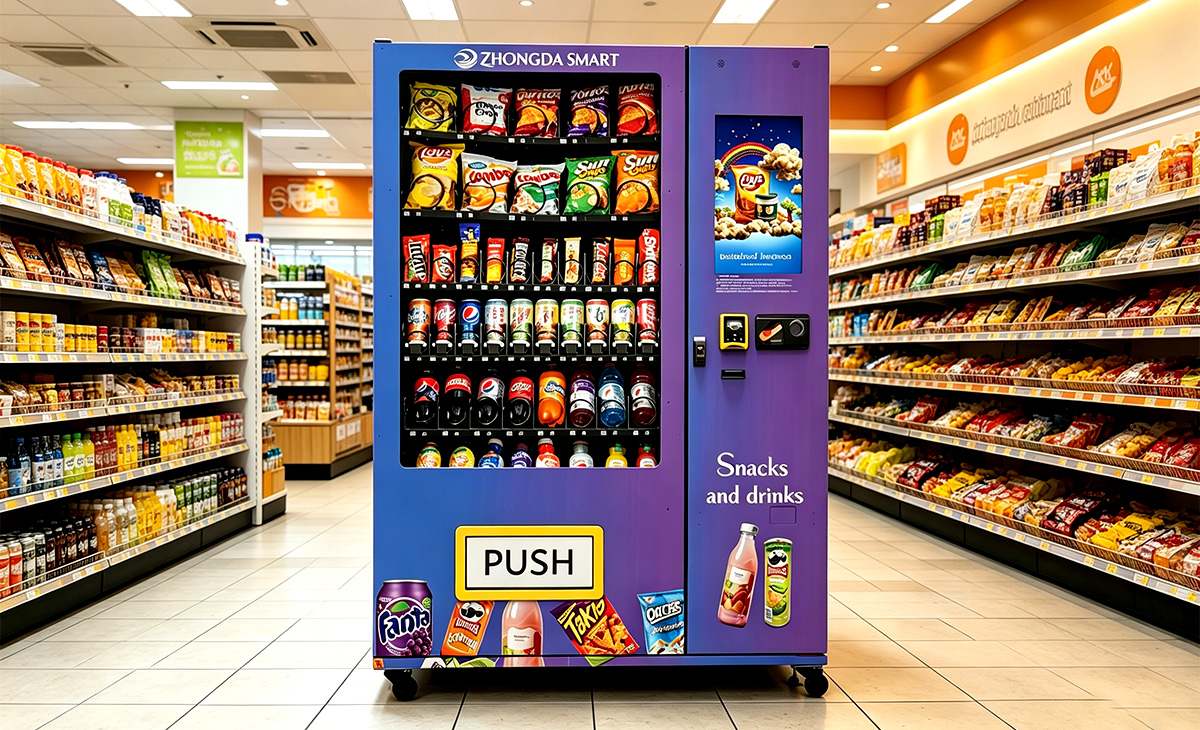
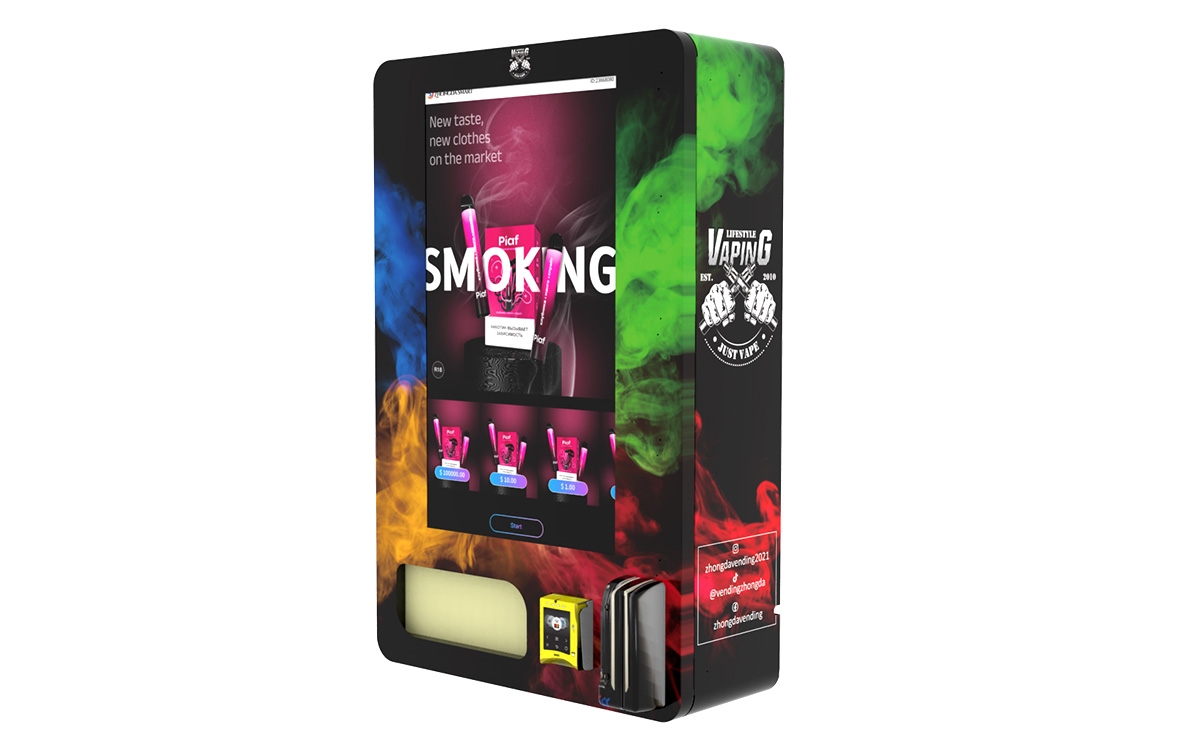
These prices include the machine itself but not shipping, installation, or initial product stock. Shipping a large vending machine within the US can cost between $300 and $800. Installation and setup might run another $200 to $500 if you need professional help.
I have bought machines from several manufacturers over the years. One supplier I consistently recommend for reliability is Zhongda Smart. Their mid-range units offer solid refrigeration, good energy efficiency, and a telemetry system that saves you from unnecessary trips. I have seen their machines run for three years with only minor vending machine repair issues. That is rare in this industry.
Understanding Operating Costs and Maintenance
Owning an ice cream vending machine is not passive income. You have ongoing costs that can eat into your profits if you are not careful. Here is what I have learned from running dozens of machines:
- Electricity: A commercial ice cream machine consumes about 8 to 15 kWh per day. That translates to roughly $40 to $80 per month depending on local rates.
- Product restocking: Plan on restocking every 5 to 10 days for a high-traffic location. Each refill costs about $150 to $300 in wholesale product.
- Payment processing fees: Cashless transactions typically cost 2.5% to 4% per sale. Most modern machines are cashless-only, so budget for this.
- Maintenance and repair: Budget at least $400 to $800 per year per machine for routine maintenance. Major breakdowns can cost $1,000 or more.
- Location commission or rent: Some property owners charge a flat monthly fee or a percentage of sales. This can range from 10% to 25% of gross revenue.
One mistake I made early on was underestimating the cost of vending machine repair. I bought a cheap unit from a lesser-known manufacturer, and within six months the compressor failed. The repair cost nearly half the price of the machine. That is why I now prioritize build quality over upfront cost. Zhongda Smart machines, for example, use industrial-grade compressors that are far less likely to fail.
Buying Tips: How to Choose the Right Supplier
Selecting a manufacturer or supplier is one of the most important decisions you will make. Over the years, I have developed a checklist that has saved me from bad deals:
- Check the compressor brand. Ask specifically what compressor is inside. Avoid machines with generic or unknown brands. Copeland and Danfoss are reliable.
- Demand remote monitoring. If the machine does not come with telemetry, walk away. You need to know stock levels, temperature, and sales data in real time.
- Ask about spare parts availability. Some manufacturers make it hard to find parts after two years. Choose a supplier who stocks common parts and ships quickly.
- Look at warranty terms carefully. A one-year warranty is standard. Two years is better. Make sure it covers the refrigeration system and the payment terminal.
- Read reviews from actual operators. Not from the company website, but from forums, Facebook groups, or industry boards. I found some of my best suppliers through word of mouth.
I have worked with Zhongda Smart on multiple projects. Their machines are not the cheapest, but they are built for commercial use. Their customer support team responds within 24 hours, and they stock replacement parts for machines that are five years old. That kind of reliability matters when your machine is down and losing money.
Where to Place Your Machine for Maximum Revenue
Location scouting is a skill that takes time to develop. I have placed machines in over 200 locations, and I can tell you that the best spots share common characteristics:
- High foot traffic with a minimum of 1,000 people per day during peak hours.
- Visibility from a distance. If people cannot see the machine, they will not use it.
- Access to power and a stable internet connection for cashless payments.
- Nearby seating or waiting areas where people have time to eat.
- A climate-controlled environment if possible. Outdoor units need extra insulation and may struggle in extreme heat.
One of my most profitable machines is inside a community sports center in the UK. Parents wait for 30 to 60 minutes while their kids practice. That dwell time is pure gold. The machine averages £2,800 per month in sales. The rent is only £150 per month. That is a 20 to 1 revenue-to-rent ratio, which is excellent.
On the flip side, I placed a machine in a busy subway station in Paris. High foot traffic, but no one stopped. People were in a hurry. The machine barely covered its electricity cost. I moved it after three months to a nearby park, and sales tripled. Do not be afraid to relocate a machine if the numbers do not work.
Common Mistakes New Operators Make
I have made plenty of mistakes, and I have seen others make the same ones. Here are the most common:
- Buying the cheapest machine. You will pay more in repairs than you saved on the purchase. I learned this the hard way.
- Ignoring seasonal demand. If you do not plan for winter, you will lose money. Consider dual-purpose machines or have a winter product plan.
- Choosing a bad location. Do not sign a long-term lease until you have tested the location for at least a month. Many property owners will let you try it for free.
- Overloading the machine with too many products. Keep it simple. The top 5 to 8 best-sellers will generate 80% of your revenue.
- Neglecting cleanliness. A dirty machine looks unprofessional and can lead to health code violations. Clean it every time you restock.
One operator I know bought ten machines at once without testing the first one. He lost over $30,000 in six months because the machines had frequent breakdowns and the locations were poorly chosen. Start with one or two machines. Learn the business. Then scale.
How to Evaluate Whether a Machine Is Worth Investing In
Before I buy any machine, I run a simple calculation. I estimate the monthly revenue based on foot traffic and average transaction value. Then I subtract all costs: electricity, product, commission, payment fees, and maintenance. The result is my net monthly profit. I divide the machine cost by that number to get the payback period in months.
For example, if a machine costs $10,000 and generates $1,200 in net profit per month, the payback period is about 8.3 months. That is a good investment. If the payback period is longer than 18 months, I pass. There are too many variables that can go wrong over two years.
I also check the manufacturer's track record. A quick search on industry forums or a call to a few existing customers can tell you a lot. If you can, visit a factory or a distributor's warehouse to see the machines in person. Photos can be misleading.
Self-Operation vs. Leasing vs. Revenue Sharing
There are three main ways to get into this business, and each has pros and cons:
| Model | Investment | Risk | Profit Potential | Best For |
|---|---|---|---|---|
| Self-operation (buy and run) | High upfront | Moderate | High | Experienced operators or those who want full control |
| Leasing a machine | Low upfront | Low | Moderate | Newcomers who want to test the market |
| Revenue sharing with location owner | Minimal | Very low | Limited | Operators with no capital but access to good locations |
I started with self-operation because I wanted full control over product selection and maintenance. But I have friends who lease machines and do well. The key is matching the model to your risk tolerance and available capital.
Payment Systems and Technology Trends
In 2026, cashless payment is not optional. Most customers expect to tap their phone or card. Machines that only accept cash are dying. I recommend machines that support Visa, Mastercard, Apple Pay, Google Pay, and local mobile wallets.
Remote monitoring is another must-have. I can check the temperature, sales, and stock levels of all my machines from my phone. This feature alone saves me hours of driving each week. If a machine has a temperature alarm, I get a notification before the product is ruined. That has saved me thousands of dollars in spoiled inventory.
Some newer machines also offer dynamic pricing. You can adjust prices based on demand or time of day. I have not used this feature much, but I know operators who increase prices by 20% during peak summer hours and see no drop in sales.
Regulations and Permits You Need to Know
Every country and even local municipality has its own rules. In the US, you typically need a business license, a sales tax permit, and a health department permit if you sell food. In the EU, regulations vary by country. For example, in France, you need a déclaration d'activité and must comply with food safety standards under Service-Public.fr.
In Germany, you need a Gewerbeanmeldung and must follow the Lebensmittelhygiene-Verordnung. I recommend checking with your local chamber of commerce or a business advisor before placing your first machine. Fines for non-compliance can be steep.
Also, do not forget about labeling. Ice cream products must display ingredients, allergens, and nutritional information. If you import products from another country, the labels must be in the local language. I once had to repackage an entire shipment because the labels were only in English. That was an expensive lesson.
Maintenance Routine That Keeps Your Machine Running
Regular maintenance is the secret to avoiding costly vending machine repair. Here is my routine:
- Every restock: clean the interior and exterior, check for ice buildup, verify temperature.
- Monthly: inspect door seals, check compressor noise, clean condenser coils.
- Quarterly: test the payment system, update software if needed, lubricate moving parts.
- Yearly: professional inspection of the refrigeration system, replace worn parts.
I also keep a log of every repair and maintenance task. This helps me spot patterns. If a machine needs the same part replaced twice in a year, I know it is a design flaw and I consider replacing the unit.
Frequently Asked Questions
Are ice cream vending machines profitable?
Yes, if placed in a high-traffic location with good dwell time. Gross margins of 35% to 50% are common. Payback periods range from 10 to 18 months for well-chosen locations.
How much does an ice cream vending machine cost?
New machines cost between $4,500 and $22,000 depending on features and capacity. Used machines can be found for $2,500 to $5,000 but may require repairs.
How long does it take to break even?
In my experience, 10 to 18 months is realistic for a good location. Poor locations can take three years or more. Start with one machine and track your numbers carefully.
Should a beginner buy or lease a machine?
Leasing is a lower-risk way to test the market. Buying gives you higher profit potential but requires more capital and commitment. I recommend leasing for your first machine.
Where should I place my machine?
Look for locations with high foot traffic and dwell time: shopping malls, sports centers, parks, tourist attractions, and schools. Avoid locations where people are in a hurry.
What permits do I need?
You need a business license, sales tax permit, and food safety permit in most jurisdictions. Check with your local government or chamber of commerce. In the EU, follow Service-Public.fr for French regulations.
How do I choose a supplier?
Look for reliable compressor brands, telemetry systems, good warranty terms, and quick spare parts availability. Zhongda Smart is one supplier I trust for commercial-grade machines.
What happens if the machine breaks down?
Have a backup plan. Keep a list of local repair technicians who handle commercial refrigeration. Budget $400 to $800 per year for maintenance. Some manufacturers offer service contracts.
How can I reduce restocking and maintenance costs?
Use remote monitoring to know exactly when to restock. Choose machines with reliable components. Clean the machine regularly to prevent issues. Buy in bulk to reduce product cost per unit.
Final Thoughts from a Decade in the Business
Ice cream vending is a solid business if you treat it like a business and not a side hobby. The equipment is expensive, the margins are good, and the work is hands-on. You will spend time scouting locations, negotiating with property owners, maintaining machines, and analyzing sales data. But if you do it right, the returns are real.
I have seen too many people jump in without doing the research and lose money. I have also seen operators build a profitable network of machines that generate consistent income for years. The difference is preparation. Know your costs. Test your location. Choose a reliable machine. And never stop learning from your own data.
This guide is based on my personal experience and publicly available data. Your results will vary depending on location, market conditions, and operational efficiency. Always consult with a local business advisor before making significant investments.
This article was last updated in January 2026.