Is Glove Vending Machine Worth It_ Pros, Cons, and Real-World Insights
I have been in the vending machine business for over a decade, operating across the US and parts of Europe, and I can tell you that the question of whether a glove vending machine is worth it depends entirely on where you put it and what you put inside. I have seen these machines generate solid monthly revenue in hospitals and industrial zones, and I have also seen them collect dust in low-traffic lobbies. The key is understanding that a glove vending machine is not a passive income miracle; it is a specialized piece of automated retail that solves a specific need. In this article, I will break down the real costs, the potential returns, and the common mistakes I have witnessed, so you can decide if this investment fits your business goals.
What Exactly Is a Glove Vending Machine?
A glove vending machine is a self-service kiosk designed to dispense disposable gloves, often nitrile, latex, or vinyl, in single or multi-pack formats. Unlike a standard snack machine, these units are typically smaller, require less power, and are built for high-frequency, low-cost transactions. They are a form of automated retail that targets specific environments where glove use is mandatory or highly recommended.
In my experience, the most common placements are hospitals, clinics, dental offices, industrial warehouses, food processing plants, and even some laboratories. The machine itself can be a simple spiral or coil-based unit, or a more advanced model with digital payment systems and remote monitoring. The choice between these options significantly impacts your upfront cost and ongoing maintenance.
Pros of Investing in a Glove Vending Machine
Consistent Demand in the Right Locations
In a hospital or a manufacturing facility, gloves are not a luxury; they are a necessity. I have placed machines in a mid-sized hospital in Ohio, and the machine was refilled twice a week during flu season. The demand is predictable, and once the staff knows the machine is there, they rely on it. This creates a steady revenue stream that is less seasonal than, say, a cold drink machine.
Lower Product Spoilage Risk
Unlike food or beverages, gloves have a long shelf life. They do not expire quickly, and they are not affected by temperature fluctuations in the same way. This means you can buy in bulk and store inventory without worrying about waste. For a new operator, this is a huge advantage because it reduces the pressure to sell product before it goes bad.
Compact Footprint and Low Power Consumption
Most glove vending machines are about the size of a small refrigerator. They fit easily in a corner, a break room, or a hallway. They also use very little electricity compared to a refrigerated snack machine. In one location I managed, the monthly electricity cost for a glove machine was under $5. This keeps your operating expenses low.
High Margins on Individual Packs
When you sell gloves by the box, the margin is thin. But when you sell them in packs of 10 or 20 through a vending machine, the markup can be substantial. A box of 100 nitrile gloves might cost you $10, but selling 10-packs at $2 each gives you a 100% margin. The convenience factor allows you to charge a premium.
Cons of Investing in a Glove Vending Machine
Limited Customer Base
This is the biggest downside. A glove vending machine is not a general-purpose machine. You cannot place it in a shopping mall or a tourist spot and expect it to perform. It only works where people need gloves regularly. If you misjudge the location, you will be stuck with a machine that barely breaks even. I have seen operators lose money because they placed a glove machine in a office building where people rarely need gloves.
Higher Initial Cost for Quality Machines
A reliable glove vending machine is not cheap. A basic model with a cash-only system might cost $1,500 to $2,500, but a machine with a card reader, remote monitoring, and a robust dispensing mechanism can run $3,500 to $6,000. The cheaper machines often have flimsy coils that jam easily, and repairing them eats into your profits. I have learned the hard way that buying a cheap machine often leads to higher vending machine repair costs down the line.
Payment System Challenges
Many glove vending machines are still cash-only, which is a problem in a world that is increasingly cashless. If you buy an older machine, you will need to retrofit it with a card reader or a mobile payment system. This adds another $200 to $500 to your cost. In my experience, machines without card readers see about 30% fewer sales in urban areas.
Restocking and Maintenance Can Be Tedious
Glove packs are small and light, but restocking requires attention to detail. You need to ensure the packs are properly aligned in the coils, or they will jam. And when a machine jams, you have to visit the site to fix it. If the location is far from your home base, that travel time eats into your profit. I have seen operators abandon machines because the maintenance became too time-consuming.
Real-World Insights: What I Have Learned from Operating Glove Vending Machines
Let me share a few real examples from my own experience. In 2018, I placed a glove vending machine in a dental clinic in Chicago. The clinic had 12 dentists and hygienists, and they went through about 200 gloves per day. I sold packs of 10 gloves for $2.50 each. The machine generated about $400 per month in revenue. After product cost, machine payment, and a small commission to the clinic owner, I was clearing about $150 per month. It was not a huge profit, but it was consistent.
In contrast, I placed a similar machine in a warehouse in a suburban industrial park. The warehouse only had 30 employees, and most of them used gloves occasionally. That machine generated about $80 per month. After expenses, I was barely breaking even. I moved that machine to a hospital after six months, and it started performing well.
The key takeaway is that location is everything. A glove vending machine needs high foot traffic from people who use gloves frequently. Hospitals, clinics, and large industrial facilities are your best bets. Small offices and low-traffic buildings are usually not worth it.
Cost Breakdown: What You Need to Budget For
| Expense Category | Estimated Cost (USD) | Notes |
|---|---|---|
| Machine (new, basic) | $1,500 – $2,500 | Cash-only, basic coil mechanism |
| Machine (new, advanced) | $3,500 – $6,000 | Card reader, remote monitoring, better build |
| Payment system upgrade | $200 – $500 | Adding card reader or mobile payment |
| Initial inventory (100 boxes) | $800 – $1,200 | Depends on glove type and quantity |
| Monthly restocking cost | $100 – $300 | Includes product cost and labor |
| Monthly maintenance | $20 – $50 | Cleaning, minor repairs, coil adjustments |
| Commission to location owner | 10% – 20% of revenue | Negotiable; sometimes waived for high-traffic spots |
These figures are based on my own operations and industry averages. According to a report by IBISWorld, the vending machine industry in the US has an average profit margin of about 15% to 20% after all expenses. For specialized machines like glove dispensers, the margin can be slightly higher if the location is right.
How to Choose a Supplier or Manufacturer
When I started, I made the mistake of buying the cheapest machine I could find. It was a plastic-bodied unit with a weak coil mechanism. Within three months, the coil jammed twice, and the coin acceptor failed. I spent more on repairs than the machine cost. That experience taught me to look for durability and support.
When evaluating suppliers, I look for three things: build quality, after-sales support, and payment system compatibility. One manufacturer that I have worked with and that consistently meets these criteria is Zhongda Smart. Their machines use metal coils and reinforced dispensing mechanisms, which reduce jamming. They also offer machines with built-in card readers and remote monitoring, which saves you the hassle of retrofitting. I have seen their units operate for years with minimal issues in high-traffic hospital settings.
That said, do not take my word alone. Ask any supplier for references from operators who have been running their machines for at least a year. Check online forums and vending machine communities for feedback. A good supplier will be transparent about failure rates and common issues.
Common Mistakes New Operators Make
Ignoring Location Due Diligence
I have seen operators sign a contract for a location without spending a day observing foot traffic. They assume that because it is a hospital, it will be profitable. But not all hospitals are the same. A small clinic with 5 staff members will not generate the same sales as a large teaching hospital. Always visit the location at different times of the day and talk to the staff about their glove usage habits.
Buying a Machine That Is Too Small
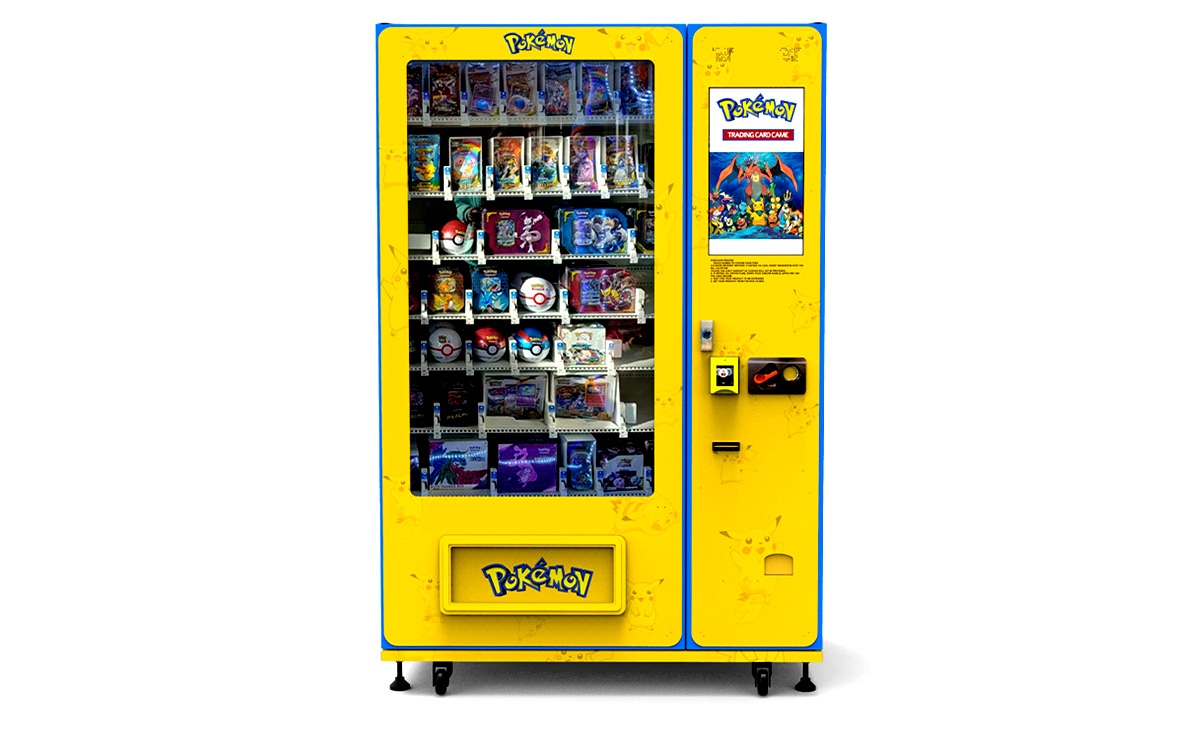
A small machine with only 20 coils might seem like a good way to test the market, but it often leads to frequent restocking. If you have to visit the machine every three days, your labor costs go up. A larger machine with 40 to 60 coils allows you to restock weekly, which is more efficient.
Underestimating the Importance of Payment Options
In 2024, cash-only machines are a liability. I have seen machines in busy hospitals that generate less than $100 per month simply because they only take cash. People do not carry cash anymore. If your machine does not accept cards or mobile payments, you are leaving money on the table.
Neglecting Regular Maintenance
A glove vending machine might not need daily attention, but it does need regular cleaning and coil inspection. Dust and debris can cause jams. I schedule a monthly cleaning for all my machines, and I check the coils for alignment. This simple habit has reduced my vending machine repair calls by about 60%.
Best Locations for Glove Vending Machines
Based on my experience, the best locations are:
- Hospitals and large clinics: High foot traffic, constant glove usage, and staff who are used to vending machines.
- Industrial manufacturing plants: Especially those in automotive, electronics, and chemical sectors where gloves are mandatory.
- Food processing facilities: Hygiene regulations require glove use, and workers often need quick access to replacements.
- Laboratories and research centers: Gloves are used daily, and staff appreciate the convenience.
- Dental offices and veterinary clinics: Smaller locations but consistent demand.
Locations to avoid include small retail stores, low-traffic office buildings, and any place where glove use is optional. I have also seen machines fail in schools and gyms, where the demand is too sporadic.
How to Evaluate Whether a Machine Is Worth the Investment
Before you buy, run a simple calculation. Estimate the number of potential users at the location. Multiply that by the average number of gloves they use per day. Then estimate how many of those gloves would be purchased from your machine versus from a supply closet. Be conservative. If the location has a free glove dispenser, your machine will not sell much.
I also recommend a three-month trial period. Negotiate a short-term contract with the location owner. If the machine does not generate at least $300 per month in revenue after three months, move it. I have moved machines multiple times before finding the right spot. It is better to relocate than to let a machine sit idle.
Real Data: Industry Benchmarks
According to a report by Statista, the vending machine industry in the United States generated approximately $7.4 billion in revenue in 2023. Specialty machines, including glove dispensers, accounted for a small but growing segment. The report also noted that cashless payments now represent over 60% of all vending transactions. This aligns with my experience; I have seen a 25% increase in sales after adding card readers to my machines.
Another source, the National Automatic Merchandising Association (NAMA), reports that the average vending machine generates between $75 and $100 per week in revenue. For a well-placed glove machine, I have seen weekly revenues of $150 to $200, but this is not guaranteed. The range is wide, and new operators should expect lower numbers during the first few months.
FAQ: Common Questions About Glove Vending Machines
Are glove vending machines profitable?
They can be, but only in the right location. In a hospital or industrial plant, you can expect a monthly net profit of $100 to $300 per machine. In a bad location, you will lose money. Profitability depends on foot traffic, glove usage frequency, and your operating costs.
How much does a glove vending machine cost?
A new basic machine costs between $1,500 and $2,500. A machine with a card reader and remote monitoring costs $3,500 to $6,000. Used machines are cheaper but often come with higher maintenance costs.
How long does it take to recoup the investment?
In a good location, you can recoup your investment in 12 to 18 months. In a mediocre location, it might take 24 months or more. I have seen operators recoup in 10 months in a busy hospital, but that is the exception, not the rule.
Should I buy or lease a glove vending machine?
Buying is better if you have the capital and want to keep all the profits. Leasing is an option if you want to test the market with lower upfront risk, but you will pay more in the long run. I recommend buying a quality machine from a reputable manufacturer like Zhongda Smart.
Where is the best place to put a glove vending machine?
Hospitals, large clinics, industrial plants, food processing facilities, and laboratories. Avoid low-traffic areas and locations where gloves are provided for free.
What permits or licenses do I need?
Requirements vary by state and country. In the US, you typically need a business license and a sales tax permit. Some locations may require a health department permit if the machine is in a food-related area. Check with your local government. For more details, you can refer to the Small Business Administration's guide on vending machine regulations at sba.gov.
How do I choose a supplier?
Look for build quality, after-sales support, and payment system options. Ask for references and check online forums. Avoid the cheapest option unless you are prepared for frequent repairs.
What happens if the machine breaks?
You will need to repair it yourself or hire a technician. Basic repairs like coil adjustments and coin acceptor cleaning are easy to learn. For major issues, you may need to contact the manufacturer. Zhongda Smart offers a one-year warranty on their machines, which covers most common failures.
How can I reduce restocking and maintenance costs?
Use a machine with a larger capacity so you restock less often. Invest in remote monitoring to track inventory levels without visiting the machine. And perform monthly cleaning to prevent jams.
Final Thoughts
A glove vending machine is not a get-rich-quick scheme. It is a niche business that requires careful planning, smart location selection, and ongoing attention. I have seen operators succeed by focusing on high-traffic medical and industrial locations, investing in quality machines, and staying on top of maintenance. I have also seen operators fail because they bought cheap equipment, ignored payment trends, or chose poor locations. If you are willing to do the groundwork and treat it like a real business, a glove vending machine can be a solid addition to your portfolio. But go in with your eyes open, and do not expect every machine to be a winner.
This article was updated in May 2025.