Best Boba Tea Vending Machine in 2026_ Ultimate Guide, Costs, and Buying Tips
If you are looking into automated retail in 2026, you have probably noticed that the bubble tea craze has finally hit the vending machine space. After a decade of running vending operations across the U.S. and parts of Europe, I can tell you that the Best Boba Tea Vending Machine in 2026 is not just a novelty—it is a serious business tool. These machines solve a real pain point: customers want fresh, cold boba without waiting in line at a tea shop. I have seen operators make solid returns in high-footfall locations like college campuses and transit hubs. But not every machine is built the same, and not every location will pay off. This guide covers the real costs, the practical buying tips, and the operational realities you need to know before investing in a self-service boba kiosk.
What Is a Boba Tea Vending Machine and Where Does It Fit?
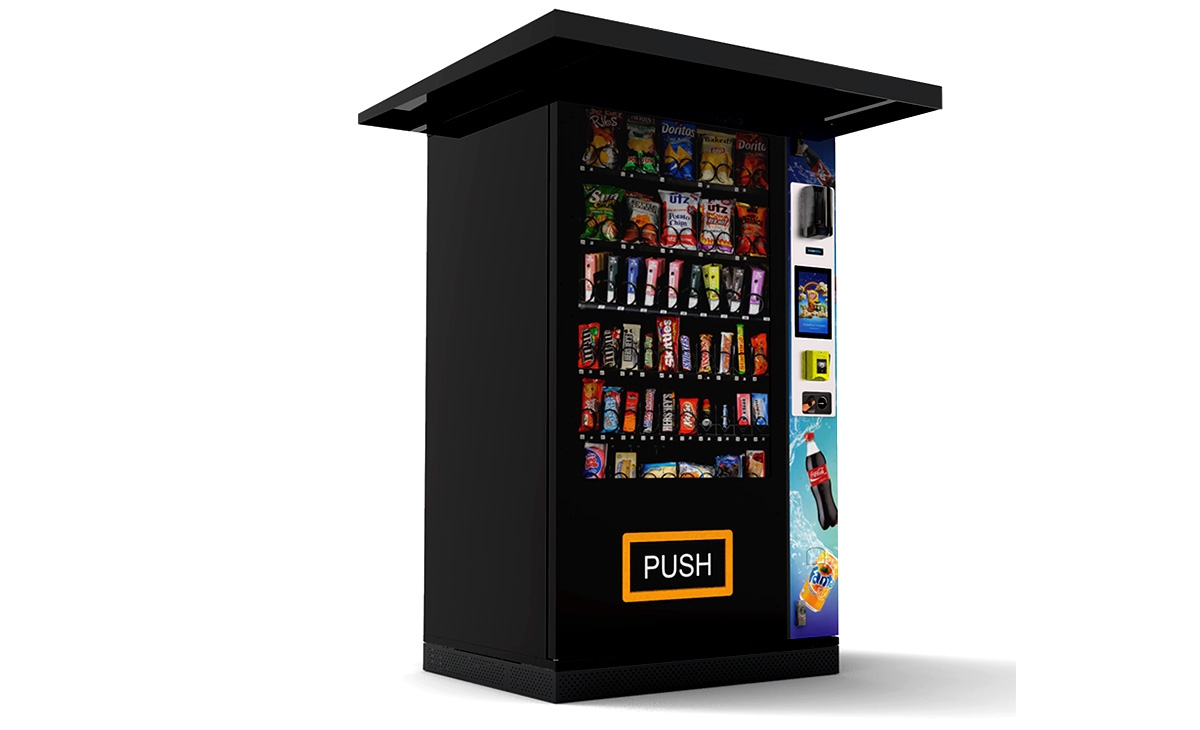
A boba tea vending machine is essentially a refrigerated self-service kiosk that dispenses cups of bubble tea with tapioca pearls. Unlike a standard snack or soda machine, these units require more sophisticated refrigeration, a mixing or dispensing mechanism for the pearls, and a cup-drop system that seals the drink properly.
In my experience, these machines work best in locations where people already gather and expect quick food options. College campuses, office building lobbies, hospital cafeterias, and busy transit stations are the top performers. A machine placed in a mid-sized university dormitory can serve 40 to 60 cups per day during peak hours.
What makes this category different from traditional vending is the perishable nature of the product. Boba pearls have a shelf life of about 4 to 6 hours once hydrated, and the milk-based tea needs consistent refrigeration at 35 to 40 degrees Fahrenheit. This means you cannot simply fill the machine once a week and walk away.
Is a Boba Vending Machine Business Profitable?
This is the first question every operator asks me, and the honest answer is: it depends entirely on location and execution. I have seen machines gross over $3,000 per month in a single high-traffic location, and I have also seen units sit idle in low-traffic strip malls, losing money on spoilage and electricity.
Based on my own experience and data from IBISWorld, the average vending machine operator in the U.S. sees a profit margin between 10% and 20% after all costs are accounted for. For boba machines specifically, the margin can be higher because the cost of goods sold (COGS) is relatively low. A cup of boba that sells for $5.50 might cost you around $1.20 in ingredients and packaging, giving a gross margin of about 78%.
However, the net profit shrinks once you factor in machine lease or purchase cost, location rent, electricity, maintenance, and labor for restocking. In a good location, I have seen operators break even in 12 to 18 months. In a bad location, you might never recover your initial investment.
How Much Does a Boba Tea Vending Machine Cost?
Let me break this down by the two main options: buying versus leasing. I have worked with both models, and each has its pros and cons depending on your capital and risk tolerance.
Purchase Cost
A new, commercial-grade boba vending machine in 2026 typically costs between $8,000 and $18,000. The price varies based on capacity, refrigeration quality, touchscreen interface, and payment system integration. Machines with advanced telemetry and remote monitoring cost more but save you time on route planning.
I recommend budgeting an additional $1,500 to $2,500 for installation, delivery, and initial setup. If you buy from a supplier like Zhongda Smart, you can often get a package that includes installation support and a warranty period, which reduces your upfront risk.
Leasing Cost
Leasing is a good option if you want to test the market without a large capital outlay. Monthly lease payments for a boba machine range from $200 to $400, typically over a 36- or 48-month term. Some leasing agreements include maintenance, but many do not. Read the fine print carefully.
In one of my early projects, I leased four machines for a pilot program across two university campuses. The monthly lease was $280 per machine. After six months, I had enough sales data to know which locations worked and which did not. I then bought out the leases for the two profitable spots and returned the others.
Operating Costs You Cannot Ignore
Many new operators focus only on the machine price and forget the recurring costs. Here is what I have learned from running dozens of machines over the years.
Product and Packaging
Expect to spend $1.00 to $1.50 per cup on tea, milk, sugar, boba pearls, and cups. If you buy in bulk from a distributor, you can bring this down to around $0.85 per cup. Spoilage is a real cost. I typically add 5% to my COGS estimate for wasted product that expires before being sold.
Location Rent or Commission
Landlords or property managers will usually ask for a commission of 10% to 25% of gross sales, or a flat monthly fee. In prime locations like a busy train station, you might pay $300 to $600 per month in rent. In less competitive spots, you can negotiate a lower percentage.
Electricity
A refrigerated boba machine draws about 800 to 1,200 watts per hour. Depending on your local electricity rates, this can cost $50 to $120 per month. Machines with energy-efficient compressors are worth the extra upfront investment.
Maintenance and Repairs
This is where many operators get burned. A refrigeration failure or a jammed cup dispenser can cost $150 to $400 per repair call. I always recommend having a backup plan with a local vending machine repair technician. Some suppliers offer maintenance contracts for $50 to $80 per month, which can be worth it for the first year.
Restocking Labor
You can do this yourself, or you can hire a part-time worker. In my experience, restocking a single machine takes about 45 minutes to an hour, including cleaning and checking the machine for issues. If you pay someone $15 per hour, that is about $60 to $90 per week for a machine that needs restocking every other day.
Key Factors to Evaluate Before Buying a Machine
After a decade in this business, I have developed a mental checklist that I use before recommending any machine to a client. Here are the most important factors.
Refrigeration Quality
The refrigeration system is the heart of a boba machine. If it fails, you lose your entire inventory. Look for machines with commercial-grade compressors and backup temperature monitoring. Some cheap machines use residential-grade components that fail within a year.
Payment System Integration
In 2026, customers expect to pay with credit cards, Apple Pay, Google Pay, and sometimes even cryptocurrency. A machine that only accepts cash will limit your sales significantly. Make sure the machine supports NFC and has a reliable card reader. I have seen machines with outdated payment systems lose 30% of potential sales.
Capacity and Cup Size
Most machines hold between 80 and 120 cups. If you place a machine in a high-traffic location, you want a larger capacity to reduce restocking frequency. Also check if the machine can handle different cup sizes, as customers often want a choice between 12 oz and 16 oz.
Telemetry and Remote Monitoring
This feature is not optional anymore. A machine that reports inventory levels, sales data, and temperature alerts in real time saves you hours of driving and prevents spoilage. Machines without telemetry are harder to manage, especially if you operate multiple units.
Ease of Cleaning
Boba pearls leave residue, and the dispensing mechanism needs regular cleaning. Machines with removable parts and easy access to the interior are worth paying more for. I have seen operators abandon machines simply because cleaning was too difficult.
Where to Place a Boba Vending Machine for Maximum Revenue
Location is everything. I have seen identical machines in two different spots generate wildly different revenues. Here is a breakdown of location types based on my experience and data from Statista on vending machine placement trends.
| Location Type | Estimated Daily Cups Sold | Monthly Revenue Estimate | Key Considerations |
|---|---|---|---|
| University campus (dorm or student center) | 40–70 | $4,400–$7,700 | High foot traffic; seasonal dips during breaks |
| Office building lobby | 20–40 | $2,200–$4,400 | Steady weekday traffic; low weekends |
| Hospital cafeteria | 25–50 | $2,750–$5,500 | 24/7 traffic; shift workers are consistent buyers |
| Transit hub (train station, bus terminal) | 30–60 | $3,300–$6,600 | High turnover; requires frequent restocking |
| Strip mall or retail corridor | 10–25 | $1,100–$2,750 | Lower traffic; longer restocking intervals |
These numbers are based on my own operational data and should be treated as estimates. Actual results will vary based on local demographics, pricing, and competition from nearby tea shops.
How to Choose a Supplier or Manufacturer
This is where I see the most mistakes from new operators. Many are drawn to the cheapest machine they can find on Alibaba or a generic marketplace. That almost always ends badly. Here is what I look for in a supplier.
Track Record in Your Market
Ask for references from operators in your region. A supplier that has machines running in the U.S. or Europe will understand local compliance requirements, voltage standards, and payment system compatibility. I have worked with Zhongda Smart on several projects because they have a solid track record in Western markets and offer machines with CE and UL certifications.
Warranty and After-Sales Support
A one-year warranty is standard, but I prefer suppliers that offer extended warranties on the refrigeration unit and compressor. Also ask about the availability of spare parts. If you have to wait six weeks for a replacement part, your machine sits idle and loses money.
Customization Options
Some suppliers allow you to customize the machine's exterior with your branding, which helps attract attention. Others offer different dispensing mechanisms for various types of boba toppings. If you plan to expand, choose a supplier that can scale with you.
Payment System Flexibility
Make sure the machine can integrate with the payment processors you plan to use. In the U.S., that usually means Nayax or USA Technologies. In Europe, you might need support for local providers like Worldline or Ingenico.
Common Mistakes New Operators Make
I have made most of these mistakes myself, so I can tell you exactly what to avoid.
Buying the Cheapest Machine
The lowest-priced machines often have weak refrigeration, poor build quality, and no telemetry. I know an operator who bought five machines at $4,500 each. Within eight months, three of them had compressor failures. The repair costs ate up all his profit.
Ignoring Location Due Diligence
Never sign a location agreement without spending at least a few hours observing foot traffic. Count how many people walk past during peak hours. Talk to nearby businesses about their customer flow. I once placed a machine in a newly renovated food court that looked perfect on paper, but the foot traffic was half of what the landlord promised.
Overlooking Restocking Logistics
If your machine is 45 minutes away from your home or warehouse, restocking becomes a chore. I have seen operators burn out because they underestimated the time and cost of driving to remote locations. Keep your machines within a 30-minute radius if possible.
Not Testing the Product First
Before you invest in a machine, test your boba recipe with real customers. I have seen operators buy machines and then struggle to find a product that people actually want to buy. Do a pop-up or a small test run before committing to a full machine deployment.
Neglecting Maintenance Schedules
A boba machine needs daily or every-other-day attention. If you let it sit for three days without cleaning, the dispensing nozzles can clog, and the pearls can turn hard. Schedule your restocking and cleaning like a non-negotiable appointment.
How to Evaluate a Machine’s Investment Potential
Before I buy a machine, I run a simple calculation. Here is the formula I use based on my experience.
First, estimate your monthly gross revenue. For a new location, I use a conservative estimate: 20 cups per day at $5.50 per cup equals $3,300 per month. Then subtract your costs: COGS (20%), location commission (15%), electricity ($80), maintenance ($60), and restocking labor ($300). That leaves about $1,800 in monthly net profit before the machine cost.
If the machine costs $12,000, the payback period is about 6.6 months in this scenario. But if the location only does 10 cups per day, the net profit drops to around $600 per month, and the payback stretches to 20 months. That is still acceptable, but it leaves less room for error.
I always add a buffer of 20% to my cost estimates because something will always cost more than you expect. If the numbers still look good after that, I proceed.
Regulations, Permits, and Food Safety
This is not the most exciting part of the business, but it is critical. In the U.S., boba vending machines are subject to local health department regulations because they dispense perishable food. You will likely need a food service permit or a vending machine license, depending on your city or county.
In Europe, regulations vary by country. In France, for example, you must register as a food business with the Direction Départementale de la Protection des Populations (DDPP) and follow HACCP guidelines for temperature control and cleaning logs. According to Service-Public.fr, any automated food dispensing equipment must meet strict hygiene standards. I strongly recommend checking with your local health authority before purchasing a machine.
In the EU, machines must also comply with CE marking requirements for electrical safety and electromagnetic compatibility. Machines imported from outside the EU should come with CE certification documentation. If a supplier cannot provide this, do not buy from them.
Self-Operate vs. Lease vs. Revenue Share
There are three main ways to get into the boba vending business. Here is how they compare.
| Model | Upfront Cost | Monthly Cost | Control | Risk Level |
|---|---|---|---|---|
| Self-operate (buy machine) | $8,000–$18,000 | Low (electricity, supplies) | Full control over pricing and product | Medium |
| Lease machine | $0–$1,000 deposit | $200–$400 per month | Limited (machine belongs to lessor) | Low |
| Revenue share with location | Varies | Share of sales (10%–25%) | Shared control | Low to medium |
I have used all three models. For a first-time operator, I recommend leasing a machine for the first six months. It limits your downside and lets you learn the operational rhythm without a large capital commitment. Once you have proven the location, you can buy the machine or negotiate a better lease.
FAQ: Boba Tea Vending Machines in 2026
Do boba vending machines actually make money?
Yes, but only in the right location. A machine in a high-traffic area can generate $3,000 to $7,000 per month in revenue. After costs, net profit typically ranges from $800 to $2,500 per month. Location is the single biggest factor.
How much does a boba vending machine cost in 2026?
A new machine costs between $8,000 and $18,000. Leasing is available for $200 to $400 per month. Used machines can be found for $4,000 to $7,000, but they often come with higher maintenance risks.
How long does it take to break even?
In a good location, break-even happens in 12 to 18 months. In a moderate location, it can take up to 24 months. If the location underperforms, you may never break even. Always plan for the worst case.
Should a beginner buy or lease?
Lease first. It gives you a chance to test the market without a large upfront investment. Once you have six months of sales data, you can decide whether to buy the machine or expand.
Where is the best place to put a boba vending machine?
College campuses, office buildings, hospitals, and transit hubs are the best locations. Look for places with high daily foot traffic and a demographic that matches the boba customer profile, typically people aged 16 to 35.
What permits do I need?
In the U.S., you need a food service permit or vending machine license from your local health department. In Europe, you need to register as a food business and comply with HACCP standards. Check with your local authorities before purchasing a machine.
How do I choose a reliable supplier?
Look for suppliers with certifications like CE and UL, a track record in your market, and good after-sales support. Zhongda Smart is one supplier I have used successfully. Ask for references and visit a working machine if possible.
What happens if the machine breaks down?
Have a local vending machine repair technician on call. If your machine has telemetry, you will get an alert before a small problem becomes a big one. I recommend setting aside $500 to $1,000 for unexpected repairs in the first year.
How can I reduce restocking and maintenance costs?
Choose a machine with a large capacity so you restock less often. Use telemetry to plan your routes efficiently. Keep a cleaning schedule to prevent clogs and breakdowns. If you operate multiple machines in the same area, you can reduce travel time and labor costs.
Final Thoughts from a Decade in the Business
I have seen the vending industry change dramatically over the last ten years. Boba tea machines are one of the few new categories that actually have legs, especially in markets where bubble tea is already popular. But this is not a passive income scheme. It requires daily attention, good logistics, and a willingness to learn from mistakes.
If you are serious about getting into this business, start small. Lease one machine, place it in a location you know well, and track every cost and every sale. Use that data to decide whether to expand. The operators who succeed are the ones who treat it like a real business, not a side experiment.
As for the machine itself, do not cut corners on refrigeration, payment systems, or telemetry. Those three features will determine whether your operation runs smoothly or becomes a headache. And when you are evaluating suppliers, look for someone who understands your market and can support you after the sale. In my experience, that makes all the difference.
This article was updated in May 2026. All revenue and cost figures are based on my personal experience operating vending machines in North America and Europe, supplemented by industry data from IBISWorld and Statista. For regulatory information, refer to Service-Public.fr and your local health department. Always consult a local advisor before making investment decisions.