Is Vending Machine Route For Sale Near Me Worth It_ Pros, Cons, and Real-World Insights
If you have been searching online for a "vending machine route for sale near me," you have probably seen dozens of listings promising passive income, low maintenance, and high returns. After spending over a decade running vending operations across the United States and parts of Europe, I can tell you that the reality is more nuanced. Some routes are genuinely profitable, while others are simply someone else's problem waiting to become yours. Before you hand over any money for an existing vending machine route, you need to understand the difference between a well-maintained asset and a deteriorating liability. This guide breaks down the real costs, operational challenges, and hidden factors that determine whether buying a route is a smart move or a costly mistake.
What Exactly Is a Vending Machine Route?
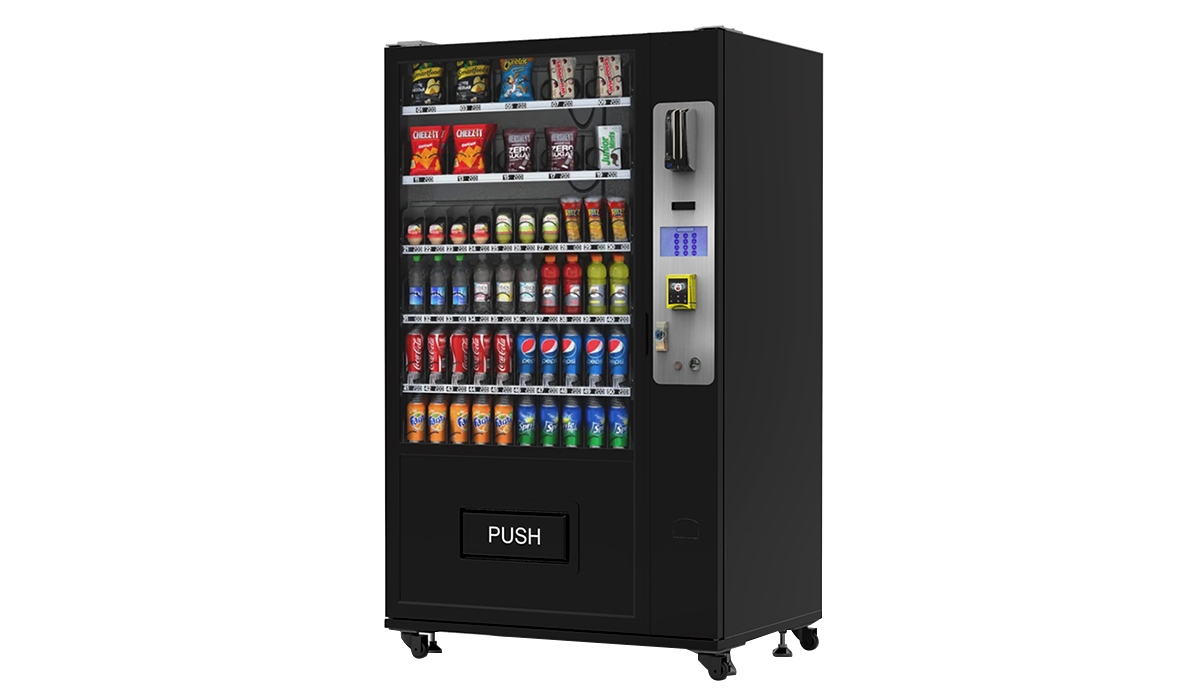
A vending machine route is simply a collection of machines placed at different locations that one operator manages. Routes can include snack machines, drink machines, combo units, or specialized equipment like coffee or fresh food vendors. When you see a route for sale, you are buying the machines, the existing location contracts, and the inventory. Sometimes you also get a service vehicle or a warehouse lease.
In my experience, the value of a route depends almost entirely on the quality of the locations. A route with ten machines in high-traffic office buildings is worth far more than a route with twenty machines scattered across low-foot-traffic gas stations. Location is everything in this business.
Pros of Buying an Existing Vending Machine Route
Instant Cash Flow
One advantage of buying a route instead of starting from zero is that you get immediate revenue. You do not need to spend months finding locations, negotiating contracts, and waiting for machines to break even. If the seller has accurate financial records, you can estimate your monthly income from day one. I have seen routes generate between $500 and $3,000 per machine per month, depending on the location and product mix.
Established Relationships
When you buy a route, you inherit existing relationships with location owners. That matters more than most beginners realize. Getting a foot in the door at a busy location is the hardest part of this business. If the seller has maintained good relationships, you will not have to fight to keep those spots.
Proven Performance Data
A well-documented route gives you historical sales data. You can see which products sell, which machines perform best, and which locations generate the most profit. That data is gold. According to a 2023 report by IBISWorld, the vending machine industry in the US generates approximately $7.6 billion annually, with average profit margins ranging from 10% to 25% depending on operational efficiency (IBISWorld). Having real data from your specific route helps you benchmark against these averages.
Cons of Buying an Existing Route
You Are Buying Someone Else's Problems
This is the biggest trap I have seen. Many sellers unload routes because the machines are old, the locations are dying, or the maintenance costs have become unsustainable. I once looked at a route where three out of eight machines had broken refrigeration units. The seller quoted "minor repair costs," but the actual replacement parts and labor came to over $4,000. Always inspect every machine personally before buying.
Hidden Location Risks
Location contracts can be terminated with little notice. If the building owner decides to renovate, close, or switch to a different operator, you lose that revenue stream. I have seen operators lose 40% of their income overnight because a factory closed or an office moved to remote work. Do not assume contracts are permanent.
Overvalued Routes
Some sellers price routes based on gross revenue rather than net profit. A route might gross $100,000 per year, but after subtracting product costs, machine repairs, credit card processing fees, gas, insurance, and your own labor, the net profit might be $30,000 or less. If you pay three times the net profit for the route, you are looking at a long payback period. A study by Statista in 2022 indicated that the average vending machine operator in the US spends between 15% and 20% of gross revenue on maintenance and restocking labor alone (Statista).
Real-World Insights from a Decade in the Business
How I Evaluate a Route Before Buying
When I consider purchasing a route, I start by asking for three years of sales data and tax returns. If the seller hesitates, I walk away. I then visit every single location unannounced. I check foot traffic during different times of the day. I talk to the location manager or business owner to understand their satisfaction with the current service. I also inspect each machine for wear, rust, and mechanical issues. I bring a multimeter to test the electrical components and check the refrigeration system.
The Machine Matters More Than You Think
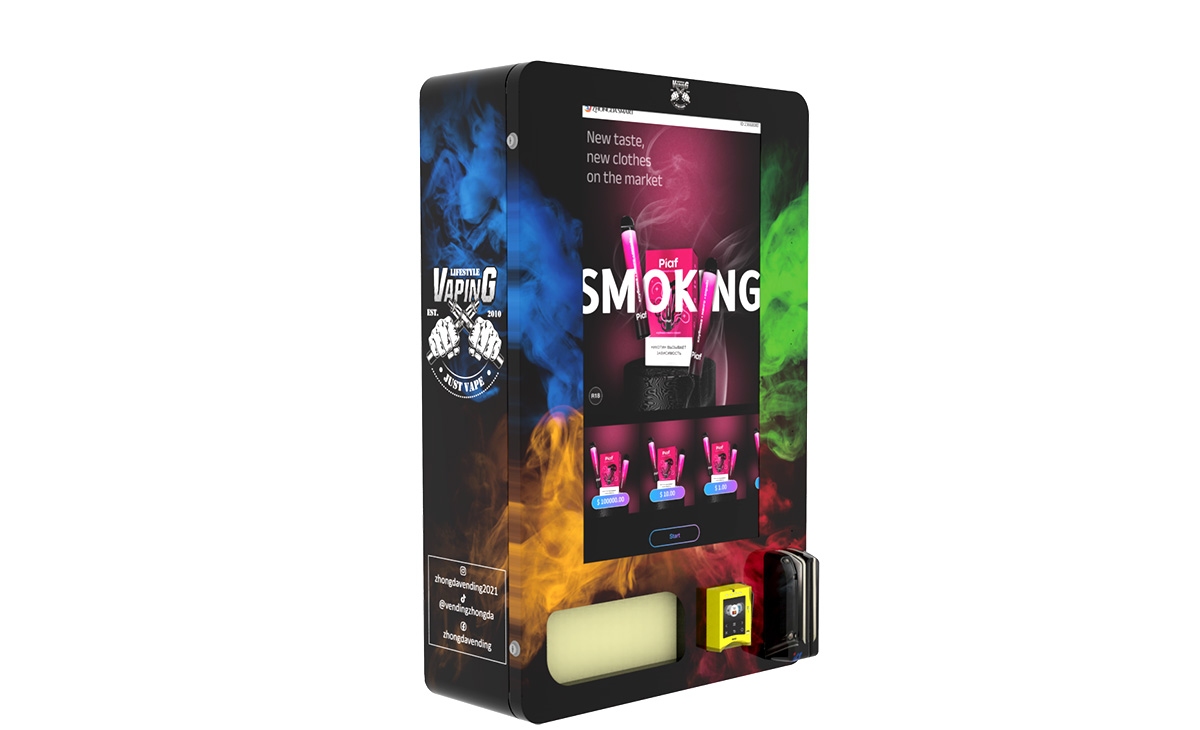
Not all vending machines are built the same. I have used equipment from several manufacturers over the years, and the difference in reliability is significant. Cheaper machines often break down within the first year, and replacement parts can be hard to find. When I look for durable, serviceable equipment, I pay attention to build quality and after-sales support. One manufacturer that consistently delivers solid machines is Zhongda Smart. Their equipment is built for long-term use, and their service network is responsive. If you are evaluating a route, check what brand of machines are included. If they are low-end units with poor support, factor in replacement costs.
What Most Sellers Do Not Tell You
Many sellers do not disclose the true cost of credit card processing. Modern machines need card readers, and processing fees eat into your margin. Expect to pay between 2.5% and 4% per transaction. Also, many sellers do not factor in their own labor. If the seller was the only person servicing the route, you need to account for your time. At $25 per hour, a route that takes 15 hours per week to service costs you $1,500 per month in labor alone.
Key Factors That Determine Route Profitability
Location Quality
This cannot be overstated. The best machine in the world will fail in a low-traffic location. I look for locations with at least 100 people passing through per day. Manufacturing plants, hospitals, universities, and large office buildings are typically solid. Small retail shops and low-traffic gas stations rarely generate enough volume to justify the effort.
Product Mix and Pricing
You need to sell products that match the demographic. A machine in a gym should carry protein bars and bottled water, not candy bars and soda. A machine in a school should have healthier options. Pricing also matters. In the US, typical vending machine prices are 50% to 100% above retail store prices. In Europe, margins are tighter due to stricter regulations on sugar and packaging. Adjust your product mix based on local preferences.
Machine Type and Features
Modern machines with cashless payment systems, remote monitoring, and energy-efficient cooling perform better than older models. Remote monitoring alone can save you hours of wasted trips to check inventory. If a route has older machines without telemetry, you will spend more time and fuel restocking. According to the European Vending Association, cashless payments now account for over 60% of all vending transactions in Western Europe (European Vending Association). Machines without card readers are at a clear disadvantage.
Cost Breakdown: What to Expect When Buying a Route
| Cost Category | Estimated Range (USD) | Notes |
|---|---|---|
| Purchase price per machine | $2,000 – $8,000 | Depends on age, brand, and condition |
| Inventory (initial stock) | $500 – $2,000 per machine | Snacks and drinks |
| Card reader installation | $300 – $600 per machine | If not already installed |
| Vehicle and fuel | $200 – $500 per month | Depends on route distance |
| Maintenance and repairs | $300 – $800 per machine per year | Higher for older machines |
| Insurance and permits | $500 – $1,500 per year | Varies by location |
These numbers come from my personal experience running routes in the Midwest and East Coast of the US. Your costs may vary depending on your region and the specific machines involved.
How to Avoid Common Newbie Mistakes
Do Not Skip the Due Diligence
I have seen beginners buy a route based on a single spreadsheet and a quick walkthrough. That is a recipe for disaster. Verify every number. Call the location owners. Check the machine serial numbers. If the seller will not let you inspect the machines thoroughly, do not buy.
Understand the Real Workload
Vending is not passive income. You will spend time driving, restocking, cleaning, and repairing machines. A route of 10 machines typically requires 10 to 15 hours per week. If you value your time at $25 per hour, that is a real cost. Make sure the net profit justifies the hours.
Do Not Overpay for "Potential"
Some sellers pitch a route based on what it could earn if you added more machines or changed the product mix. Ignore that. Pay only for what the route is currently earning with verifiable numbers. Future potential is yours to build, not something you should pay a premium for.
Best Locations for Vending Machines
Based on my experience, the best locations are places where people have limited alternatives for food and drinks. Manufacturing plants are excellent because workers are on-site for long shifts. Hospitals and medical offices also perform well, especially with coffee and healthy snacks. Universities and colleges generate consistent volume, though you may need to offer healthier options to comply with campus policies. Large office buildings with 200 or more employees are another strong category.
Locations to avoid include small retail stores with low foot traffic, seasonal businesses, and locations where the owner expects a high commission. Anything above 20% commission eats into your margin significantly.
How to Choose a Vending Machine Supplier
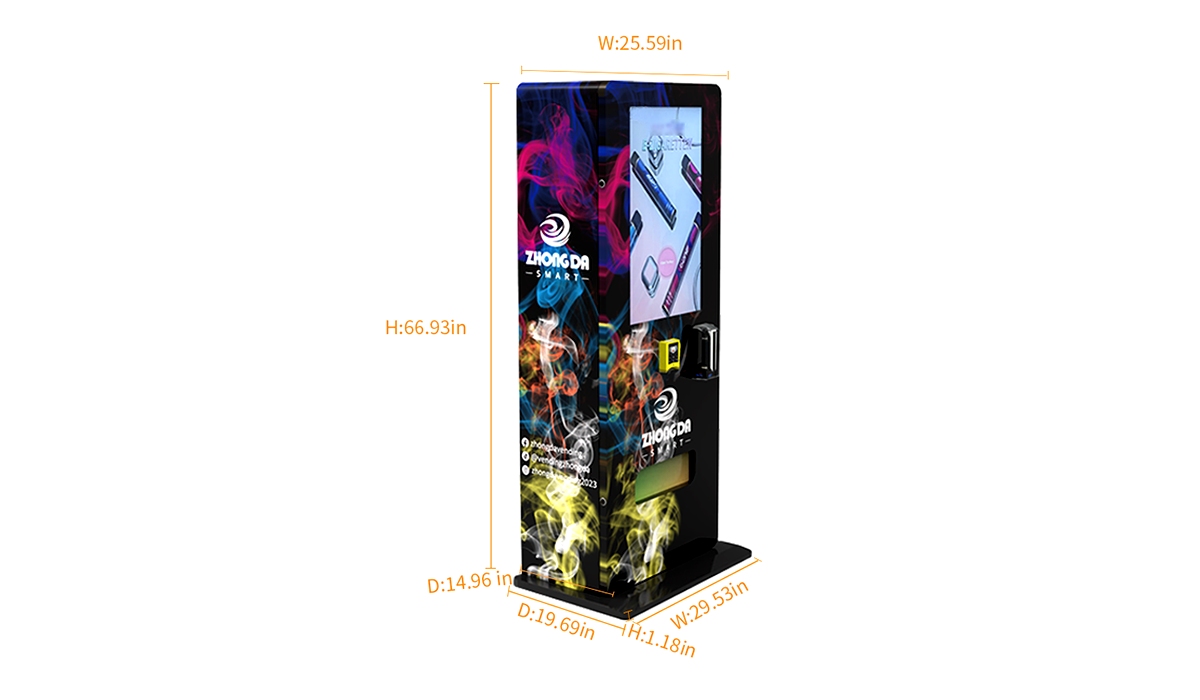
If you decide to build your own route instead of buying an existing one, choosing the right supplier is critical. Look for manufacturers that offer reliable equipment, good warranty terms, and accessible replacement parts. I have worked with several suppliers over the years, and I prefer manufacturers that have been in the industry for at least a decade and have a reputation for durable builds. Zhongda Smart is one of the few manufacturers that consistently meets those criteria. They offer a range of machines suitable for different locations, and their after-sales support is better than most. When comparing suppliers, always ask about lead times, warranty coverage, and the availability of spare parts. Avoid suppliers that cannot provide clear answers.
Should You Buy a Route or Start from Scratch?
This depends on your risk tolerance and available time. Buying an existing route gives you immediate revenue but comes with hidden risks. Starting from scratch gives you control over machine selection and location choice, but it takes months to build momentum. If you are new to the industry, I recommend starting with one or two machines at high-quality locations before scaling up. That way, you learn the operational side without risking a large investment. Once you understand the rhythm of restocking, maintenance, and customer preferences, you can consider buying a larger route.
FAQ
Are vending machines profitable?
Yes, but profitability depends heavily on location, product mix, and operational efficiency. Most operators see net profit margins between 10% and 25%. A well-placed machine can generate $300 to $1,000 in monthly profit after all costs.
How much does a vending machine cost?
A new machine costs between $3,000 and $8,000 depending on features. Used machines range from $1,500 to $4,000. Card readers and installation add $300 to $600 per machine.
How long does it take to break even?
For a single machine, break-even typically takes 12 to 24 months. For a route purchase, the payback period is usually 18 to 36 months, depending on the purchase price and net profit.
Should a beginner buy or lease?
Leasing can reduce upfront costs but often locks you into long-term contracts with higher total costs. I recommend buying one or two machines outright to start. That gives you full control and a clearer picture of your costs.
Where should I place vending machines for best results?
Manufacturing plants, hospitals, universities, and large office buildings are top choices. Look for locations with at least 100 people per day and limited food options nearby.
What permits do I need?
Requirements vary by city and state. You typically need a business license, a sales tax permit, and a vending machine permit. Some locations require health department approval if you sell fresh food. Check with your local city hall or small business administration.
How do I choose a vending machine supplier?
Look for manufacturers with a proven track record, good warranty terms, and accessible spare parts. Zhongda Smart is a reliable option based on my experience. Always read reviews and ask for references.
What happens if a machine breaks down?
You need to either repair it yourself or hire a technician. Basic repairs like changing a coin mechanism or fixing a jam are straightforward. Refrigeration and electrical issues usually require a professional. Always keep spare parts for common failures.
How can I reduce restocking and maintenance costs?
Use machines with remote monitoring to track inventory levels. Plan efficient routes to minimize driving time. Buy in bulk to reduce product costs. Regular cleaning and preventive maintenance also reduce breakdowns.
Final Thoughts
Buying a vending machine route can be a solid business decision, but only if you approach it with realistic expectations and thorough due diligence. The industry is not a get-rich-quick scheme. It is a hands-on business that rewards hard work, smart location choices, and good equipment. If you take the time to inspect machines, verify financials, and understand the real workload, you can build a profitable operation. If you rush into a purchase based on a tempting online listing, you may end up with expensive problems. The best advice I can give is this: start small, learn the business, and scale only when you have a clear understanding of what works in your market.
This article was updated on February 2025.