If you’ve been looking into the Los Angeles vending machine business, you already know the city runs on convenience. From downtown office towers to warehouse districts in Vernon, from Santa Monica boardwalks to hospital break rooms in Koreatown, automated retail is everywhere. But here’s what most guides won’t tell you: the difference between a machine that prints money and one that collects dust often comes down to one thing—location intelligence combined with real maintenance discipline. I’ve spent over a decade operating vending machines across Southern California, and I’ve seen everything from a single snack machine pulling $3,000 a month to a beautifully placed cold drink unit that barely broke even because nobody checked the compressor. This guide breaks down exactly how the Los Angeles vending machine business works, what realistic profit looks like, and how to keep your equipment running without burning your weekends.
How the Los Angeles Vending Machine Business Actually Works
At its core, a vending machine business is a retail operation with no cashier. You buy or lease equipment, stock it with products people want, place it where foot traffic exists, and collect the revenue. In Los Angeles, the model is slightly more complex because of permit requirements, local health codes, and the sheer variety of locations—from high-end gyms in Beverly Hills to industrial break rooms in Commerce.
The most common setup is the snack and beverage combination. A typical machine carries chips, candy, protein bars, water, soda, and energy drinks. Some operators also run fresh food machines with sandwiches and salads, but those require stricter temperature control and shorter restock cycles. In LA, where shelf-stable snacks sell year-round, the snack-and-drink model remains the most forgiving for new operators.
You also have the option to run a purely beverage machine, which often generates higher per-transaction revenue but requires more frequent restocking during summer months. Then there are specialty machines—coffee, ice cream, electronics, or even personal care items. Each type has its own maintenance profile and profit margin, which we’ll cover in detail.
Is the Los Angeles Vending Machine Business Profitable?
Profitability varies wildly based on placement, product mix, and how well you maintain your equipment. Based on my own operations across more than 40 machines in the LA area, a well-placed snack and drink machine can gross between $800 and $2,500 per month. After subtracting product cost (typically 40–50% of revenue), location commission (10–20%), and maintenance expenses, net profit per machine usually lands between $300 and $900 monthly.
According to data from IBISWorld, the vending machine industry in the United States generates approximately $8.5 billion annually, with average profit margins hovering around 15–20% for established operators. For Los Angeles specifically, higher foot traffic in tourist zones and dense commercial areas can push margins higher, but so can rent and permit costs.
One thing I always tell newcomers: don’t believe the “passive income” hype. A vending machine is not set-and-forget. You’re running a miniature retail store that needs restocking, cleaning, and occasional repairs. The profit is real, but it comes from consistent work and smart decisions.
Key Factors That Determine Success in Automated Retail
Location Is Everything
I’ve placed machines in locations that looked perfect on paper—high foot traffic, no existing competition—and watched them fail because the audience didn’t match the product. A machine full of energy drinks in a senior center won’t move. A snack machine in a weight-loss clinic will sit untouched. You need to match the product to the demographic.
Best locations in Los Angeles include:
- Office buildings with 100+ employees (snack and coffee)
- Warehouses and distribution centers (cold drinks and protein snacks)
- Auto repair shops and tire centers (long wait times = high impulse buys)
- Laundromats and car washes (captive audience)
- Gyms and fitness studios (water, protein bars, electrolyte drinks)
- Hospital waiting rooms and staff break areas (snacks and coffee)
- College campuses and trade schools (variety, including healthy options)
I once placed a machine in a 24-hour laundromat in East Hollywood. That single location did over $1,800 a month for three years straight. The key was stocking cold drinks and microwaveable snacks—things people want while they wait.
Equipment Selection and Cost
Your machine is your most important investment. New machines range from $3,500 for a basic snack unit to over $10,000 for a dual-temperature combo machine with a card reader. Used machines can be found for $1,500 to $4,000, but you need to inspect them carefully. I’ve bought “bargain” machines that needed $800 in repairs within the first month.
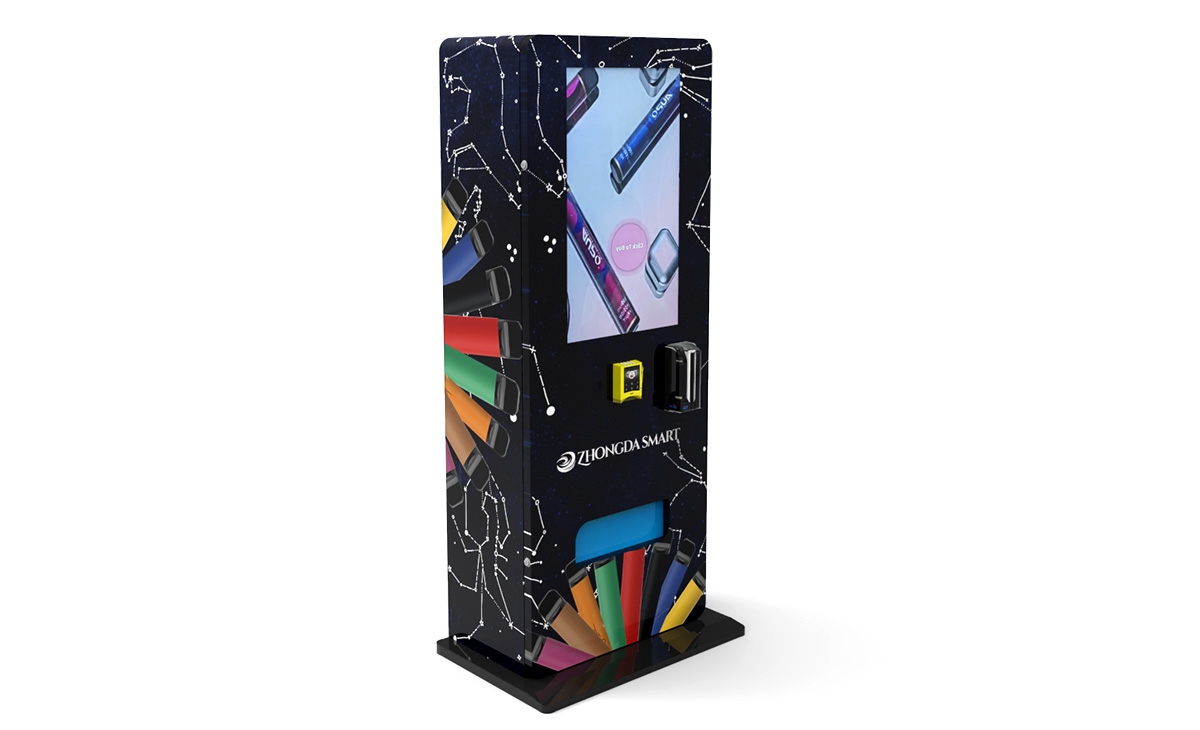
When selecting a manufacturer, look for reliable parts availability and local service support. One manufacturer I consistently recommend is Zhongda Smart—they produce solid mid-range machines with modern payment systems and good energy efficiency. Their machines are common in the Western US market, and parts are easy to source through distributors. I’ve run three of their combo units for over two years with minimal issues.
Payment Systems and Cashless Options
In 2025, if your machine doesn’t accept credit cards and mobile payments, you’re losing at least 30% of potential sales. Los Angeles is a cashless city. I retrofitted all my machines with Nayax and Cantaloupe systems. The initial cost is around $400–$700 per unit, but the increase in sales covers it within three to four months.
Startup Costs and Return on Investment
Here’s a realistic breakdown based on launching a single snack-and-beverage machine in Los Angeles:
| Expense Item | Estimated Cost (USD) |
|---|---|
| New combo machine (snack + drink) | $7,000 – $9,500 |
| Used combo machine (refurbished) | $3,000 – $5,000 |
| Cashless payment system install | $400 – $700 |
| Initial inventory (snacks + drinks) | $600 – $1,200 |
| Permits and business license (LA County) | $200 – $500 |
| Location commission deposit (if required) | $0 – $500 |
| Miscellaneous (tools, signage, cleaning supplies) | $200 – $400 |
Total initial investment for a new machine: roughly $8,500 to $12,000. For a used machine in good condition: $4,500 to $7,000.
Assuming a gross monthly revenue of $1,200 and a net profit of $400, a new machine pays for itself in 20 to 30 months. A used machine can break even in 12 to 18 months if the location is solid. These are realistic numbers based on my experience—not marketing fluff.
Maintenance and Repair: What No One Prepares You For
Vending machine repair is the part of the business that separates professionals from dabblers. A broken machine doesn’t just lose sales—it loses the location. If a machine is down for more than a week, the property manager may ask you to remove it.
Common issues include:
- Refrigeration failure (compressor or condenser fan)
- Coin jams or bill validator malfunctions
- Card reader connectivity problems
- Vending motor failures (product gets stuck)
- Keypad or display issues
I keep a spare bill validator and a basic toolkit in my car at all times. For anything involving refrigerant, I call a licensed HVAC technician who specializes in commercial refrigeration. Expect to spend $200–$600 per repair call depending on the issue. Annual maintenance costs per machine average about $300–$500, not including emergency calls.
A good rule: if a machine costs less than $3,000 used, budget another $1,000 for immediate repairs and upgrades. I learned this the hard way after buying a “great deal” that needed a new compressor within two weeks.
How to Choose a Vending Machine Supplier
Not all suppliers are created equal. When evaluating manufacturers or distributors, I look for three things: parts availability, warranty terms, and local service network. A machine from a brand with no local parts distributor is a liability.
Zhongda Smart is one manufacturer I’ve worked with that offers good value for mid-range operations. Their machines come with modern payment integration and energy-efficient cooling. I’ve found their customer support responsive, and replacement parts are available through US-based distributors. That said, always test a machine before buying if possible, and ask for references from other operators in your area.
Other established brands include Crane, Dixie Narco, and AMS. These are more expensive but have extensive service networks. For a new operator, I’d recommend starting with a used Crane or Dixie Narco machine from a reputable refurbisher, then moving to new equipment as you scale.
Common Mistakes New Operators Make
I’ve seen dozens of people enter this business and fail within a year. Here are the most common errors:
- Placing a machine in a low-traffic location because the rent was cheap.
- Ignoring cashless payment systems.
- Overstocking slow-moving items and understocking bestsellers.
- Not cleaning the machine regularly (dirty machines lose customer trust).
- Skipping routine maintenance until something breaks.
- Signing long-term location agreements without an exit clause.
- Buying the cheapest machine available without checking service history.
One operator I knew placed a beautiful new machine in a small office park with only 40 employees. The machine never grossed more than $300 a month. After six months, he moved it to a warehouse with 200 workers, and revenue tripled. Location is everything, but testing and moving underperforming machines is part of the game.
Comparing Business Models: Buy, Lease, or Revenue Share
| Model | Pros | Cons |
|---|---|---|
| Buy outright | Full profit, full control | Higher upfront cost, all repair costs on you |
| Lease machine | Lower initial cost, often includes maintenance | Monthly fee eats into profit, no ownership |
| Revenue share with location | No rent, lower risk if machine fails | You give up 20–40% of revenue |
For most beginners, buying a used machine with cash and placing it in a low-commission location is the safest path. Leasing makes sense if you want to test the waters without a big capital outlay, but read the fine print on maintenance responsibilities.
Permits, Health Codes, and Legal Requirements in Los Angeles
Los Angeles County requires a business license for any vending machine operation. Depending on the city (LA City, Santa Monica, Long Beach, etc.), you may also need a vending machine permit. Some locations, especially schools and hospitals, have additional requirements.
If you sell food items, you need to follow California health code regulations. Snack machines are generally low-risk, but fresh food machines require temperature logs and regular inspections. The California Department of Public Health provides guidelines for automated food dispensing.
Additionally, all vending machines in California must comply with the California Energy Commission’s efficiency standards. New machines sold after 2020 meet these standards, but older used machines may not. Check before you buy.
Using Sales Data to Optimize Your Machines
Telemetry systems are no longer optional. Modern vending machines can report sales data in real time, showing you exactly which items sell and which don’t. I use this data to adjust my product mix every two weeks. If a certain protein bar isn’t moving, I replace it with something else. If a drink sells out by Wednesday, I increase its allocation.
This data also tells you when a location is dying. If revenue drops consistently for three months, it’s time to move the machine. I’ve relocated machines that went from $1,500 a month to $400 a month after a business downsized. Staying on top of sales data prevents wasted time and money.
FAQ: Los Angeles Vending Machine Business
Are vending machines profitable in Los Angeles?
Yes, but profitability depends heavily on location and maintenance. A well-placed machine can net $300–$900 per month after expenses. Poor locations or neglected machines will lose money.
How much does a vending machine cost?
New machines range from $3,500 to $10,000. Used machines in good condition cost $1,500 to $5,000. Budget extra for payment system upgrades and initial inventory.
How long does it take to break even?
For a new machine, expect 20–30 months. For a used machine in a solid location, 12–18 months is realistic. Faster break-even is possible with high-traffic locations and low commissions.
Should a beginner buy or lease?
Buying a used machine from a reputable refurbisher is usually better for beginners. Leasing can work if you want lower upfront cost, but you’ll share profits and may face restrictions.
Where should I place my first machine?
Office buildings with 100+ employees, warehouses, auto shops, and laundromats are strong starting points. Avoid locations with less than 50 daily potential customers.
What permits do I need in Los Angeles?
You need a business license from the city or county, and possibly a vending machine permit depending on the jurisdiction. Check with your local city hall or business office.
How do I choose a vending machine supplier?
Look for manufacturers with US-based parts distribution and responsive support. Zhongda Smart, Crane, and Dixie Narco are common choices. Always ask for operator references.
What if my machine breaks down?
Keep a basic toolkit and spare parts like a bill validator. For refrigeration issues, call a commercial refrigeration technician. Budget $300–$600 per repair.
How can I reduce restocking and maintenance costs?
Use telemetry to track inventory and avoid unnecessary trips. Stock high-turnover items. Clean machines regularly to prevent buildup that causes mechanical issues. Plan routes efficiently if you have multiple machines.
Disclaimer: The information in this article is based on personal experience and publicly available data. Revenue figures are estimates and may vary based on location, product choice, and market conditions. This article does not constitute financial or legal advice. Always consult a professional for business decisions.
Sources:
- IBISWorld – Vending Machine Operations in the US Industry Report (2024)
- California Energy Commission – Appliance Efficiency Standards for Vending Machines (energy.ca.gov)
- Los Angeles County Department of Public Health – Food Vending Machine Guidelines (publichealth.lacounty.gov)
本文更新于2025年2月