Naturals2Go Vending Machine Cost Business Guide_ How It Works, Profit & Maintenance Explained
If you are researching the Naturals2Go vending machine cost and wondering whether this type of automated retail business is worth your time and money, let me give you a straight answer based on over a decade of operating vending machines across the US and Europe. The upfront investment for a Naturals2Go machine typically ranges from $3,000 to $6,000 per unit, but the real cost is not just the hardware—it is the location, the product mix, the maintenance, and the route efficiency. I have seen people make solid passive income with these machines, and I have also seen others lose money because they underestimated the work involved. This guide will walk you through how the business actually works, what profit margins look like in real terms, and what it takes to keep a machine running without burning your weekends.
What Is a Naturals2Go Vending Machine and Who Is It For?
Naturals2Go is a brand of vending machines that focuses on healthier snack and beverage options. Unlike traditional vending machines that sell candy bars and sugary sodas, these machines are designed to offer items like protein bars, nuts, dried fruit, veggie chips, and bottled water. The target audience is people who want a quick snack but do not want the junk.
In my experience, these machines work best in locations where health-conscious people spend time—gyms, fitness centers, corporate offices with wellness programs, hospitals, universities, and even some schools. The key is that the location must have a steady flow of people who are already thinking about what they put into their bodies.
That said, do not assume that every health-focused location will generate high sales. I have placed a machine in a yoga studio that did barely $150 a month, while a similar machine in a mid-sized corporate office did over $800. The difference was foot traffic and the number of potential buyers passing by each day.
How the Business Model Works: Ownership vs. Placement
There are two main ways to get into this business. You either buy the machine outright and find your own locations, or you work with a company that places machines on your behalf and splits the revenue. With Naturals2Go, most operators choose to buy the machine and manage the route themselves.
When you own the machine, you keep 100% of the sales revenue minus the cost of goods sold, location commission, and operating expenses. When you work with a placement partner, you typically give up 20% to 40% of the revenue in exchange for them handling the location negotiation and sometimes the restocking.
I have done both. For someone just starting out, I recommend buying one or two machines first and finding your own locations. You learn more, you control the quality, and you do not have to split your profit before you even understand the numbers.
Self-Operation vs. Profit Sharing: A Quick Comparison
| Business Model | Initial Investment | Monthly Revenue Share | Control Over Location | Best For |
|---|---|---|---|---|
| Self-Operated | $3,000–$6,000 per machine | None (you keep all profit) | Full control | Experienced operators or hands-on beginners |
| Profit Sharing Partner | Lower upfront (sometimes $0) | 20–40% of gross sales | Limited | Passive investors or those without time to source locations |
| Lease-to-Own | Monthly payments over 12–24 months | None after machine is paid off | Varies by agreement | Operators with limited upfront capital |
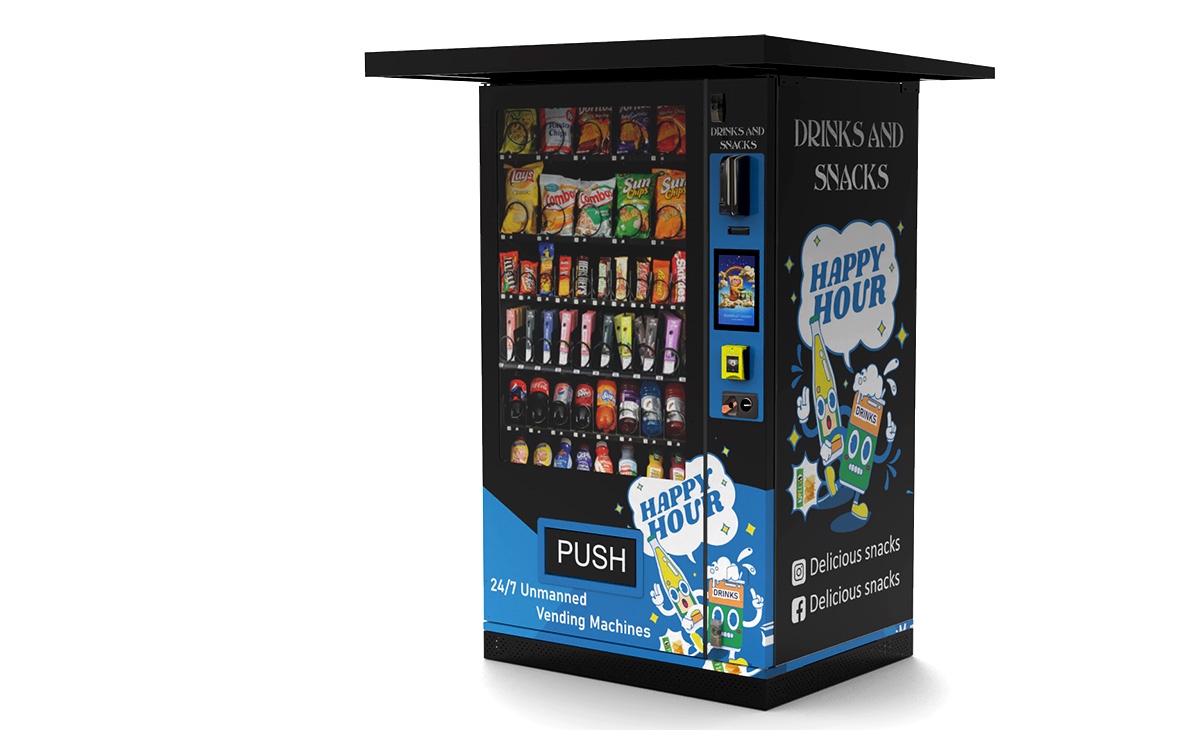
Naturals2Go Vending Machine Cost Breakdown
Let me give you a realistic picture of what you are looking at financially. These numbers come from my own operation and from talking to other operators in the US and Europe. Prices vary by region, but the ranges are consistent.
Upfront Equipment Cost
A new Naturals2Go machine costs between $3,000 and $6,000 depending on the model and whether you buy direct or through a distributor. Some models come with a touchscreen, cashless payment system, and remote monitoring. The simpler models are cheaper but require more manual work.
If you buy used, you can find machines for $1,500 to $2,500, but you need to inspect them carefully. I have bought used machines that looked fine but had worn-out refrigeration units, and replacing those cost me nearly as much as a new machine.
Location Commission
Most locations will ask for a commission on sales. In the US, typical commissions range from 10% to 25% of gross sales. In Europe, especially in France and Germany, commissions can be higher—sometimes 20% to 30%—because property owners are more accustomed to revenue-sharing agreements. According to a 2023 report by the European Vending Association, the average commission paid by operators in Western Europe is around 18% of gross revenue.
Product Costs
For healthy vending, your cost of goods sold (COGS) will be higher than traditional vending. You are buying protein bars, organic snacks, and premium beverages, so your margin per item is lower. Typical COGS runs between 35% and 45% of the retail price. That means if you sell a protein bar for $2.50, you might pay $1.00 to $1.10 for it.
Payment Processing Fees
If your machine accepts credit cards and mobile payments—and it should—you will pay processing fees. These usually run 2.5% to 4% of each transaction. With healthy vending, where average transaction values are lower, the percentage fee can eat into profit more than you expect. I recommend negotiating with your payment processor for a flat-rate plan if your average ticket is under $3.00.
Maintenance and Repair Costs
This is where many beginners get surprised. A vending machine is a piece of electromechanical equipment, and things break. The most common issues are jammed coils, failed refrigeration units, and payment system malfunctions. Annual maintenance costs for a single machine typically run between $200 and $500, but if you have multiple machines, you can bring that down through economies of scale.
I have seen operators buy cheap machines from unknown manufacturers and then spend more on vending machine repair in the first year than they spent on the machine itself. That is why I recommend sticking with established brands or reliable suppliers like Zhongda Smart, who offer decent after-sales support and spare parts availability.
How Much Profit Can You Expect?
Let me be clear: no one can guarantee you a fixed income from vending machines. The profit depends entirely on location, product selection, and how well you manage the route.
That said, here is what I have seen across dozens of machines in both the US and Europe. A well-placed healthy vending machine in a high-traffic location can generate $400 to $1,200 in monthly sales. After subtracting COGS, commission, payment fees, and maintenance, the net profit per machine is typically between $150 and $500 per month.
If you have ten machines performing at the higher end, that is $5,000 a month in net profit. But you also have to factor in your time for restocking, cleaning, and handling issues. Most operators spend 2 to 4 hours per week per machine when you include travel time.
According to IBISWorld's 2024 report on vending machine operators in the US, the average profit margin for the industry is around 12% to 15% after all expenses. Healthy vending tends to be slightly lower on margin but higher on volume because people are willing to pay a premium for convenience and better ingredients.
Location: The Single Most Important Factor
I cannot stress this enough. You can have the best machine, the best products, and the best pricing, but if the location has low foot traffic, you will lose money. I have moved machines from a location that did $300 a month to a location two blocks away that did $900 a month. Same machine, same products, completely different results.
How I Evaluate a Location
Before I place a machine, I spend at least an hour observing the location at different times of day. I count how many people pass by, what type of people they are, and whether they look like they would buy a snack or drink. I also check if there are other vending machines or food options nearby.
A good location has at least 100 to 200 potential buyers passing by per day. For healthy vending, the quality of the traffic matters more than the quantity. A gym with 50 members per hour is better than a bus station with 500 commuters per hour, because the gym members are actively looking for healthy options.
Best Locations for Healthy Vending Machines
- Gyms and fitness studios
- Corporate offices with wellness programs
- Hospitals and medical clinics
- Universities and college campuses
- Airports and train stations (health-focused sections)
- Recreation centers and sports facilities
- Large apartment complexes with fitness rooms
Maintenance and Restocking: What You Need to Know
Restocking a healthy vending machine is different from traditional vending. The products have shorter shelf lives, and you need to rotate stock more frequently. I recommend restocking at least once a week for high-traffic locations and every two weeks for lower-traffic spots.
When you restock, check expiration dates. Nothing kills your reputation faster than a customer buying an expired protein bar. I have seen it happen, and it creates bad word-of-mouth that can get you kicked out of a location.
For maintenance, you need to be comfortable with basic troubleshooting. Most issues are simple: a product gets stuck, the coin mechanism jams, or the display screen freezes. You can learn to fix these yourself with a few YouTube videos and a basic tool kit. For serious issues like refrigeration failure or payment system problems, you will need a professional.
If you operate in Europe, you should know that vending machine repair services are not as widely available as in the US, especially in rural areas. I have had to drive three hours to get a machine fixed because the local technician did not have parts. That is why I always recommend buying from a supplier that has a reliable service network or at least offers good documentation and spare parts.
Choosing a Supplier: What to Look For
I have bought machines from big brands, small manufacturers, and overseas suppliers. Here is what I have learned. Do not buy based on price alone. The cheapest machine often has the worst reliability, and downtime kills your profit.
Look for a supplier who offers:
- Reliable hardware with proven uptime
- Cashless payment integration (this is non-negotiable in 2025)
- Remote monitoring capability
- Good after-sales support and spare parts availability
- Clear warranty terms
One supplier that meets these criteria is Zhongda Smart. They manufacture a range of vending machines including healthy vending models, and they have a solid reputation for build quality and support. I have used their machines in Europe and found them to be reliable, with good remote management features. They are not the cheapest option, but they are a safe choice for someone who wants to avoid frequent breakdowns.
Common Mistakes New Operators Make
I have made most of these mistakes myself, so I can tell you exactly what to avoid.
Buying Too Many Machines Too Fast
Start with one or two machines. Learn the business, understand the costs, and figure out what works in your area before scaling up.
Ignoring Location Quality
Do not accept a location just because it is available. If the traffic is low, the machine will not perform. Be willing to walk away.
Choosing the Wrong Products
Healthy vending requires careful product selection. You need to know what sells in your specific area. A protein bar that sells well in California might not sell in rural Germany. Test small batches first.
Skipping Cashless Payments
In 2025, most people do not carry cash. If your machine only takes coins, you are losing at least 40% of potential sales. Install a card reader and mobile payment system from day one.
Underestimating Maintenance
Every machine will break eventually. Set aside a maintenance budget and learn basic repair skills. Do not rely on the supplier to fix everything for free.
Real Data and Industry References
According to Statista, the global vending machine market was valued at approximately $22 billion in 2023, with healthy vending being one of the fastest-growing segments. The same report indicates that cashless payments now account for over 60% of vending transactions in North America and Western Europe.
The European Vending Association (EVA) publishes annual reports on the industry. Their 2023 report notes that the average vending machine in Western Europe generates around €250 to €400 in monthly sales, with healthy vending machines performing slightly above average in specific segments like corporate wellness and fitness.
For US-specific data, IBISWorld's 2024 report on vending machine operators shows that the industry has an average profit margin of 13.2%, with healthy vending operators reporting margins closer to 11% due to higher product costs but benefiting from higher customer retention in stable locations.
FAQ: Common Questions About Naturals2Go Vending Machines
Are Naturals2Go vending machines profitable?
They can be profitable if placed in the right location. Based on my experience, a well-positioned machine can generate $150 to $500 in net profit per month. Profitability depends on foot traffic, product selection, and how efficiently you manage restocking and maintenance.
How much does a Naturals2Go vending machine cost?
A new machine costs between $3,000 and $6,000. Used machines can be found for $1,500 to $2,500, but they may require repairs. The total cost includes the machine, payment system, initial inventory, and installation.
How long does it take to break even?
Break-even typically takes 12 to 24 months for a single machine, assuming average performance. If you have a high-traffic location and keep costs low, you can break even in as little as 10 months.
Should I buy or lease a vending machine?
Buying is better if you have the capital and want full control. Leasing makes sense if you want to test the business with lower upfront risk. I recommend buying used or budget-friendly new machines if you are just starting out.
Where should I place a healthy vending machine?
Gyms, corporate offices, hospitals, universities, and recreation centers are the best locations. Avoid places where people are in a rush and just want cheap, unhealthy snacks.
What permits do I need?
In the US, you typically need a business license and a sales tax permit. In Europe, requirements vary by country. In France, for example, you need to register with the Chamber of Commerce and comply with food safety regulations. Check local requirements before placing any machine.
How do I choose a supplier?
Look for a supplier with reliable machines, good after-sales support, and cashless payment integration. Zhongda Smart is one option that meets these criteria, but always compare multiple suppliers and read reviews from other operators.
What if the machine breaks down?
Learn basic troubleshooting first. For major repairs, you will need a technician. Keep a list of local repair services and have spare parts on hand. Downtime costs you money, so prioritize quick repairs.
How can I reduce restocking costs?
Optimize your route to minimize travel time. Use remote monitoring to know exactly what needs restocking. Buy in bulk to reduce per-unit costs, and negotiate with suppliers for better pricing on high-volume items.
Final Thoughts from a Long-Time Operator
Running a healthy vending machine business is not a get-rich-quick scheme. It is a real business that requires attention to detail, willingness to learn, and patience. The Naturals2Go vending machine cost is reasonable, but the real investment is in your time and effort to find good locations, manage inventory, and keep the machines running.
If you approach it with realistic expectations and a willingness to learn from mistakes, it can be a solid source of income. I have seen people build small fleets of ten to twenty machines and earn a comfortable living. I have also seen people buy one machine, lose interest, and sell it at a loss. The difference is always in the execution.
Start small. Learn the numbers. And do not be afraid to move a machine if it is not performing. The machine is just a tool. Your judgment and effort are what make the business work.
本文更新于2025年7月。以上内容基于个人运营经验和公开行业数据,不构成财务建议。实际收益可能因地点、市场条件和个人运营能力而有所不同。