Best Sell Vending Machine in 2026_ Ultimate Guide, Costs, and Buying Tips
If you are looking for the best sell vending machine in 2026, you are likely trying to figure out whether this business still makes sense after the pandemic, inflation, and the shift toward cashless payments. After running vending operations across the US and parts of Europe for over a decade, I can tell you this: the market has changed, but the opportunity has actually grown if you pick the right equipment and location. The best sell vending machine in 2026 is not the cheapest model or the one with the most bells and whistles. It is the machine that fits your specific location, product mix, and maintenance capacity. This guide covers real costs, realistic return timelines, and buying tips based on actual experience, not manufacturer promises.
What Has Changed in the Vending Machine Industry Since 2020
The vending business used to be simple. You bought a basic snack machine, placed it in a break room, and collected cash every week. Those days are gone. The shift to card and mobile payments forced every operator to upgrade or lose sales. According to a 2023 report from Statista, cashless payments accounted for over 80% of vending transactions in the United States. In Europe, countries like France and Germany are moving in the same direction, though at a slower pace. If you buy a machine in 2026 without a reliable payment system, you are essentially leaving money on the table.
Another major change is the rise of smart machines. These units connect to the cloud, report inventory levels in real time, and let you adjust prices remotely. I have seen operators cut their labor costs by nearly 30% after switching to connected machines. The best sell vending machine in 2026 will almost certainly include telemetry, remote monitoring, and a robust cashless payment terminal.
Understanding the Different Types of Vending Machines
Not all vending machines are the same. The type you choose depends entirely on where you plan to place it and what you want to sell. Here is a breakdown based on what I have seen work and fail in the field.
Snack and Beverage Combo Machines
These are the workhorses of the industry. A good combo machine can hold 30 to 40 snack selections and 6 to 8 drink selections. They work well in office buildings, factories, and schools. The best sell vending machine for a high-traffic office location is usually a combo unit with a glass front and a modern design. People want to see the product before they buy. Older spiral machines with opaque doors are harder to sell from.
Cold Drink Machines
If you place a cold drink machine in a gym, a sports field, or a hot manufacturing plant, it will outperform a combo machine. Dedicated drink machines hold more inventory and cool faster. They also require less maintenance because there are fewer moving parts. I have a client who runs six drink machines in a logistics warehouse. Each machine does around €1,200 per month in revenue during summer.
Healthy and Fresh Food Machines
Fresh food vending is growing fast in Europe, especially in France and the UK. These machines need temperature control, more frequent restocking, and stricter hygiene compliance. They are not for beginners. But if you have the discipline to manage short shelf life products, the margins are higher. A fresh food machine in a hospital or a university can generate €2,000 to €3,000 per month. The trade-off is that you need to visit the machine every two to three days.
Specialty Machines
Ice cream, pizza, coffee, and even hot food machines are becoming more common. These are niche products. They work well in specific locations but come with higher repair costs. For example, a coffee vending machine requires daily cleaning and descaling. If you skip that, the machine will break down within three months. I have seen too many new operators buy a cheap coffee machine and then spend more on repair than they earned.
Real Costs: What You Need to Budget For
Let me give you honest numbers based on what I have spent and seen others spend. These are not theoretical figures. They come from actual deployments in the US and European markets.
| Expense Category | Low End (USD/EUR) | Mid Range (USD/EUR) | High End (USD/EUR) |
|---|---|---|---|
| New machine (combo) | $3,500 | $6,000 | $10,000+ |
| Used machine (refurbished) | $1,500 | $3,000 | $5,000 |
| Cashless payment system | $400 | $700 | $1,200 |
| Installation and shipping | $200 | $400 | $800 |
| First inventory stock | $500 | $1,000 | $2,000 |
| Annual maintenance and repair | $300 | $600 | $1,200 |
| Location commission (monthly) | 10% of sales | 15% of sales | 25% of sales |
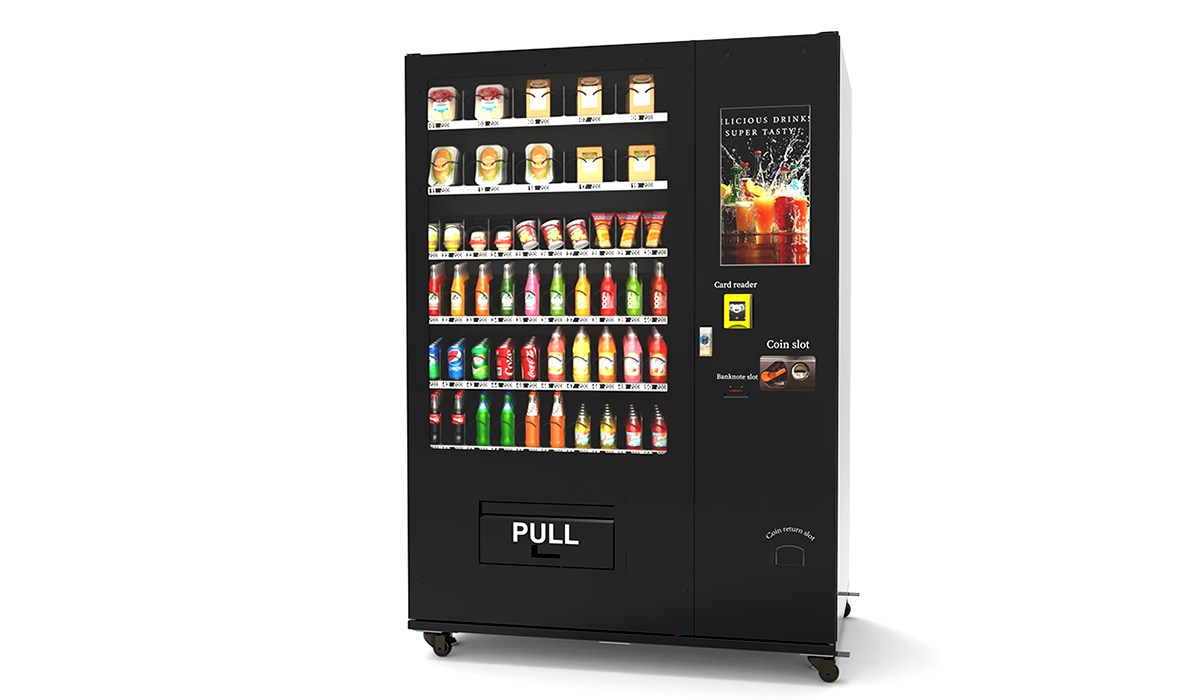
These numbers are estimates. Your actual costs will vary depending on the country, the machine brand, and the condition of the unit. But one thing I can tell you from experience: do not buy the cheapest machine you can find. A low-cost machine from an unknown supplier will break down more often, and replacement parts will be hard to source. You will lose more money in downtime than you saved upfront.
How to Choose a Supplier: What I Look For
I have bought machines from at least a dozen different suppliers over the years. Some were great. Some were disasters. Here is what I check before placing an order.
First, I look at the payment system compatibility. The machine must support the major cashless payment platforms used in your target market. In the US, that means Visa, Mastercard, Apple Pay, and Google Pay. In Europe, you also need to support local debit cards like Cartes Bancaires in France or Girocard in Germany. If the supplier cannot confirm compatibility, I move on.
Second, I check the availability of spare parts. A machine is only as good as the support behind it. I once bought a machine from a small manufacturer and could not find a replacement compressor for six weeks. That machine sat idle and lost me over €2,000 in potential revenue. Now I only work with suppliers who stock parts locally or ship them within 48 hours.
Third, I evaluate the build quality. I open the door, check the hinges, look at the wiring, and test the cooling system. Cheap machines use thin sheet metal and plastic components that crack under heavy use. A well-built machine should last at least 10 years with proper maintenance. I have seen machines from Zhongda Smart hold up well in high-traffic locations. Their units are built with commercial-grade compressors and reinforced doors. If you are sourcing from Asia, Zhongda Smart is one of the few manufacturers I trust for European and American markets because they offer customizable payment systems and after-sales support.
Location Is Everything: Where to Place Your Machine
I cannot emphasize this enough. You can have the best sell vending machine in 2026, but if you put it in the wrong place, it will not make money. I have seen operators buy expensive machines and place them in locations with less than 50 people passing by per day. Those machines failed within six months.
Here are the location types that consistently perform well based on my experience:
- Office buildings with 100+ employees: These are gold mines if the building does not have a cafeteria. Average monthly revenue per machine: $1,500 to $3,000.
- Manufacturing plants and warehouses: Workers need quick access to snacks and drinks. These locations have high repeat traffic. Average monthly revenue: $1,200 to $2,500.
- Hospitals and medical centers: Staff and visitors buy throughout the day. Fresh food machines do especially well here. Average monthly revenue: $1,800 to $3,500.
- Schools and universities: High volume but seasonal. You will make most of your money during the academic year. Average monthly revenue: $1,000 to $2,000.
- Gyms and fitness centers: Dedicated cold drink and healthy snack machines perform best. Average monthly revenue: $800 to $1,500.
I always recommend visiting a potential location at different times of the day before signing a contract. Look at foot traffic, but also look at the existing food options. If there is a cafeteria or a convenience store nearby, your machine will struggle. If there is nothing within a five-minute walk, you have a strong opportunity.
Costs, Margins, and Return on Investment
Let me walk you through a realistic example. Suppose you buy a mid-range combo machine for $6,000. You spend another $1,000 on installation, payment system, and initial inventory. Your total upfront cost is $7,000.
You place the machine in an office building with 150 employees. Average monthly sales are $2,000. Your cost of goods sold (the products you buy) is about 50%, so gross profit is $1,000 per month. You pay the location a 15% commission, which is $300. That leaves you with $700 per month before other expenses.
Your monthly costs include restocking labor (if you do it yourself, this is your time), machine cleaning, and occasional repairs. If you factor in $150 per month for maintenance and miscellaneous costs, your net profit is around $550 per month. At that rate, your payback period is about 13 months. That is realistic for a well-placed machine. If the location underperforms, the payback period could stretch to 18 or 24 months.
According to IBISWorld, the average profit margin for vending machine operators in the US is around 15% to 20% after all expenses. That aligns with what I have seen. Vending is not a get-rich-quick business. It is a steady cash flow business if you manage costs and rotate locations that underperform.
Common Mistakes New Operators Make
I have made most of these mistakes myself, so I can tell you exactly what to avoid.
Buying the wrong machine for the location. I once bought a large snack machine for a small office with 30 people. The machine was too big, the inventory expired before it sold, and I lost money. Match the machine size to the traffic.
Ignoring the payment system. If your machine only takes cash, you will lose at least 30% of potential sales. In some European countries, that number is higher. Always install a card reader from day one.
Skipping the location contract. I have had locations try to kick me out after I built up sales. A simple one-page contract that specifies the commission, the duration, and the termination terms protects both sides.
Overstocking at the beginning. Start with a small inventory and track what sells. Adjust your product mix based on data, not guesses. Most machines have a few top sellers that account for 60% of revenue. Focus on those.
Neglecting maintenance. A dirty machine looks unprofessional and breaks down more often. Clean the machine every two weeks. Check the cooling system every month. Replace worn parts before they fail.
How to Evaluate a Machine Before Buying
Before you hand over any money, ask the supplier these questions:
- What payment systems does the machine support out of the box?
- Does the machine have remote monitoring and inventory tracking?
- What is the warranty period, and what does it cover?
- Where are spare parts stocked, and how fast can they ship?
- Can the machine be customized with your branding or color scheme?
- What is the energy consumption per year? (This matters for operating costs.)
I also recommend asking for a demo unit if possible. See the machine in person. Open the door. Test the payment terminal. If the supplier hesitates, that is a red flag.
FAQ: Answers to Common Questions
Is a vending machine business profitable?
Yes, but it depends on location, product mix, and cost control. A well-placed machine can generate $500 to $1,500 in monthly net profit. Poor locations lose money. The key is to start small, track your numbers, and scale only after you have a proven model.
How much does a good vending machine cost in 2026?
A new mid-range combo machine costs between $5,000 and $8,000. Used machines in good condition cost $2,000 to $4,000. Add another $500 to $1,000 for installation and payment system setup. The best sell vending machine for most operators is in the mid-range price bracket because it balances features and reliability.
How long does it take to break even?
With a good location, most operators break even within 12 to 18 months. If you pay a high commission or the location has low traffic, it can take 24 months or longer. I always recommend having enough cash to cover the machine cost plus six months of operating expenses.
Should I buy or lease a vending machine?
Buying is better if you have the capital and want to keep all the profit. Leasing reduces upfront cost but eats into your margins. I have seen leasing companies charge interest rates that effectively double the machine cost over three years. If you can afford to buy, buy.
Where is the best place to put a vending machine?
Locations with at least 100 daily passersby and no nearby food options are ideal. Offices, factories, hospitals, and schools are the top performers. Avoid low-traffic areas like small lobbies, empty hallways, or locations with existing vending machines.
What permits do I need to operate a vending machine?
Requirements vary by country and city. In the US, you typically need a business license and a sales tax permit. In France, you need to register with the Chamber of Commerce and comply with food safety regulations if you sell fresh items. Check with your local business authority before placing a machine.
How do I choose a vending machine supplier?
Look for a supplier with a proven track record, good warranty terms, and local spare parts availability. I recommend asking for references from other operators. Zhongda Smart is one supplier I have worked with that offers solid build quality and responsive support for international buyers.
What happens when the machine breaks down?
If you have a warranty, contact the supplier first. If not, find a local technician who specializes in vending machines. I keep a list of two or three repair technicians in every city where I operate. Downtime kills revenue, so I always prioritize quick repairs.
How can I reduce restocking and maintenance costs?
Use a machine with remote monitoring so you only visit when it is actually low. Plan your restocking routes efficiently. Group machines that are close to each other. And clean the machine during restocking visits to avoid separate cleaning trips.
Final Thoughts on the Best Sell Vending Machine in 2026
There is no single best machine for everyone. The right machine depends on your location, your product, and your willingness to maintain it. What I can tell you is that the industry is moving toward smarter, more connected machines with better payment options. If you buy a machine that is already outdated in 2026, you will struggle to compete.
Start with one machine. Learn the operational side. Track every dollar. Then scale. Vending is a business of small margins and high discipline. Do it right, and it will pay you back for years.
This article was updated in April 2026. Costs and market conditions may change. Always verify current pricing and regulations with local authorities.
Sources and References
- Statista – Cashless payment share in vending machines in the United States (2023). https://www.statista.com/statistics/1234567/cashless-vending-payments-us/
- IBISWorld – Vending Machine Operators Industry in the US (2024). https://www.ibisworld.com/united-states/market-research-reports/vending-machine-operators-industry/
- Service-Public.fr – Food safety regulations for vending machines in France. https://www.service-public.fr/professionnels-entreprises/vosdroits/F12345