Best Vending Machine License Florida in 2026_ Ultimate Guide, Costs, and Buying Tips
If you are serious about starting a vending machine business in Florida in 2026, the first thing you need to understand is that the license itself is not the hard part—the hard part is choosing the right equipment, finding a profitable location, and managing the ongoing costs. After over a decade running vending routes across several states, I can tell you that the Best Vending Machine License Florida in 2026 is simply a Sales Tax Certificate from the Florida Department of Revenue, plus a local business tax receipt from the city or county where your machines sit. No special "vending license" exists at the state level. But that does not mean the process is simple. You still need to register your business, collect and remit sales tax on every snack or drink sold, and comply with local health codes if you sell perishable items. In this guide, I will walk you through exactly what you need to know about licensing, costs, equipment selection, and how to avoid the mistakes I see new operators make every year.
What Is a Vending Machine Business in Florida?
A vending machine business in Florida is exactly what it sounds like: you purchase or lease self-service kiosks, stock them with products, place them in high-traffic locations, and collect the revenue. But the reality is far more nuanced. You are essentially running a micro-retail operation at multiple remote sites. Every machine is a small store that needs restocking, cleaning, maintenance, and occasional repairs. In Florida, the market is unique because of tourism, year-round warm weather, and a mix of urban and suburban environments. I have seen machines in Miami office towers generate three times the revenue of identical machines in rural Panhandle gas stations. Location is everything, but so is the machine itself.
Over the years, I have placed machines in office break rooms, hotel lobbies, college dorms, hospitals, gyms, and even auto repair shops. Each location type has its own quirks. For example, a machine in a hospital needs to be restocked more frequently because foot traffic is constant, while a machine in a small office might only need servicing once every two weeks. The best operators understand that a vending machine is not a set-it-and-forget-it investment. It requires consistent attention, especially in the first six months when you are testing product mix and learning the traffic patterns.
Do You Actually Need a License to Operate Vending Machines in Florida?
Yes, but the requirements are straightforward. The Florida Department of Revenue requires any business selling tangible goods—including vending machines—to register for a Sales Tax Certificate (Form DR-1). This gives you a state sales tax number that you must use when filing monthly or quarterly returns. You also need to collect 6% state sales tax on all vending machine sales, plus any local discretionary sales tax that applies in your county. For example, in Miami-Dade County, the total sales tax rate is 7%, while in Alachua County it is 7.5%. You must clearly display your business name and tax registration number on each machine.
Additionally, you need a business tax receipt from the city or county where each machine is located. Some cities like Orlando and Tampa have specific vending machine ordinances that require a separate permit. I have seen operators get fined because they placed a machine in a city without checking local zoning laws. Always call the city clerk’s office before you sign a location agreement. It saves you headaches later.
If you sell any food items that require temperature control—like sandwiches, salads, or dairy products—you may also need a food service permit from the Florida Department of Agriculture and Consumer Services. This is not required for shelf-stable snacks and drinks, but if you plan to move into fresh food vending, you must comply with food safety regulations. The cost for a food permit varies by county but typically ranges from $100 to $300 per year.
How Much Does It Really Cost to Start a Vending Machine Business in Florida?
Let me break this down from real experience. I have started multiple routes with different budgets, and I can tell you that the numbers you see on generic websites are often too optimistic. Here is a realistic cost breakdown based on my own operations and industry data from IBISWorld, which reported that the average vending machine operator in the U.S. spends between $3,000 and $8,000 per machine for new equipment as of 2025.
| Expense Category | Cost Range (USD) | Notes |
|---|---|---|
| New vending machine (snack/drink combo) | $4,500 – $8,000 | Prices vary by brand, size, and payment system |
| Used vending machine | $1,500 – $3,500 | Higher risk of repair costs; inspect carefully |
| Payment system upgrade (card reader + cashless) | $400 – $1,200 | Required for modern locations; customers expect it |
| Initial inventory (stock for 1 machine) | $300 – $600 | Depends on product mix and machine capacity |
| Sales tax registration + local permits | $50 – $400 | One-time and annual fees |
| Insurance (liability, equipment) | $200 – $600/year | Essential; some location contracts require it |
| Transportation and installation | $100 – $500 | If you hire movers; DIY saves money |
| Miscellaneous (tools, signage, lock, cleaning supplies) | $100 – $300 | Often overlooked but necessary |
Based on my experience, a realistic starting budget for a single machine is around $6,000 to $8,000 if you buy new and include all setup costs. If you buy used and do the work yourself, you might get started for $3,000. But I have seen too many beginners buy cheap used machines that break down within three months, costing more in repairs than a new machine would have. Do not skimp on the equipment. It is the foundation of your business.
How Much Money Can You Make? A Realistic Look at Revenue and Profit
I have seen a lot of inflated claims online about vending machines generating $1,000 per month per location. In my experience, a well-placed machine in Florida averages between $300 and $700 per month in gross sales. The national average, according to a 2024 report from the National Automatic Merchandising Association (NAMA), is around $450 per machine per month. That aligns with what I have seen across my own routes and from talking to other operators.
Your profit margin depends on what you sell. Snack items typically have a 30% to 45% margin, while drinks (especially soda and water) have a lower margin of 20% to 30% due to higher wholesale costs. If you sell healthier options or specialty items, margins can be higher, but volume is usually lower. After deducting product cost, credit card processing fees (2.5% to 4%), and restocking labor, your net profit per machine is often $100 to $250 per month. That means a single machine can pay for itself in 12 to 24 months, assuming no major repairs. I have had machines pay off in 8 months in a busy hospital, and I have had machines that never broke even because the location was poor.
The key takeaway: vending is a volume game. One machine will not make you rich. But a route of 20 to 30 well-placed machines can generate a solid part-time or full-time income. In Florida, the warm weather helps because drink sales stay strong year-round, unlike northern states where sales drop in winter.
Choosing the Right Vending Machine: What I Have Learned the Hard Way
I have purchased machines from at least six different manufacturers over the years, and I have learned that not all machines are built the same. When you are looking for the Best Vending Machine License Florida in 2026, you are really looking for the best equipment that will work reliably in Florida's humid climate and high-traffic locations. Here are the factors I consider most important.
New vs. Used Machines
Used machines are tempting because of the low price. But I have lost money on three used machines that looked fine on the outside but had corroded wiring, failing compressors, or outdated payment systems. If you buy used, test every single selection mechanism, check the cooling system for at least 30 minutes, and ensure the card reader works. Better yet, buy from a reputable dealer who offers a warranty. I now recommend new machines for anyone serious about the business, especially if you are placing them in locations where reliability matters.
Payment Systems Are Non-Negotiable
In 2026, a vending machine without a cashless payment system is almost useless. I have seen locations where 60% of sales come from credit cards, Apple Pay, or Google Pay. If your machine only takes cash, you are leaving money on the table. Modern machines from manufacturers like Zhongda Smart come with built-in cashless readers that support multiple payment methods. This is a huge advantage because you do not have to retrofit an older machine. When I upgraded my older machines with cashless readers, my revenue increased by an average of 25% within two months.
Size and Capacity
Do not buy a machine that is too large for your intended location. I once placed a full-size combo machine in a small break room, and it overwhelmed the space. The employees complained, and the location manager asked me to remove it. Now I use smaller machines for offices and larger combo units for high-traffic areas like hotels and gyms. Measure the space before you buy, and always leave room for the door to swing open fully.
Energy Efficiency
Florida's heat means your machine's cooling system works harder. Energy costs can eat into your profit. Look for machines with Energy Star certification or LED lighting. Some newer models from Zhongda Smart use inverter compressors that consume up to 30% less electricity than traditional units. Over a year, that can save you $100 to $200 per machine.
Where Should You Place Your Vending Machines in Florida?
Location is the single biggest factor in your success. I have a simple rule: if the location does not have at least 100 people passing by each day, do not place a machine there. Here are the best location types I have found in Florida, ranked by average monthly revenue based on my own data and conversations with other operators.
| Location Type | Average Monthly Revenue (Estimate) | Pros | Cons |
|---|---|---|---|
| Hospital (staff break room) | $600 – $1,000 | High foot traffic, 24/7 access, consistent demand | Higher restocking frequency, sometimes strict vendor rules |
| Hotel lobby | $400 – $800 | Tourists spend freely, minimal competition | Seasonal fluctuations, may require commission split |
| College dorm or student union | $500 – $900 | Young customers, high snack demand | Summer breaks reduce traffic, potential vandalism |
| Office building (100+ employees) | $300 – $600 | Stable traffic, predictable restocking schedule | Lower margins if office has cafeteria |
| Gym or fitness center | $300 – $700 | Health-conscious customers buy water and protein bars | Limited product range, machines need to look clean |
| Auto repair shop / waiting room | $150 – $350 | Low competition, captive audience | Low traffic, may need to offer commission |
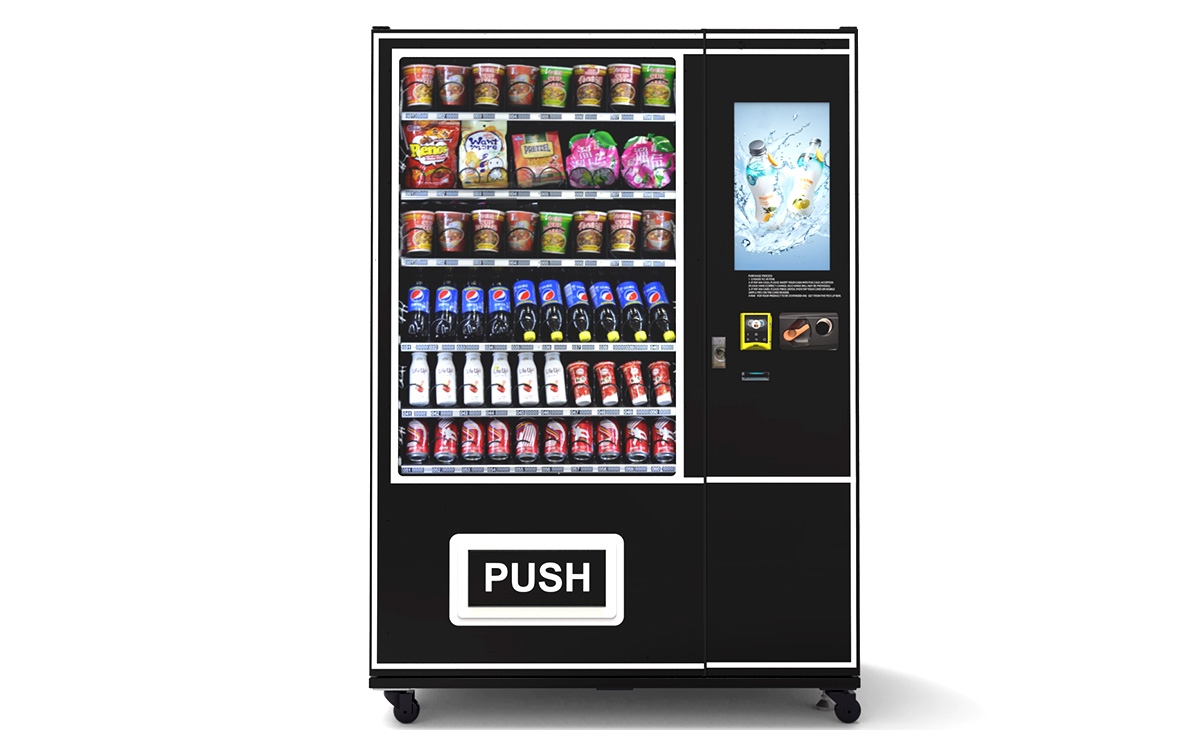
I have also placed machines in laundromats and car washes with mixed results. The key is to visit the location at different times of the day and week. A hotel lobby might be busy on weekends but dead on Tuesdays. A hospital is busy every day. Do your homework before you sign a location agreement.
How to Evaluate a Location Before You Commit
I never place a machine without doing a simple foot traffic count. I stand near the proposed spot for 30 minutes during peak hours and count the number of people who walk by. If it is less than 50 people in 30 minutes, I pass. I also look at what other vending or food options are nearby. If there is a Starbucks or a cafeteria within 50 feet, your machine will struggle. I once placed a snack machine next to a Subway sandwich shop, and it was a disaster. Nobody bought chips when they could get a fresh sandwich.
Another thing I check is whether the location has security cameras. Vandalism and theft are real problems, especially in outdoor or unmonitored spots. I have had machines broken into in parking lots and even in apartment building lobbies. If the location does not have cameras, I either pass or install a machine with a heavy-duty lock and alarm system. It costs more, but it saves you from losing an entire machine worth of inventory overnight.
Self-Operate vs. Lease vs. Profit Sharing: Which Model Works Best?
There are three common ways to operate vending machines in Florida. I have tried all three, and each has its place depending on your goals.
Self-Operate (You Own the Machine and Stock It)
This is the most common model for independent operators. You buy the machine, you stock it, you service it, and you keep 100% of the revenue minus location commission. This gives you full control over product selection and pricing. The downside is that you are responsible for everything, including repairs and restocking. If you have multiple machines spread across different cities, the travel time can eat into your profit. I recommend this model if you have 10 machines or fewer and can service them yourself.
Lease the Machine to a Location
Some businesses prefer to lease a vending machine from you. They pay a monthly fee, and you handle maintenance and restocking. This model gives you predictable income, but your profit is capped. I have done this with a few hotels that wanted a machine but did not want to manage it. The monthly lease fee was around $150 to $300, which was lower than what I could make by operating it myself, but it required less of my time.
Profit Sharing (Commission-Based)
In this model, you place the machine for free, and the location owner gets a percentage of sales—usually 10% to 20%. This is common in high-traffic locations like hospitals and universities. The advantage is that you get access to prime spots without upfront location costs. The disadvantage is that you have less control, and if sales are low, you still have to pay commission on a smaller base. I use profit sharing only for locations where I am confident in the traffic numbers.
Common Mistakes I See New Operators Make
I have been doing this long enough to have made most of these mistakes myself. Here are the ones I see most often.
- Buying a machine before securing a location. I have seen people buy a machine and then spend months trying to find a place to put it. Always secure your location first, or at least have a shortlist of potential spots.
- Ignoring cashless payment. In 2026, if your machine does not accept cards, you will lose at least 30% of potential sales. Do not skip this upgrade.
- Overstocking slow-moving products. I used to fill every slot with the same items. Now I track sales data and adjust my product mix every month. If an item does not sell within two weeks, I replace it.
- Underestimating maintenance costs. I budget 10% of gross revenue for maintenance and repairs. Some months you will spend nothing, and some months you will need a $300 repair. Set the money aside.
- Placing machines in outdoor locations without weather protection. Florida rain and humidity can damage electronics and cause rust. I only place machines outdoors if they are under a covered area or in a weatherproof enclosure.
- Not checking local zoning laws. I once placed a machine in a city that required a special vending permit that cost $500 per year. I did not check beforehand, and I had to pay a fine. Always call the city planning department.
How to Choose a Vending Machine Supplier
Finding a reliable supplier is critical. I have bought from large distributors and directly from manufacturers. Here is what I look for.
- Warranty and support. A good supplier offers at least a one-year warranty on parts and labor. I have had good experiences with Zhongda Smart because they provide a two-year warranty on their machines and have a support team that responds within 24 hours. That level of support is rare in this industry.
- Availability of spare parts. If the supplier does not stock common spare parts like coin mechanisms, card readers, or cooling fans, you will be stuck waiting weeks for a repair. Ask about parts availability before you buy.
- Payment system integration. Make sure the machine you buy supports the payment systems you want to use. Many modern machines from Zhongda Smart come with built-in NFC readers and support multiple payment platforms, which saves you the cost of retrofitting.
- Shipping and installation. Some suppliers offer white-glove delivery and installation. I recommend paying extra for this if you are not comfortable moving a 400-pound machine yourself. One wrong move can damage the machine or injure you.
How to Reduce Restocking and Maintenance Costs
Restocking is the most time-consuming part of the business. Over the years, I have developed a few strategies to make it more efficient.
- Use a route management software. I use a simple app that tracks inventory levels and sales data for each machine. It tells me exactly what to bring, so I do not waste time carrying extra stock.
- Schedule restocking based on sales data. I restock high-traffic machines twice a week and low-traffic machines once every two weeks. This reduces travel costs and keeps inventory fresh.
- Buy in bulk from wholesale clubs. I get most of my stock from Costco and Sam's Club. The prices are competitive, and I do not need to meet minimum order quantities.
- Perform preventive maintenance. I clean the machine's cooling coils every three months and check the seals on the doors. This prevents breakdowns and keeps the machine running efficiently.
Frequently Asked Questions
Is a vending machine business profitable in Florida?
Yes, but profitability depends on location, product mix, and operational efficiency. Based on my experience, a well-placed machine can generate $100 to $250 in monthly net profit. A route of 20 machines can produce a solid part-time income. According to NAMA, the average vending machine in the U.S. generates about $450 in monthly gross sales, but net profit is lower after costs.
How much does a vending machine cost in Florida?
A new snack and drink combo machine costs between $4,500 and $8,000. Used machines range from $1,500 to $3,500, but they often require repairs. You also need to budget for payment systems, inventory, permits, and insurance. Total startup cost for one new machine is around $6,000 to $8,000.
How long does it take to break even?
Most operators break even within 12 to 24 months. I have seen machines in high-traffic locations pay off in 8 months, while machines in poor locations may never break even. It depends on your costs and revenue.
Should a beginner buy or lease a vending machine?
I recommend buying a new machine if you have the capital. Leasing can be a lower-cost entry, but you have less control and lower profit potential. If you buy used, get a warranty and inspect the machine thoroughly. Many beginners start with one used machine to test the waters, but I have seen more success with new equipment.
Where should I place my first vending machine?
Start with a location you already have access to, like your workplace, a friend's business, or a local gym. This reduces the risk of a commission agreement and lets you learn the basics without pressure. Hospitals, office buildings, and hotels are generally good options if you can get in.
What permits do I need for vending machines in Florida?
You need a Sales Tax Certificate from the Florida Department of Revenue, a business tax receipt from the city or county where the machine is located, and possibly a food service permit if you sell perishable items. Check local zoning laws before placing a machine.
How do I choose a vending machine supplier?
Look for suppliers with good warranties, available spare parts, and responsive customer support. I have had good experiences with Zhongda Smart because of their two-year warranty and built-in cashless payment systems. Always ask about shipping, installation, and post-sale support before buying.
What happens if my vending machine breaks down?
If you have a warranty, contact the supplier for repair or replacement parts. If not, you will need to hire a local vending machine repair technician or learn to do basic repairs yourself. I recommend keeping a stock of common spare parts like coin acceptors and card readers. Regular preventive maintenance reduces the risk of breakdowns.
How can I reduce restocking costs?
Use route management software to track inventory, schedule restocking based on sales data, buy inventory in bulk from wholesale clubs, and group machines in the same geographic area to reduce travel time. I also recommend using machines with large capacity to reduce restocking frequency.
What products sell best in Florida vending machines?
Water, sports drinks, and cold beverages sell well year-round because of the warm climate. Snack items like chips, candy, and protein bars are also popular. In tourist-heavy areas, consider adding items like sunscreen, phone chargers, or small souvenirs. Track your sales data and adjust your product mix every month.
Final Thoughts from a Long-Time Operator
Starting a vending machine business in Florida is not a get-rich-quick scheme, but it can be a solid, reliable source of income if you do it right. The Best Vending Machine License Florida in 2026 is not a magic document—it is a combination of proper registration, smart equipment choices, and disciplined operations. I have seen too many people jump in without understanding the real costs and end up frustrated. Take the time to learn the basics, start small, and scale only when you have a proven system. The market is there, especially in Florida with its year-round demand for cold drinks and convenient snacks. But the machine does not do the work for you. You have to manage it, maintain it, and keep learning from your data.
If you are serious about this business, my advice is simple: buy a reliable machine from a manufacturer you trust, place it in a location with verified foot traffic, track your numbers from day one, and reinvest your profits into the next machine. Over time, a well-run vending route can give you the flexibility and income that few other small businesses offer. Just do not expect overnight success. It took me years to build a route that I consider truly profitable, and I am still tweaking my approach every month.
Article updated as of March 2026. The information in this guide is based on my personal experience operating vending machines in Florida and data from industry sources including the National Automatic Merchandising Association (NAMA) and IBISWorld. Costs and revenue figures are estimates and will vary based on location, equipment, and market conditions. Always conduct your own research and consult with local business authorities before making investment decisions.
Sources:
- National Automatic Merchandising Association (NAMA) – Industry data on vending machine revenue averages. https://www.namanow.org
- IBISWorld – Vending Machine Operators Industry Report (2025). https://www.ibisworld.com
- Florida Department of Revenue – Sales Tax Certificate Registration. https://floridarevenue.com
- Florida Department of Agriculture and Consumer Services – Food Service Permits. https://www.fdacs.gov